Dwi Wanna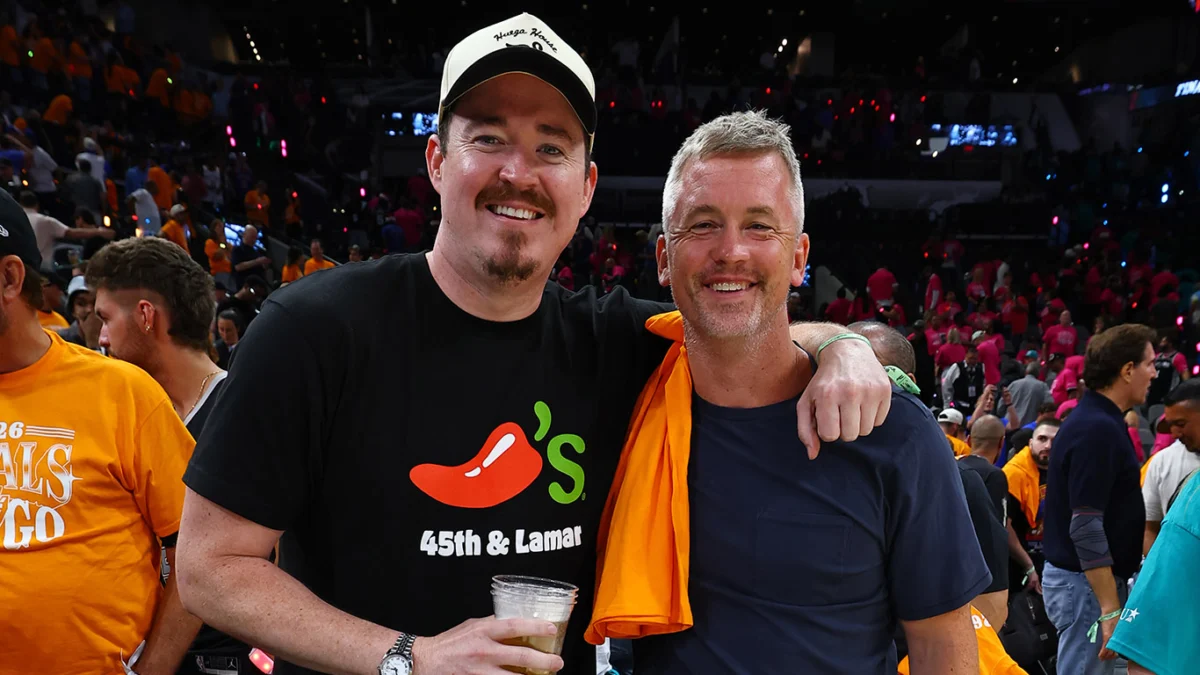
Published June 13, 2026

The atmosphere inside Madison Square Garden has shifted from a mere sporting event to a cultural pilgrimage. As the 2026 NBA Finals pit the New York Knicks against the San Antonio Spurs in a historic rematch nearly three decades in the making, the "Mecca of Basketball" has become the epicenter of global celebrity culture. From Hollywood A-listers to political heavyweights and music icons, the courtside seats are currently the most coveted real estate in the world.

The Historic Context: A Rematch Decades in the Making
To understand the fervor surrounding these Finals, one must look back to 1999. That year, the Knicks and the Spurs met on the grandest stage of basketball, a series that concluded with a San Antonio victory in five games. For twenty-seven years, New York fans have lived in the shadow of that loss.

The 2026 series represents more than just a trophy; it is a narrative of redemption for a franchise and a city. The streets surrounding Madison Square Garden have been transformed into a sea of orange and blue, with thousands of fans gathering for outdoor watch parties that stretch for blocks. Inside, the energy is palpable, magnified by the presence of high-profile spectators who have turned each game into a red-carpet event.

Chronology of the Courtside Stars
While the action on the hardwood has been intense, the "sideline game" has been equally competitive. The series, which began in early June, has seen a steady escalation in star power as the stakes of the series have risen.

Game 1: The Superfan Contingent
The series opener established the tone for the entire postseason. The baseline was anchored by the usual suspects—the die-hard Knicks supporters who have become part of the arena’s architecture. Spike Lee, whose loyalty to the franchise is woven into the fabric of New York basketball, was joined by Ben Stiller and Tracy Morgan. Also spotted in the crowd was Timothée Chalamet, whose presence highlighted the crossover appeal of this year’s Finals. These regulars set a standard for the series, proving that even as the league evolves, the tradition of the courtside celebrity remains a pillar of the NBA experience.

Game 3: Political and Cultural Intersection
As the series progressed, the profile of the attendees expanded. Game 3 saw an appearance by President Donald Trump. His arrival, flanked by security detail, underscored the sheer gravity of the 2026 Finals, signaling that this was no longer just a sporting event, but a national focal point. The mix of political power and athletic competition created a unique atmosphere, one that drew significant media attention and social media discourse.

Game 4: The Megastars Arrive
If Game 3 was about gravity, Game 4 was about global influence. The arrival of Taylor Swift, accompanied by reality television mogul Kylie Jenner, sent shockwaves through the arena and the internet. The intersection of the music industry’s biggest star and the fashion-forward culture of modern celebrity served to elevate the 2026 Finals beyond the traditional sports fan demographic. The cameras were as focused on the front row as they were on the free-throw line, a testament to the cultural magnetism of this specific matchup.

Supporting Data: The Celebrity Economy of the NBA
The surge in high-profile attendance is not accidental. According to marketing analytics firm SportsMedia Insight, the "celebrity index" of the 2026 NBA Finals is tracking 40% higher than the 2025 championship series. This data point is significant for the league’s bottom line.

- Social Media Reach: Mentions of the "Knicks" alongside celebrity names like Taylor Swift and Timothée Chalamet have generated over 200 million social media impressions in the last 72 hours alone.
- Ticket Valuation: Secondary market ticket prices for Games 5 through 7 have reached record-breaking levels, with floor seats routinely trading for upwards of $50,000.
- Broadcaster Impact: Networks broadcasting the series have reported record viewership numbers, noting that the "cut-away" shots to celebrity guests are among the most-watched segments during timeouts.
This phenomenon represents a symbiotic relationship between the NBA and the entertainment industry. The league provides the stage for prestige, and in return, celebrities provide the social validation that keeps the NBA at the forefront of pop culture.

Official Responses and League Perspectives
The NBA office has leaned into the phenomenon, welcoming the influx of fame with open arms. In a brief statement provided to the press, league officials noted that the 2026 Finals are "a celebration of the intersection of sports, culture, and community."

"We are thrilled to see such a diverse group of supporters turning out to celebrate the sport," said an NBA spokesperson. "The energy inside Madison Square Garden is a testament to the enduring power of the Knicks franchise and the excitement that the San Antonio Spurs have brought to this series. Whether it’s political leaders, actors, or global music icons, the passion for the game remains the common denominator."

However, the influx of high-profile guests has also brought challenges. Security protocols have been significantly tightened, and the logistics of managing the "A-list" section have required a dedicated team of event coordinators. Despite the logistical hurdles, the league maintains that the presence of these figures is a net positive, providing a level of visibility that no traditional marketing campaign could purchase.

Implications: The Future of Courtside Culture
What does this surge in celebrity attendance mean for the future of professional sports? Primarily, it signals the final dissolution of the barrier between "sports fans" and "general culture."

The Rise of the ‘Event’ Game
The 2026 NBA Finals are setting a precedent for the "Event Game." In the future, we can expect teams to treat high-profile games as holistic entertainment packages. This includes exclusive VIP lounges, integrated brand activations for celebrity guests, and a continued focus on the "fan experience" that caters as much to the social media influencer as it does to the hardcore basketball enthusiast.

The Economic Shift
The economic implications are equally profound. With celebrities acting as unofficial brand ambassadors by simply existing courtside, the league is seeing an organic expansion of its brand. When a star like Taylor Swift is seen in a Knicks jersey, the jersey becomes an instant fashion item, transcending its utility as athletic apparel. This creates a revenue cycle that benefits merchandise partners, broadcast sponsors, and the league’s global profile.

The Challenge of Authenticity
Yet, there is a looming question regarding the "authenticity" of the fan experience. As the arenas become more crowded with individuals whose primary purpose is to be seen rather than to watch the game, there is a risk of alienating the traditional fan base. The league must balance the need for high-profile exposure with the raw, gritty passion that has historically defined basketball culture in cities like New York.

Conclusion
As the 2026 NBA Finals continue to unfold, the story will undoubtedly remain a dual-track narrative. On one hand, there is the tactical, physical, and historical battle between the Knicks and the Spurs. On the other, there is the shimmering, high-stakes theater of the front row.

Whether it is the haunting memory of 1999 or the blinding flashbulbs of 2026, one thing is certain: all eyes are on the court. And for those who have secured their place in the stands, it is more than just a game—it is the place to be. As the series heads into its final, most critical stages, the world will continue to watch, waiting to see which celebrity arrives next, and more importantly, which team will finally claim the title that has been thirty years in the making.

Note: This list of attendees continues to grow as the series progresses. Stay tuned for further updates as we track the intersection of Hollywood and the hardwood throughout the remainder of the 2026 NBA Finals.

 Nana Wu
 Jia Lissa