Asro
Asro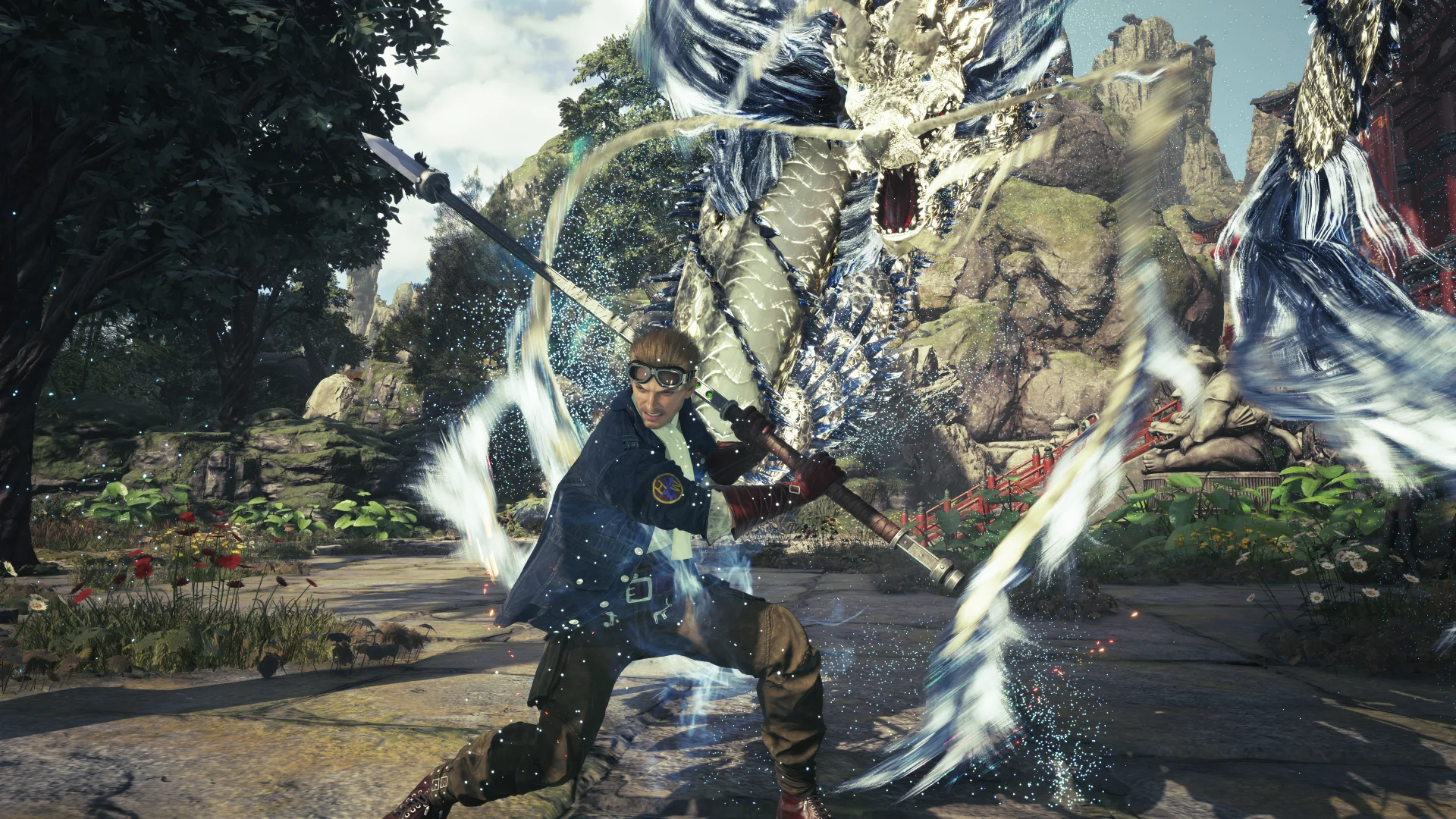
The Final Fantasy VII remake project represents one of the most ambitious undertakings in the history of interactive entertainment. By taking a genre-defining classic and reimagining it for a modern audience, Square Enix has faced the daunting task of balancing nostalgia with contemporary gameplay expectations. Central to this monumental effort is the combat system—the kinetic, tactical, and visually explosive engine that drives the player experience.
Recently, we had the unique opportunity to sit down with Teruki Endo, the battle director for both Final Fantasy VII Remake and Final Fantasy VII Rebirth. Alongside a companion Q&A with Director Naoki Hamaguchi, this discussion offers a rare glimpse into the design philosophy, the technical challenges, and the creative passion that fuels the development of one of the world’s most beloved RPG franchises.
The Philosophy of Modernization: Redesigning Iconic Movesets
When asked about the methodology behind updating legacy characters for a modern action-RPG environment, Endo emphasizes that the process is rooted in a delicate balance between preservation and evolution. The goal is to retain the "flavor and personality" of the original 1997 title while ensuring the combat feels responsive and deep.
The Foundation of Cloud Strife
For Endo, the process always begins with the game’s central protagonist, Cloud Strife. "The foundation is always the most important," Endo explains. The team looks at signature moves—such as Cloud’s iconic "Braver"—and evaluates whether they retain their impact in a real-time environment. If a move captures the essence of the character, it is preserved. If not, the team creates new abilities that share the same "motif" as the original. Cloud, in particular, served as the "central spine" of the system, acting as the prototype upon which the rest of the party’s mechanics were built.
Expanding the Scope: From Remake to Rebirth
The transition from Remake to Rebirth allowed the development team to refine their combat philosophy. While Remake was heavily influenced by the constraints of a hybrid turn-based and action model, Rebirth utilized the team’s expanded experience to push further into pure action territory.
This evolution is most evident in the movement and aerial capabilities of characters like Cloud and Tifa, who received significant overhauls to make them feel more fluid. Conversely, characters like Barret were adjusted to lean harder into their specific roles—such as long-range specialization—resulting in a more distinct and tactical feel for every member of the party.

Materia and the Mechanics of Choice
The Materia system is arguably the most recognizable element of Final Fantasy VII, serving as the backbone for player customization. Endo’s team approaches the integration of Materia with the same rigor applied to character abilities.
The Curation Process
Choosing which Materia return and which are added is an exercise in iterative design. The team filters the original game’s list, selecting those that best complement the new combat flow. The objective is to provide a "compelling" selection that encourages player experimentation.
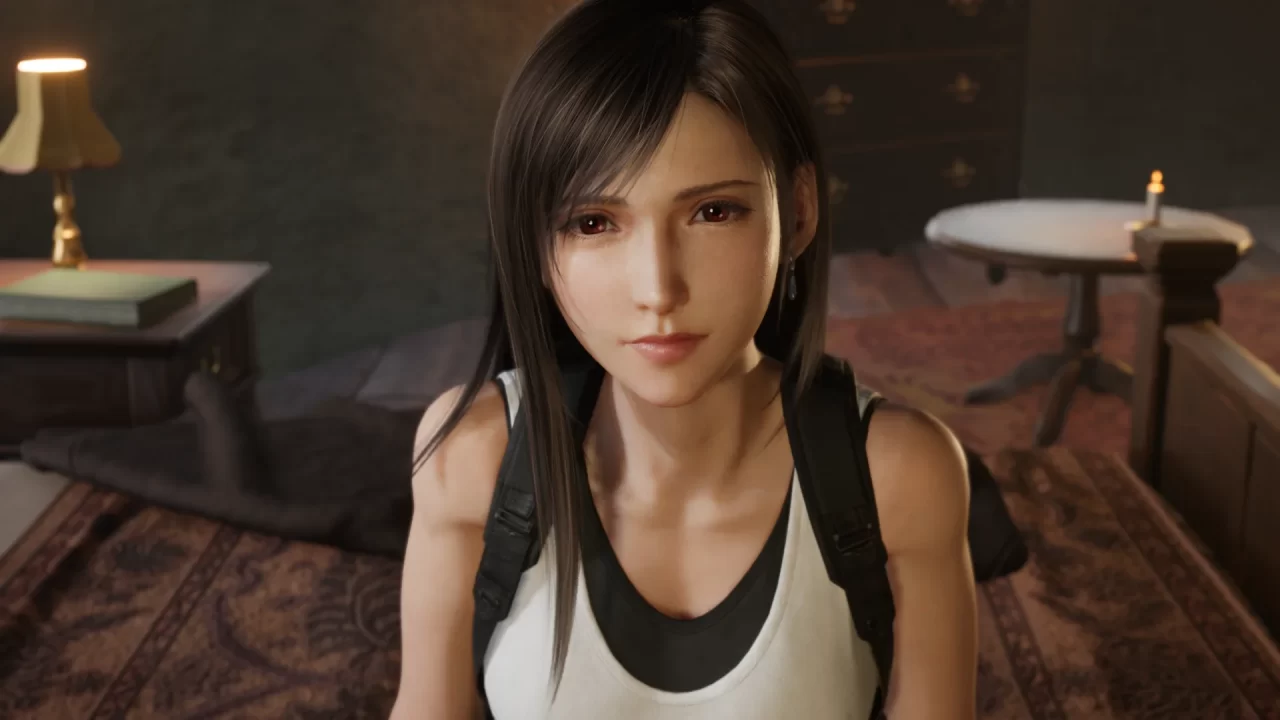
When prompted about his own preferences, Endo highlighted the ATB Boost Materia as a personal favorite. This specific piece of equipment, which doubles the ATB gauge, represents the kind of strategic depth the team strives for. It allows players to chain powerful abilities together, transforming combat from a series of individual attacks into a rhythmic, combo-heavy experience. Endo notes that he particularly enjoys playing as Tifa, noting that her ability to cancel animations and move with increased speed is a testament to the "granular" attention to detail his team invested in the project.
The Art of the Boss Encounter
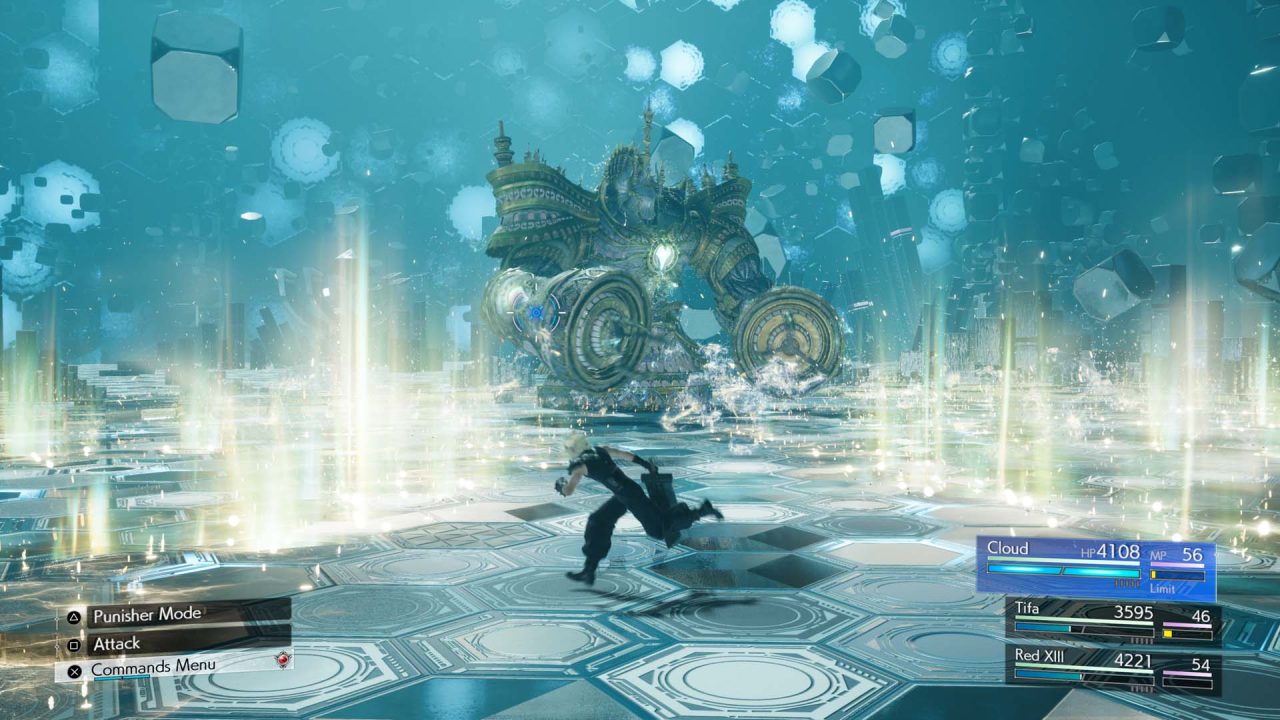
Boss battles in the Final Fantasy VII project are more than just damage sponges; they are narrative milestones. Whether it is the mechanical complexity of the Airbuster or the sheer spectacle of a Jenova encounter, these fights are designed to test the player’s mastery of the game’s systems.
Setting the Bar: The Guard Scorpion
The most significant challenge for the development team was the very first boss: the Guard Scorpion. Because this fight sets the tone for the entire player experience, the team "mull[ed] over" its design extensively. According to Endo, they knew that if they could nail the feeling of this opening encounter, it would instill confidence in the player for the hours of gameplay to follow.
The Integration of New Encounters
Beyond the legacy bosses, the team has introduced entirely new threats to the mythos, such as Roche and the legendary Gilgamesh. The process for creating these fights is deeply narrative-driven.
- Setting and Story: The team first finalizes the context—who the character is, where the fight happens, and why it matters to the plot.
- Emotional Intent: They ask what the player should feel during the encounter.
- Mechanical Implementation: They build the phase progression and mechanics to reflect those narrative beats.
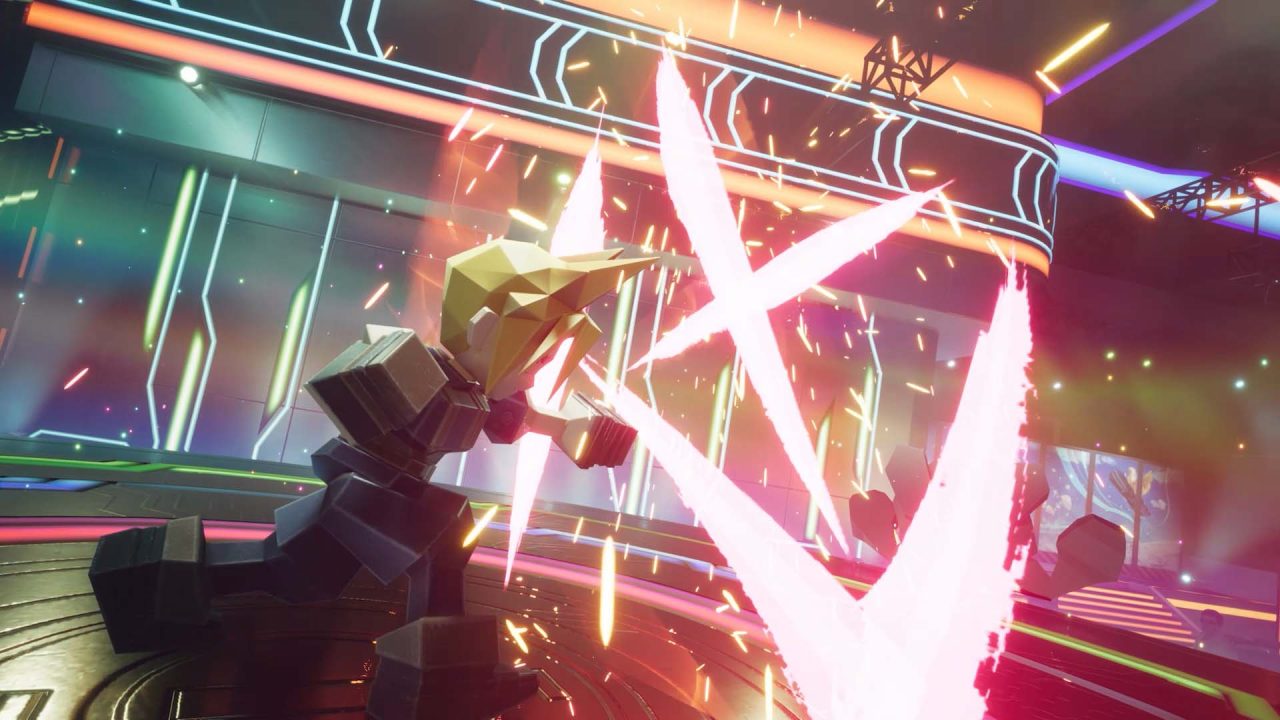
For Endo, the battle against Gilgamesh stands as a career highlight. "The character is so unique, and I really like the music as well," he says. The opportunity to synchronize gameplay with the iconic "Battle at the Big Bridge" track was, for a lifelong fan of the series, a deeply moving experience.
Future Horizons: The Third Chapter and Beyond
As the industry looks toward the conclusion of this trilogy—following the release of Final Fantasy VII Remake and Rebirth on the Switch 2 and Xbox Series X|S—the conversation inevitably turns to the remaining members of the cast. Fans have been eagerly awaiting the combat debuts of Cid and Vincent, two pivotal characters who have yet to take the field in this specific project.
When asked who he is most excited to see in action, Endo maintains a professional neutrality, emphasizing that his goal is to ensure every character is a delight to play. However, his laughter and the enthusiasm surrounding the project suggest that the team is just as excited as the fans to finally pull back the curtain on these iconic figures.
Implications for the Future of RPGs
The work performed by Teruki Endo and his team sets a new benchmark for how legacy franchises can be treated. By focusing on the "central spine" of combat mechanics while leaving room for creative expansion, Square Enix has demonstrated that it is possible to modernize a classic without losing its soul.
The success of Final Fantasy VII Rebirth in its June 2026 launch across multiple platforms, including the Switch 2 and Xbox Series X|S, proves that the hunger for these characters and their stories is as potent as ever. As we look forward to the final installment, one thing is clear: the combat team is not merely recreating a game; they are refining a legacy. Through meticulous design, a focus on player agency, and an unwavering respect for the source material, the Final Fantasy VII project continues to define the pinnacle of the modern JRPG genre.
Key Takeaways
- Iterative Design: The team uses original game mechanics as a foundation, then adapts or builds upon them to suit modern, action-oriented gameplay.
- Narrative Synchronization: Combat encounters are built to reflect the emotional and narrative beats of the story, particularly with new boss designs.
- Accessibility and Depth: By balancing complex Materia systems with intuitive character movement, the team aims to satisfy both casual players and hardcore theory-crafters.
- The Power of Sound: Music remains a central pillar of the development experience, influencing the design and "feel" of boss battles like the legendary Gilgamesh encounter.
As the development of the third installment continues, the industry waits with bated breath to see how the final pieces of this massive, multi-part puzzle will fall into place. For now, players can continue to master the systems of Rebirth, knowing that every frame of animation and every point of ATB damage was crafted with a profound love for the original source material.



 Muslim