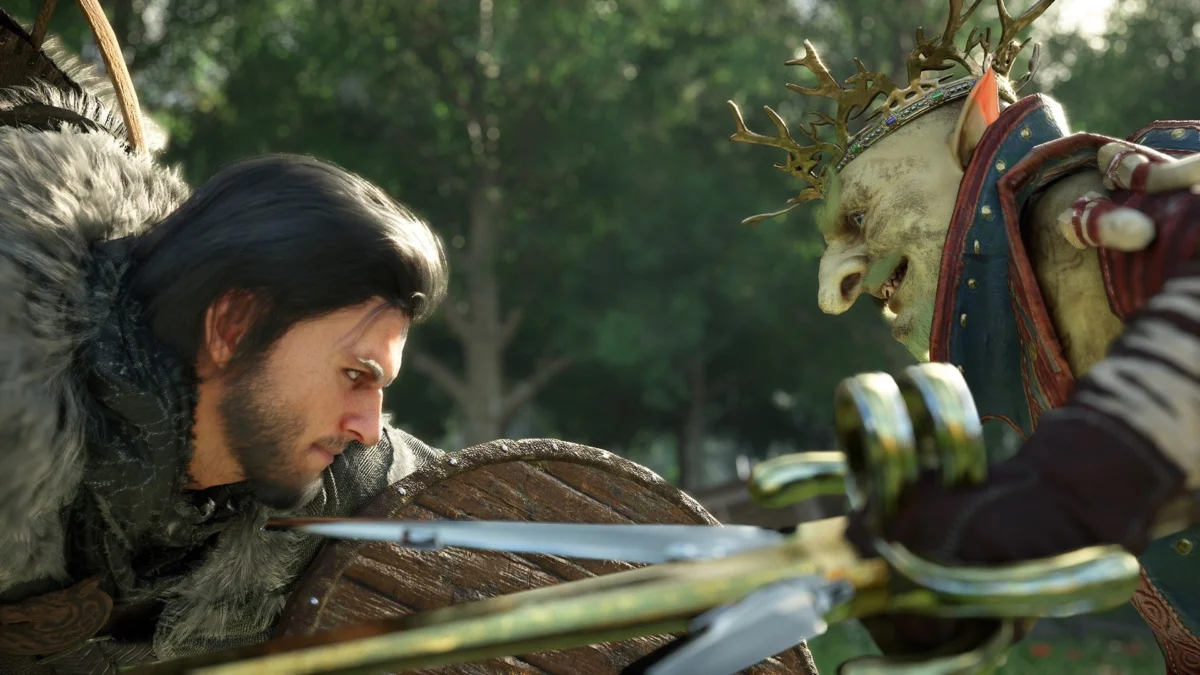
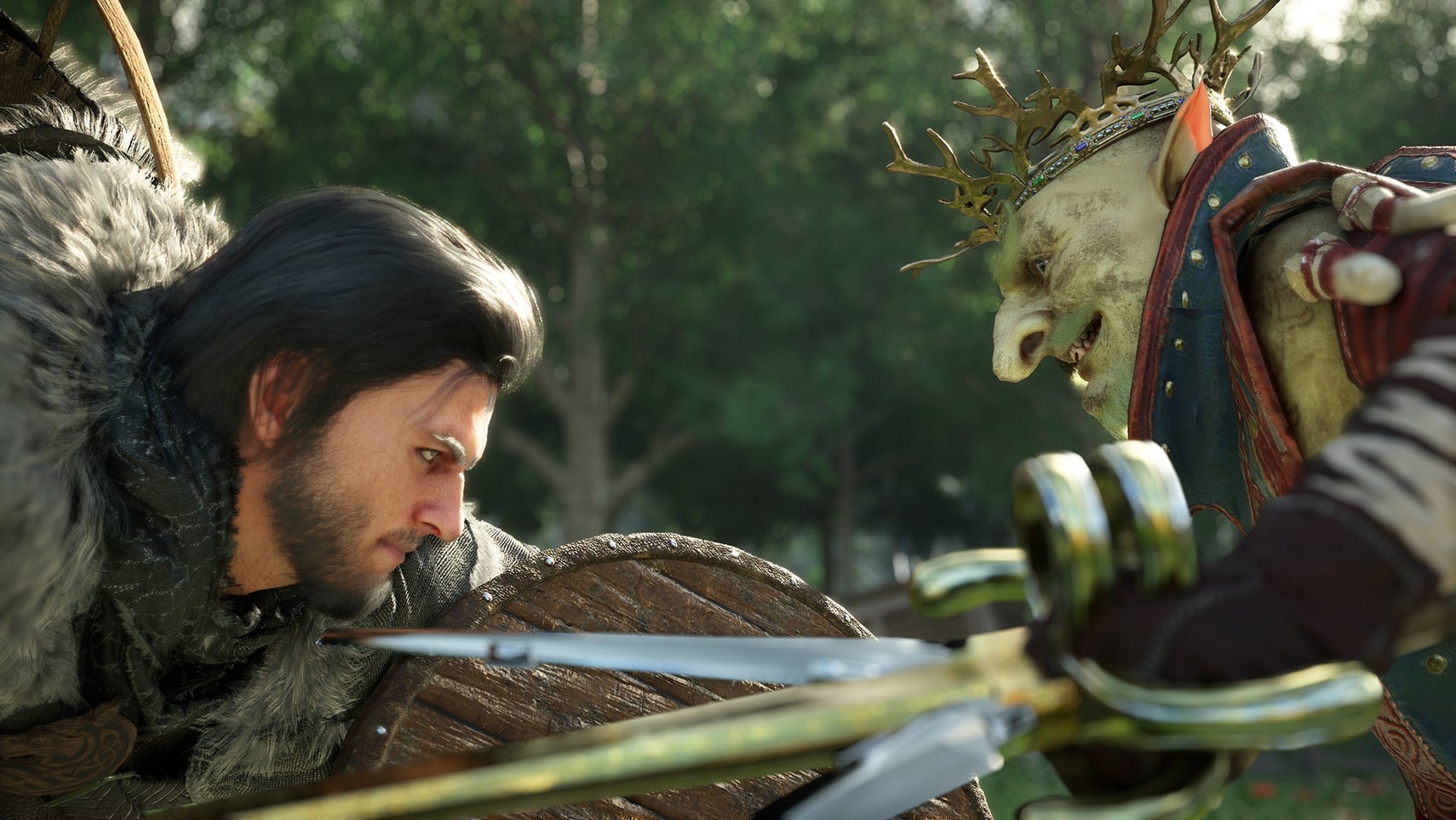
Seoul, South Korea – March 28, 2026 – As the first quarter of 2026 draws to a close, Pearl Abyss’s highly anticipated open-world action RPG, Crimson Desert, has emerged as a significant force in the global gaming market. Launched nearly six years after its initial reveal, the game has swiftly climbed sales charts, particularly on PC platforms, amassing an impressive concurrent player count shortly after its release. However, this commercial triumph is tempered by a notably mixed reception from both critics and players, underscoring the complexities inherent in delivering a long-awaited title with shifting ambitions.
Crimson Desert, a spiritual successor and off-shoot of the acclaimed MMORPG Black Desert Online, has been one of 2026’s most talked-about games. Its launch has been met with fervent player engagement, yet it has also ignited a spirited debate regarding its design philosophy, user experience, and overall execution. The dichotomy of its immediate commercial success and the polarizing critical discourse paints a vivid picture of the challenges and triumphs facing modern game development.
A Saga Six Years in the Making: The Chronology of Crimson Desert’s Development
The journey of Crimson Desert has been a protracted and often enigmatic one, stretching back to its initial announcement. First unveiled in 2019 as a new MMORPG from Pearl Abyss, the game quickly captured attention with its stunning visual fidelity and the promise of a rich, expansive world. Pearl Abyss, renowned for the graphical prowess and deep combat systems of Black Desert Online, initially positioned Crimson Desert as a narrative-driven multiplayer experience set in the fantasy world of Pywel, distinct from its predecessor.
2019-2020: The Grand Unveiling and Initial Vision
Crimson Desert first entered the public consciousness with a reveal trailer that showcased a gritty, realistic fantasy setting and ambitious large-scale battles. Early promotional materials suggested a traditional MMORPG framework, leading to considerable excitement among fans of the genre and those impressed by Pearl Abyss’s previous work. The initial vision hinted at an epic story interwoven with multiplayer elements, promising both personal adventure and communal exploration.
2020-2022: The Shift in Scope and Growing Ambition
As development progressed, whispers and official communications began to indicate a significant shift in Crimson Desert‘s core identity. By 2021, Pearl Abyss clarified that the game was evolving from a pure MMORPG into a more broadly defined "open-world action-adventure" title with single-player and co-operative elements, rather than a persistent online world. This redefinition was accompanied by dazzling new gameplay trailers at events like The Game Awards and Gamescom, which highlighted cinematic combat, intricate character customization, and a sprawling, dynamic environment. The change in genre, while promising a more focused experience for some, also sparked early "controversy" and discussion among the fanbase. Many who had anticipated a new MMO were left wondering about the implications of this shift, while others welcomed the idea of a more streamlined, narrative-driven experience. The development team emphasized a commitment to deep storytelling and visceral action, aiming to create a genre-bending experience that transcended traditional classifications. This period of re-evaluation and expanded ambition undoubtedly contributed to the extended development cycle and the mounting anticipation surrounding the project.
2023-2025: Building Momentum and Pre-Launch Hype
In the years leading up to its 2026 launch, Crimson Desert solidified its position as one of the most anticipated titles. Regular updates from Pearl Abyss, showcasing improved graphics, refined combat mechanics, and glimpses into the game’s lore, kept the hype train rolling. The game’s striking visuals, powered by Pearl Abyss’s proprietary BlackSpace Engine, consistently impressed audiences, setting high expectations for its technical performance and immersive qualities. By early 2026, it was widely regarded as a potential tentpole release for the year, positioned to compete with other major industry players.
Shattering Expectations: A Look at Launch Performance and Supporting Data
The commercial performance of Crimson Desert has been nothing short of spectacular, particularly on PC. Launched simultaneously on PC via Steam and the Epic Games Store, as well as on consoles, the game immediately demonstrated its market appeal.
Dominating the Digital Landscape:
Within hours of its release, Crimson Desert ascended to the apex of the global sales charts on Steam, a testament to its pre-release momentum and effective marketing. This climb wasn’t a sudden burst; the game had been steadily gaining traction, appearing in Steam’s top 100 global sellers list for six consecutive weeks leading up to its launch. Its final leap to the number one spot just before launch underscored the immense player interest.
The player engagement metrics further highlight this success. Crimson Desert peaked at a remarkable 239,045 concurrent players on Steam, according to data from SteamDB. This figure is not only impressive for a new intellectual property (IP) but also positions it firmly among the elite launches of the first quarter of 2026. This level of immediate player interest suggests that Pearl Abyss successfully tapped into a significant demographic eager for a new, high-fidelity open-world action RPG experience. The weekend following its launch is expected to see these numbers potentially climb even higher, as more players dive into the expansive world of Pywel.
A Strong Contender in a Competitive Quarter:
The first quarter of 2026 has proven to be a fiercely competitive period for game releases, featuring several high-profile titles that have also achieved significant player numbers. Crimson Desert‘s performance places it in esteemed company:
- Slay the Spire 2, the highly anticipated sequel to the beloved deck-building roguelike, continues to hold the top spot for concurrent players in Q1 2026, reaching a staggering peak of 574,638. Its accessible yet deeply strategic gameplay has captivated a massive audience.
- Resident Evil Requiem, the latest installment in the iconic survival horror series, also saw immense success, peaking at 344,214 concurrent players. This was the year’s highest until Slay the Spire 2‘s release, demonstrating the enduring power of established franchises.
- In comparison, Nioh 3 and Marathon, two other notable Q1 releases, achieved peak concurrent player counts of 88,045 and 88,337 respectively. While respectable, these figures are significantly outpaced by Crimson Desert‘s nearly quarter-million concurrent players.
This data firmly establishes Crimson Desert as a major commercial success for Pearl Abyss, proving its ability to attract and engage a large player base from day one, even against formidable competition. The sheer volume of concurrent players signals a strong initial sales performance and a robust launch.
Navigating the Sands of Criticism: Mixed Receptions from Critics and Players
Despite its undeniable commercial success, Crimson Desert‘s critical and player reception has been notably polarized, resulting in a "Mixed" consensus across various platforms. This division highlights a perceived gap between the game’s ambitious vision and its practical execution.
Critics’ Verdict: A Lack of "Connective Sinu"
Professional critics have offered a range of perspectives, with many reviews converging on several key points of contention. James, in VG247’s review, awarded Crimson Desert three stars, articulating a common sentiment that the game "lacks the connective sinew to be truly functional." This phrase encapsulates a broader criticism concerning the game’s overall cohesion and fluidity.
Specific points frequently raised by critics include:
- System Bloat and Overwhelm: Many reviewers lamented the sheer number of interconnected systems vying for player attention. From intricate crafting and combat mechanics to exploration, resource management, and character progression, critics found the game’s attempt to be "everything at once" often led to a confusing and overwhelming experience. The lack of streamlined integration between these systems prevented them from feeling like a cohesive whole.
- Poorly Explained Mechanics: A significant portion of critical feedback centered on the game’s inadequate tutorials and explanations. New players often found themselves dropped into the vast world of Pywel with minimal guidance, struggling to grasp fundamental mechanics, navigate complex user interfaces, and understand the nuances of combat or progression. This steep learning curve contributed to frustration and a sense of being lost.
- Counterintuitive Controls: While Black Desert Online was known for its deep and often complex combat, Crimson Desert appears to have inherited some of these challenges without sufficient refinement for a broader action RPG audience. Critics frequently cited clunky controls, unresponsive inputs, and a general lack of precision, particularly in fast-paced combat scenarios. This issue was reported across both PC and console versions, impacting the fundamental gameplay loop.
- Narrative and World Coherence: While the game’s world of Pywel was praised for its visual splendor and atmospheric design, some critics found the narrative to be disjointed or lacking a strong central pull. The emphasis on various systems sometimes overshadowed the storytelling, making it difficult for players to connect with the characters or the overarching plot.
However, it’s important to note that critics also acknowledged Crimson Desert‘s strengths. The game’s stunning graphics, impressive environmental design, and ambitious scope were often highlighted as significant achievements. The potential for deep, engaging combat was also recognized, even if its execution was hampered by control issues.
Player Feedback: A Divided Community on Steam
On Steam, the user rating currently sits at "Mixed," based on over 8,728 reviews. This mirrors the critical reception, indicating a significant split within the player base. The sentiment among players largely echoes the points raised by professional critics, with common complaints focusing on:
- Clunky Controls and User Experience: A recurring theme in negative player reviews is the frustration with the game’s controls and overall user interface. Players frequently describe the movement, combat inputs, and menu navigation as feeling cumbersome and unintuitive, hindering immersion and enjoyment.
- "Trying to be Everything at Once": One Steam user’s concise critique, stating the game "so miserably tries to be everything at once, and fails to be anything at all," resonates with many others. This sentiment reflects the feeling that Crimson Desert stretches itself too thin across too many mechanics, sacrificing depth and polish in individual areas.
- Performance Issues (Varying Reports): While not universally reported, some players have cited performance issues, including frame rate drops, occasional crashes, and optimization concerns, particularly on systems that meet or exceed recommended specifications. This can further detract from the experience of a graphically intensive game.
- Steep Learning Curve and Lack of Guidance: Similar to critics, many players expressed feeling overwhelmed by the game’s complexity and the lack of clear explanations for its numerous systems. This led to early frustration and a sense of being unable to fully engage with the game’s potential.
Conversely, a substantial portion of the player base has offered positive reviews, praising the game’s visual fidelity, the ambition of its open world, and the potential for exciting combat once mastered. These players often appreciate the depth of its systems, finding satisfaction in overcoming the initial learning curve and customizing their characters and playstyles. The game’s unique creature designs and the sheer scale of its world are frequently cited as highlights. This divided feedback underscores the game’s polarising nature: a deeply ambitious title that resonates strongly with some players while alienating others due to its complexity and perceived lack of polish in key areas.
Pearl Abyss’s Stance and Future Outlook: Official Responses and Implications
The launch of Crimson Desert presents Pearl Abyss with a dual challenge: celebrating its commercial success while actively addressing the significant feedback from critics and players regarding the game’s design and user experience.

Developer’s Vision and Past Statements
Pearl Abyss has historically demonstrated a commitment to long-term support for its titles, most notably with Black Desert Online, which has evolved considerably since its launch. The ambition behind Crimson Desert was always clear: to create a vast, immersive, and action-packed experience that pushes technical boundaries. Prior to launch, the developers frequently spoke of their desire to deliver a "next-generation" open-world game, focusing on a deep narrative, visceral combat, and a world brimming with life. This vision, however, inherently carries the risk of over-ambition, where the sheer number of features can inadvertently dilute the overall experience if not perfectly integrated. While specific post-launch statements regarding the mixed reception have yet to be formally issued, the studio is undoubtedly monitoring player feedback closely.
Addressing the Feedback: The Road Ahead
Given Pearl Abyss’s track record, it is highly probable that the company will actively engage with the community to address the prevalent criticisms. The mixed reviews, particularly concerning controls, system clarity, and overall polish, are areas that can often be improved through post-launch patches and updates. Potential actions could include:
- UI/UX Overhauls: Streamlining menus, providing clearer visual cues, and offering more robust in-game tutorials could significantly alleviate player frustration.
- Control Refinements: Iterative improvements to combat inputs, camera controls, and character movement could enhance the fundamental gameplay feel.
- Performance Optimization: Ongoing efforts to improve frame rates, reduce bugs, and enhance stability across all platforms will be crucial for retaining players.
- Content Prioritization: While the game is not a traditional MMO, modern action RPGs often feature post-launch content. Pearl Abyss may need to carefully consider how new content integrates with existing systems to avoid further bloat.
The challenge for Pearl Abyss will be to implement these changes without fundamentally altering the core identity that attracted its initial player base, while simultaneously making the game more accessible and enjoyable for a broader audience.
Implications for Pearl Abyss and the Genre
The launch of Crimson Desert carries significant implications for Pearl Abyss and the broader open-world action RPG genre:
- Pearl Abyss’s Future: The game’s commercial success validates Pearl Abyss’s ability to create highly anticipated titles and attract a massive audience, even with new IPs. This provides a strong foundation for future projects and continued investment in their proprietary engine technology. However, the mixed reception also serves as a crucial learning experience, highlighting the importance of user experience, design coherence, and clear communication of a game’s scope.
- Evolution of the Open-World Genre: Crimson Desert‘s attempt to blend deep action RPG mechanics with a vast, detailed open world is indicative of the genre’s push for increased complexity and realism. Its struggles with system bloat and control intuitiveness may serve as a cautionary tale or a point of reflection for other developers aiming for similar ambitions. The market clearly craves large, immersive worlds, but also demands polished, user-friendly experiences.
- Player Expectations: The divided response underscores the increasingly sophisticated and diverse expectations of modern gamers. Players are not just looking for stunning graphics or vast worlds; they demand seamless gameplay, intuitive controls, and a coherent vision.
Conclusion: A Promising Yet Perilous Path
Crimson Desert‘s launch marks a pivotal moment for Pearl Abyss. The game has undeniably achieved substantial commercial success, demonstrating its magnetic appeal and the developer’s capacity to deliver visually breathtaking experiences that capture player imagination. Its strong debut on Steam charts, with hundreds of thousands of concurrent players, solidifies its position as one of the standout releases of Q1 2026.
However, the journey for Crimson Desert is far from over. The mixed reception from critics and players alike, centered on issues of design complexity, control fluidity, and overall cohesion, presents a clear mandate for refinement. Pearl Abyss now faces the critical task of nurturing its ambitious creation, addressing community feedback, and ironing out the rough edges that currently prevent a more universally positive experience. If the developers can successfully navigate these challenges, Crimson Desert has the potential to evolve into a truly exceptional title, fulfilling the grand vision that has been six years in the making. The sands of Pywel may be challenging to traverse, but the allure of its vast horizons remains undeniable.
For adventurers embarking on their journey in Pywel, we recommend consulting these crucial tips to help orient yourself in the game’s vast world. You should also plan your initial skill unlocks by prioritising these skills to spend your Abyss Artifacts first, to better navigate the complexities of Crimson Desert.