Reynand Wu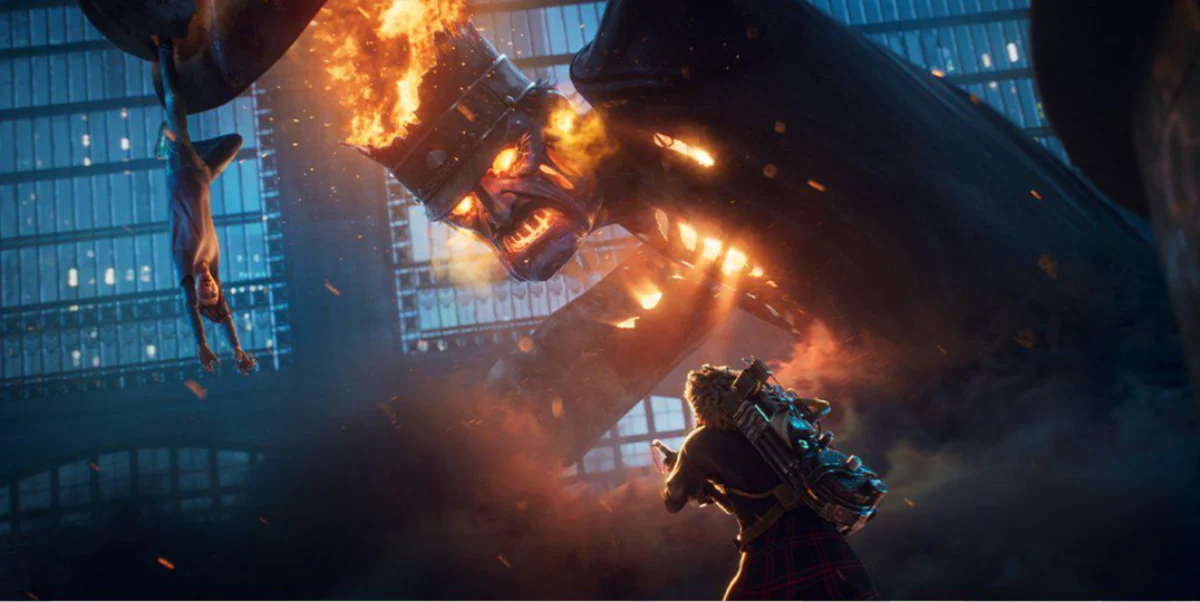
The ghost-busting franchise is expanding its reach once more. After years of speculation, development rumors, and a brief period of confusion regarding the project’s format, Netflix and Sony Pictures Animation have finally pulled back the curtain on their upcoming animated series. During a high-profile presentation at the Annecy International Animation Film Festival, the studios confirmed that the project, officially titled Ghostbusters: Night Shift, is slated for a 2027 release.
For fans who have followed the franchise through its recent theatrical resurgence, this news serves as both a confirmation of long-standing rumors and a fresh, canonical entry point into the supernatural world created by Ivan Reitman in 1984.
The Chronology of Development
The path to Ghostbusters: Night Shift has been a winding one. The first concrete whispers of the project emerged in 2022, shortly after the box-office success of Jason Reitman’s Ghostbusters: Afterlife. At that time, Netflix and Sony announced that Reitman and his creative partner Gil Kenan—the architects of the recent live-action revival—would serve as executive producers on a new animated venture.
For the better part of two years, the project remained in a state of "developmental limbo" in the eyes of the public. Aside from a brief update in 2024 confirming that the series was still in active production, details were scarce. During this time, online speculation reached a fever pitch, with various outlets misreporting the project as a feature-length film. The announcement at Annecy effectively silenced these rumors, clarifying that the series will be a multi-episode television event designed for the streaming giant.
The creative team tasked with bringing this vision to life includes showrunners Ben Hibon and Elliott Kalan. Hibon, known for his distinct visual sensibilities, and Kalan, a seasoned writer, have been working in close collaboration with Reitman and Kenan to ensure the series maintains the delicate tonal balance of the franchise: the intersection of high-stakes horror and irreverent, blue-collar comedy.
The Setting and Narrative Hook: Back to 1994
Perhaps the most intriguing revelation from the Annecy presentation was the official logline for the series. Moving away from the modern-day settings of Afterlife and Frozen Empire, Night Shift transports viewers back to the mid-90s.
The official synopsis provides a clear window into the show’s premise:
"New York City, 1994—Five years after the Ghostbusters took the Statue of Liberty for a walk, a new wave of supernatural terror hits the Big Apple, forcing a group of scrappy, young New Yorkers—untrained, underappreciated and kinda sorta responsible for the problem—to put on proton packs, face their fears and bust some ghosts."
By setting the show in 1994, the creators are effectively filling in the blanks of the established timeline. This period places the series firmly in the wake of the events of Ghostbusters II, allowing the narrative to explore a New York City that has moved past the initial shock of the 1984 Gozer incident but is far from secure. The "scrappy" nature of the new protagonists—described as young, underappreciated, and accidentally responsible for the spectral outbreak—suggests a return to the roots of the original film: the idea that ghost-busting is a messy, dangerous, and largely thankless job.
Character Dynamics and the "Terror Puppy"
While the full cast remains largely under wraps, the presentation offered a few tantalizing details. Among the most notable is the rumored involvement of actor Jack Quaid, who is reportedly set to voice an older member of the Ghostbusters team. While Netflix and Sony have yet to provide official confirmation regarding the full voice cast, industry insiders suggest that the show will feature a mix of established legacy characters and new, younger recruits.
The creative team also emphasized that the series will be firmly entrenched in existing canon, meaning viewers should expect deep-cut references to the lore developed over the past four decades. However, the tone promises to be distinct. The producers described the show as having a "scary and funny" dichotomy, intended to evoke the darker, more atmospheric moments of the original films while leaning into the visual freedom afforded by the animation medium.
Perhaps most quirkily, the presentation revealed that the younger team will be accompanied by a "terror puppy." While the term "terror dog" has been synonymous with the franchise’s most iconic minions since 1984, the inclusion of a puppy version suggests the series will explore a more whimsical, albeit still supernatural, side of the ghost-hunting experience.
The Visual Evolution of the Franchise
The "first look" images shared at the festival indicate a departure from the ultra-realistic aesthetic of recent live-action entries. The visual style appears to favor a stylized, high-energy animation look that can accommodate both the slapstick nature of the comedy and the genuine threat posed by the spectral antagonists.
For Sony Pictures Animation, this project is a significant feather in their cap. Having found success with the visually groundbreaking Spider-Verse films, the studio appears to be applying a similar philosophy to the Ghostbusters brand: using animation not just as a cheaper alternative to live-action, but as a medium to push the boundaries of what a supernatural comedy can look like.
Implications for the Ghostbusters Universe
The decision to make Night Shift part of the official canon is a strategic move that expands the "Ghostbusters Cinematic Universe" without the logistical constraints of live-action filmmaking. By focusing on a television format, the creators have the breathing room to build out the world, introduce more complex ghost lore, and develop the characters over an extended period.
Furthermore, the choice of a 1994 setting provides a bridge between the classic era and the modern-day films. This allows for potential cameos or narrative crossovers that wouldn’t be possible in a strictly linear, present-day timeline. It also suggests that the "Ghostbusters" entity is being treated as a global, multi-generational institution rather than just the story of one specific family or team.
Why 2027 Matters
The 2027 release date is a long wait, but it suggests that Netflix and Sony are committed to quality over speed. In an era of streaming where content is often churned out rapidly, a three-year window for a major animated series suggests a high level of polish and creative oversight.
As fans wait for more concrete news—such as the full voice cast, a teaser trailer, or specific episode counts—the buzz surrounding Night Shift is already palpable. By anchoring the series in the established 90s timeline, the showrunners are promising a "return to form" that respects the legacy of the franchise while inviting a new generation of fans to strap on their own proton packs.
For the "old bustin’ gang" and their successors, the message is clear: the ghosts haven’t gone away, and the business of saving New York is only just beginning. As we look toward 2027, the prospect of a new, canonical chapter in the Ghostbusters saga offers a promising future for one of cinema’s most enduring and beloved brands. Whether it will match the charm of the original remains to be seen, but with the combined efforts of Reitman, Kenan, and a talented animation team, the "Night Shift" appears to be in very capable hands.

 Basiran
 Lina Irawan