

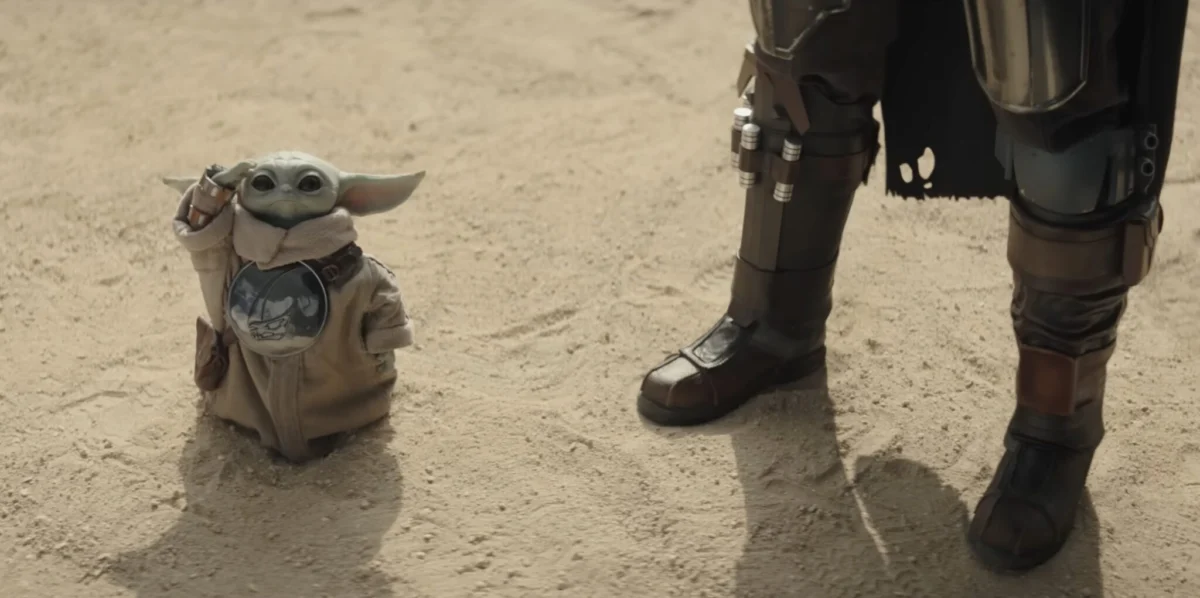
When it was first announced that the small-screen juggernaut The Mandalorian would be making the leap to cinema with The Mandalorian and Grogu, skepticism was the prevailing sentiment among the Star Wars faithful. For a franchise often criticized for its reliance on expansive, sprawling narratives, the prospect of a feature-length installment based on a series that has historically favored episodic, "thin-on-the-ground" storytelling felt like a gamble. However, following its release, the film has proven to be a fascinating, if unconventional, addition to the Star Wars canon—one that prioritizes atmospheric world-building and niche lore over the grand, sweeping stakes typically associated with the saga’s big-screen outings.
Main Facts: A Shift in Scale and Scope
Directed by Jon Favreau and bolstered by the scriptwriting expertise of Dave Filoni and Noah Kloor, The Mandalorian and Grogu serves as a bridge between the television series and a new, more tactile cinematic vision. The film follows Din Djarin (portrayed physically by stunt performers Lateef Crowder and Brendan Wayne) and his ward, Grogu, as they navigate the volatile post-Imperial landscape.
The film’s plot is relatively contained: Din Djarin is tasked by Colonel Ward—played with commanding presence by Sigourney Weaver—with a mission to the Hutt homeworld of Nal Hutta. The objective is to retrieve Rotta the Hutt, the nephew of the late crime lord Jabba, to secure intelligence on a dangerous Imperial remnant leader, Janu Coin. This narrative choice marks a deliberate move away from the "save the galaxy" tropes, focusing instead on the grubby, political, and often bizarre corners of the Star Wars universe.
Chronology: The Journey to Nal Hutta
The film opens with a sequence that, while visually striking, drew criticism from long-time fans for its familiarity. Djarin and Grogu dismantle an Imperial garrison led by a corrupt official, a setup that many noted mirrored a specific narrative arc from the Tales of the Empire anthology. While the action is competent, it lacks the emotional weight one might expect from a feature film, feeling more like a high-budget episode of the television show.

However, the film finds its footing once the mission shifts to Nal Hutta. The inclusion of Garazeb "Zeb" Orrelios, a fan-favorite character from Star Wars Rebels, provides a refreshing change of pace. Seeing Zeb—voiced by Steve Blum—integrated into a live-action mission alongside the Mandalorian signals a desire to weave the animated series’ legacy into the broader live-action timeline.
The third act, centered on the retrieval of Rotta, explores the moral complexities of parenthood within the Star Wars universe. Rotta, voiced by Jeremy Allen White, is depicted not as a villain, but as a kind, albeit physically imposing, figure—a subversion of expectations that adds a layer of genuine poignancy to the otherwise standard "retrieval" mission. The climax, featuring a confrontation at the Hutt palace and a unique, lore-heavy sequence involving a Dejarik match, offers the kind of "deep-cut" satisfaction that long-time fans crave.
Supporting Data: Technology and Craftsmanship
The production value of The Mandalorian and Grogu is, predictably, immense. Ludwig Göransson returns to score the film, infusing the familiar leitmotifs of the series with a cinematic bombast that fills the theater. Yet, the true star of the production is the commitment to practical effects and puppetry.
- Puppetry and Animatronics: The film makes extensive use of puppet work for Grogu, allowing for sequences that are entirely wordless yet deeply expressive. This reliance on practical effects serves as a love letter to 1980s fantasy cinema, emphasizing the "weird and goofy" elements of the universe.
- CGI Limitations: While the practical effects shine, the film is not without its technical hiccups. The rendering of Zeb proved to be a point of contention; the character appeared scaled down, likely to accommodate human stand-ins, which occasionally undermined the character’s perceived physical presence.
- The "Hutt Orgy" and World-Building: The film’s attention to detail in the background—from the scavenged droid parts at the Hutt palace to the implications of the Hutt architecture—suggests a world that exists independently of the Jedi-centric narratives of the Skywalker saga.
Official Responses and Creative Intent
Jon Favreau and his creative team have remained steadfast in their vision: to create a Star Wars movie that feels like a "fever dream" of specific, niche interests. In various promotional materials, the team has emphasized that this film is not necessarily designed for the casual viewer who demands high-octane spectacle. Instead, it is aimed at the audience that grew up with the animated series and the more esoteric expanded universe stories.

The decision to include a cameo from Martin Scorsese—appearing as a CGI food vendor—has been one of the most discussed elements of the production. It serves as a meta-commentary on the nature of the "blockbuster," signaling that even within the confines of a major franchise, there is room for the absurd and the unexpected.
Implications: The Future of Star Wars on the Big Screen
The success or failure of The Mandalorian and Grogu will likely dictate the future of Star Wars theatrical releases. If the audience responds well to this "smaller", more character-driven approach, it could signal a pivot away from the pressure to produce multi-billion-dollar, galaxy-altering epics.
A Departure from "Andor-style" Realism
There is an ongoing debate within the fandom regarding the tone of Star Wars content. While Andor was lauded for its gritty, realistic approach to political rebellion, The Mandalorian and Grogu doubles down on the "alien planets and robots with personalities" ethos. The implication here is a split in the franchise’s identity: one side catering to the adult fan looking for grounded, prestige-TV drama, and the other leaning into the whimsical, puppet-filled, "goofy" roots that defined the original trilogy’s charm.
The Challenge of Scale
The film raises an important question: is it possible to sustain the "weirdness" of the animated series in a live-action, big-budget format? The technical difficulties with rendering Zeb suggest that the transition from animation to live-action is still fraught with challenges. The industry must decide whether to continue pushing the limits of CGI to match the flexibility of animation, or to embrace the inherent limitations of the physical medium.

A Final Verdict
The Mandalorian and Grogu is a polarizing experiment. It is a film that refuses to conform to the standard blockbuster formula, choosing instead to lean into the minutiae of Hutt politics, the humor of puppet side-quests, and the emotional resonance of fatherhood in a galaxy far, far away.
For the average moviegoer, the film may feel slow or lacking in stakes. But for those who have spent decades immersed in the lore—who understand the significance of the Banking Clan, who care about the fate of minor characters, and who prefer the tactile feel of a puppet over the sleekness of a digital character—this is perhaps the most "Star Wars" film of the modern era. It is a reminder that the heart of this franchise was never just about lightsabers and space battles; it was about the weird, wonderful, and occasionally embarrassing details that make a fictional world feel like a lived-in, breathing reality. Whether this approach proves sustainable remains to be seen, but for now, The Mandalorian and Grogu stands as a bold, if messy, testament to the enduring power of the Star Wars sandbox.









No comments yet. Be the first to join the conversation!