

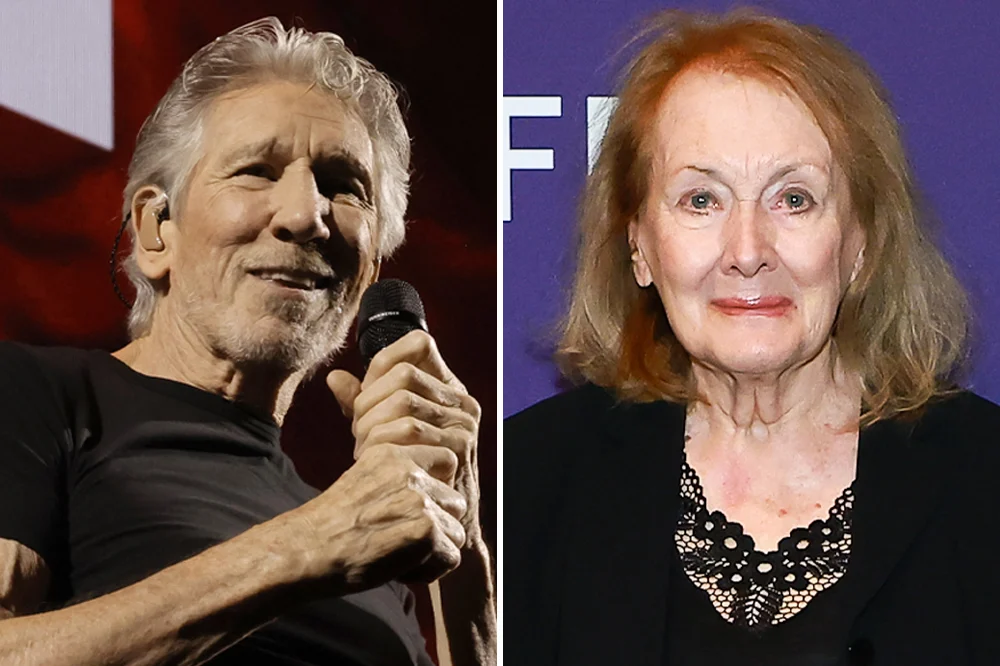
As the cinematic world turns its gaze toward the historic canals of the Lido, the 83rd Venice Film Festival finds itself once again at the intersection of high art and high-stakes geopolitics. A high-profile collective, Venice4Palestine, has issued a sweeping open letter signed by an array of global cultural luminaries—including Nobel Prize-winning author Annie Ernaux, Pink Floyd co-founder Roger Waters, and acclaimed directors Isabel Coixet and Matteo Garrone—urging the festival organizers to take "concrete action" in support of Palestine.
This latest manifestation of activist pressure highlights an ongoing tension between the festival’s mandate as a celebration of global storytelling and its role as a platform for political discourse. As the September 2–12 event approaches, the industry is bracing for what promises to be an emotionally charged edition.
The Call to Action: A History of Advocacy
The Venice4Palestine collective is not new to this stage. Having launched a similar initiative last year, the group has evolved its tactics and broadened its coalition. In the previous iteration of their campaign, the collective focused on specific, targeted demands, such as urging the Venice Biennale—the parent organization overseeing the film festival—to rescind invitations to high-profile actors like Gerard Butler and Gal Gadot, citing their previous public support for the State of Israel.
This year’s appeal is broader in scope, reflecting a sense of urgency regarding the humanitarian crisis in Gaza. The collective’s latest missive reads: "One year after its first appeal, Venice4Palestine is once again calling on the Venice Biennale, the Venice International Film Festival and professionals across the film, audiovisual and cultural sectors to take concrete action in support of Palestine."
The letter explicitly requests that the festival fly the Palestinian flag throughout the duration of the event. Organizers argue that this symbolic gesture would serve as a necessary acknowledgment of the Palestinian presence in the festival’s official selection. Specifically, they point to two films currently in the lineup: Ahmed Hassouna’s Citizen Osama, which offers an intimate, harrowing look at a photographer navigating the dual burdens of fatherhood and journalism amidst the war in Gaza, and Muayad Alayan’s Conversation with the Sea, a narrative feature depicting the life of a 60-year-old Palestinian man struggling against the complexities of Israeli bureaucracy.
Chronology of a Contested Space
The Venice Film Festival has long served as a mirror for global tensions, but the last two years have marked a distinct shift toward more direct, visceral engagement with the Israeli-Palestinian conflict.
- 2023: The Catalyst: The festival saw an unprecedented outpouring of emotion when Kaouther Ben Hania’s The Voice of Hind Rajab premiered. The film, which documents the tragic events surrounding the death of a young girl in Gaza, received a 22-minute standing ovation—the longest in the festival’s history. This moment signaled that the audience was not merely there for escapism, but for witnessing and collective mourning.
- Late 2023 – Early 2024: Following the festival, the Venice4Palestine group solidified its structure, moving from ad-hoc protest to an organized pressure group within the European film circuit.
- August 2024: The announcement of the 2024 lineup included No Other Land, a documentary directed by Yuval Abraham and Rachel Szor. Shot on the rooftops of Tel Aviv, the film provides an unflinching look at what the filmmakers describe as the "systems behind Israel’s calculated mass killing of Palestinian civilians in Gaza." The inclusion of this film in the competitive lineup suggests that festival programmers are willing to host the debate, even if it invites significant backlash.
- September 2024: The current escalation. With the letter’s release and the upcoming panel discussion, the festival is positioned to be a flashpoint for the ongoing cultural debate regarding the role of artists in times of war.
Supporting Data and the Cultural Vanguard
The signatories of the Venice4Palestine letter represent a cross-section of the most influential voices in contemporary art. Beyond Ernaux, Waters, Coixet, and Garrone, the list includes filmmaker Céline Sciamma, artist Nan Goldin, screenwriter Paul Laverty, and actors such as Saleh Bakri and Jasmine Trinca.
The inclusion of Italian cultural icons—among them Anna Foglietta, Fabrizio Gifuni, Greta Scarano, and Luigi Lo Cascio—is particularly significant. By involving local talent, the collective is putting direct pressure on the Italian cultural apparatus, forcing a dialogue within the host nation’s own film community.
The collective has also organized a high-level panel entitled "And Yet Gaza Continues to Burn — What Is the Point of Seeing if We Do Not Act?" Scheduled for September 8 under the auspices of the Giornate degli Autori (Venice Days) section, the panel will feature international law experts and representatives of the Global Sumud Flotilla, a group known for its efforts to deliver humanitarian aid to Gaza by sea. This move signals a transition from artistic expression to political advocacy, as the festival is now being used as a platform for activists to present legal and humanitarian arguments alongside cinematic works.
Official Responses and Institutional Silence
To date, the Venice Film Festival and the Biennale have maintained a stance of official silence. In the world of high-level film festivals, neutrality is often viewed as a protective measure to ensure that the event remains an "open" space for diverse viewpoints. However, in the current climate, silence is increasingly being interpreted as a political stance in itself.
Industry observers note that the festival organizers are in an unenviable position. By selecting films like No Other Land and Citizen Osama, the festival is clearly attempting to uphold its reputation for championing political cinema and truth-telling. Yet, by resisting the demands of groups like Venice4Palestine—such as the flying of the Palestinian flag—the festival risks alienating the very creative class that provides it with its prestige and cultural currency.
Historically, the Venice Film Festival has not shied away from controversy. It has frequently premiered films that criticize state power and address human rights abuses. However, the intensity of the current conflict has strained the traditional "art-first" approach. The festival’s leadership must now decide whether to engage with the specific, symbolic demands of the protestors or continue to rely on the films themselves to represent the political landscape.
Implications: The Future of the Festival Circuit
The fallout from the Venice4Palestine campaign will likely have implications far beyond the Lido. If the festival chooses to accommodate any of the demands—or, conversely, if it chooses to censor or suppress the planned panel discussions—it will set a precedent for other major festivals, including Cannes, Berlin, and Toronto.
- The Politicization of Programming: We are entering an era where festival lineups are increasingly scrutinized for their stance on global conflicts. Festivals can no longer expect to program "political films" without being held accountable for the wider political activities of the institution itself.
- The Power of the Collective: The Venice4Palestine letter demonstrates that artists are increasingly willing to use their brand and their attendance as leverage. This shift mirrors the #MeToo movement in its ability to force institutional policy changes through public discourse.
- The Audience’s Role: The 22-minute ovation for The Voice of Hind Rajab proved that audiences are actively seeking out films that validate their humanitarian concerns. The festival, therefore, is not just a commercial event; it is a mass-participation event where the audience holds significant power to amplify or diminish specific narratives.
As the 83rd edition of the festival begins, all eyes will be on the red carpet and the press rooms. Will the organizers offer a nod to the protesters, or will they maintain the stoic detachment that has defined their administration for years?
One thing is certain: for the creators, the journalists, and the activists descending upon Venice this September, the films are only half the story. The real drama will unfold in the spaces between the screenings, in the quiet debates of the Giornate degli Autori, and in the enduring question of whether the festival remains an ivory tower of cinema or a front line for the moral concerns of the 21st century.
As the world watches, the Venice Film Festival remains a crucible. Whether it produces a moment of unity or a deeper fracture remains to be seen, but the urgency of the voices calling for action suggests that the status quo is no longer an option. The film festival, long an escape from reality, is now inextricably bound to it.










