Reynand Wu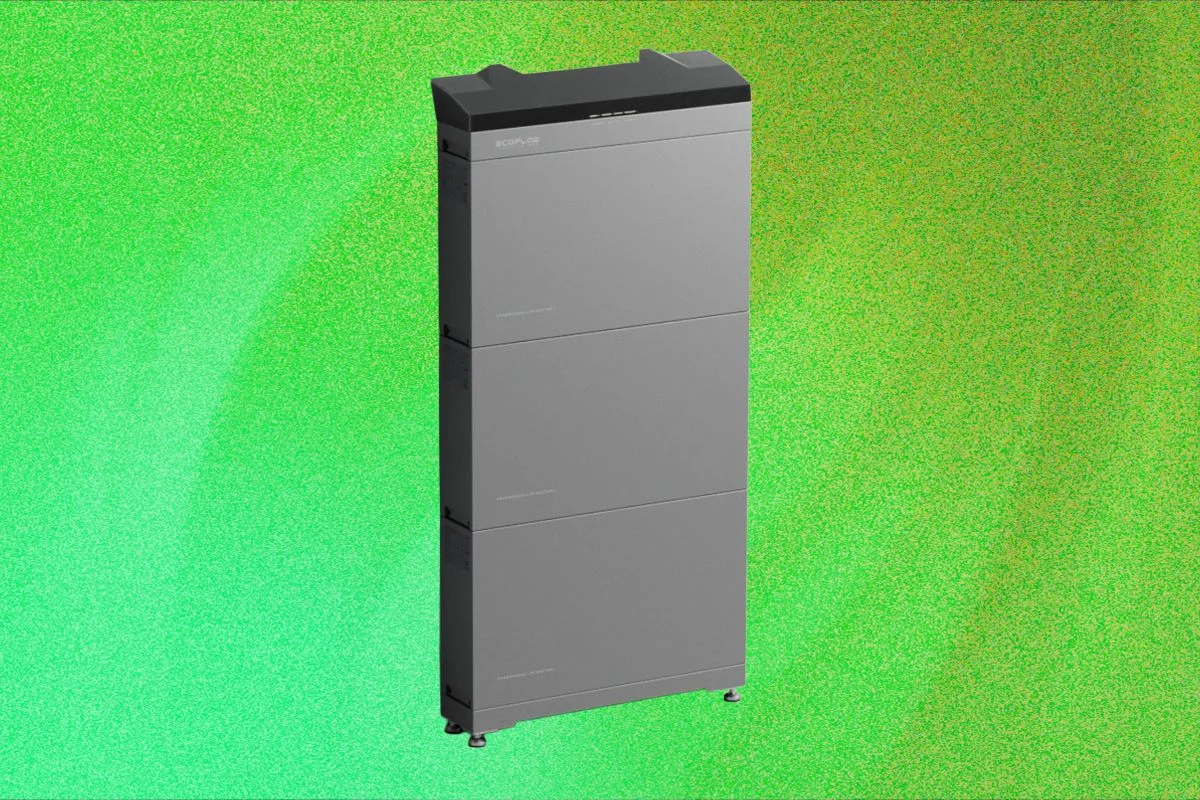
As the global energy landscape shifts toward electrification, residential battery storage has emerged as a cornerstone of the modern, sustainable home. For homeowners juggling the demands of electric vehicles (EVs), air-source heat pumps, and a growing reliance on digital infrastructure, the ability to store and manage power locally is no longer just a luxury—it is becoming a necessity.
However, the path to energy independence is paved with technical, regulatory, and logistical hurdles. This guide, based on real-world implementation, explores the intricacies of integrating systems like the EcoFlow PowerOcean into a residential setup.
Main Facts: The Anatomy of a Home Battery Setup
Integrating a residential battery system is far more than a "plug-and-play" experience. It requires a fundamental assessment of your home’s electrical backbone.
Infrastructure Requirements
Before purchasing hardware, homeowners must evaluate their existing electrical panels. High-draw appliances—such as EV chargers, heat pumps, and induction stoves—place a heavy load on the grid connection. In many cases, this necessitates an upgrade to the electrical service.
In the UK, for instance, this involves coordinating with a Distribution Network Operator (DNO). In the United States, homeowners must liaise with their local electric distribution utility. This process may involve upgrading the "cut-out" (the main service point) and installing a larger fuse to handle the increased load. While these upgrades are sometimes provided free of charge, the administrative process can be lengthy.
Selecting the Right Hardware
The EcoFlow PowerOcean, which has gained traction for its 15-year warranty and modular design, serves as a prime example of modern storage solutions. Key considerations when selecting a system include:
- Modularity: The ability to scale capacity as your energy needs grow. The PowerOcean, for example, is expandable up to 45 kWh.
- Form Factor: At just 188 millimeters (7.5 inches) deep, the system is designed to be unobtrusive.
- Environmental Resilience: While garages and basements are ideal for protecting batteries from extreme temperatures, modern units often include built-in heating elements to maintain performance during freezing conditions.
- Inverter Compatibility: Opting for a hybrid inverter allows for seamless integration if you plan to add solar panels in the future.
Chronology: From Planning to Power-On
The journey toward residential energy autonomy follows a structured timeline. Understanding these stages is critical for managing expectations.
Stage 1: The Pre-Installation Assessment
The process begins with shopping for an installer. It is vital to solicit multiple quotes and verify credentials. During the initial site visit, a professional installer will evaluate the proposed location—ensuring it is structural sound, ventilated, and within reach of the main fuse board.

Stage 2: Regulatory Approvals
Once an installer is chosen, they typically manage the DNO/utility communication. This phase involves submitting technical data about the inverter and battery system to ensure it meets grid safety standards. Approval can take anywhere from a few weeks to several months, depending on local demand and the complexity of the grid connection.
Stage 3: The Installation
For most residential setups, the physical installation is completed within a single day. This involves mounting the battery units, wiring them to the inverter, and establishing the connection to the household’s primary consumer unit (fuse box).
Stage 4: Configuration and Integration
Once the hardware is live, the final step is software configuration. Using smartphone apps provided by the manufacturer, users can set charging schedules based on time-of-use tariffs. For example, a user on an "Intelligent" EV tariff can program the system to draw power from the grid during off-peak hours (e.g., 11:30 pm to 5:30 am) and discharge that energy during the high-cost daylight hours.
Supporting Data: Why Capacity Matters
One of the most common pitfalls in home energy storage is underestimating capacity. While a 5 kWh or 10 kWh battery may seem sufficient initially, the reality of a modern family’s energy consumption often tells a different story.
The Math of Consumption
Consider a household of four with a home office setup. Between laptops, monitors, kitchen appliances, and the potential for a heat pump, daily consumption can easily exceed 15–20 kWh.
- Small Scale (5–10 kWh): Ideal for basic load-shifting (e.g., running lights and small appliances during peak times).
- Medium Scale (10–20 kWh): Necessary for households with a dedicated EV charger and electric heating.
- Large Scale (20+ kWh): Required for true off-grid capability or for households aiming to be fully self-sufficient using solar PV arrays.
Hindsight often reveals that investing in an extra battery module at the time of installation is more cost-effective than adding it later, due to the reduced labor costs and the avoidance of potential compatibility issues.
Official Responses and Industry Standards
Regulatory bodies and utility companies are increasingly supportive of residential battery storage, as these systems help stabilize the grid by reducing peak demand.
Grid Stabilization
Utilities are currently navigating a "two-way" power flow. As more homes generate and store electricity, the grid becomes more complex to manage. Organizations like the Energy Networks Association (ENA) in the UK have set strict standards (such as G98/G99) for how these systems interact with the grid. These regulations ensure that if a power outage occurs, the battery system automatically disconnects to prevent "islanding," which could endanger utility workers repairing the lines.

Warranty and Reliability
The 15-year warranty offered by brands like EcoFlow reflects an industry shift toward long-term product viability. Manufacturers are under increasing pressure to prove the degradation rates of their lithium iron phosphate (LiFePO4) cells, providing homeowners with data-backed confidence in their investment.
Implications for the Future of Home Energy
The adoption of residential storage is a bellwether for the wider energy transition. The implications of this shift are profound.
1. The Rise of the "Prosumer"
We are moving from a world of passive consumers to one of "prosumers"—individuals who produce, store, and trade electricity. As vehicle-to-home (V2H) technology matures, the EV in your garage will eventually act as a massive, mobile battery that can power your home, further increasing the value of the battery storage infrastructure installed today.
2. Economic Efficiency
By leveraging off-peak tariffs, homeowners are effectively insulating themselves against the volatility of global energy markets. While the upfront capital expenditure for a battery system is significant, the long-term reduction in utility bills provides a measurable return on investment.
3. Environmental Impact
Beyond personal savings, residential storage is essential for a greener grid. By storing energy when demand is low (and renewable generation is often high), we reduce the need for fossil-fuel-burning "peaker plants" that are fired up during times of high stress on the electrical network.
Final Recommendations
If you are considering a battery storage system:
- Prioritize the Installer: A great system installed poorly is a liability. Look for installers with specific certifications and strong references.
- Think Long-Term: If you are installing an inverter, ensure it is oversized for your current needs so that adding more battery capacity or solar panels in the future is a simple process.
- Engage with Your Utility Early: Do not wait until the day of installation to think about grid permissions. Start the dialogue with your local utility as soon as you have a tentative quote.
- Embrace the Software: The true power of these systems lies in their automation. Spend time optimizing your charging schedules based on your specific lifestyle patterns to maximize savings.
The transition to a decentralized energy model is complex, but the technology is now mature enough to make it a reality for any homeowner willing to invest in their future. By viewing the battery not as an isolated purchase, but as the heart of a comprehensive home ecosystem, you can ensure that your transition to sustainable energy is both efficient and future-proof.

 Jia Lissa
 Asro
Asro