

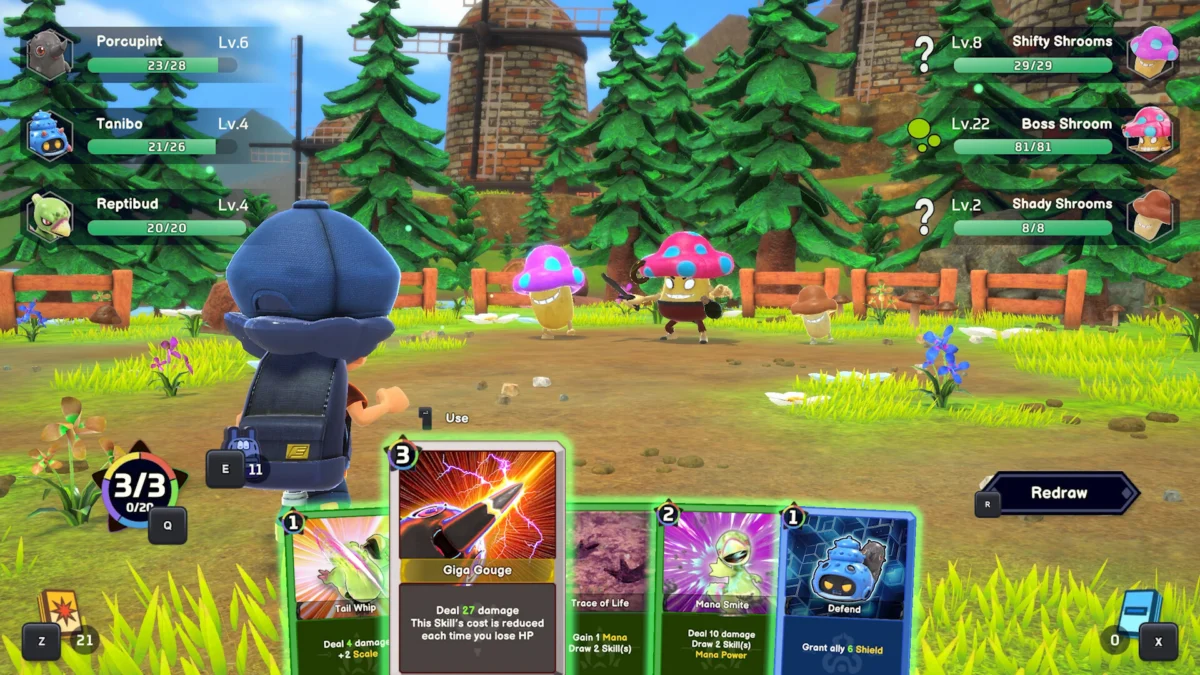
In the ever-evolving landscape of indie gaming, few genres have seen as much explosive growth as the roguelike deckbuilder. This week, the genre welcomes a vibrant, fresh contender to the fray: Serial World. Developed by the newly minted indie outfit Serial Project and published by Kakehashi Games, the title has officially dropped a playable demo for Windows PC via Steam. The release coincides with the much-anticipated Steam Deckbuilder’s Fest, offering players a limited-time window to explore its whimsical, cartoonish depths before the demo concludes on May 11th.
The Core Offering: What is Serial World?
Serial World presents itself as a hybrid RPG that masterfully marries the strategic depth of card-based deckbuilding with the unpredictable, high-stakes nature of roguelike dungeon crawling. The game’s premise is deceptively charming: players step into the shoes of Milo, a young protagonist living in the seemingly idyllic town of Bricktown. However, beneath the colorful, nostalgic art style lies a darker narrative hook. Bricktown is plagued by a series of unexplained disappearances, and it falls upon Milo to uncover the truth behind these vanishing citizens.
The demo provides a curated slice of this experience, introducing players to a trio of "Anima"—creatures that act as the backbone of the player’s tactical arsenal. These companions, known as Porcupint, Tanibo, and Reptibud, each bring distinct personalities and specialized skill sets to the battlefield. By mixing and matching these abilities, players are encouraged to experiment with deck compositions to survive the procedurally generated challenges of the dungeon.
A Legacy of Excellence: The Serial Project Pedigree
While Serial Project may be a new name on the indie scene, the studio is built upon a foundation of significant industry experience. The team is spearheaded by two veterans of Level-5, the Japanese powerhouse studio renowned for legendary titles such as Professor Layton, Ni no Kuni, and Yo-kai Watch.
Takashi Maeda, serving as the lead programmer, and Sho Kawasaki, acting as the lead artist, bring a distinct aesthetic and technical sensibility to Serial World. This pedigree is immediately apparent in the game’s visual language. The art style feels like a love letter to the golden era of 2000s-era RPGs, utilizing clean, vibrant lines and expressive character designs that evoke a sense of nostalgic comfort, even as the gameplay pushes players toward tactical mastery. The transition of these seasoned developers from a major studio environment to the agile, creative freedom of an indie team is a compelling narrative in itself, mirroring a growing trend of industry veterans seeking to reclaim the joy of smaller-scale, passion-driven development.
Chronology of Development and Release
The journey of Serial World has been relatively rapid, reflecting the streamlined development cycles often found in smaller, dedicated indie teams.
- Formation of Serial Project: Following their departure from Level-5, Maeda and Kawasaki established Serial Project to pursue a vision of a game that combined the accessibility of classic RPGs with the replayability of modern deckbuilders.
- Announcement and Partnership: Early 2026 saw the official announcement of the partnership with Kakehashi Games, a publisher known for bringing unique Japanese indie titles to a global audience.
- Technical Refinement: Throughout early 2026, the team focused on balancing the "Anima" combat system, ensuring that the deckbuilding mechanics felt rewarding for both newcomers and veterans of the genre.
- Steam Deckbuilder’s Fest Debut: The release of the public demo on May 5th, 2026, marks the first time the general public has had hands-on experience with the title. This milestone serves as a crucial "stress test" for the game’s mechanics, allowing the developers to gather feedback during the Steam Deckbuilder’s Fest window.
- Post-May 11th: Once the demo period concludes, the team is expected to iterate on player feedback, refine character balance, and finalize the narrative beats for the full release.
Tactical Depth: Exploring the Mechanics
The heart of Serial World lies in its turn-based combat. Unlike traditional RPGs where skills are static, Serial World requires players to build a deck of maneuvers. Each Anima companion brings specific cards into the deck, meaning that the composition of your party directly dictates your strategic options.
The Anima System
- Porcupint: A defensive stalwart capable of mitigating incoming damage, serving as the frontline protector.
- Tanibo: A versatile utility creature designed to manipulate turn orders and apply status effects.
- Reptibud: The primary damage dealer, utilizing high-risk, high-reward moves to whittle down enemy health pools.
The synergy between these three is the key to the game’s difficulty curve. As players delve deeper into the randomized dungeons, they will encounter increasingly complex enemy formations that force them to adapt their deck on the fly. The "search for the exit" mechanic adds a layer of time-sensitive pressure, preventing players from stalling and forcing them to make difficult choices between exploring for loot or pushing toward the objective to conserve health.

Industry Implications: The Rise of the "Nostalgia Hybrid"
The release of Serial World highlights a fascinating shift in the gaming industry. There is a palpable market hunger for "nostalgia hybrids"—games that utilize the aesthetic warmth of early 2000s RPGs while implementing the rigorous, skill-based mechanics of modern roguelikes.
By targeting a younger audience with "all-ages" branding while simultaneously offering the mechanical depth that hardcore strategy fans crave, Kakehashi Games and Serial Project are positioning the title as a potential "gateway" game. If successful, Serial World could prove that indie studios do not need to mimic the grim-dark aesthetics often associated with roguelikes to be taken seriously by the core gaming demographic.
Furthermore, the involvement of former Level-5 talent highlights the increasing permeability of the "AAA to Indie" pipeline. As the costs of large-scale development continue to rise, the ability of high-level creators to condense their expertise into focused, tight, and highly playable experiences is a trend that is likely to continue.
Looking Ahead: The Future of Bricktown
For those currently engaging with the demo, the path forward is clear: the developers are looking for constructive criticism. The current iteration is described as an "energetic preview," suggesting that the full game will likely feature more biomes, a larger roster of Anima to collect, and a more expansive narrative regarding the disappearances in Bricktown.
The decision to limit the demo to the duration of the Steam Deckbuilder’s Fest is a clever marketing strategy. It creates a sense of scarcity and urgency, encouraging players to download and engage with the game immediately rather than letting it sit in a backlog. It also ensures that the feedback received is concentrated within a short period, allowing the developers to implement changes more effectively.
As the May 11th deadline approaches, the gaming community will be watching closely to see how the reception of Serial World shapes its final trajectory. With a solid foundation, a veteran creative team, and a genre-popularized hook, Serial World is well-positioned to be one of the indie breakout hits of the year. Whether you are a fan of tactical deckbuilders or simply a lover of the charming, bright RPGs of yesteryear, this title is one to keep on your radar.
Players interested in participating in the demo can find it on the official Serial World Steam page. The game serves as a testament to the fact that, regardless of how much time passes, the allure of a good mystery, a colorful world, and a well-played card will always find an audience.











No comments yet. Be the first to join the conversation!