
The landscape of portable high-fidelity audio has shifted dramatically over the past few years. As smartphone manufacturers continue to strip away dedicated headphone jacks, the humble "dongle DAC"—a digital-to-analog converter and amplifier the size of a thumb—has become an essential accessory for audiophiles and casual listeners alike. Today, Aful, a brand that has rapidly made a name for itself with its high-performance In-Ear Monitors (IEMs), is shaking up the entry-level market with its latest release: the Ember-01.
Priced at an aggressive $89.99, the Ember-01 promises to bridge the divide between clinical, high-resolution audio processing and the functional requirements of modern smartphone and gaming usage. But is this device truly a game-changer, or just another shiny accessory in a crowded market?
The Genesis of the Ember-01: A New Design Language
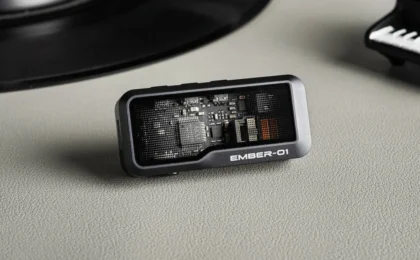
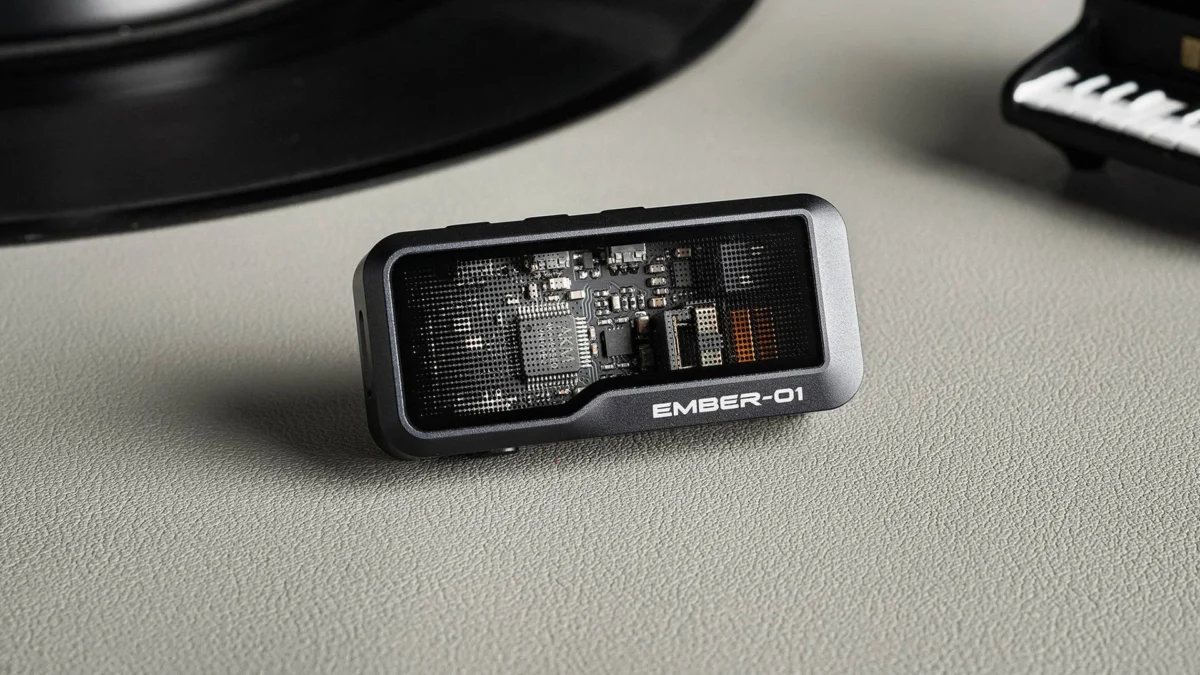
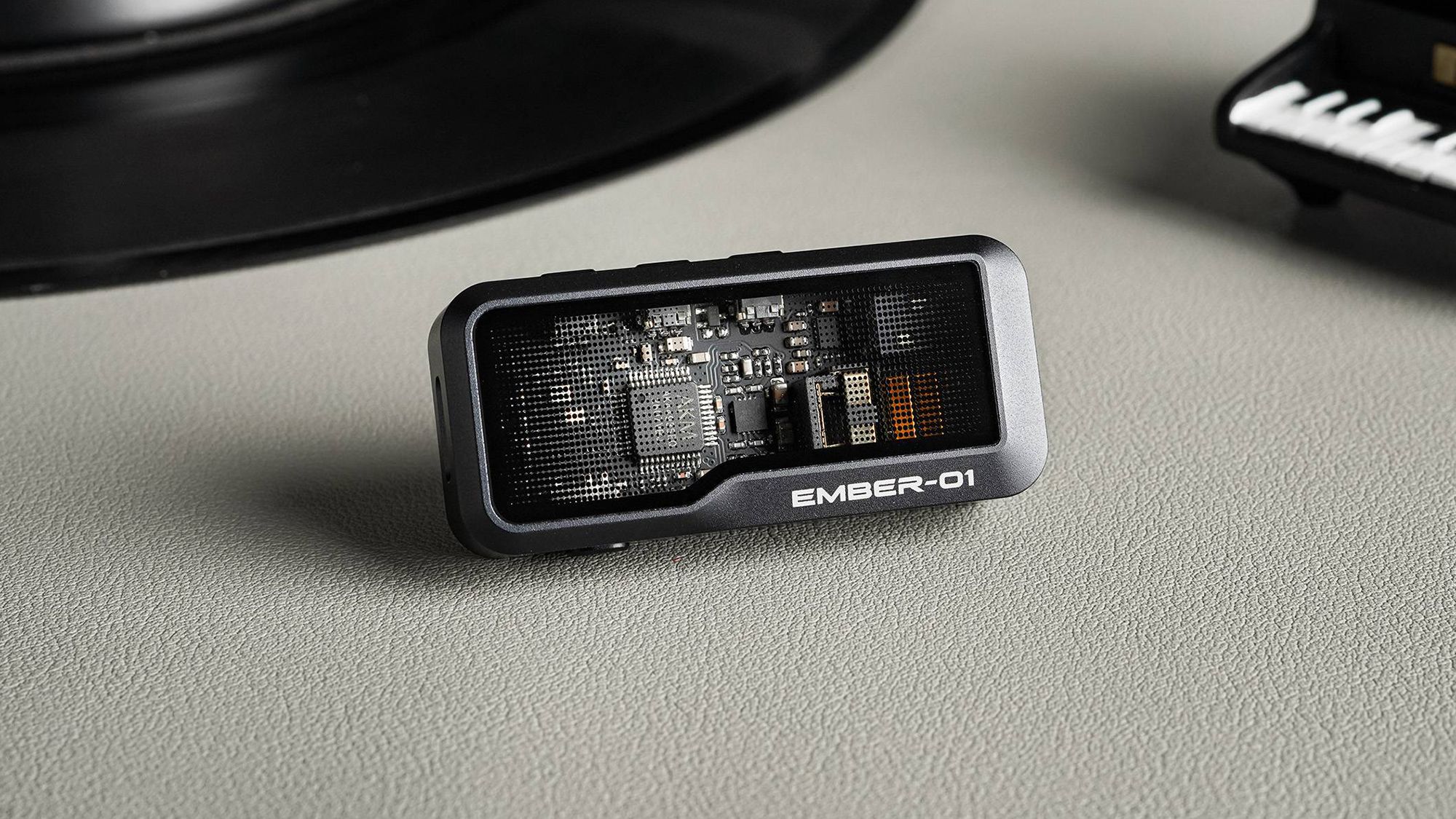
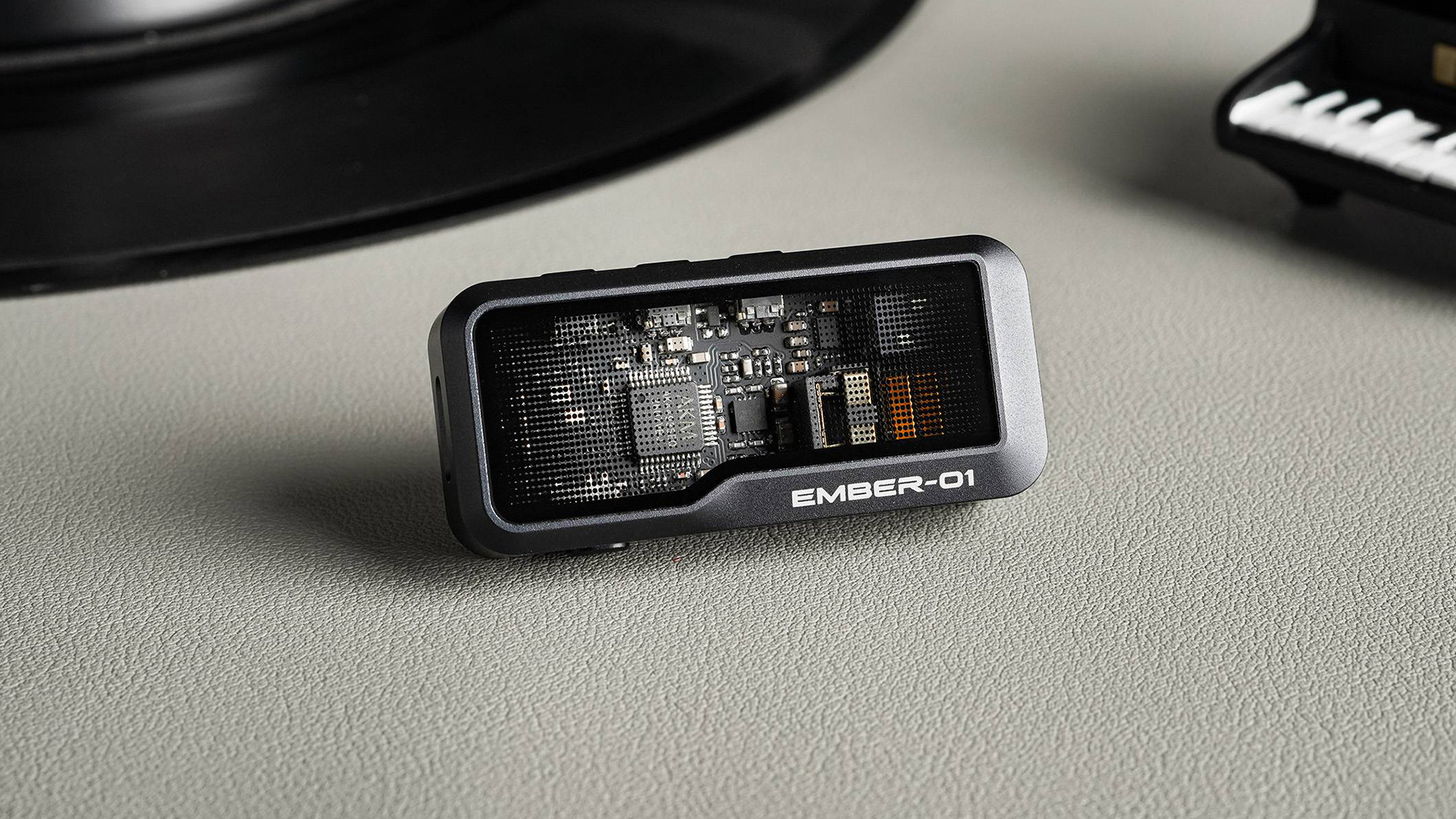
Aful’s entry into the DAC/Amp market is not merely about internals; it is a clear attempt to capture the "audiophile aesthetic." While many competitors opt for utilitarian, brushed-aluminum blocks, the Ember-01 leans into a more evocative design. The chassis is crafted from a premium metallic alloy, but the standout feature is its transparent glass panel.
This window into the device reveals the internal circuitry, accented by a bitrate-reactive RGB light. This visual feedback serves a dual purpose: it adds a layer of "cool factor" for the gaming and enthusiast crowds, while providing immediate, at-a-glance confirmation of the signal quality being processed. It is a bold design choice that signals Aful’s intent to cater to a demographic that values form as much as function.
Technical Specifications: Power Beneath the Glass
Under the hood, the Ember-01 is far from a budget-grade device. Aful has opted for the reliable and highly regarded AKM AK4493SEQ DAC chip. This is paired with a CB5100 Pro USB bridge, ensuring that the device can handle high-resolution playback with ease.
Key Performance Metrics:
- Resolution Support: Up to 32-bit/768kHz PCM and native DSD512.
- Connectivity: Supports UAC 1.0, making it compatible with legacy systems and, crucially, modern gaming consoles like the Nintendo Switch.
- Output Power (3.5mm Single-Ended): 125mW, with full support for headset microphones.
- Output Power (4.4mm Balanced): 500mW into 32 ohms, providing significant overhead for more demanding audiophile headphones.
- Dynamic Range: 121dB.
The inclusion of a 4.4mm balanced output capable of pushing 500mW is particularly noteworthy at the sub-$100 price point. It essentially allows the Ember-01 to drive full-sized planar magnetic headphones and sensitive IEMs with equal poise, a level of versatility that was once reserved for much more expensive desktop units.
Chronology of the Launch and Software Hurdles
The release of the Ember-01 has been marked by both excitement and the typical growing pains associated with software-integrated hardware.
Phase 1: The Tease. In the weeks leading up to the release, Aful hinted at a device that would bring "desktop-class" features to a mobile form factor. The focus was heavily placed on the 10-band Parametric Equaliser (PEQ).
Phase 2: The Official Launch. Upon the product’s official market entry, early adopters were quick to praise the hardware build quality and the physical gain switch—a tactile, hardware-level adjustment that bypasses the need for software menus to toggle power levels.
Phase 3: The Software Gap. As with many high-tech audio releases, the reality of the software ecosystem lagged behind the physical hardware. At launch, the promised Android application for controlling the 10-band PEQ was not fully functional. Users were forced to rely on a web-based interface for customizing their audio filters. While this provided the necessary functionality, it removed the "on-the-fly" convenience that the product was marketed to provide.
Bridging the Gap: The PEQ Advantage
The most compelling argument for the Ember-01 is its built-in 10-band Parametric Equaliser. Unlike standard "Graphic EQ," which moves fixed frequency bands, a Parametric EQ allows the user to select the center frequency, the "Q" factor (the width of the adjustment), and the gain level.
This level of control is essentially a "golden ticket" for audiophiles. It allows a user to take a pair of headphones with a slightly dark or overly bright sound signature and perfectly flatten the response to their personal preference. When this feature is fully implemented via a stable mobile app, it will move the Ember-01 from being a mere DAC to a sophisticated audio processing engine.
Implications for the Portable Audio Market
The Ember-01 represents a broader trend in the audio industry: the democratization of high-end features. Only a few years ago, a 500mW balanced output and a user-customizable hardware PEQ would have cost the consumer upwards of $300 to $500. By pushing these specs into the $90 range, Aful is forcing competitors to reconsider their pricing structures.
Furthermore, the focus on "gaming-friendly" features—such as UAC 1.0 support and microphone integration—shows that manufacturers are finally acknowledging that the "audiophile" is also a gamer and a remote worker. The Ember-01 isn’t just for listening to lossless FLAC files; it’s for taking conference calls and playing The Legend of Zelda with superior immersion.
Official Stance and User Experience
Aful has been transparent regarding the software limitations. In communications following the launch, the company acknowledged that while the hardware is performing to spec, the software suite is undergoing iterative updates to ensure stability across the fragmented Android ecosystem.
For the average consumer, this raises a pertinent question: Is it worth buying now?
If you are a hardware enthusiast who enjoys tweaking your sound signature via desktop interfaces, the Ember-01 is an immediate recommendation. Its build quality, raw power, and the sheer clarity of the AKM chip make it a formidable performer. However, if your primary goal is a "plug-and-play" mobile experience with a seamless app, you may wish to wait for the next firmware update and the official Android app rollout.
Conclusion: A Small Package with Big Ambitions
The Aful Ember-01 is a testament to the current state of consumer audio. It is a device that prioritizes the "hard" specs—DAC quality, power delivery, and build integrity—while venturing into the "soft" world of customizable software.
While the software rollout has been less than perfect, the fundamental audio performance is undeniable. For $89.99, it is difficult to find a device that offers this much flexibility, power, and genuine, transparent character. As Aful continues to refine the Ember-01’s software ecosystem, it is poised to become one of the most significant "budget" audio products of the year.
For those looking to step up their audio game without breaking the bank, the Ember-01 is, quite simply, a brilliant piece of engineering that proves you don’t need to spend a fortune to hear the difference. Whether you are driving high-impedance headphones or just trying to get the best out of your daily-driver earbuds, Aful has provided a versatile, stylish, and incredibly capable solution.
As we look toward the future, the success of the Ember-01 will likely hinge on how quickly the company can polish its software interface. If they manage to deliver a stable, intuitive app experience, they will have successfully bridged the gap between the professional studio and the casual listener’s pocket. For now, the hardware stands tall as a beacon of what is possible in the modern era of high-fidelity portable audio.