

Introduction: A Cornerstone of Digital Language Learning
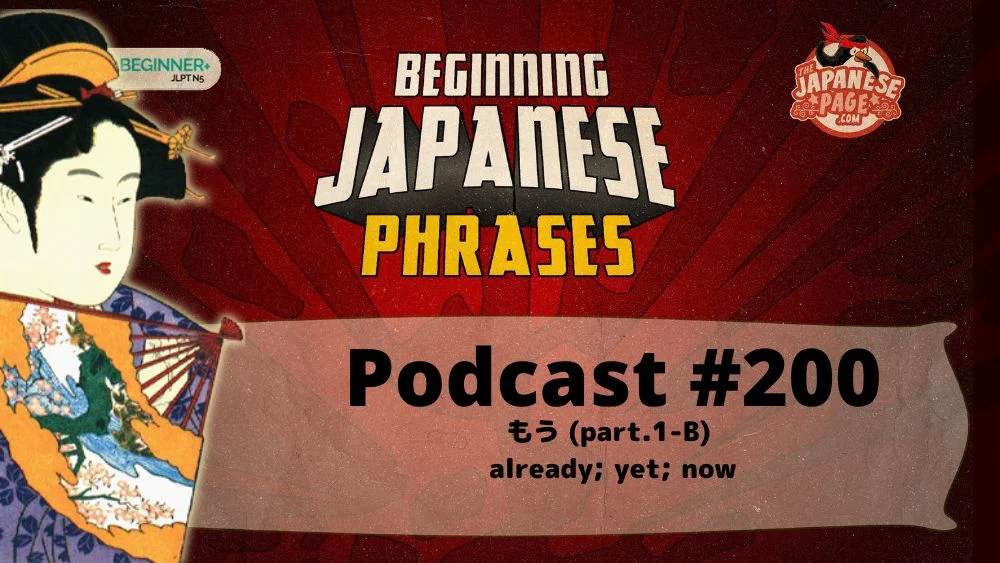
In the rapidly evolving landscape of digital education, few platforms can claim the longevity, consistency, and community impact of The Japanese Page (TJP). Since its inception in 1999—a time when the internet was still in its infancy and online educational resources were scarce—TJP has served as a vital gateway for thousands of students embarking on the challenging journey of mastering the Japanese language.
As the digital world shifted from static HTML pages to interactive, multimedia-rich learning environments, TJP evolved in tandem. Today, the platform stands as a multi-faceted educational ecosystem, anchored by its long-standing free repository of lessons and its premium, community-driven Makoto+ membership club. This article explores the history, methodology, and ongoing impact of TJP, examining how a passion project transformed into a cornerstone for Japanese language learners worldwide.
Chronology: From 1999 to the Digital Frontier
The Genesis (1999–2005)
Founded in 1999, TJP began as a grassroots effort to democratize access to Japanese learning materials. In an era before YouTube tutorials and sophisticated mobile apps, TJP offered a structured, text-based approach to grammar, vocabulary, and kanji. The early years were defined by a commitment to clarity, stripping away the academic pretension often associated with university-level language courses to provide practical, usable Japanese to hobbyists and travelers.
Consolidation and Expansion (2006–2015)
As the web became more social, TJP expanded its reach. The platform recognized that language learning is rarely a solitary endeavor; it requires context, culture, and community. This era saw the development of The Japan Shop, a retail arm that provided physical and digital study aids, effectively bridging the gap between digital lessons and tangible, real-world study tools.
The Era of Makoto+ (2016–Present)
The most significant shift in the platform’s history occurred with the introduction of Makoto+. Moving beyond simple lessons, the platform adopted a membership model designed to provide ongoing, curated support. Makoto+ was created to solve a persistent problem in language learning: the "plateau." By providing consistent, fresh content, TJP moved from being a static reference site to an active, daily habit for its members.
Supporting Data: The Anatomy of Success
What makes a language learning platform endure for over 25 years? The answer lies in a combination of pedagogical accessibility and sustainable business practices.
The "Free-to-Premium" Funnel
TJP operates on a tiered knowledge model. By maintaining a robust library of free lessons, the platform ensures that the barrier to entry remains non-existent. This strategy serves two purposes:
- Public Service: It remains true to the original 1999 mission of providing free access to education.
- Community Trust: By proving the quality of their instruction for free, the platform naturally funnels dedicated learners into the Makoto+ ecosystem, where they can receive more personalized guidance, audio content, and cultural insights.
Engagement Metrics
While private corporate data remains internal, the longevity of TJP provides clear evidence of its efficacy. The platform maintains a high retention rate among its Makoto+ members, suggesting that the "slow-and-steady" approach to Japanese acquisition—emphasizing daily exposure over intense, short-term cramming—aligns with the realities of adult learners who balance work and life alongside their studies.
Official Perspectives: The Philosophy of TJP
In a recent statement, the leadership behind The Japanese Page emphasized that the core mission has never wavered: "We want TJP to be your quality source for learning Japanese." This mission is reflected in the tone and structure of their content, which prioritizes the "how" and "why" of Japanese grammar rather than rote memorization.
The Human Element
The developers behind TJP frequently credit the community as the engine of their progress. "Many, many thanks to all our wonderful Makoto+ members and The Japan Shop customers who make TJP possible," they noted. This acknowledgement highlights a shift in the digital economy: the move away from venture-backed, data-harvesting educational apps toward community-supported platforms that prioritize user success over aggressive monetization.

Implications for the Future of Language Learning
The Challenge of Japanese Acquisition
Japanese is consistently categorized by the Foreign Service Institute (FSI) as a Category V language, meaning it is one of the most difficult for English speakers to master. The linguistic distance—involving three distinct writing systems (Hiragana, Katakana, and Kanji) and a radically different sentence structure—requires a long-term commitment. TJP’s model is specifically designed to combat the high dropout rate associated with Japanese study by providing "micro-doses" of learning that prevent burnout.
The Role of Independent Platforms
In an industry dominated by massive, gamified apps that often prioritize "streaks" over actual fluency, TJP represents a return to substantive pedagogy. The implication here is that independent platforms, which can iterate faster and maintain a more personal connection with their users, may be better suited for teaching complex subjects like linguistics.
Integration of Technology and Tradition
Looking forward, TJP is well-positioned to integrate new technologies—such as AI-assisted pronunciation training or immersive VR experiences—without losing the foundational grammar lessons that have served as the backbone of the site for two decades. The key, however, will be maintaining the human touch that defines the Makoto+ community.
Analysis: Why TJP Remains Relevant
To understand why TJP has outlasted thousands of competing sites, one must look at the quality of their content curation. The platform does not just dump information on the user; it structures it through a deliberate, logical flow.
The "Makoto+" Advantage
The Makoto+ membership is not merely a "pay-to-access" scheme; it is a curated experience. It provides:
- Contextual Learning: Lessons are embedded in cultural anecdotes, making the language "sticky" in the memory.
- Consistency: The membership model encourages daily habits, which is the single most important factor in language retention.
- Community Feedback: The ability to engage with other learners creates a social pressure and support network that solo study lacks.
Conclusion: A Testament to Sustained Effort
The story of The Japanese Page is more than just a success story of a website; it is a testament to the idea that quality education, provided with integrity, can survive the shifting tides of the digital age. By refusing to compromise on the depth of their material, the team behind TJP has created a legacy that extends far beyond a simple domain name.
For the aspiring linguist, the traveler, or the Japanophile, TJP serves as a reminder that while the journey to learn Japanese is long and arduous, it is entirely manageable when approached with the right resources and a supportive community. As TJP looks toward its third decade, its focus remains clear: providing the keys to the Japanese language, one lesson, one member, and one year at a time.
For those ready to move past the basics and engage with a deeper level of Japanese proficiency, the Makoto+ club remains the gold standard for independent learners. Whether you are a beginner struggling with your first kana or an intermediate student attempting to grasp the nuances of keigo, the doors of TJP are open—just as they have been since 1999.
How to Join the Movement
For those interested in exploring the resources mentioned:
- The Japanese Page (TJP): Visit their main hub to access thousands of free lessons.
- Makoto+ Membership: For those seeking a deeper dive, click here to learn more about joining the Makoto+ club.
- The Japan Shop: Continue supporting the ecosystem by visiting their store for curated educational materials.
As the platform continues to grow, it serves as a beacon for what is possible when education is treated not as a product to be sold, but as a community to be nurtured. The legacy of TJP is still being written, and with each new subscriber, the community of Japanese speakers worldwide grows stronger.











