Sagoh
Sagoh
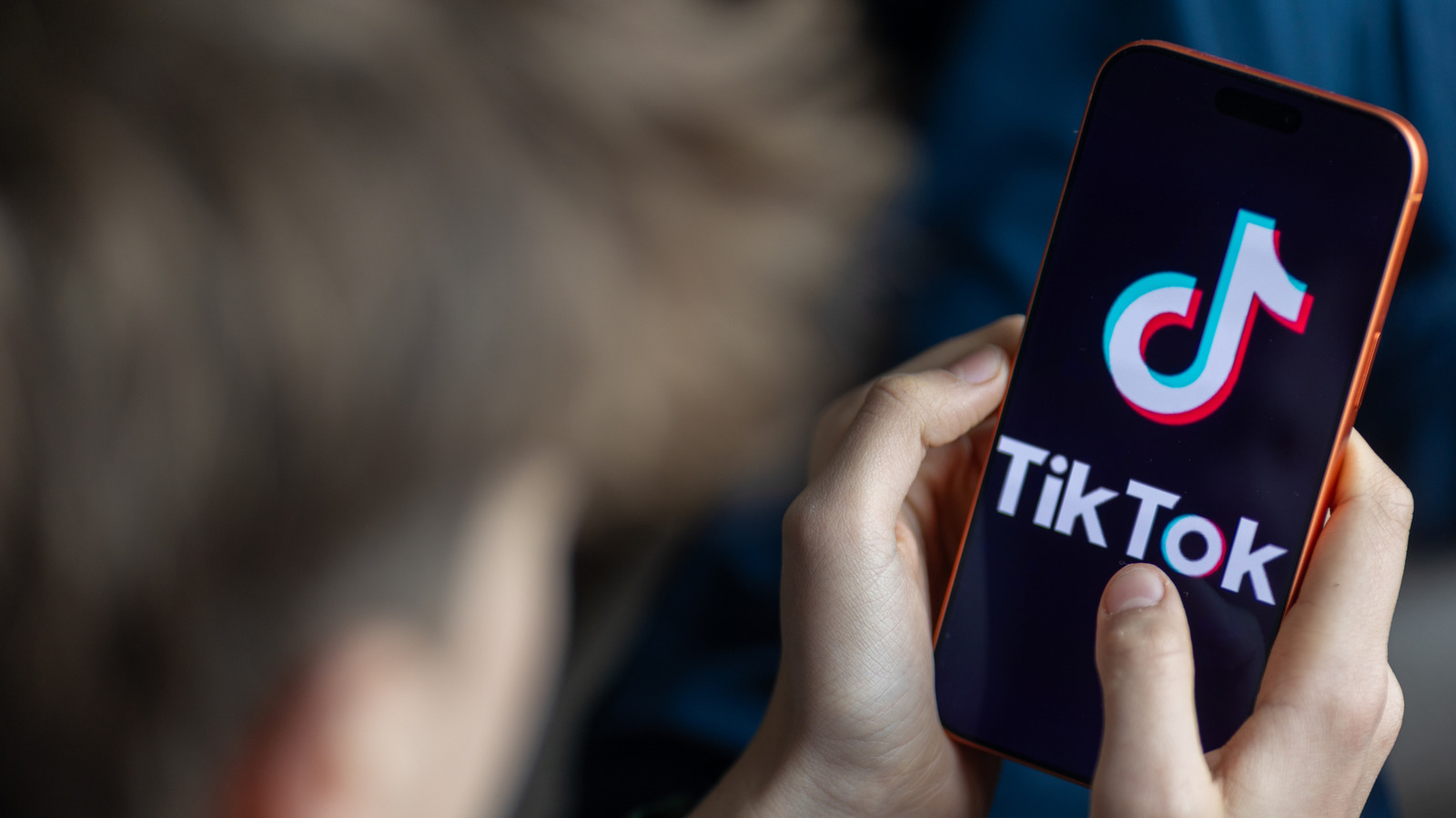
The digital landscape for younger users is undergoing a seismic shift as the European Commission (EC) intensifies its regulatory pressure on short-form video giant TikTok. In a significant move that underscores the strict enforcement of the Digital Services Act (DSA), the European Commission has issued a scathing preliminary finding, asserting that TikTok has failed to implement sufficient safeguards to protect the privacy and safety of minors. The consequences of these findings are substantial, potentially exposing the platform to massive financial penalties amounting to six percent of its global annual revenue.
As regulatory bodies across the globe tighten their grip on "big tech," the European Union’s latest action marks a pivotal moment in the ongoing debate regarding the psychological and physical safety of children in virtual spaces.
The Core Allegations: Privacy and Algorithmic Exposure
The European Commission’s critique centers on two primary technical mechanisms that define the TikTok experience: default account visibility and algorithmic content distribution.
Default Public Visibility
Under the current framework, the EC has highlighted that TikTok accounts belonging to minors are often set to public by default. This design choice effectively allows any user on the platform to view, interact with, and potentially exploit content created by children. The Commission argues that this "public-by-default" setting fundamentally contradicts the requirements of the Digital Services Act, which mandates that platforms accessible to minors must provide a high level of privacy, safety, and security as a core design feature rather than an optional setting.
The "For You" Feed Vulnerability
Beyond static account settings, the Commission has directed its attention toward TikTok’s recommendation engine. The "For You" (FYP) feed, which powers the platform’s viral success, is accused of aggressively surfacing content created by users aged 16 to 17. By amplifying this content to a global, algorithmic audience, the Commission contends that TikTok is inadvertently exposing minors to a heightened risk of cyberbullying, predatory behavior, and unwanted contact from bad actors. The EC’s assessment is clear: the current algorithm does not differentiate sufficiently between adult and minor users, creating a digital environment where the safety of children is secondary to user engagement metrics.
A Chronology of Regulatory Friction
The current standoff is not an isolated incident but the culmination of a long-standing pattern of friction between TikTok and EU regulators.
- Early 2024: The "Addictive Design" Investigation: The European Commission launched formal proceedings against TikTok, focusing on the potential for "addictive design." Regulators pointed to features such as infinite scrolling, autoplay, and aggressive push notifications as mechanisms that exploit the cognitive vulnerabilities of younger users.
- Mid-2024: The Digital Services Act (DSA) Implementation: As the DSA became fully enforceable for "Very Large Online Platforms" (VLOPs), TikTok found itself under the microscope for its risk management practices. The EC began conducting audits into how the platform evaluates the systemic risks posed by its own product features.
- Late 2024: The Preliminary Findings: The EC formally communicated its preliminary findings, stating that the platform’s current mitigation measures are insufficient to meet the legal threshold of the DSA.
- Current Status: TikTok is now entering a period of formal defense, where the company must address these specific grievances. The threat of a six-percent revenue fine serves as the primary lever for the EC to force immediate design changes.
Supporting Data and Global Context
The scrutiny of TikTok is not limited to the borders of the European Union. Similar concerns have been raised by regulatory authorities in the United Kingdom and the United States, highlighting a global trend toward stricter oversight of child-centric digital safety.
The UK’s Stance: Ofcom’s Investigation
The UK’s communications regulator, Ofcom, has echoed the concerns of the European Commission. Their investigations have centered on the effectiveness of TikTok’s parental controls and content moderation systems. Ofcom has publicly stated that TikTok’s current measures are "not effective enough" in preventing harmful content—ranging from self-harm material to inappropriate advertisements—from reaching vulnerable demographics.
The Impact of the Digital Services Act (DSA)
The DSA represents the most ambitious regulatory framework in the digital age. By classifying platforms like TikTok as VLOPs, the EU has granted itself the authority to mandate radical changes to a company’s internal software architecture. The potential six-percent fine is not merely a penalty; it is a signal that regulators are willing to tax non-compliance until the platform’s business model itself is forced to change.
Official Responses and Strategic Adjustments
In response to the preliminary findings, TikTok has maintained a posture of engagement, stating that they are working closely with the Commission to resolve these concerns. Historically, the platform has defended its safety features, pointing to their "Family Pairing" tools and the fact that accounts for users under 16 are restricted from direct messaging.
However, the EC’s current finding suggests that these voluntary measures are insufficient. The Commission has specifically recommended that TikTok:
- Restrict Default Settings: Shift all accounts belonging to minors to "private" by default, ensuring only approved friends can interact with their content.
- Algorithmic Decoupling: Disable the recommendation of content created by minors within the general "For You" feed, effectively siloing minor-created content to ensure it does not reach unknown adults.
Whether TikTok will adopt these changes or choose to challenge the findings in the European Court of Justice remains to be seen. Given the massive financial stakes, the company is likely to attempt a negotiated settlement that involves implementing these technical changes in exchange for a reduction or waiver of the potential fines.
The Implications: A New Era for Social Media Architecture
The standoff between the European Union and TikTok holds profound implications for the future of the internet.
1. The Death of "Privacy as an Option"
For years, social media platforms have relied on the "opt-in" model, where users—or their parents—must navigate complex menus to tighten privacy settings. The EU’s stance suggests a shift toward "privacy by design," where the default state for minors must be maximum protection. This will likely force a industry-wide redesign of social platforms, where age verification and protective barriers are hard-coded into the software.
2. The Algorithmic Reckoning
The focus on the "For You" feed is perhaps the most dangerous development for TikTok. The algorithm is the company’s "secret sauce," responsible for its unprecedented growth. If regulators successfully force TikTok to alter how its algorithm handles content from minors, it could set a precedent for how all algorithms are governed, potentially forcing platforms to prioritize safety over engagement for all users, not just minors.
3. Financial and Operational Risks
The threat of a six-percent fine is catastrophic for a company’s bottom line. If the EC follows through, it would send a clear message to other tech giants—such as Meta, X, and YouTube—that the era of self-regulation is over. The cost of doing business in the EU will now include the cost of complying with aggressive, safety-first engineering requirements.
Conclusion
As the investigation into TikTok continues, the platform stands at a crossroads. It can continue to defend its existing safety measures, or it can fundamentally restructure its core features to satisfy the stringent requirements of the European Union.
The outcome of this confrontation will likely dictate the standard for digital safety for the next decade. While the primary objective is the protection of minors, the secondary effect is the transformation of the social media landscape into one that is increasingly regulated, risk-averse, and heavily scrutinized by state actors. For TikTok, the path forward requires not just minor adjustments to settings, but a complete reassessment of how it interacts with the most vulnerable segment of its user base.


 Suro Senen
 Jia Lissa