Sagoh
Sagoh
The global design community has reached a new milestone as the winners of the Brand Impact Awards 2026 are officially unveiled. Following a rigorous, three-stage evaluation process designed to identify the pinnacle of creative branding, the results celebrate the transformative power of design in culture, commerce, and social advocacy.
This year’s awards saw 29 agencies and 41 projects shortlisted, reflecting a high level of competition. The final tally includes four Gold, 17 Silver, and 31 Bronze winners, each recognized for their ability to push boundaries and redefine how brands interact with the public.
The Pinnacle of Creative Achievement: Best of Show and Social Impact
The most anticipated announcements of the evening were the "Best of Show" and the "Social Impact Award," representing the highest honors a project can receive.
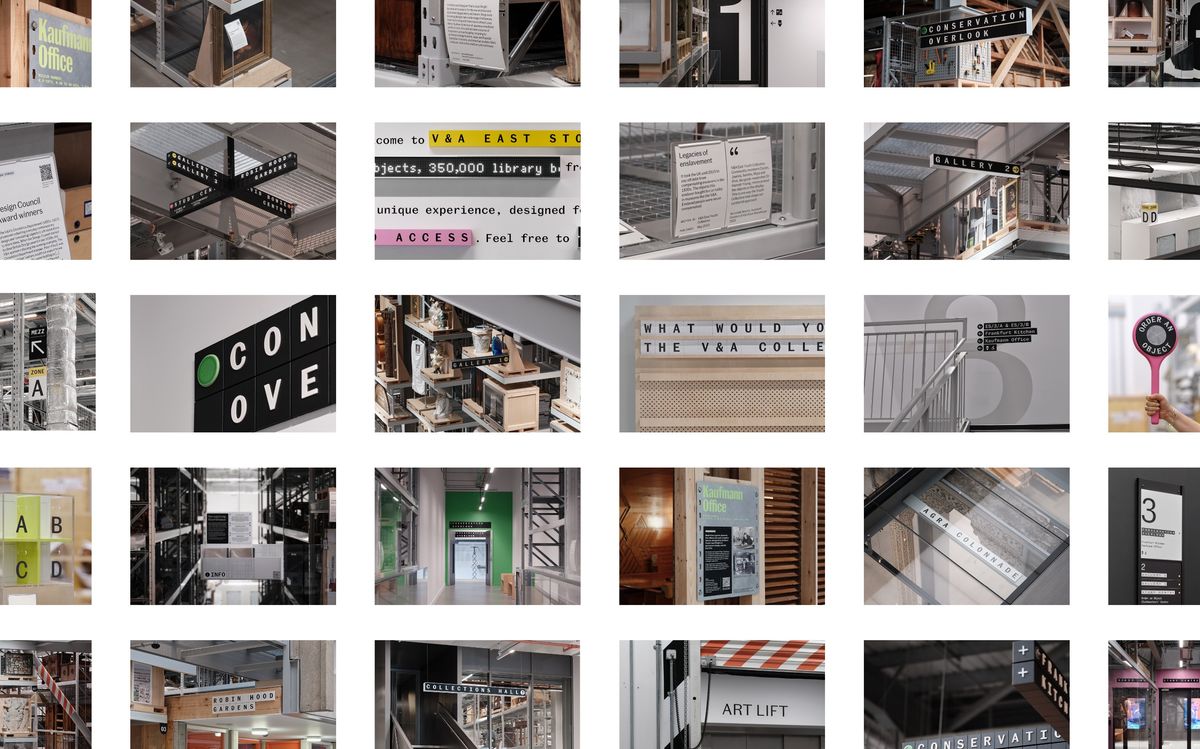
Best of Show: V&A East Storehouse by Fieldwork Facility
The top prize, Best of Show, was awarded to Fieldwork Facility for their revolutionary work on the V&A East Storehouse. The project transforms the traditional museum experience, providing the public with radical, intuitive access to over 250,000 objects, 350,000 books, and 1,000 archives. By treating the museum as an "operating system" rather than a static building, Fieldwork Facility created a modular interface that invites visitors to decode, explore, and "hack" their way through history. One judge noted that the work "completely reinvented what a museum could be," marking it as a benchmark for future institutional design.
Social Impact Award: Where There’s a Tree by Johnson Banks
The Social Impact Award went to Johnson Banks for their WWF campaign, "Where There’s a Tree." In a sector often dominated by "doom and gloom" imagery, Johnson Banks chose a different path. By using a poetic, flexible structure that highlights the intrinsic value of trees—and what is lost when they disappear—the agency reframed the conversation surrounding tropical deforestation. Judges praised the project as an "infinite storytelling device," noting that the campaign’s versatility allowed for deep empathy and pithy, meaningful communication regarding ecological challenges.
A Chronology of Excellence: The Gold Award Winners
The Gold Awards represent the absolute gold standard in branding, selected by a specialist panel tasked with benchmarking the best of the best.
- New York Philharmonic (by JKR): This project successfully repositioned a legacy institution as an inclusive, vibrant force within New York City. By utilizing the city’s own visual vocabulary—such as Manhattan’s verticality—JKR integrated the orchestra into the daily rhythm of the city.
- Rail Clock (by Design Bridge and Partners): Marking the 200th anniversary of Britain’s railway, this experiential project reinvented the station clock. By animating the iconic "Double Arrow" symbol, the agency created a kinetic, functional, and deeply British design that is set to roll out across 2,500 mainline stations.
- Stella Artois – Dressed for Wimbledon (by JKR x GUT Amsterdam): This campaign demonstrated how a brand can respect tradition while innovating. By producing a "White Can" that complied with Wimbledon’s strict dress code, the team created a limited-edition asset that felt both premium and contextually relevant.
- V&A East Storehouse (by V&A East / Fieldwork Facility): Beyond its Best of Show win, this project secured a Gold award for its groundbreaking approach to museum wayfinding and modular design.
Supporting Data and Strategic Implications
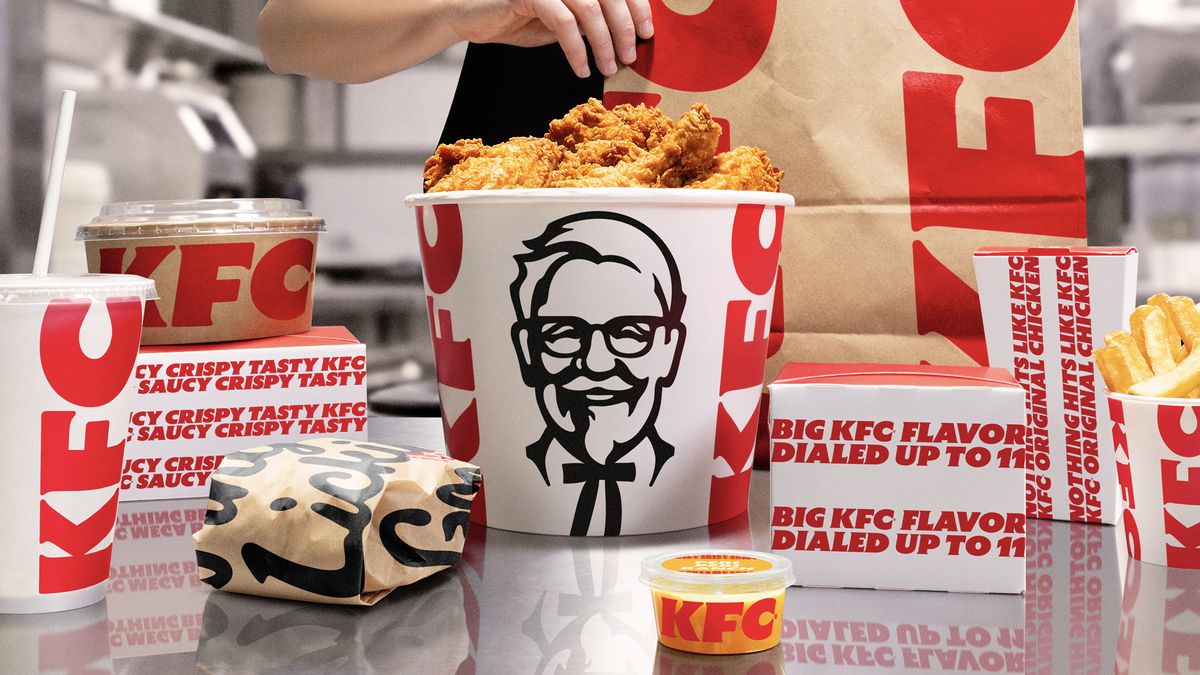
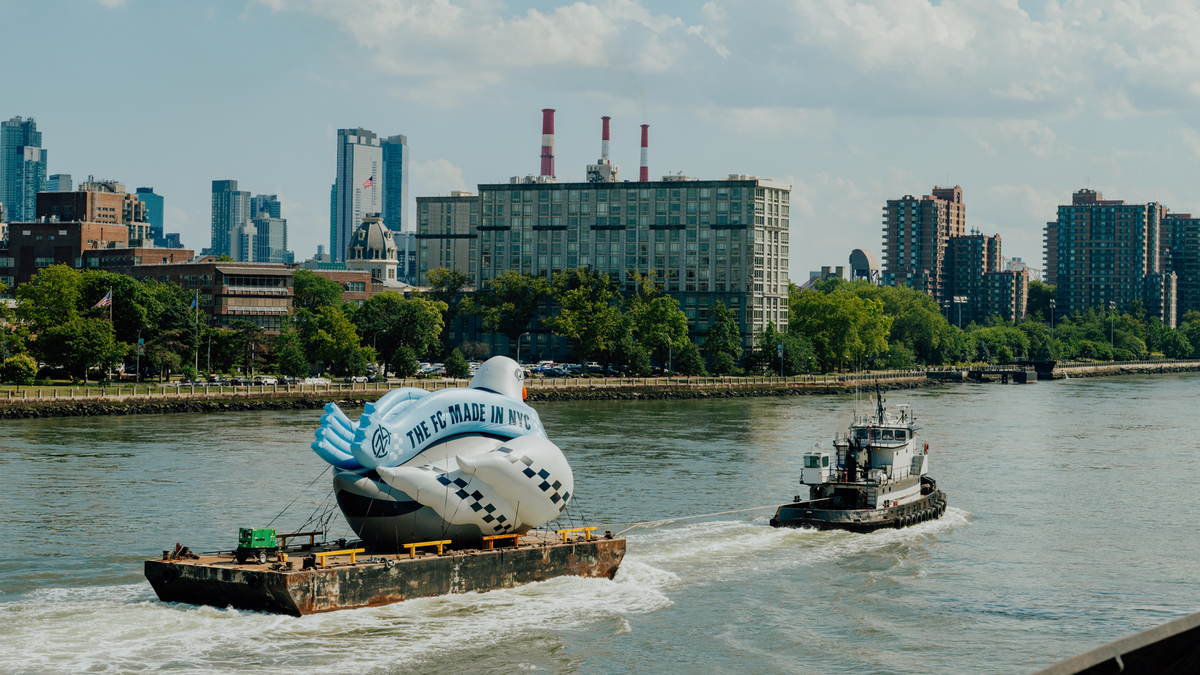
The 2026 entries highlight a clear shift in branding trends. Agencies are moving away from traditional "feature-led" communications toward "experience-led" systems. This is evident in projects like Lenovo Legion’s "Always Get Back Up" (Design Bridge and Partners), which utilized 70 VFX shots to blend CG and live-action, resulting in 157 million views. Similarly, KFC’s "Bucketverse" (JKR) demonstrates how a single, iconic asset can be scaled into a global operating system across 34,000 restaurants.
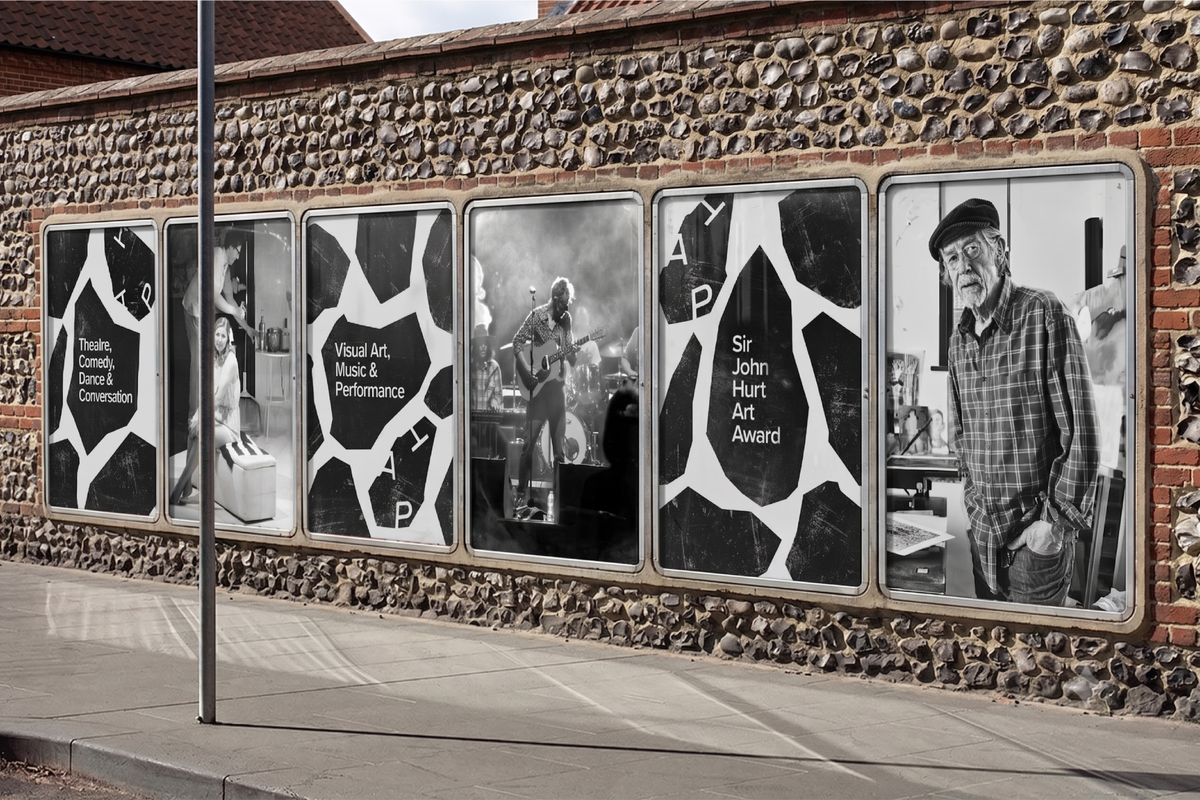
Data suggests that brands willing to lean into self-awareness and regional identity—such as Somer Valley Brewing’s focus on local farm-to-hand processes or WKD’s move to "All Fun. No Filters"—are seeing higher engagement from Gen-Z audiences who are increasingly skeptical of polished, aspirational marketing.
Official Perspectives from the Jury
The judging panel emphasized that this year’s submissions were characterized by a departure from the "betterment burnout" seen in previous years. Instead, there was a focus on joy, discovery, and the practical application of design.
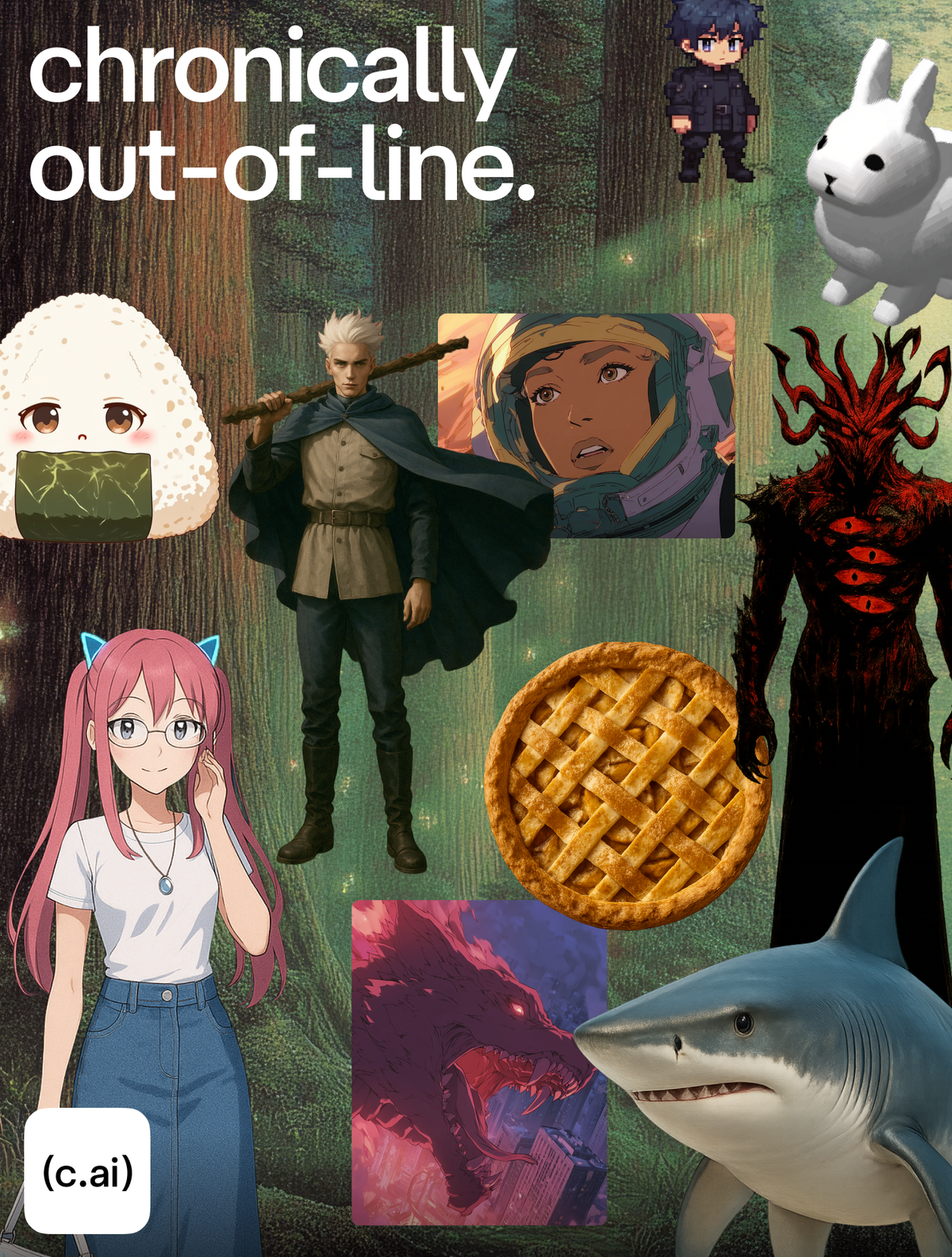
Regarding the Character.AI (PORTO ROCHA) project, which earned a Silver Award, the jury praised the creation of "Chippy," a mascot born from leftover code. This approach allowed the brand to feel alive and imaginative, effectively moving the product from a "flat" utility to an immersive entertainment platform.
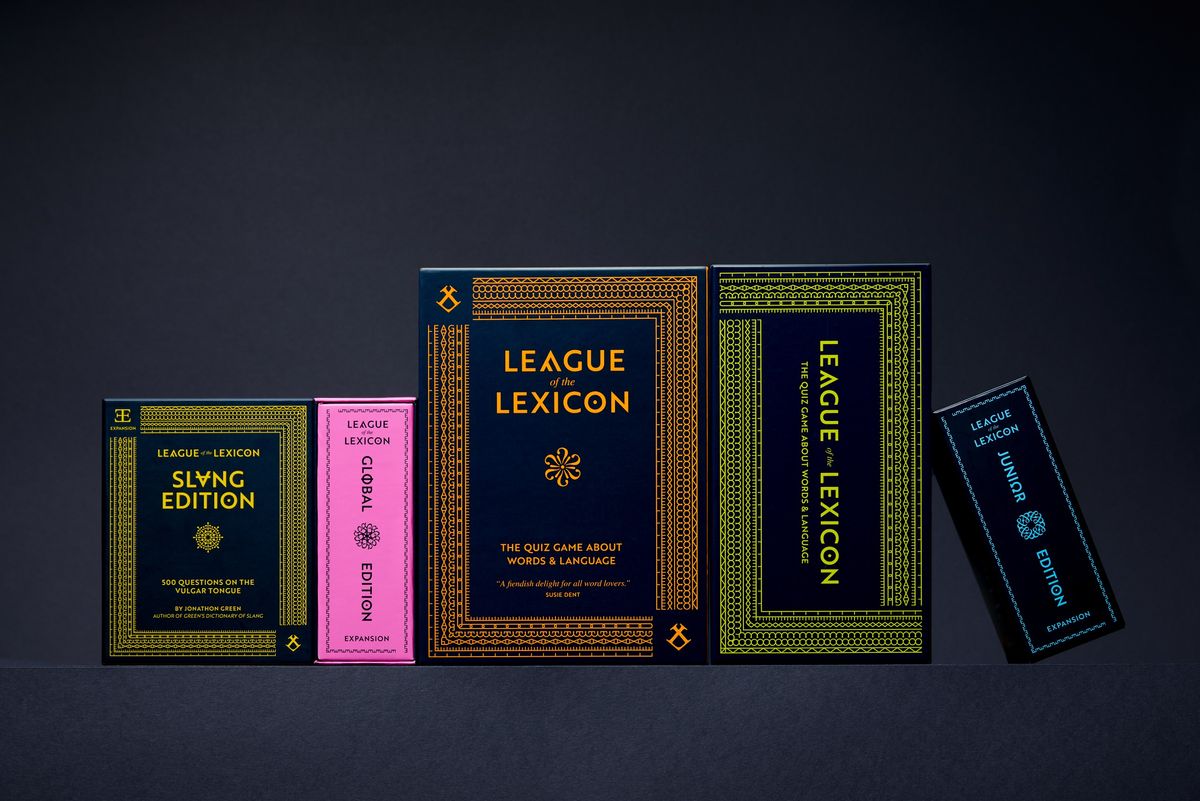
The jury also highlighted the work of Studio Sutherl& on League of the Lexicon. By eschewing conventional design tropes in favor of academic charm and bespoke typographic borders, the studio created a brand that resonated deeply with its target demographic of word-enthusiasts.
The Broader Implications for Branding
The 2026 Brand Impact Awards reveal three critical takeaways for the future of the industry:
- The Rise of the "Public Interface": Whether it is a museum (V&A East) or a city brand (Plymouth), modern branding is about designing interfaces that allow people to participate in a story rather than just reading it.
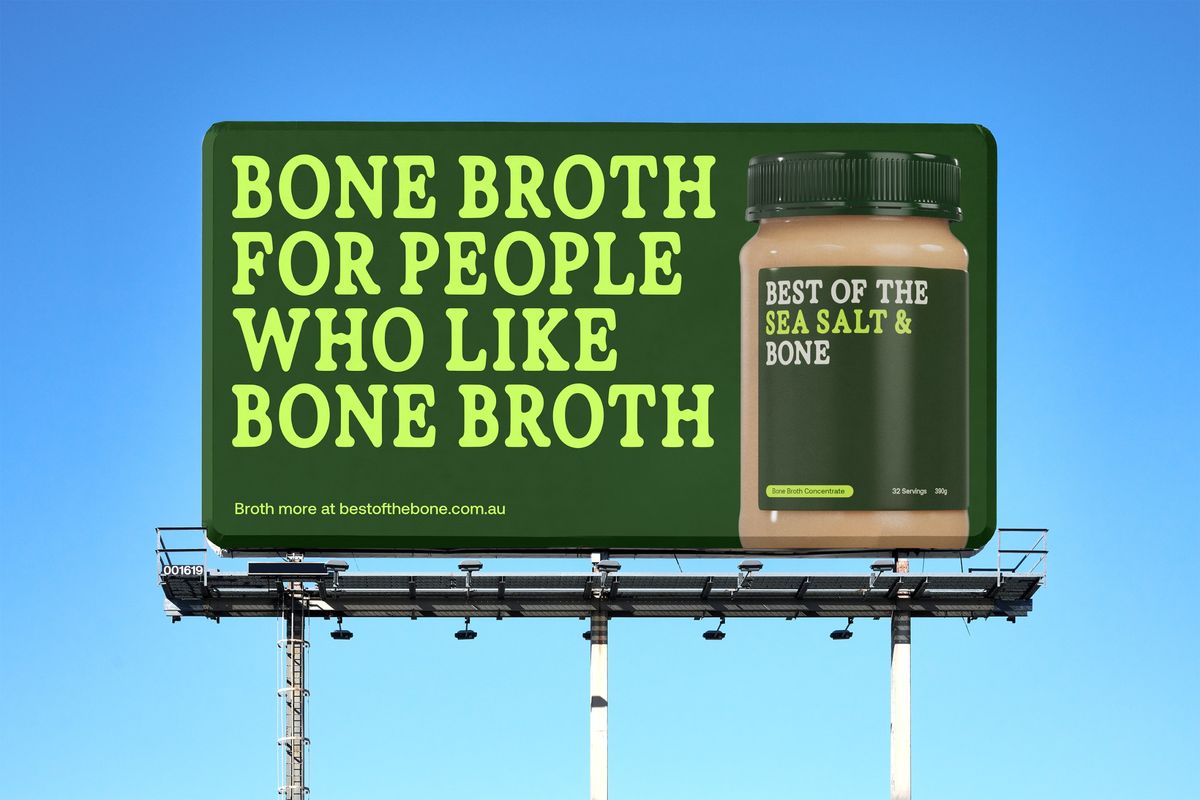
- Radical Transparency: Consumers are rewarding brands that speak with blunt, unpolished honesty. The success of Best of the Bone and its "it’s just bone broth" philosophy proves that simplicity and transparency often win over hyper-stylized wellness marketing.
- Kinetic Identity: The integration of motion into primary visual identities is no longer an optional "extra"—it is a necessity. From the UEFA EURO 2028 sound-wave patterns to the SZCZĘSNY variable typeface, identity systems are becoming increasingly fluid and time-based.
Full List of Silver and Bronze Honorees
The depth of the talent pool was further demonstrated by the 17 Silver and 31 Bronze winners, which included:
-
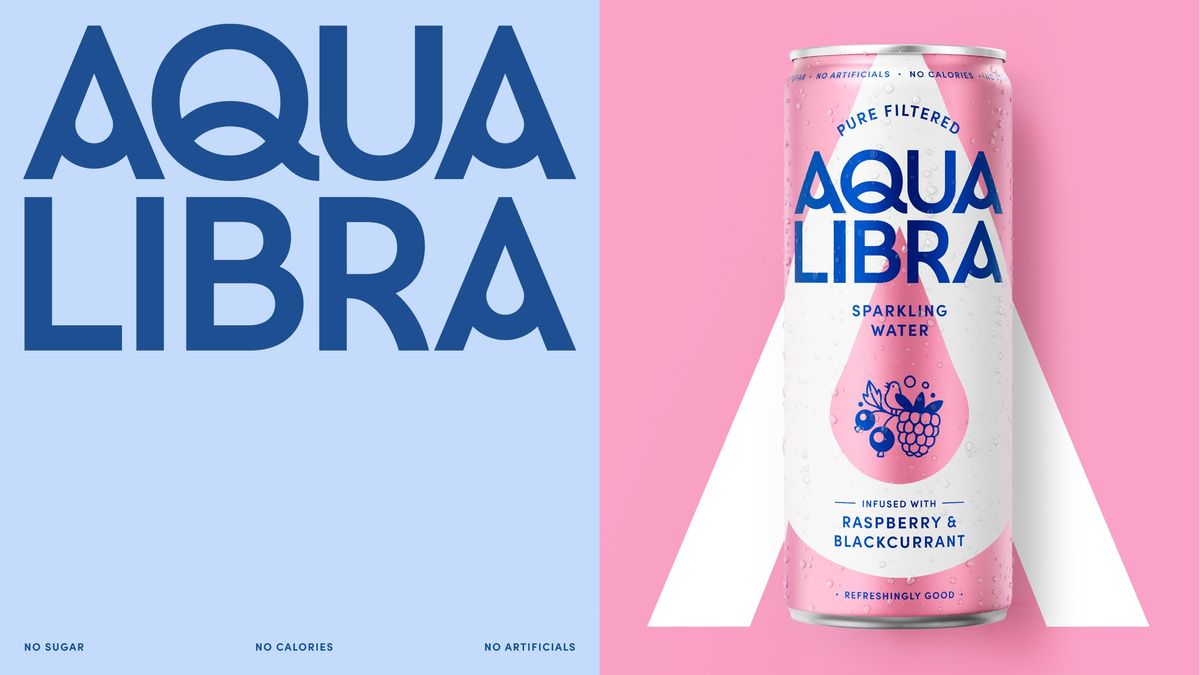
Silver: Aperol (Design Bridge and Partners), Aqua Libra (Magpie Studio), Blueprint AI (Squarespace / ManvsMachine), Character.AI (PORTO ROCHA), Eleven as One (Saboteur), Heineken StarMark Glass (Design Bridge and Partners), Holt Art Projects (Studio Sutherl&), KFC (JKR), League of the Lexicon (Studio Sutherl&), Ostara (Here design), PJL (NOT Wieden+Kennedy), Plymouth City Brand (DNCO), Probably Serif (Taxi Studio), Schweppes (JKR), Somer Valley Brewing (Supple Studio), and WKD (Continuous).
-
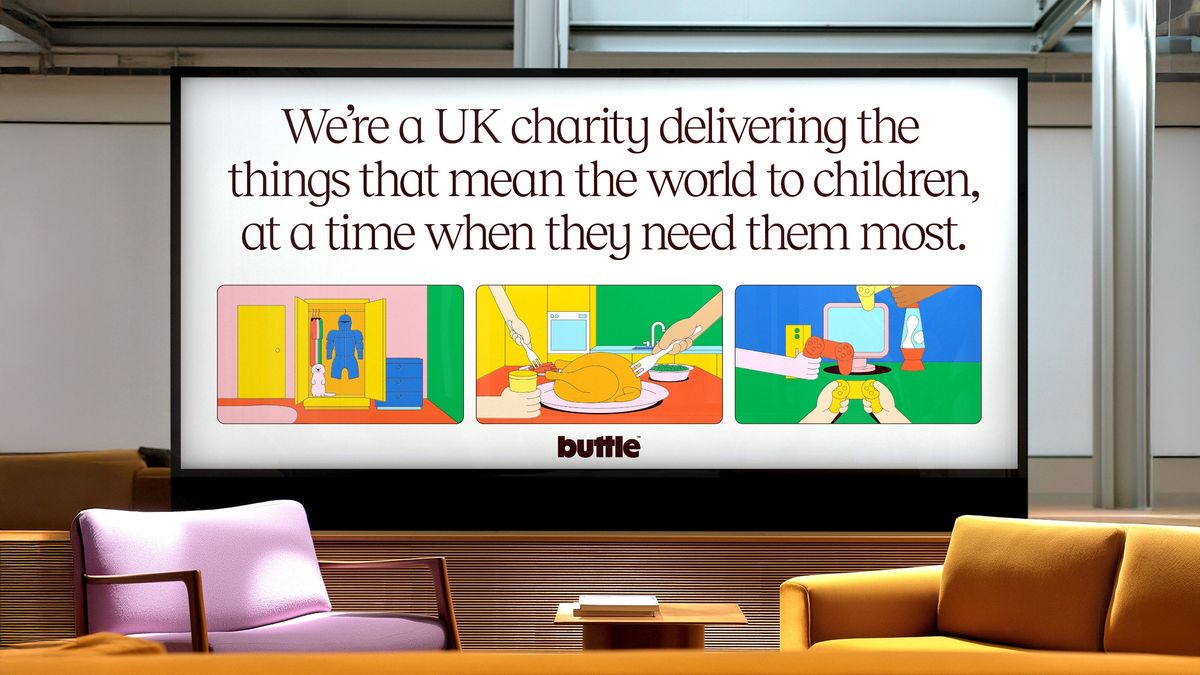
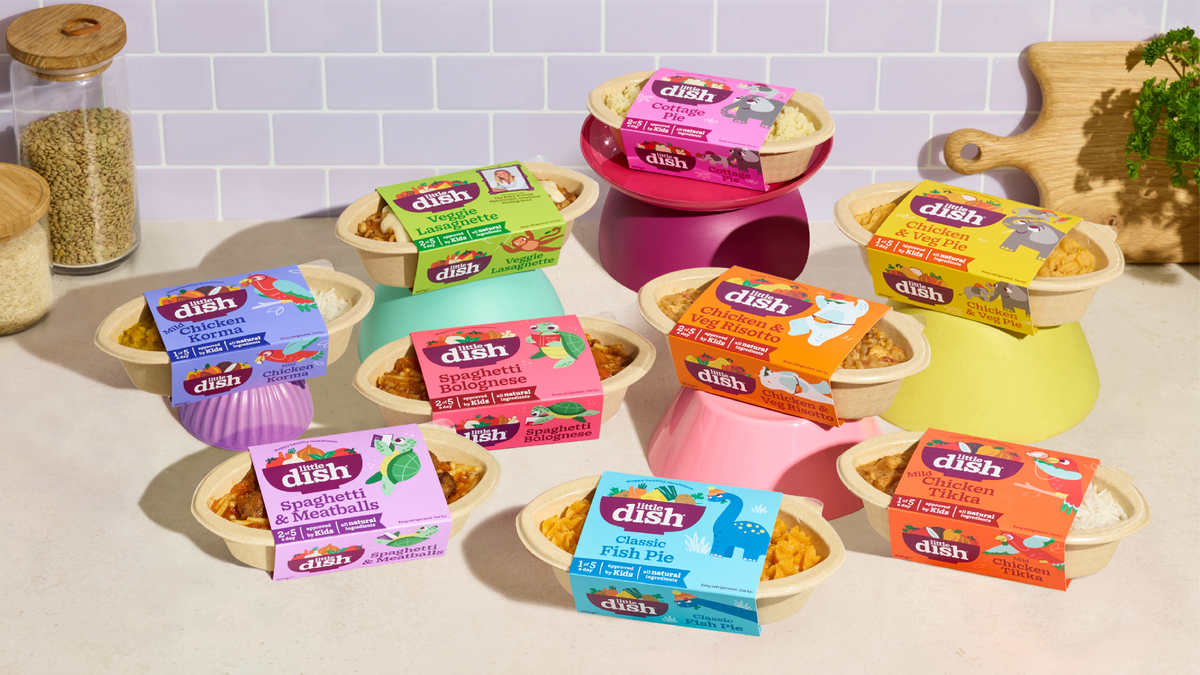
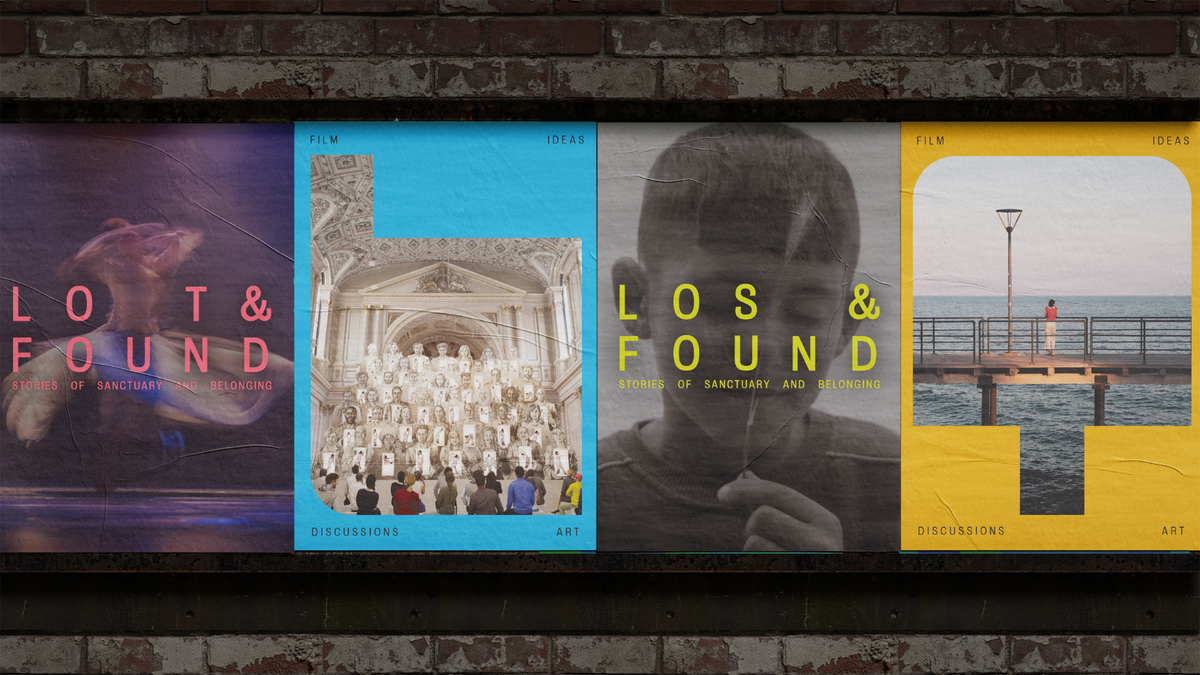
Bronze: Best of the Bone (Universal Favourite), Blood Cancer United (JKR), For What Matters in Childhood (UnitedUs), Hellmann’s Lifts It (Design Bridge and Partners), Joby Aviation (TinyWins), Kiko Martins (Peter Schmidt Group), KFC x Studio DRAMA, Lenovo Legion (Design Bridge and Partners), Little Dish (Derek&Eric), Lost and Found (Alphabetical), Moncler x Gilga Farm (Moncler / WeSayHi / ManvsMachine), Nordeste (Design Bridge and Partners), NYCFC (Tavern Agency), Plymouth City Brand (DNCO), Saboteur (Saboteur), Saudi Now (Alphabetical), Somer Valley Brewing (Supple Studio), St John’s College (Kit Studio), SZCZĘSNY (Studio Sutherl&), The Creative I (The Click), UEFA EURO 2028 (VML Branding), Where there’s a tree (Johnson Banks), and Zudo (DNCO x Victory).
As these projects begin their rollout across global markets, they set a standard for what is possible when strategy, craft, and human-centric thinking converge. The Brand Impact Awards 2026 have not only honored the best work of the year but have provided a blueprint for the next generation of creative agencies.

 Raul Delapena Setiawan
 Suro Senen