

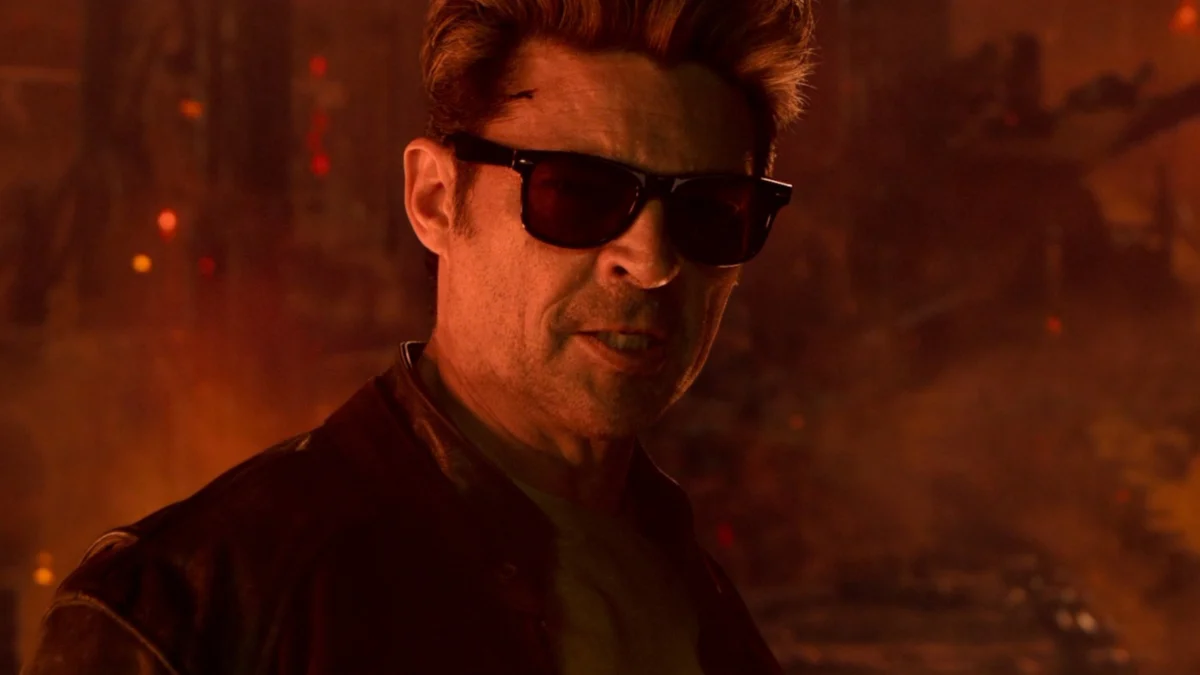
The cinematic landscape of 2026 has proven to be as unpredictable as a high-stakes tournament match. As the dust settles on a high-octane Mother’s Day weekend, Warner Bros. finds itself at a critical crossroads with the release of Mortal Kombat II. While the film has successfully brought the visceral intensity of the Netherrealm to the big screen once again, its commercial performance—a solid but modest $63 million global debut—has ignited a firestorm of speculation regarding the viability of a third installment.
For a franchise built on iconic characters, brutal combat, and a legacy spanning decades, the stakes for Mortal Kombat II are far higher than simple ticket sales. To understand where the series goes from here, we must examine the intersection of theatrical returns, streaming metrics, and the broader ecosystem of the Mortal Kombat multimedia brand.
The Main Facts: A Challenging Debut
Mortal Kombat II arrived in theaters with the weight of expectation. Following the 2021 reboot, which served as a pandemic-era litmus test for simultaneous streaming and theatrical releases, this sequel was positioned as a true blockbuster experience. However, the film faced stiff competition. In a surprise to some, the family-friendly and drama-heavy The Devil Wears Prada 2 continued its dominant streak, securing $43 million in its second weekend and relegating the R-rated Mortal Kombat II to a $40 million domestic debut.
Internationally, the picture is more complex. While the North American opening is respectable, the $23 million pull from overseas markets signals a potential cooling of interest in global territories. With an production budget of $80 million—a significant increase over the first film’s $55 million—Warner Bros. needs more than just a strong opening weekend; it needs the "legs" to carry it through a crowded summer release slate.
Chronology of a Franchise: From 2021 to Today
To grasp the current situation, one must look at the path Mortal Kombat has traveled over the last five years.
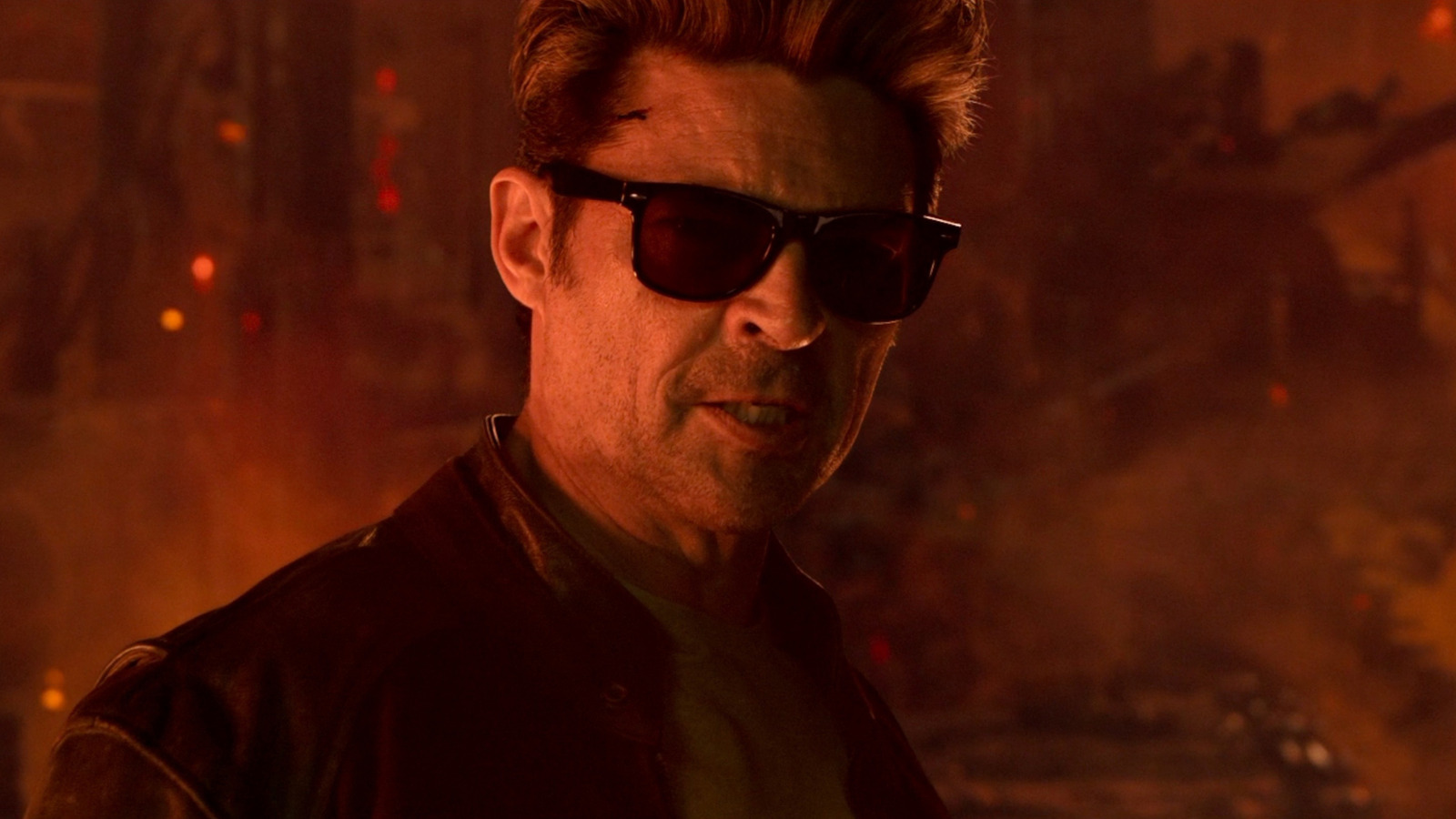
- 2021: The first Mortal Kombat reboot launched under the shadow of COVID-19. Released day-and-date on HBO Max, it struggled to capture a traditional box office, earning $84 million worldwide. Despite these numbers, it became the most-viewed movie on the streaming platform that year, outperforming heavyweights like Dune and Godzilla vs. Kong.
- 2024-2025: Pre-production and marketing for the sequel began in earnest. Warner Bros. doubled down, investing more in practical effects and a larger ensemble cast, clearly aiming for a more polished, "prestige" action experience.
- May 2026: Mortal Kombat II hits theaters. The marketing campaign emphasized the addition of fan-favorite characters and a narrative scale that promised to move beyond the confines of the first film’s tournament structure.
- The Current Moment: As of mid-May 2026, the film faces a critical window. The next three weeks will determine if the film can sustain momentum or if it will be overshadowed by upcoming summer juggernauts like The Mandalorian and Grogu.
Supporting Data: The Math Behind the Kombat
For Mortal Kombat II to be considered a definitive financial success, industry analysts generally place the "break-even" point—or the floor for a greenlit sequel—at roughly $200 million globally.
Currently, with a $63 million start, the film is in a precarious position. The theatrical industry relies on "multipliers," or the ratio between a movie’s opening weekend and its total domestic gross. If the film drops significantly in its second weekend, it suggests a lack of "word-of-mouth" momentum. Conversely, if it maintains a steady audience, it suggests that the film’s critical reception—which has been largely positive compared to the 2021 entry—is doing the heavy lifting.
Furthermore, the shift in international appetite is a concern. While the 2021 film enjoyed a near 50/50 split between domestic and international earnings, the current sequel is leaning heavily on North American interest. Warner Bros. will be analyzing these geographic discrepancies to determine if the brand’s global appeal is waning or if the current release strategy simply missed the mark in key overseas territories.
Official Responses and Creative Defense
The critical reception of Mortal Kombat II has been markedly warmer than that of its predecessor. Critics have praised the film’s commitment to the source material and its refined action sequences. However, the discourse hasn’t been without conflict.
Producer Todd Garner has been notably vocal, pushing back against critics who expressed negativity toward the film. This defensive stance underscores the pressure the production team feels. By championing the film’s quality, creators are attempting to shift the narrative away from raw box office figures and toward the "fan experience." Their argument is simple: if the audience loves it, the metrics of success—such as VOD performance and long-term streaming engagement—will ultimately vindicate the project.
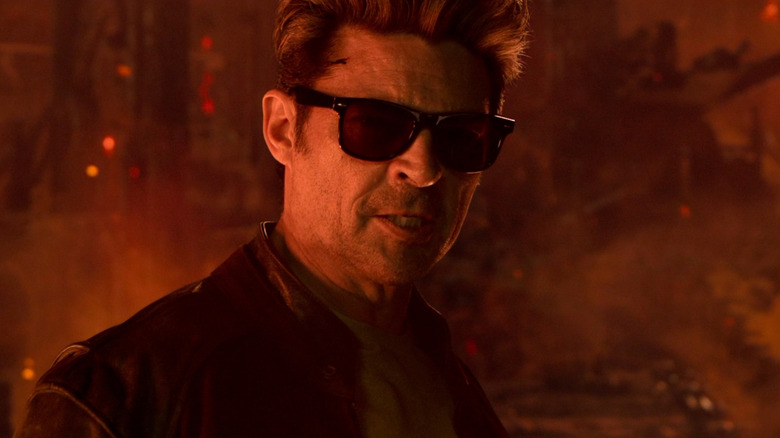
Implications: The Multimedia Ecosystem
The most vital takeaway from this analysis is that "box office" is no longer the sole metric for success in the age of conglomerates. Mortal Kombat is not just a film franchise; it is a massive multimedia engine.
1. The "Synergy" Factor
The success of a Mortal Kombat film is inextricably linked to the success of the video games. Much like the recent trend with Teenage Mutant Ninja Turtles: Mutant Mayhem—which generated nearly $1 billion in merchandise revenue despite a moderate theatrical run—Mortal Kombat II acts as a high-budget commercial for the broader brand. If the movie keeps the game in the cultural conversation, it provides immense value to Warner Bros. through licensing, character skins, and game sales.
2. Streaming as the New "Home"
With the 2021 film proving that Mortal Kombat is a powerhouse on streaming services, Warner Bros. likely views this sequel as a long-term asset for its platforms. Even if the film underperforms in theaters, a strong showing on VOD and recurring viewership on streaming services could provide the necessary ROI to justify a third film.
3. The "Third Film" Dilemma
Mortal Kombat II ends on a cliffhanger, clearly telegraphing the narrative path for a third installment. However, Warner Bros. is notoriously pragmatic. If the theatrical run results in a financial loss that cannot be offset by merchandising or streaming, the studio will not hesitate to pivot. The "maybe" surrounding Mortal Kombat III is currently doing heavy lifting; the studio is waiting to see if the fan base will show up for repeat viewings or if the casual audience is too distracted by the incoming slate of summer blockbusters.
Conclusion: The Road Ahead
The future of the Mortal Kombat cinematic universe is currently being decided in real-time. While the opening weekend was not the "flawless victory" the studio might have hoped for, it was not a decisive defeat either. The film occupies a gray area—a space where quality, brand loyalty, and corporate synergy are currently competing against the cold, hard realities of theatrical distribution.
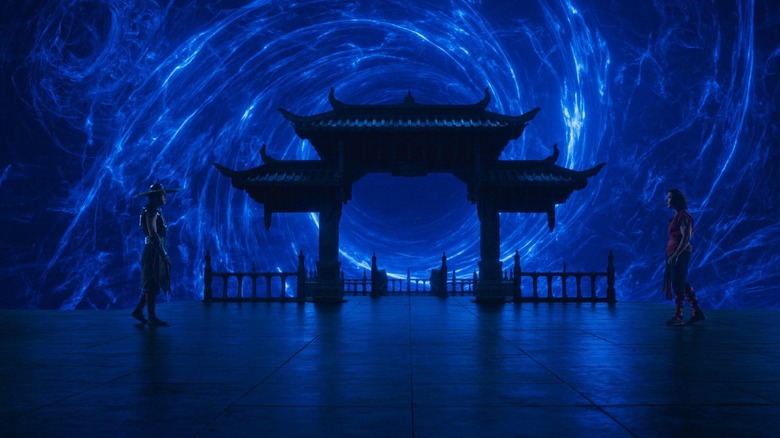
For fans, the hope remains that the film’s steady critical support will translate into long-term theatrical survival. If the "legs" hold out and the broader multimedia strategy succeeds, we may yet see the tournament continue. But if the numbers continue to soften in the face of Star Wars and other upcoming tentpoles, Warner Bros. may be forced to leave the franchise on the shelf for a few years to regroup.
For now, the combatants remain in the arena. Whether this ends in a fatality for the franchise or a triumphant return depends entirely on the audience’s willingness to step back into the theater one more time.









No comments yet. Be the first to join the conversation!