

The release of Forza Horizon 6 has not merely met expectations; it has shattered them. By transporting the high-octane, festival-inspired gameplay to the neon-soaked streets and serene, cherry-blossom-lined vistas of Japan, the developers at Playground Games have tapped into a long-standing community desire that has propelled the title to unprecedented heights of commercial and player engagement.
With its early access launch for Premium Edition owners, the game has already established itself as the undisputed titan of the racing genre in 2024, leaving competitors struggling to find a foothold in an increasingly consolidated market.
The Numbers: A Record-Breaking Launch
The most immediate indicator of Forza Horizon 6’s success is its staggering performance on Steam. Within the first 96 hours of its early access window, the title reached a concurrent player peak of 178,009. To put this figure into perspective, the previous series benchmark, Forza Horizon 5, peaked at 81,096 players on Steam during its launch window over four years ago.
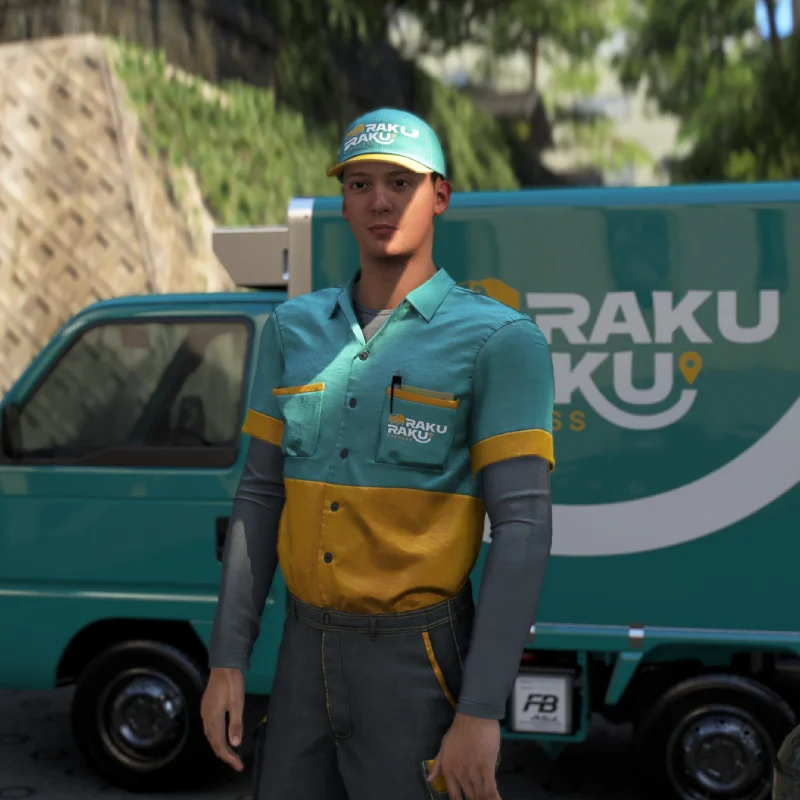
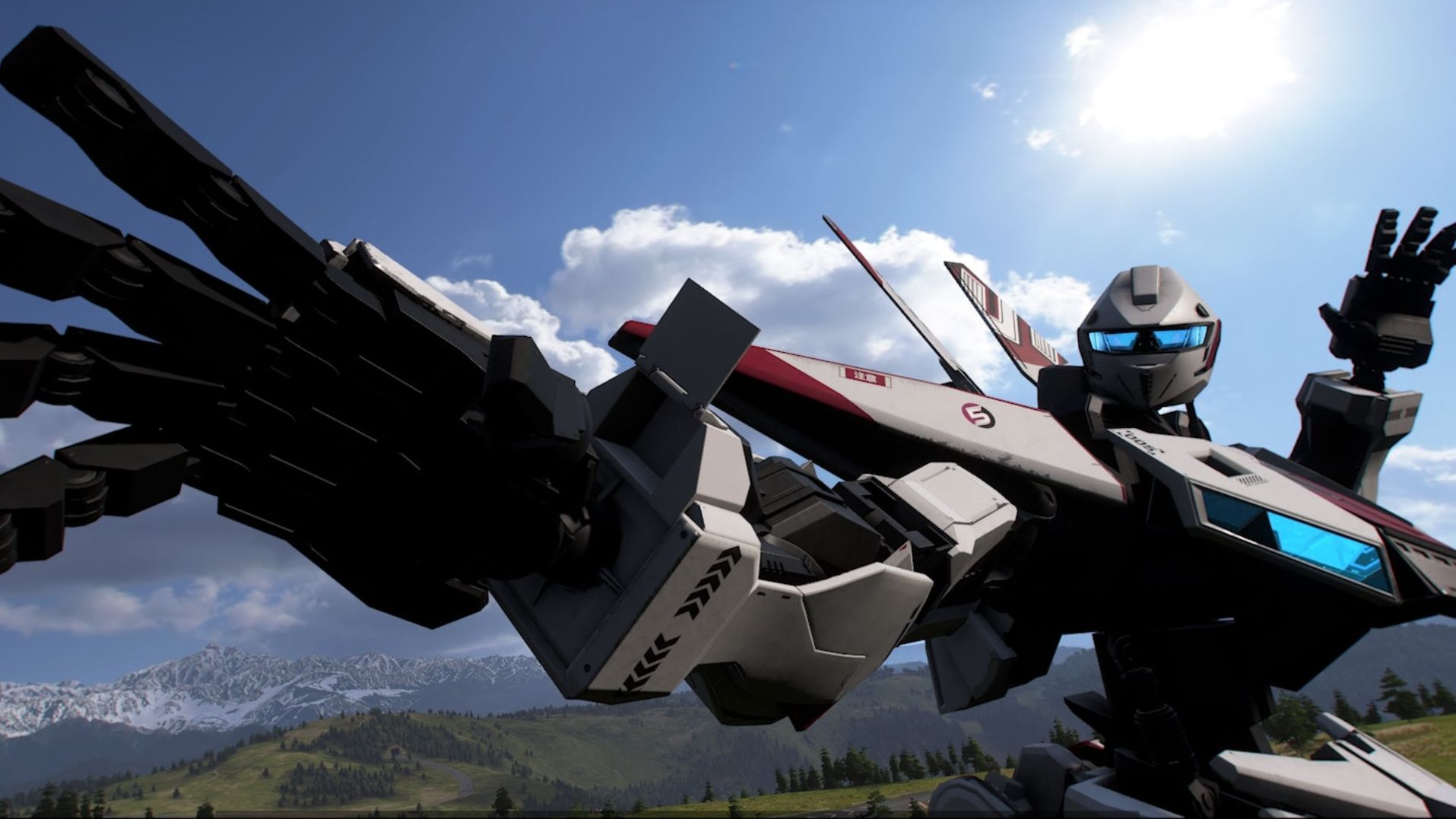
This more than twofold increase in peak concurrent users serves as a potent testament to the "Japan effect." For years, the Forza community has clamored for a Japanese setting, citing the country’s rich automotive heritage, diverse geography—ranging from mountainous drift passes to dense urban environments—and its unique cultural iconography. By integrating features such as authentic kei trucks and, in a surprising turn, playable mechs that blend high-speed racing with fantastical elements, Playground Games has successfully expanded the franchise’s demographic reach.
Chronology: From Concept to Cultural Phenomenon
The journey to Forza Horizon 6 was marked by intense speculation and high stakes. Following the immense success of the Mexican-set Forza Horizon 5, the pressure on the development team to innovate rather than iterate was immense.
- Initial Teasers: Subtle nods in social media posts and cryptic developer comments regarding "eastern horizons" began fueling fan theories in late 2023.
- The Announcement: The official reveal during the Xbox Showcase confirmed the Japan setting, immediately positioning the game as the most anticipated title in the series’ history.
- The Premium Pivot: In a move to maximize revenue and reward long-term fans, Microsoft introduced a comprehensive Premium Edition tier. Priced at $120, this package included four-day early access, the full car pass, two major expansions, and exclusive VIP status.
- The Early Access Surge: As the servers flickered to life for the premium tier, the sheer volume of players testing the stability of the servers and the depth of the new map caused an immediate surge in activity, culminating in the 178,009 peak figure.
The Shrinking Racing Ecosystem
Forza Horizon 6 does not exist in a vacuum; it arrives at a time when the racing genre is undergoing a significant contraction. As major publishers pivot toward live-service shooters and "gaas" (games as a service) titles, the traditional high-fidelity racing game has become an endangered species.
The industry landscape is currently defined by a "winner-takes-all" dynamic. Reports suggest that the Forza Motorsport series has suffered from internal restructuring and budget cuts within Microsoft, shifting the internal focus almost entirely to the more commercially viable Horizon sub-series.
Simultaneously, competitors have struggled to maintain their footing. Electronic Arts has effectively placed the Need for Speed franchise on the back burner, with developer Criterion Games reallocated to support the Battlefield series. Meanwhile, the experimental Lego 2K Drive has faced a premature end, with plans for its delisting already in motion. This consolidation of talent and resources has left Forza Horizon 6 as the primary—and for many, the only—viable option for enthusiasts seeking a high-budget, open-world automotive experience.
Economic Implications: The Value of the Premium Tier
The decision to charge a premium for early access is a contentious one, yet the market data suggests consumers are more than willing to pay for it. The $120 price point (or its international equivalents, such as £110 in the UK and $190 in Australia) represents a significant investment, but for the dedicated "sim-cade" enthusiast, the value proposition is clear.
By bundling two expansions, a comprehensive car pass, and two distinct car packs, the developer is essentially front-loading the revenue stream. For the consumer, it provides a "set-it-and-forget-it" experience that covers the life cycle of the game’s primary content drops. As noted by industry observers, this model mirrors the shift seen in other long-running strategy and simulation franchises, where players prefer a one-time "all-in" purchase over piecemeal DLC acquisitions that eventually inflate the total cost of the game.
Official Stance and Future Outlook
While Microsoft and Xbox Game Studios have remained tight-lipped regarding specific sales revenue, the player count alone is being treated as a major win for the Xbox ecosystem. The inclusion of the game on Game Pass—albeit for the standard edition post-launch—continues to be a cornerstone of Microsoft’s strategy to keep the Forza brand relevant and active.
The developers have hinted that the mech-based elements and the unique Japanese map assets are only the beginning. The roadmap for the first year of content suggests that the team intends to lean heavily into the "festival" identity of the game, introducing more community-driven events and localized cultural celebrations that honor Japan’s automotive subcultures, from touge drifting to the vibrant dekotora truck scene.
Implications for the Future of Racing
The triumph of Forza Horizon 6 sends a clear message to the gaming industry: players are not tired of racing games; they are tired of stagnation. By providing a fresh, highly requested setting and leaning into the "fun factor"—even to the point of absurdity with the inclusion of mechs—Playground Games has proven that there is still a massive, hungry audience for this genre.
However, the lack of competition is a double-edged sword. With Forza now effectively the only major player in the open-world racing space, the burden of innovation falls entirely on its shoulders. If the franchise remains the "only option for serious heads," it must continue to evolve, or it risks becoming the very thing it currently transcends: a stagnant, predictable iteration of its former self.
For now, however, the streets of Japan are crowded, the cherry blossoms are falling, and the community has spoken with their time and their wallets. Forza Horizon 6 is not just a game; it is the current king of the road, and it shows no signs of pulling over anytime soon.









No comments yet. Be the first to join the conversation!