Lina Hope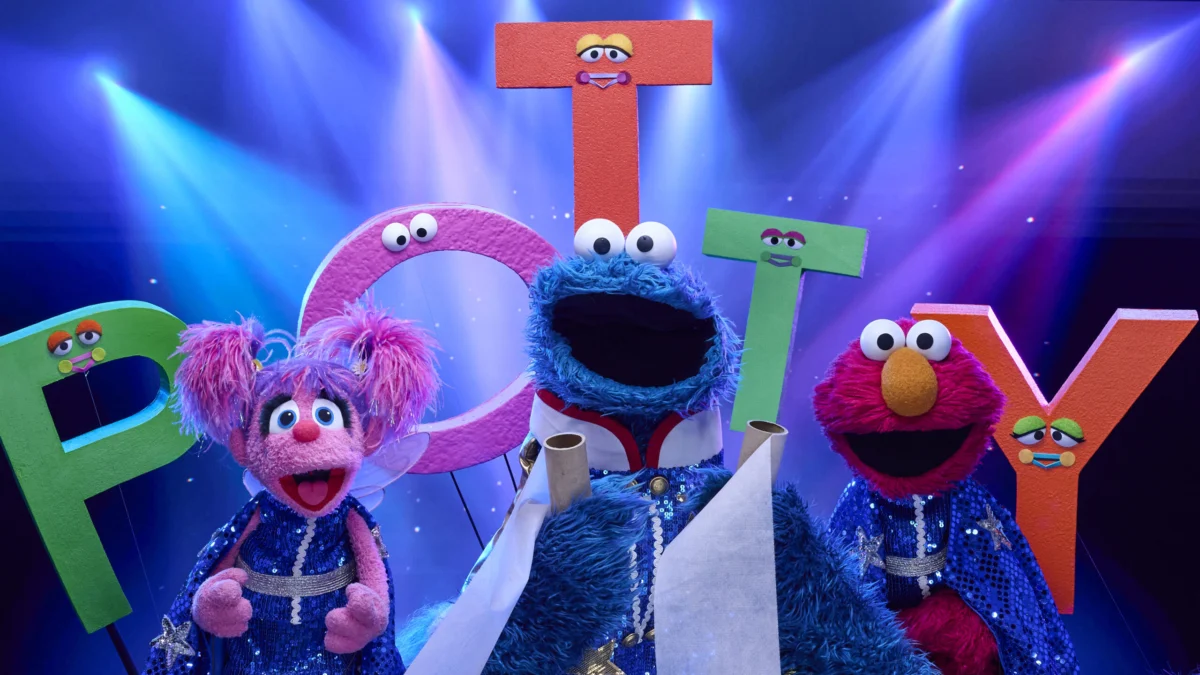
For over half a century, Sesame Street has served as a cultural barometer, an educational cornerstone, and a surrealist playground for the world’s most talented musicians. Since its debut in 1969, the program has mastered a unique alchemy: the ability to distill complex social lessons, academic fundamentals, and current pop-culture zeitgeist into high-quality musical performances.
This tradition reached a new, viral pinnacle this week as the show unveiled its latest parody: a clever, high-energy transformation of Chappell Roan’s breakout pop anthem "HOT TO GO!" into a quintessential potty-training guide titled "GOT TO GO!" Led by the gravelly, infectious enthusiasm of the Cookie Monster, the track serves as a reminder that while the decades may pass, the Sesame Street formula—built on innovation, humor, and unparalleled musicality—remains as relevant as ever.
A Legacy of Musical Innovation
The history of Sesame Street is, in many ways, a history of 20th and 21st-century music. The producers never settled for "children’s music"; they insisted on bringing the absolute best of the industry to the neighborhood.
In the early 1970s, Stevie Wonder’s appearance on the show wasn’t just a guest spot; it was a masterclass in rhythm and engagement. His performance remains a foundational text for how to translate soul and funk into accessible, educational television. Throughout the subsequent decades, the show curated a "who’s who" of musical legends.
Consider the sheer range of these adaptations:
- Tony Bennett: In a moment of pure whimsy, Bennett took his jazz standard "Fly Me to the Moon" and refashioned it into "Slimy to the Moon." The song followed the show’s beloved worm character on an lunar expedition, proving that no concept was too sophisticated to be adapted for a preschool audience.
- B.B. King: The blues icon famously sang an ode to the letter "B," a performance that highlighted how the blues—with its repetitive structures and emotional clarity—perfectly suits the show’s pedagogical goals.
- The Fugees: In the 1990s, the hip-hop trio brought their social-conscious lyrical style to the street with "Just Happy to Be Me," an anthem of self-esteem that resonated as much with adults as it did with children.
- Smokey Robinson: In a moment of classic Sesame Street wit, Robinson performed "U Really Got a Hold on Me," literally being playfully "groped" by a giant, anthropomorphic letter "U."
- Marilyn Horne: Perhaps the most avant-garde moment in the show’s history, opera legend Marilyn Horne performed "C Is for Cookie" on a mock-Egyptian set. Wearing a tiara topped with a bouncing cookie, her operatic trills elevated a song about snacks into a piece of high art.
These moments weren’t merely cameos; they were carefully crafted collaborations that respected the intelligence of the young viewer while showcasing the versatility of the performer.
Chronology of a Viral Success: From Roan to the Cookie Monster
The transition from Chappell Roan’s "HOT TO GO!" to the Sesame Street iteration is a testament to the show’s enduring ability to recognize a pop-culture moment as it peaks.
Chappell Roan, the Midwest-born pop phenomenon whose 2023-2024 rise has been nothing short of meteoric, created "HOT TO GO!" as an upbeat, cheerleading-inspired dance anthem. With its driving synth-pop beat and iconic hand-gesture choreography (spelling out the song title), it became the "song of the summer" for millions.
Sesame Street producers identified the song’s inherent "chantability"—the way it builds momentum through spelling and repetition—as the perfect vehicle for a lesson on potty training. By replacing the cheerleading routine with singing letters that spell out "POTTY," the show transformed a dance-floor banger into a functional tool for toddlers.
The video features Cookie Monster, arguably the show’s most emotionally expressive puppet, front and center. The lyrics were meticulously rewritten to mirror the original’s cadence while addressing the physiological realities of early childhood development:
"Stop and listen to me body / It’s saying that it’s time for potty / There’s a growing feeling in my tummy / That me gotta go pee, me gotta go pee."
The track even includes guest vocals from Elmo and Abby Cadabby, mimicking the call-and-response energy of the original record. The song concludes with a rhythmic spelling of "P-O-T-T-Y," ensuring that the lesson is not only heard but learned through rote memorization.
The Science of Educational Musicality
Why does this formula work? The answer lies in the cognitive science behind Sesame Street. The show has always relied on the "distractor" method: using high-production value, humor, and music to hold a child’s attention, thereby increasing the likelihood that they will retain the educational content embedded within.
Music acts as a mnemonic device. By setting the instructions for potty training to a melody that children are already hearing on the radio or in their households, the show lowers the barrier to learning. When the child feels the "urge" (as Cookie Monster sings, "There might be a mess if me don’t get movin’"), the melody of the song provides an immediate mental prompt.
Furthermore, the involvement of high-profile artists validates the child’s world. When a child sees a pop star they recognize (or whose music their parents play) on Sesame Street, it creates a bridge between the "adult world" and the "childhood world." It signals to the child that the lessons they are learning are important, fun, and culturally significant.
Official Responses and Industry Impact
When Variety reached out to Chappell Roan’s management team for comment regarding the parody, the response was a telling silence. While no official statement was provided, industry insiders note that such a "no comment" is essentially an endorsement.
Allowing a high-profile, artist-driven song to be repurposed for a children’s show is a strategic move. For Roan, it serves as a "stamp of approval" from a cultural institution as venerable as Sesame Street. It positions her music as family-friendly, timeless, and catchy enough to transcend demographics. The collaboration—or rather, the unilateral decision by Sesame Street to adapt the song—functions as a cultural milestone, signifying that the artist has officially entered the canon of modern pop royalty.
Implications: The Future of Educational Entertainment
The success of "GOT TO GO!" suggests that Sesame Street will continue to thrive by remaining "plugged in." In an era where children’s media is increasingly fractured across streaming platforms and algorithmic feeds, the show’s ability to remain a cultural touchstone is vital.
The implications of this strategy are threefold:
- Cultural Literacy: By keeping up with current music trends, the show ensures that it remains relevant to the parents who are watching alongside their children. If the parents are engaged by the music, the household experience is enhanced.
- Technological Integration: The show is no longer just on television. These clips are designed for the digital age—optimized for YouTube, TikTok, and social media sharing. They are bite-sized, high-quality, and infinitely shareable.
- Enduring Relevance: By treating children’s education with the same level of production quality as a Super Bowl halftime show, Sesame Street continues to prove that there is no subject too mundane to be made into art.
As we look toward the next 50 years, the lesson is clear: the Sesame Street model is not just about the alphabet or the numbers; it is about the power of the communal experience. Whether it is a blues legend singing about the letter "B" or a blue monster singing about the potty, the goal remains the same—to connect, to teach, and to leave the world just a little bit brighter.
The "GOT TO GO!" video is more than just a funny clip; it is a continuation of a grand tradition. It reminds us that behind every great pop song, there is a melody waiting to be used to make life a little easier, a little clearer, and—in the case of the Cookie Monster—a lot more fun.

 Nana Muazin
 Ammar Sabilarrohman