Nana Wu
Introduction: A Blade Reborn
For two decades, the name Severance: Blade of Darkness was whispered in the corridors of gaming history—a revered, albeit largely inaccessible, relic of the early 2000s. Released in 2001, it was an innovative hack-‘n’-slash RPG that arguably arrived ahead of its time. Characterized by its brutal, deliberate combat and revolutionary dynamic lighting, it captured the imaginations of a small but fervent fanbase. However, following a tepid commercial reception at launch, the title effectively vanished, relegated to the "murky" corners of abandonware websites.
Today, thanks to the publisher SNEG, the game has been resurrected for a modern audience. Simply titled Blade of Darkness, the re-release is now available on Steam, offering a revitalized experience for a new generation of players. Priced at a modest £7.49, this remaster is more than just a nostalgic trip; it is an invitation to witness the foundational DNA of a genre that would eventually dominate the industry.
The Chronology of a Cult Classic
The 2001 Launch: A Vision Ahead of Its Time
When Rebel Act Studio first unleashed Severance: Blade of Darkness upon the world, the gaming landscape was vastly different. The industry was still transitioning into the era of full 3D environments. Blade stood out immediately with its sophisticated engine, which utilized real-time shadows and dynamic light sources to create an oppressive, atmospheric tension that few games at the time could replicate.
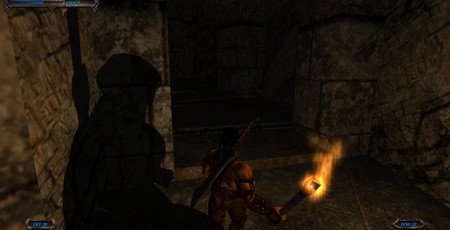
Despite its technical brilliance, the game suffered from a disconnect with the mass market. It was punishing, complex, and lacked the hand-holding that was beginning to define mainstream adventure titles. Critics were divided, and players—perhaps unprepared for the slow, tactical nature of its melee combat—largely overlooked it.
The "Lost" Years (2002–2021)
Following the closure of its original developer, the game entered a long, quiet dormancy. For nearly twenty years, Blade of Darkness was only accessible via legacy hardware or unstable community patches hosted on obscure file-sharing portals. It became a "lost" game, cited by enthusiasts as a hidden gem, yet impossible to recommend to the average user due to the sheer technical difficulty of getting it to run on modern Windows operating systems.
The Resurrection
In a surprise move, publisher SNEG acquired the rights to the IP. Recognizing the enduring cult appeal of the title, they undertook the task of cleaning up the code, implementing widescreen support, and ensuring high-definition resolution compatibility. This modern version represents the first legitimate, accessible way to play the game in the digital age, stripping away the friction of setup while preserving the raw, uncompromising experience that made the original so special.
Gameplay Mechanics: The Brutality of Combat
Character Diversity and Strategic Choice
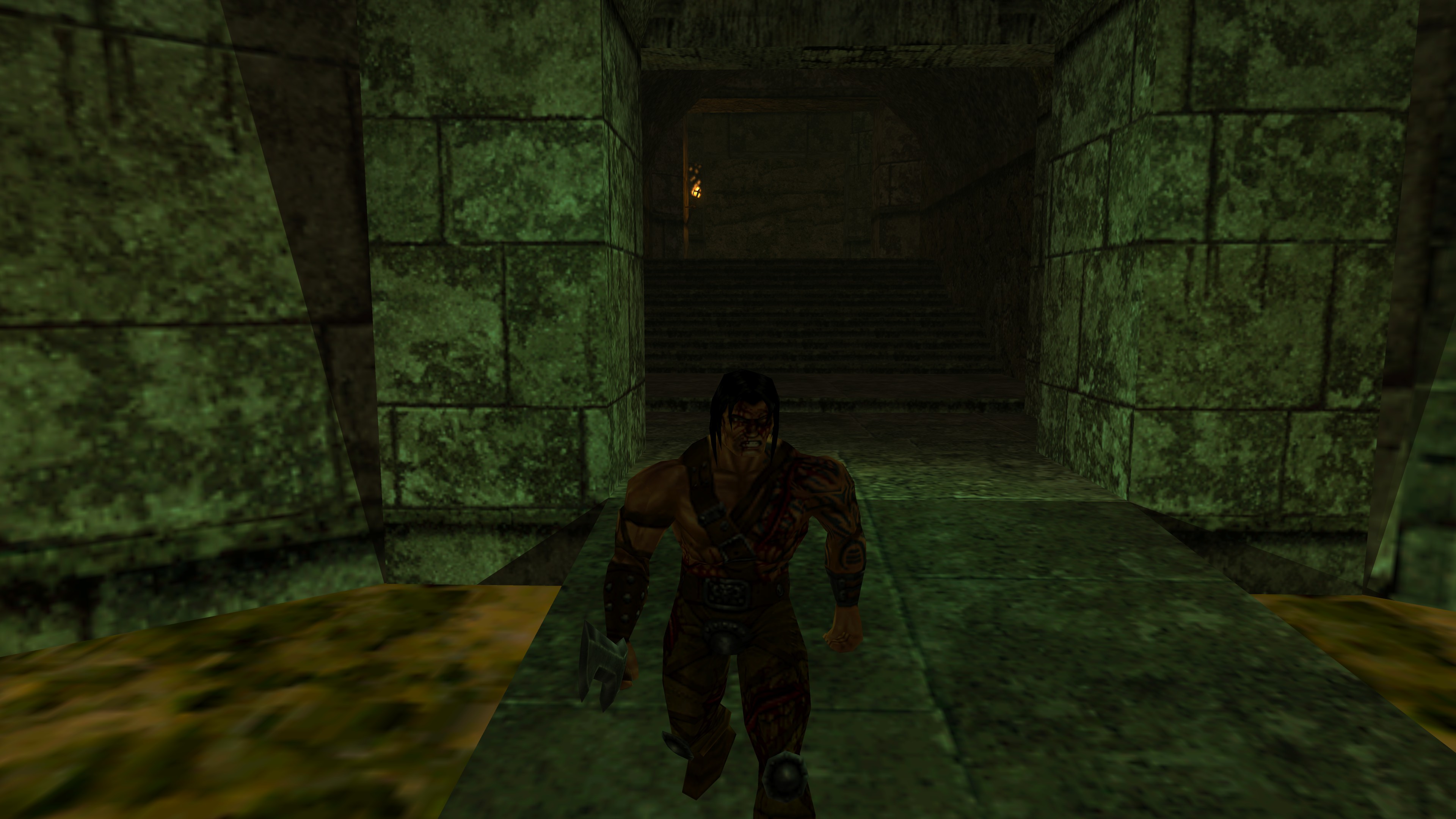
The core of Blade of Darkness is its character system. Players choose from four archetypes: Sargon the Knight, Naglfar the Dwarf, Zoe the Amazon, and Turkaram the Barbarian. Each character offers a distinct playstyle, weapon proficiency, and, crucially, a unique starting level.
- Sargon (The Knight): A balanced entry point, Sargon excels with sword-and-shield combat. His ability to block effectively makes him the most forgiving character for newcomers.
- Zoe (The Amazon): Focusing on agility and speed, Zoe relies on polearms and spears. Her playstyle is dictated by evasion rather than endurance, requiring the player to master the game’s dodge mechanics.
- Turkaram (The Barbarian): The "poster boy" of the game, Turkaram embodies the Robert E. Howard-inspired fantasy aesthetic. He is a powerhouse, built for players who prioritize raw damage over finesse.
- Naglfar (The Dwarf): Often considered the most challenging of the lot, the Dwarf requires a specific, high-skill approach to combat that can prove frustrating for those not intimately familiar with the game’s mechanics.
A Masterclass in Minimalist Storytelling
Blade of Darkness ignores the cinematic, cutscene-heavy narrative style that was starting to gain traction in 2001. Instead, it leans into environmental storytelling. The world is presented through fourteen distinct levels, ranging from crumbling temples to claustrophobic mines. Dialogue is sparse, serving only to frame the history of a location before dropping the player into a decaying, hostile world.
This approach is highly effective. The player is forced to project their own understanding onto the surroundings. The sense of mystery is profound; you rarely know the names of the creatures you face, and you are often left to piece together the narrative from the architecture and the aftermath of battles.
Supporting Data: Combat and Atmosphere
The "Souls" Precursor
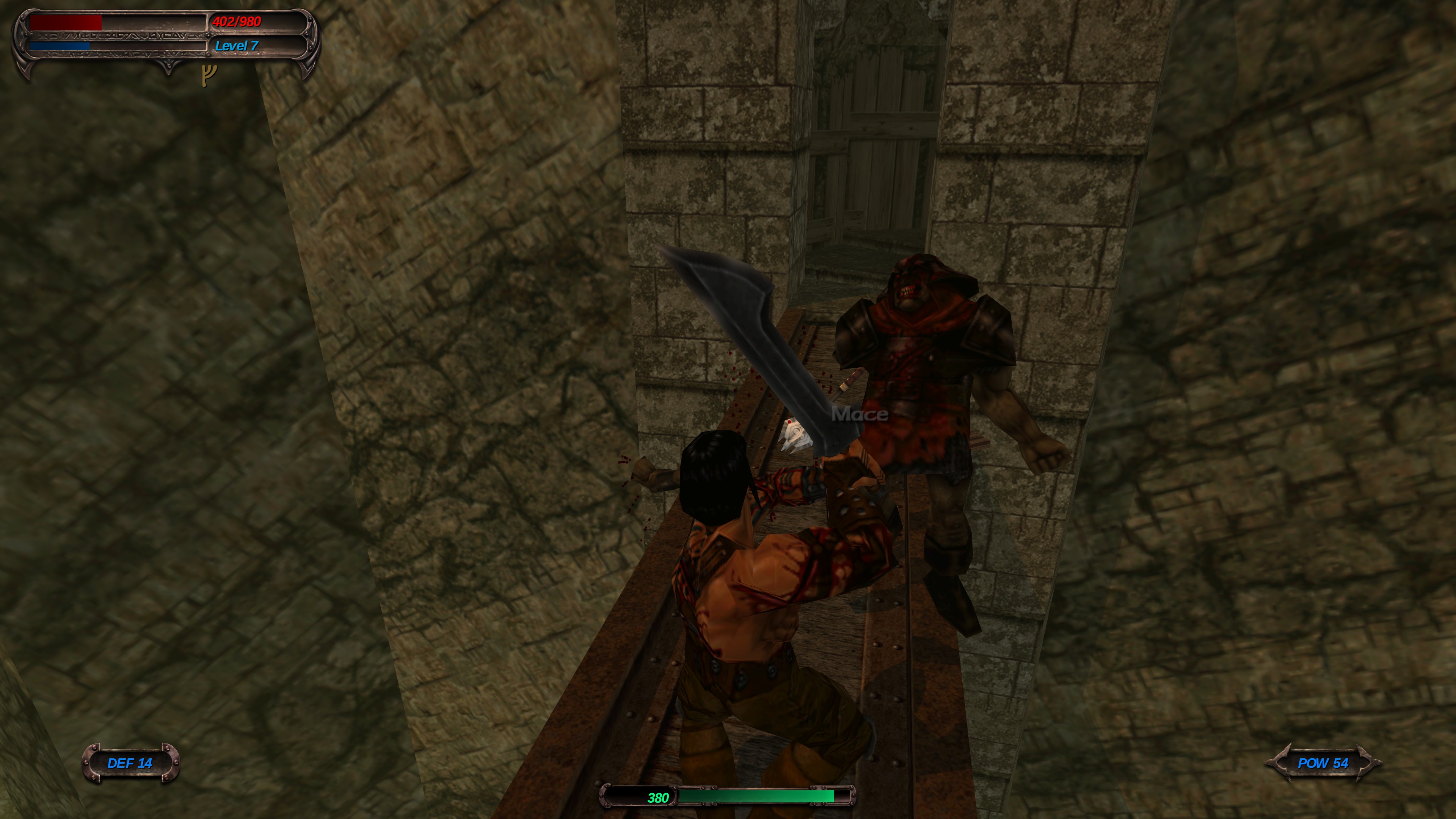
In the modern era, comparisons to FromSoftware’s Dark Souls are inevitable. While Blade of Darkness has no causal link to the Souls series, the parallels are striking. The game prioritizes stamina management, tactical positioning, and the weight of every strike. Weapons are breakable, shields are fragile, and every enemy—from the lowly goblin to the skinless vampire boss—poses a legitimate threat to your survival.
The combat animations, while appearing slightly "stiff" by contemporary standards, possess a rhythmic quality that is deeply rewarding once mastered. Players must learn to weave between attacks, capitalize on openings, and manage their health bar with extreme care.
Technical Performance and Visuals
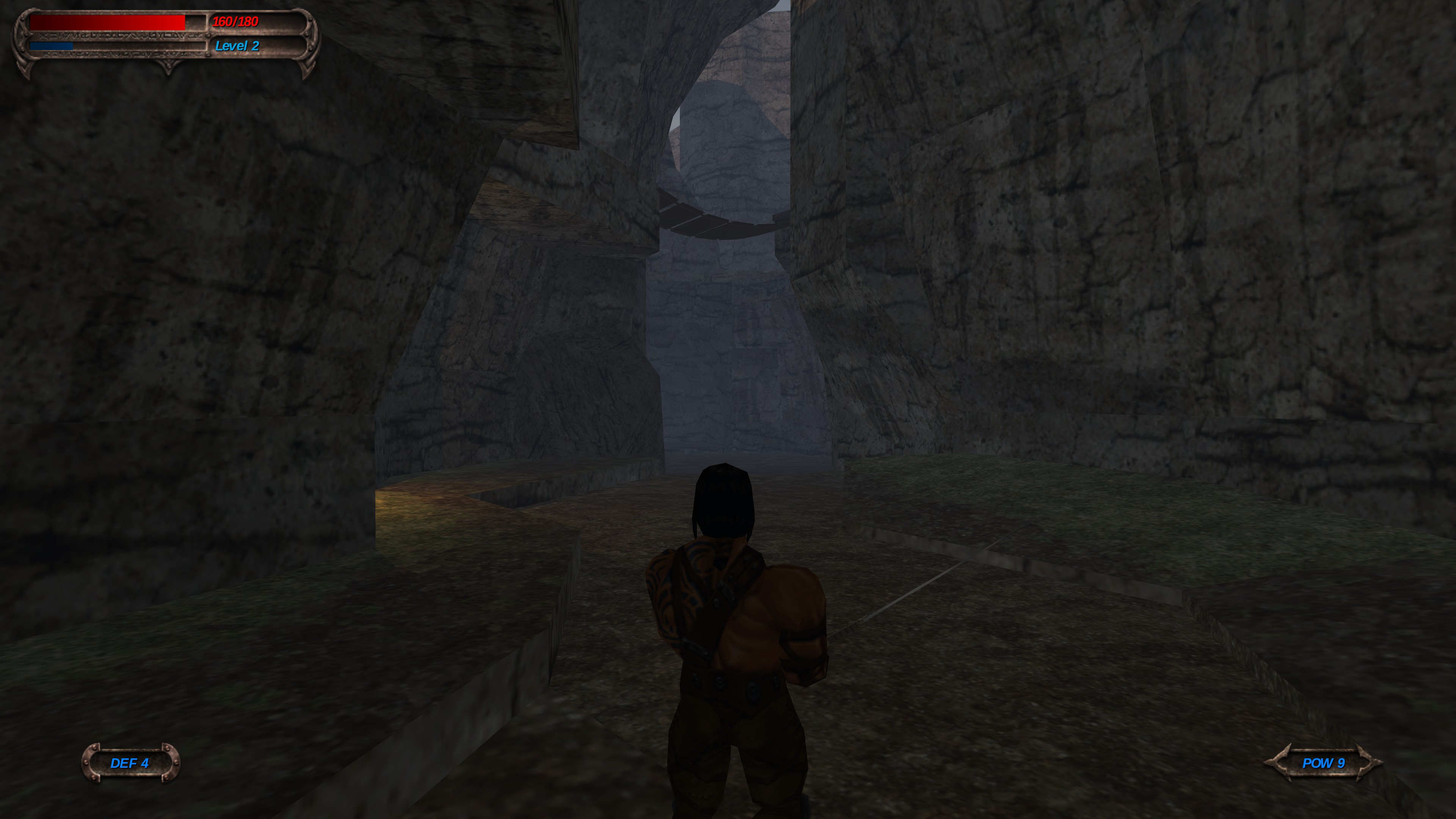
It is a testament to Rebel Act Studio’s original engine that the game still looks and feels impressive today. The dynamic lighting, which forces players to carry torches through pitch-black corridors, remains a high-water mark for environmental immersion. The lighting engine creates high-contrast, moody scenes that many modern indie games struggle to replicate with the same efficacy.
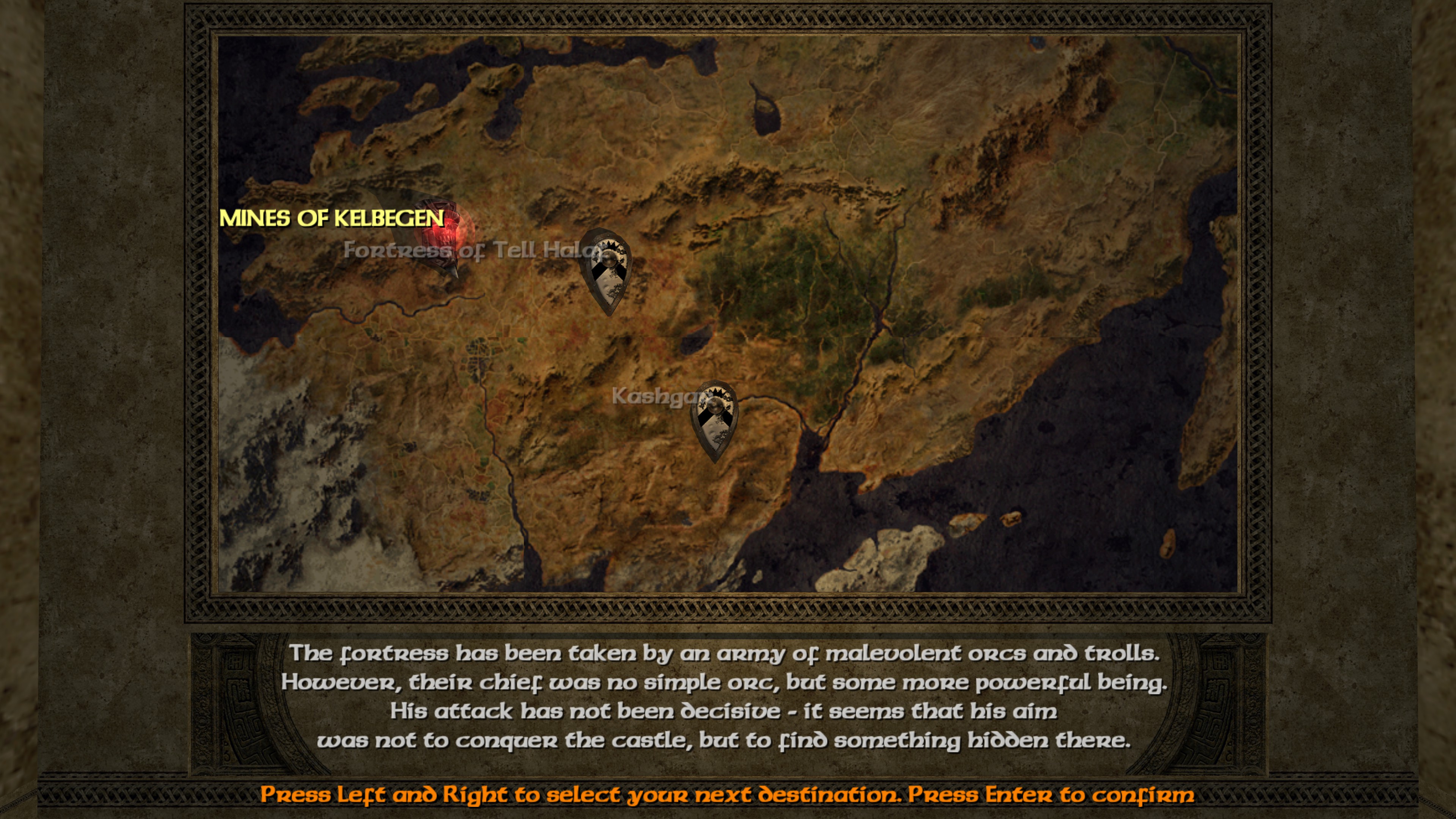
However, the game is not without its flaws. The platforming, a common failing of early 3D titles, is undeniably clunky. Precision jumping in a game that was designed for tactical combat often leads to unnecessary deaths, particularly in vertical, narrow-ledge environments.
Official Perspectives and Market Implications
Why Now?
The re-release of Blade of Darkness serves as a case study for the value of game preservation. SNEG’s decision to publish the game on Steam acknowledges that there is a significant market for "hardcore" retro gaming. By removing the technical barriers, they have allowed a new generation of players to experience a title that serves as a vital historical bridge between the arcade-style action of the 90s and the methodical RPGs of today.
The Impact on the Genre
The return of this title forces a re-evaluation of how we categorize "modern" combat mechanics. It proves that the "weighty" melee combat popularized in the last decade was, in fact, a concept that had been successfully realized twenty years prior. For developers, Blade of Darkness serves as a masterclass in how to build tension through limited resources and environmental atmosphere rather than scripted events.
Conclusion: An Essential Experience
Despite its age, Blade of Darkness feels remarkably fresh. It is an unapologetic, difficult, and atmospheric adventure that demands patience and rewards skill. While the platforming sections may cause modern players to roll their eyes, the combat, the lighting, and the distinct, brutal fantasy world make it an essential purchase for anyone interested in the history of action RPGs.
If you are a fan of the Souls genre, or simply someone who appreciates a game that trusts its audience to figure things out for themselves, you owe it to yourself to experience Blade of Darkness. For the price of a coffee and a sandwich, you are not just buying a game; you are reclaiming a vital, exhilarating piece of gaming heritage that was never meant to be lost to the dark.
Recommendation: Buy it, play it, and prepare to be humbled by the skeleton that just cornered you in a basement. It is a rare, rewarding experience that reminds us why we fell in love with gaming in the first place.


 Nana Muazin