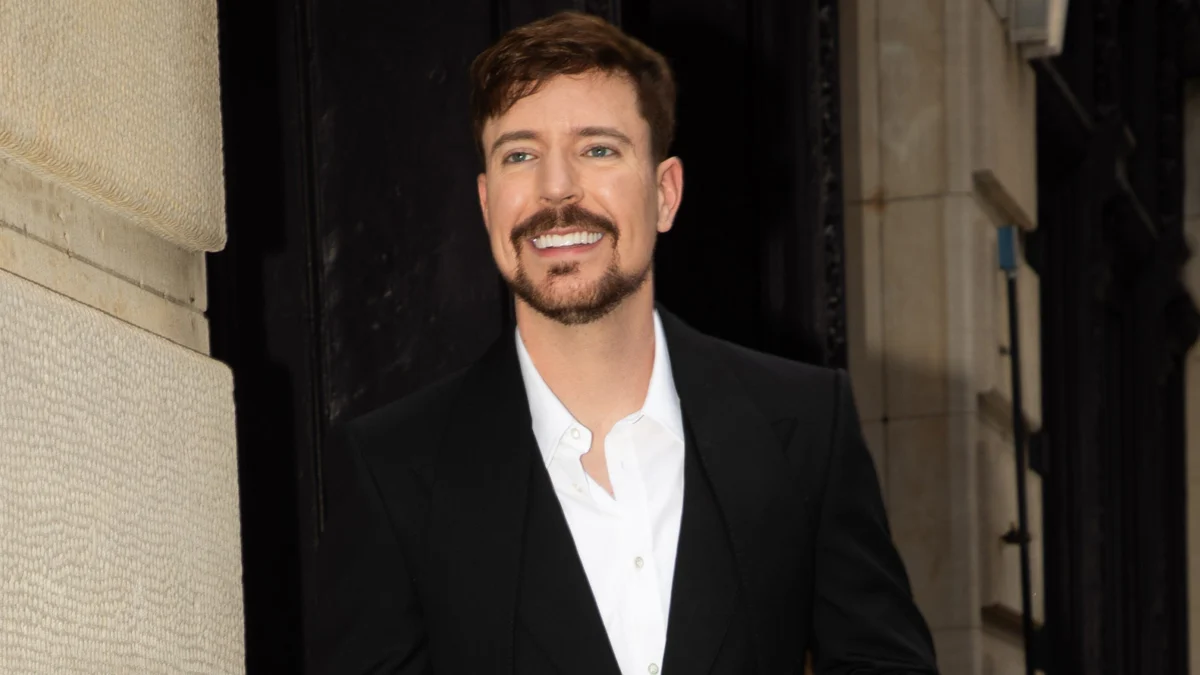
In an era where social media is often criticized for fostering superficial connections, a recent interaction on TikTok has served as a poignant reminder of the platform’s potential for genuine, life-altering impact. Jimmy “MrBeast” Donaldson, the world’s most-followed individual YouTube creator, recently demonstrated the speed and scale of his philanthropic reach by replacing a stranger’s totaled vehicle within hours of a desperate social media plea.
The event, which began as a routine distress call on the short-form video platform, highlights the unique intersection of parasocial influence, rapid-response logistics, and the evolving nature of digital charity.
The Catalyst: A Desperate Plea in the Digital Void
The sequence of events began when a TikTok user known as Riley (@rileylovesguineapigz) faced a catastrophic mechanical failure. Her red SUV, a vehicle essential for her daily life, suffered a terminal engine failure. With the realization that the cost of repairs would likely exceed the vehicle’s residual value, Riley found herself in a precarious financial situation.
In what she described as a "last resort," Riley recorded a short video documenting the lifeless state of her vehicle. With a mixture of vulnerability and characteristic internet humor, she posted the clip with the on-screen text: “So our engine just broke. This car is probably a total loss. @MrBeast help? my last resort.”
At the time of posting, the video was relatively obscure, boasting only a fraction of the reach that typically garners the attention of global celebrities. However, the algorithm—and perhaps the watchful eye of Donaldson’s social media team—intervened. Within five hours of the video’s upload, the notification appeared that would change Riley’s week: a direct reply from MrBeast himself simply stating, “Just DM’d you!”
Chronology of a Lightning-Fast Resolution
The speed at which the situation unfolded suggests a highly organized operational approach to social media management. The chronology of the interaction is as follows:
- T-Minus 0 Hours: Riley posts the video documenting the engine failure, tagging MrBeast as a long-shot request for assistance.
- T-Plus 5 Hours: MrBeast discovers the video and posts a public comment acknowledging the request and initiating a direct line of communication.
- T-Plus 7 Hours: MrBeast releases a follow-up video, documenting his visit to a local car dealership. In the video, he explains that he was moved by her predicament and had already secured a replacement vehicle.
- T-Plus 8 Hours: The logistics process begins. Footage confirms the new vehicle is being loaded onto a professional car transport truck, destined for the location provided by Riley.
This rapid-fire resolution is characteristic of Donaldson’s brand, which has long been defined by its high-intensity execution and ability to mobilize resources at a moment’s notice.
The Mechanics of Modern Philanthropy
MrBeast’s response was not merely a gesture of goodwill; it was a demonstration of the logistical infrastructure that powers his content. In his response video, Donaldson stated: “Riley, I just walked out of the car dealership with your brand new car. I saw your TikTok, and I felt really bad that, you know, your car broke down. So this car is currently being loaded up on this truck, which will deliver it wherever you are in the world.”
He then provided clear instructions to the recipient, urging her to finalize the details via direct message to ensure the vehicle’s safe arrival. The sight of a brand-new car being loaded onto a transport truck—an image rarely associated with an unverified social media request—solidified the authenticity of the gesture.
For many, this serves as a case study in how the digital economy can bridge the gap between extreme wealth and individual necessity. While traditional philanthropy often involves layers of bureaucratic vetting, social media influencers like Donaldson have pioneered a "direct-to-consumer" charity model that bypasses traditional gatekeepers.
Supporting Data and Context
The virality of Riley’s original plea was relatively modest. At the time of writing, the video had accrued approximately 200,000 views—a significant number by average standards, but a drop in the ocean for a creator of MrBeast’s magnitude. The fact that he intervened in a video with such a relatively small audience underscores a level of active monitoring that is rare among celebrities of his stature.
Furthermore, this event occurred against the backdrop of a significant milestone for the creator. Just weeks prior, MrBeast became the first individual creator to surpass 500 million cumulative subscribers across his YouTube channels. This scale of audience provides the revenue and the cultural leverage necessary to undertake such high-cost charitable endeavors.
In an interview regarding his subscriber milestone, Donaldson reflected on his mission: “I’m not focused on the numbers; I’m focused on making the best videos possible. I want to entertain, but I also want to use the resources we have to do real good in the world.”
Official Responses and Public Sentiment
The public reaction to the exchange has been overwhelmingly positive, though it has also sparked broader discussions regarding the role of "content-based charity."
Critics occasionally argue that turning charitable acts into content can exploit the recipient’s misfortune. However, in this instance, Riley’s proactive request for help seemingly mitigated those concerns. By tagging the creator, she consented to the public nature of the interaction.
There has been no official statement from Riley regarding the final arrival of the vehicle as of the latest update, but the community sentiment surrounding the event has been largely celebratory. The interaction has reinforced the perception of MrBeast as a benevolent figure, a brand identity he has carefully cultivated through years of high-budget giveaways, food bank initiatives, and humanitarian projects.
Broader Implications for the Creator Economy
The implications of this incident are twofold:
1. The Rise of "Micro-Philanthropy"
This event highlights the increasing power of micro-philanthropy. Individuals in need are increasingly turning to digital platforms as a form of social insurance. When traditional safety nets fail, the public visibility of social media can act as a catalyst for immediate, private-sector intervention.
2. The Influence of the "Omni-Channel" Creator
MrBeast’s ability to move from a TikTok comment to a car dealership in a matter of hours demonstrates the integration of his personal brand across multiple digital ecosystems. He is not merely a content creator; he is an logistics operator. His ability to deploy capital and resources instantly is what differentiates him from traditional media figures who operate under the constraints of production schedules and legal departments.
Conclusion
The story of Riley and her red SUV is more than just a viral moment; it is a snapshot of the current state of digital influence. As the creator economy continues to mature, the lines between entertainment and utility are blurring. For the millions who watch MrBeast, these acts of charity serve as the backbone of his brand, providing a sense of moral purpose to the immense wealth generated by his digital empire.
While one new car does not solve systemic economic instability, it does illustrate a new paradigm of community support. In a digital world where followers are often treated as statistics, this interaction proved that for the right creator, a single user’s plea can still be heard—and answered—with life-changing speed. As MrBeast continues to push the boundaries of what is possible on YouTube, his audience will undoubtedly continue to look toward him not just for entertainment, but for the tangible, real-world impact that only he seems capable of delivering on a global stage.