Nana
Nana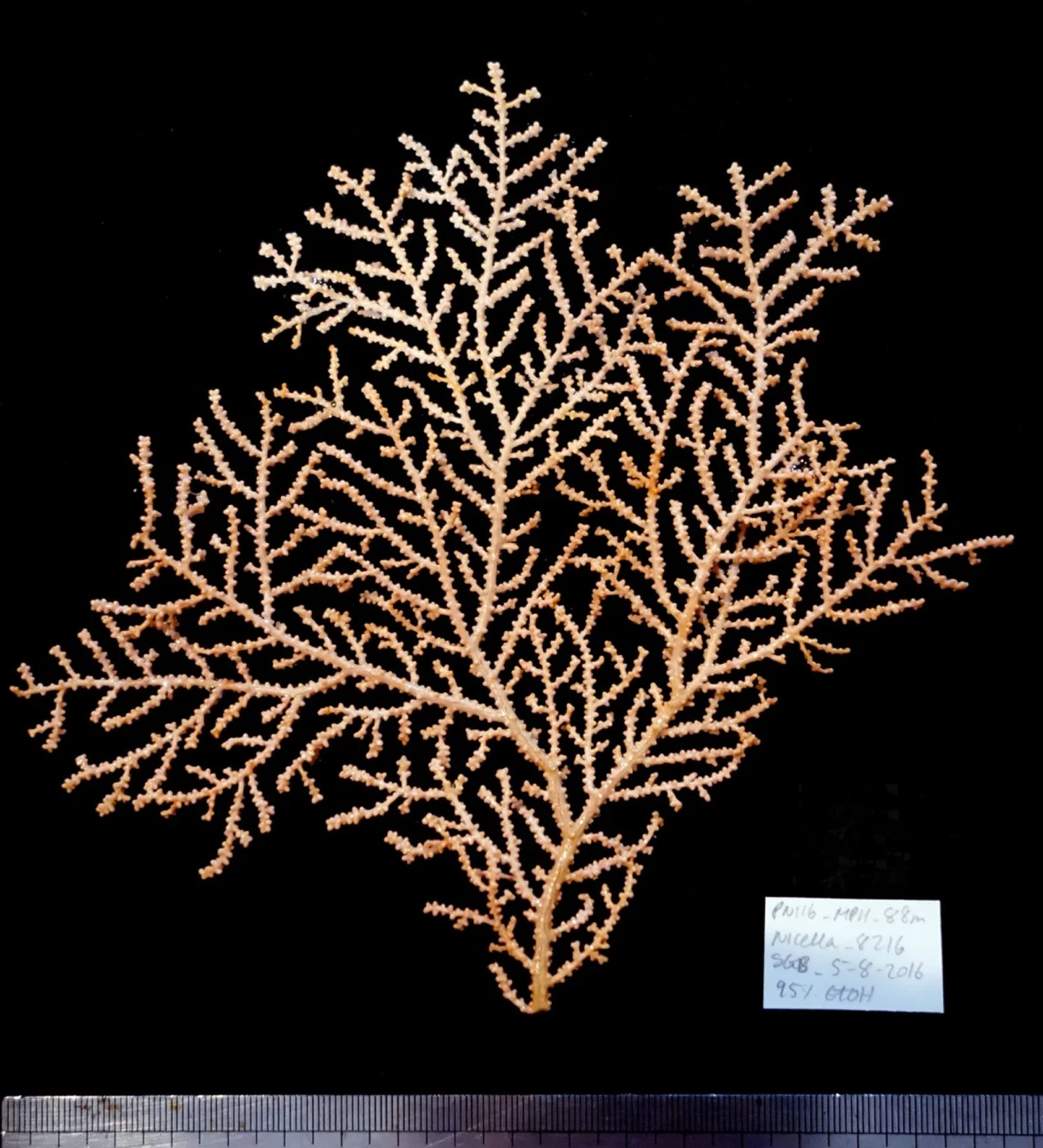
The Earth is often misnamed. Viewed from the vast, silent vacuum of space, our world is a vibrant, swirling marble of deep cobalt and turquoise—a liquid planet where land is merely an afterthought. Oceans cover more than 70 percent of the surface, yet they remain the final, untamed frontier. While humanity has mapped the craters of the moon and sent rovers to the rust-colored plains of Mars, we have left the majority of our own planet’s lifeforms in total obscurity.
According to the Nippon Foundation-Nekton Ocean Census, a staggering 90 percent of marine life remains a mystery to science. We are, quite literally, living on a planet we have yet to meet. However, a monumental shift in marine exploration is currently underway, aiming to document the hidden biodiversity of the deep before it is lost to the compounding pressures of climate change, pollution, and industrial exploitation.
The State of the Deep: A Landscape of Mystery
The oceans are not merely a backdrop for global trade or a source of seafood; they are the lungs of the planet and the primary regulators of our climate. Despite this, marine taxonomy—the science of naming and describing species—has historically been an agonizingly slow process. For decades, scientists have recorded tens of thousands of species, yet the pace of discovery has been hampered by technological limitations, the extreme nature of the deep-sea environment, and a global shortage of taxonomic experts.

The "Ocean Census," a major collaborative initiative spearheaded by the Nippon Foundation and the Nekton Foundation, alongside key partners like the Schmidt Ocean Institute, is designed to break this bottleneck. By integrating cutting-edge robotics, advanced imaging, and global scientific networks, the initiative is effectively "industrializing" the process of species discovery.
Chronology of Discovery: A Year of Unprecedented Milestones
The scale of the effort is best illustrated by the results of the 2025–2026 fiscal year. Between April 1, 2025, and March 31, 2026, researchers involved in the Ocean Census officially documented 1,121 new species. This was not a passive accumulation of data, but the result of a highly coordinated global campaign involving 13 deep-sea expeditions and nine intensive "species discovery workshops."
The 2025–2026 Roadmap:
- April – June 2025: Initial expeditions focused on hydrothermal vents and deep-sea ridges, areas known for high endemism. The first 200 species were identified during this window.
- July – September 2025: The "Species Discovery Workshop" initiative began, bringing together taxonomists from six continents to accelerate the formal description of specimens gathered by the ROV SuBastian and other submersible platforms.
- October 2025 – January 2026: A series of trans-oceanic expeditions targeted previously uncharted trenches, revealing high concentrations of cnidarians and annelids.
- February – March 2026: Final data synthesis and peer-review processing concluded the fiscal year, confirming the 1,121-species milestone.
Supporting Data: A Gallery of the Unknown
The findings from this year highlight the incredible morphological diversity of the deep. Among the most striking discoveries were:

- The Carnivorous "Death Ball" Sponge (Chondrocladia sp.): A predatory creature that defies the common image of sponges as passive filter feeders. Found in the deep, its bulbous, delicate limbs serve as a trap for tiny crustaceans.
- The "Glass Castle" Worm (Dalhousiella yabukii): A marvel of biological engineering, this annelid possesses structural features that have fascinated researchers due to their unique, translucent, and crystalline appearance.
- The Mystery Ridge Sea Pen (Ptilella sp. OCSS_1146): An elegant, orange-ruffled cnidarian discovered along a remote underwater ridge, showcasing the complex, fragile ecosystems that exist thousands of meters below the surface.
- The Sea Cave Shrimp (Caridion sp.1): A testament to the localized evolution occurring in isolated deep-sea micro-habitats.
These are not merely curiosities; they are essential nodes in the web of life. Each species serves as a biological indicator of the health of its environment. The sheer volume of these findings suggests that our previous estimates of marine biodiversity were, at best, conservative guesses.
Official Responses: The Race Against Time
The urgency driving the Ocean Census is palpable among the scientific community. The project is not just about academic curiosity; it is about preservation.
"With many species at risk of disappearing before they are even documented, we are in a race against time to understand and protect ocean life," says Dr. Michelle Taylor, Head of Science for Ocean Census. "Too many species remain in limbo for years because the process of formally describing them is too slow. We urgently need to change that. Every new species—whether a shark or a sponge—deepens our understanding of marine ecosystems and the benefits they provide for the planet."

Dr. Taylor’s concerns are shared by the broader environmental community. The "taxonomic impediment"—the lack of trained professionals who can formally identify and describe species—has long hindered conservation efforts. If we do not know what lives in a region, we cannot create effective marine protected areas (MPAs) or advocate for the regulation of deep-sea mining. The Ocean Census is effectively creating a new model for "rapid-response taxonomy," where field data is immediately paired with laboratory analysis to reduce the time from discovery to publication from years to months.
Implications: Why the Census Matters
The implications of the Ocean Census extend far beyond the pages of scientific journals.
1. Climate Resilience
Many of the species being discovered play critical roles in carbon sequestration. By understanding the life cycles and metabolic functions of deep-sea organisms, scientists can better predict how the ocean will respond to rising temperatures and ocean acidification.

2. Pharmaceutical Potential
Historically, the ocean has been a goldmine for biomedical research. Compounds derived from deep-sea sponges and corals have already led to breakthroughs in cancer treatments and antibiotic development. The discovery of over 1,000 new species in a single year offers a massive, untapped library of genetic material that could yield the next generation of life-saving medicines.
3. Policy and Conservation
Global policy frameworks, such as the UN’s High Seas Treaty, rely on robust data to determine which areas of the ocean require urgent protection. The Ocean Census provides the evidence base necessary for governments to make informed decisions regarding the "Blue Economy." Without this data, policy is made in the dark.
4. Technological Evolution
The project has also pushed the boundaries of remote sensing and underwater imaging. The use of high-definition cameras on vehicles like the ROV SuBastian allows for non-invasive species identification, meaning researchers can gather high-quality data without necessarily extracting the animal from its habitat, thus preserving the very environments they seek to study.

Conclusion: The Horizon of Discovery
The work of the Ocean Census is far from complete. As of mid-2026, hundreds of additional specimens are currently being analyzed in labs around the world, suggesting that the tally for the coming year could be even higher.
We are currently witnessing a golden age of exploration, one that is not defined by flags planted on distant shores, but by the patient, meticulous work of taxonomists and engineers peering into the abyss. By cataloging these 1,121 new species, the Ocean Census is doing more than just filling a database; it is rewriting the history of life on Earth.
As we look toward the future, the message is clear: the ocean is not an empty void, but a teeming, vibrant, and fragile world. It is a world that requires our stewardship, but above all, it requires our attention. To protect what we do not know is impossible; the Ocean Census is the first step in ensuring that we finally know our oceans, and in doing so, ensure our own survival on this blue planet.

For those interested in exploring these discoveries in detail, the Ocean Census continues to update its digital database, inviting the public to witness the breathtaking, bizarre, and beautiful creatures that share our home. The depths are calling, and for the first time, we are finally beginning to listen.


 Basiran
 Asro
Asro