Ali Ikhwan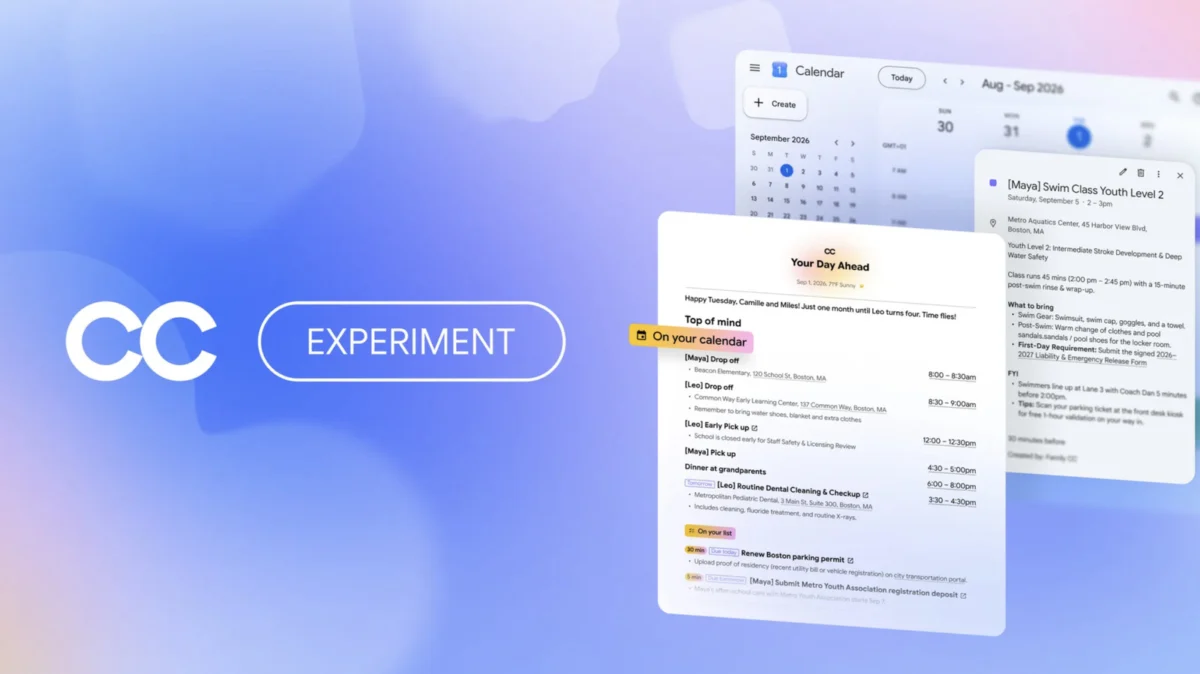
In the rapidly evolving landscape of generative AI, the competition to move beyond simple chatbots and into the realm of "agentic" computing has reached a fever pitch. Google, an early pioneer in the field, is now pivoting its experimental AI project, CC, to address one of the most chaotic environments known to modern life: the household. By evolving CC into a shared, family-centric AI agent, Google is attempting to solve the "coordination tax" that plagues busy families, roommates, and small groups, moving AI from a solitary productivity tool to a collaborative digital assistant.
The Evolution of CC: From Daily Briefing to Family Concierge
At its core, CC is an agentic AI platform that operates as a distinct member of a digital group. Unlike standard AI assistants that operate in silos, CC is designed to function as a shared entity. Up to six family members or group participants can invite CC into their ecosystem, granting it access to select information.
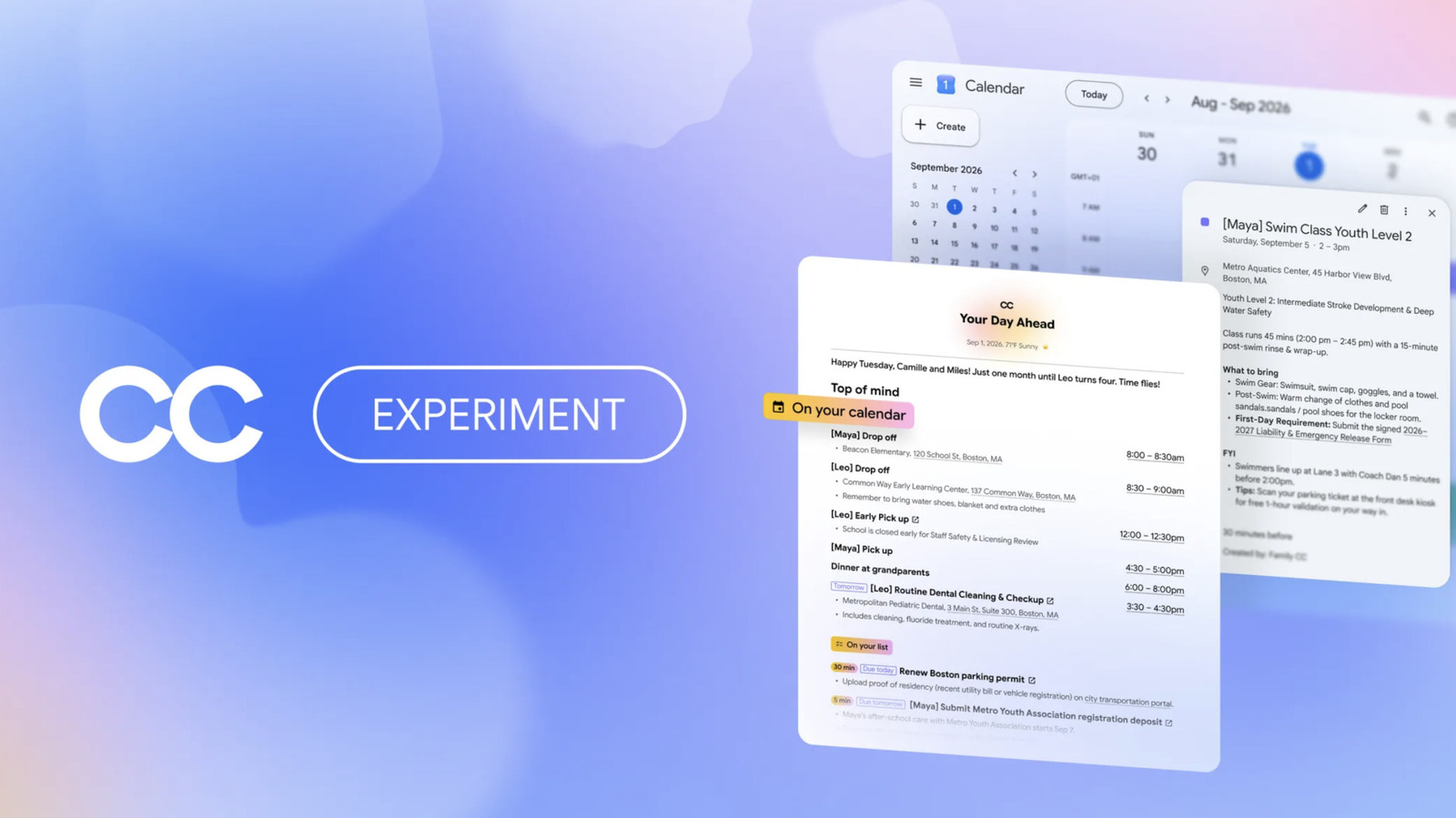
The utility of the agent lies in its ability to centralize fragmented information. Users can share specific emails, calendar entries, and tasks with the agent. By granularly selecting what to share—either on an ad-hoc basis or by establishing automated forwarding rules for specific contacts—users can feed the agent the necessary context to manage household logistics. The result is a unified, shared calendar and task list that provides a "single source of truth" for the entire group.
Perhaps the most significant value proposition is the "Daily Briefing." Every day, CC generates a summary of the group’s upcoming commitments, pending chores, and urgent notifications. This removes the friction of cross-referencing multiple individual calendars, potentially reducing the cognitive load on families juggling school runs, work deadlines, and social obligations.
A Chronology of the CC Project
The journey of CC is a testament to Google’s "build-measure-learn" approach to AI deployment within its Google Labs incubator.
- December 2023: Google first unveiled the experimental tool known as CC. At the time, it was positioned as a personal AI assistant focused on synthesis and summarization.
- Early 2024: Following initial feedback, Google pivoted the branding of the project, folding its core functionality into the "Daily Briefing" feature within the broader Gemini ecosystem. This period marked a transition where the project’s specific identity was temporarily subsumed by Google’s larger, more aggressive push to unify its AI under the Gemini banner.
- Late 2024: Responding to sustained interest and specific requests from early testers who wanted to use the technology for collaborative planning rather than just personal organization, Google re-launched CC as a dedicated, group-focused agentic platform.
- Present Day: CC is now being rolled out to existing users with an invitation for new users to join a waitlist, marking its transition into a specialized tool designed specifically for household and small-group orchestration.
The Mechanics of Agentic Collaboration
To understand why CC is considered "agentic," one must look at how it interacts with the Google workspace. It is not merely a passive display of information; it is a participant.
CC can be added to specific Google Drive folders, allowing it to ingest documents, contracts, or reference materials. When a user interacts with the agent via a dedicated Google Chat window, they are speaking to an entity that has "read" the shared context.
The agent is designed to assist with complex, multi-step tasks. For example, if a family needs to fill out registration forms for a sports league or compile a recurring grocery list, CC can assist in drafting these documents. Crucially, Google has implemented a "human-in-the-loop" requirement: the agent is designed to request explicit permission before it commits to any action, such as finalizing a purchase or sending an email. This guardrail is intended to prevent the agent from acting autonomously in ways that could have financial or social consequences for the family unit.
Privacy and Boundaries: The "Agentic" Dilemma
Entrusting an AI with family data—ranging from school email addresses to medical appointment details—raises significant privacy concerns. Google has proactively addressed these concerns through its FAQ and structural limitations.
The architecture of CC is built with strict boundary definitions. Most notably:
- Restricted Permissions: CC cannot modify the membership of the group. It cannot add or remove family members, ensuring that the group’s privacy remains under the control of the human administrators.
- No "God Mode" Inbox Access: Contrary to fears that an agent might scrape every private email, CC does not have unrestricted access to individual member inboxes. It only sees what the user explicitly forwards or shares with the agent. This is a critical distinction that separates CC from a total-surveillance assistant.
- Transparency: By keeping the interactions within a dedicated Google Chat window, the group has a transparent log of what the agent has been asked to do and how it has responded.
Implications for the Future of Shared AI
The move to make CC a family-centric tool signals a broader shift in how Big Tech views the role of AI. For the past two years, the industry has focused on "AI as a Co-pilot"—a tool for the individual to write better code, summarize long documents, or generate creative imagery.
However, the "AI as a Household Manager" model addresses a different market: the "Mental Load" economy. Studies on household labor often highlight that the primary source of stress in families is not just the execution of tasks, but the coordination, planning, and scheduling of them. By offloading this administrative burden to an agentic AI, Google is positioning its technology as a solution to a chronic societal pain point.
Furthermore, this pivot suggests that Google is looking to increase "stickiness" within its ecosystem. If a family relies on CC to manage their daily life, the cost of switching to a competitor becomes prohibitively high. This strategy of deep integration, combined with the convenience of shared information, could solidify Google’s dominance in the domestic sphere.
Looking Ahead: The Waitlist and Beyond
For those interested in testing the limits of CC, the barrier to entry remains a waitlist, a common tactic for Google Labs to manage server load and gather high-quality feedback. Existing users will see prompts to "upgrade" their CC experience, signaling that the transition is seamless for early adopters.
The success of CC will ultimately depend on the agent’s reliability and its ability to handle nuance. Can it distinguish between a high-priority school notification and a junk email? Can it navigate the complexities of a family member’s changing schedule without causing a conflict?
As we move into 2025, CC represents an important case study in human-AI collaboration. If it succeeds, it could set the standard for how families interact with technology, moving us away from a world of fragmented apps and calendars toward a future where our digital lives are managed by a centralized, collaborative, and—most importantly—controllable AI agent. The experiment is not just about technology; it is about whether we are ready to trust an algorithm to help us run our homes.


 Rifan Muazin