Sagoh
Sagoh
Published: May 28, 2026, 4:54 PM EDT
The world of video game collecting is currently witnessing a phenomenal event, as a highly coveted piece of modern gaming history – a Nintendo 3DS XL personally signed by legendary game designer Shigeru Miyamoto – has soared past the $20,000 mark on eBay, with ample time remaining in the auction. This extraordinary handheld console was the grand prize awarded to John Goldberg, known in the competitive gaming circuit as "John Numbers," for his victory at the prestigious 2015 Nintendo World Championships. The rapid escalation of bids underscores the immense value collectors place on items steeped in gaming lore, particularly those bearing the direct mark of its most iconic creators.
The auction, initiated by Goldberg himself, has captured the attention of enthusiasts, historians, and high-stakes collectors alike. What began as a personal decision to part with a treasured memento has quickly transformed into a bidding war, highlighting the burgeoning market for unique and historically significant gaming artifacts. As the price continues to climb, the sale is poised to establish a new benchmark for contemporary gaming memorabilia, cementing the legacy of both the Nintendo World Championships and the enduring impact of Shigeru Miyamoto.
Main Facts: A Trophy Console Up for Grabs
The item at the heart of this fervor is a standard Nintendo 3DS XL, rendered anything but standard by the indelible signature of Shigeru Miyamoto, the creative genius behind franchises like Super Mario, The Legend of Zelda, and Pikmin. This particular console was not merely a signed item; it was the physical embodiment of a championship triumph, awarded to John "Numbers" Goldberg as the first-place prize at the highly anticipated 2015 Nintendo World Championships. The event, held during E3, marked a triumphant return for a competition last staged in 1990, captivating audiences and reinvigorating the spirit of competitive Nintendo gaming.
As of the article’s publication on May 28, 2026, Goldberg’s signed 3DS XL had already attracted 52 bids, pushing its price to an astounding $20,100. With seven days still remaining on the auction clock, speculation is rife that the final selling price could far exceed this current figure, potentially placing it among the most expensive pieces of gaming hardware ever sold. The authenticity of the item is unimpeachable, with Goldberg providing photographic evidence of himself and his NWC championship trophy alongside the console, further cementing its provenance. He has also expressed his surprise at the overwhelming demand, going as far as to offer personal delivery to the eventual winner to mitigate any shipping risks associated with such an invaluable item. This personal touch not only adds to the narrative but also reflects the extraordinary nature of the transaction.
Chronology: A Champion’s Journey and a Priceless Artifact
The story of this particular Nintendo 3DS XL is intrinsically linked to the revival of a legendary competition and the triumph of a dedicated gamer. Its journey from a standard piece of hardware to a coveted collector’s item is a testament to the intersection of competitive gaming, personal achievement, and the enduring influence of its creators.
The Genesis of a Legend: The 2015 Nintendo World Championships Revival
After a 25-year hiatus, Nintendo announced the return of the Nintendo World Championships, a move that sent ripples of excitement through the global gaming community. The original 1990 event had become the stuff of legend, producing ultra-rare cartridges that now command astronomical prices. The 2015 iteration, held on June 14, 2015, as a kickoff to E3 in Los Angeles, was designed to evoke the same sense of grandeur and competitive spirit. It brought together a diverse group of contestants, including celebrity gamers, YouTube personalities, professional esports players, and everyday fans who had earned their spots through regional qualifiers. The event was a spectacular showcase of Nintendo’s rich gaming heritage and its future, blending nostalgia with cutting-edge titles.
John Numbers’ Ascent to Victory
Among the hopefuls was John Goldberg, competing under his well-known gaming alias, "John Numbers." A seasoned competitor with a deep understanding of Nintendo’s diverse game library, Goldberg navigated through a series of challenging rounds, each testing different skill sets across various Nintendo titles. The competition format was brutal, with players facing elimination across a medley of games, from classic The Legend of Zelda challenges to speedruns in Splatoon. Goldberg consistently demonstrated exceptional skill, adaptability, and composure under pressure, steadily progressing through the bracket. His journey resonated with many, embodying the spirit of dedication and mastery required to excel at such a high-stakes event.
The Iconic Final: Super Mario Maker’s Debut
The climax of the 2015 Nintendo World Championships pitted John Numbers against Narcissa Wright, a renowned speedrunner and a formidable opponent. The grand final was a masterstroke of marketing and competitive gaming, taking place on a then-unreleased Super Mario Maker. This choice was incredibly significant, as it offered the world its first real glimpse into the creative and potentially "hellish" level designs that the game would unleash upon its launch. The final challenge was a custom-designed, incredibly difficult Super Mario Maker course, demanding pixel-perfect jumps, quick thinking, and an intimate knowledge of Mario mechanics.
The tension was palpable as Goldberg and Wright battled it out, their every move scrutinized by an audience of millions watching live and online. In a truly memorable performance, John Numbers emerged victorious, conquering the daunting Super Mario Maker level and securing his place in Nintendo history. His victory was not just a personal triumph but a landmark moment for the burgeoning esports scene, demonstrating the excitement and drama that competitive gaming could deliver.
The Prize: More Than Just a Console
As the confetti fell and the crowd roared, John Numbers was presented with his hard-earned accolades: the prestigious Nintendo World Championships trophy and the custom-signed Nintendo 3DS XL. The signature, penned personally by Shigeru Miyamoto, transformed an already special prize into an unparalleled collector’s item. Miyamoto, a figure revered globally for his groundbreaking contributions to video game design, rarely signs merchandise, making his autograph exceptionally scarce and highly sought after. For Goldberg, the 3DS represented not just a valuable piece of hardware, but a tangible symbol of his dedication, skill, and an unforgettable moment of glory. It was a direct connection to the creative force behind the games he had mastered.
The Decision to Sell: A New Chapter for a Prized Possession
Years after his momentous victory, John Goldberg made the difficult decision to part with his championship 3DS. On his X (formerly Twitter) account, he announced the auction, stating, "Alright, this is a big one, and I have thought about this for a while, but I’ve went and put my prize 3DS, from the 2015 Nintendo World Championships, up on eBay. It was signed by Shigeru Miyamoto himself!" He later added, "I do wonder if there would be any takers on this. Guess we’ll see how it shakes out!" Goldberg’s posts conveyed a mix of anticipation and perhaps a touch of apprehension, underscoring the personal significance of the item he was releasing into the market. While his specific motivations for selling remain private, such decisions often involve a combination of financial opportunity, a desire to share a piece of history, or a practical need. The immediate and overwhelming response to the auction clearly exceeded his initial expectations, affirming the 3DS’s status as a top-tier collectible.
Supporting Data: The Unprecedented Value of Gaming Memorabilia
The current auction for John Numbers’ signed 3DS is not an isolated incident but rather a prominent indicator of a booming market for video game collectibles. Its escalating price reflects a confluence of factors, including the rarity of the item, the provenance linking it directly to a historic event, and the immense cultural significance of the person whose autograph adorns it.
The Enduring Legacy of the Nintendo World Championships
To understand the current value of Goldberg’s 3DS, one must look to the precedent set by its spiritual predecessor: the 1990 Nintendo World Championships. The custom-made NES cartridges created for that event, featuring unique mini-games based on Super Mario Bros., Rad Racer, and Tetris, are legendary in the collecting world. Only 116 such cartridges were ever produced, with a mere 26 featuring a distinct gold finish. These cartridges have consistently broken records, with one "gray" cartridge selling for over $100,000 in 2014, and gold versions fetching even higher sums, often exceeding $200,000. This established a clear benchmark for the value of official Nintendo championship memorabilia. The 2015 event, followed by another in 2017, reinforced this legacy, cementing the NWC as a pinnacle of competitive Nintendo gaming. More recently, Nintendo acknowledged this heritage with the 2024 release of Nintendo World Championships: NES Edition for the Switch, a speedrunning game designed to evoke the spirit of the classic competitions, further solidifying the brand’s iconic status.
Shigeru Miyamoto: The Architect’s Touch
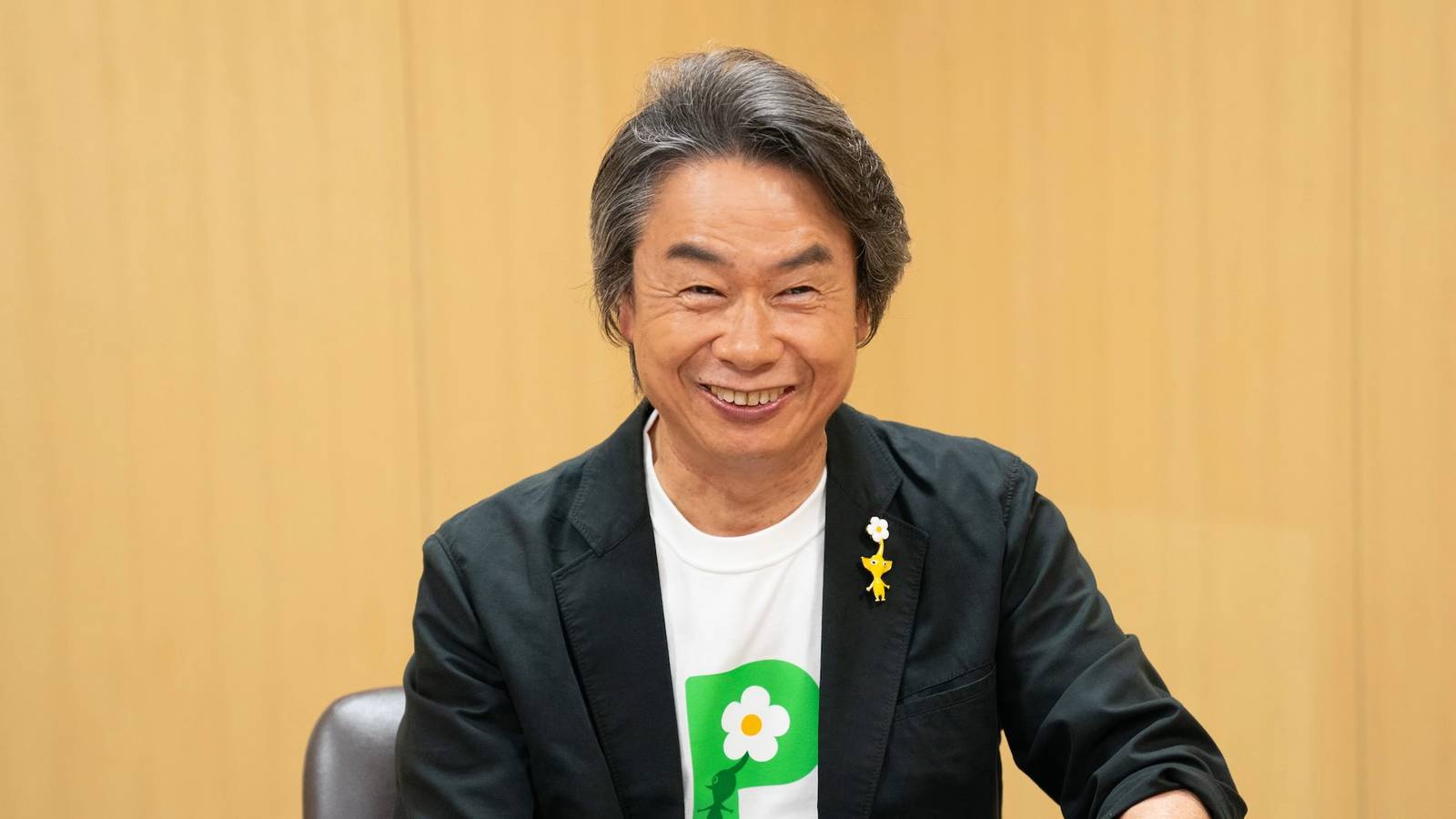
The autograph of Shigeru Miyamoto is arguably the single most critical factor driving the 3DS’s extraordinary value. Miyamoto is not merely a game developer; he is a visionary, often referred to as the "father of modern video gaming." His creations have shaped generations of players and defined entire genres. Items personally signed by Miyamoto are exceedingly rare, as he typically refrains from signing large quantities of merchandise. This scarcity, combined with his global renown and unparalleled influence, imbues his autograph with immense collectible worth. For serious collectors, a Miyamoto-signed item represents a direct link to the genesis of many beloved gaming experiences, a tangible piece of the creative genius that has propelled Nintendo to its legendary status. The authenticity of the signature, verified by its direct acquisition at an official Nintendo event, eliminates the concerns often associated with celebrity autographs on the secondary market.
The Burgeoning Market for Gaming Collectibles
The gaming collectibles market has experienced an unprecedented boom in recent years, driven by nostalgia, increasing recognition of video games as a significant cultural art form, and a growing base of affluent collectors. Sealed, graded retro games have fetched millions, rare consoles have commanded six-figure sums, and unique memorabilia from iconic events or developers are increasingly seen as investment-grade assets. Factors contributing to an item’s value include:
- Rarity: How many exist? (This 3DS is one of two, making it exceptionally rare).
- Provenance: Its documented history and origin (direct from the NWC winner).
- Condition: While not a sealed game, its preservation as a prize is important.
- Cultural Significance: Its connection to a major gaming event and a revered figure.
- Autograph Authenticity: The direct signing by Miyamoto adds an unassailable layer of value.
John Numbers’ 3DS checks every box, positioning it as a prime example of a premium gaming collectible. The auction’s performance suggests a maturing market where historical significance and verifiable authenticity are paramount.
Official Responses and Personal Insights
In the realm of high-value collectibles, particularly those stemming from official company events, the responses (or lack thereof) from the involved parties can often add another layer to the narrative.
Nintendo’s Silence and the Collector’s Realm
As is typical for the company, Nintendo has not issued any official statement regarding the eBay auction of John Numbers’ 3DS XL. This silence is standard practice for Nintendo, which generally refrains from commenting on the secondary market sales of prizes or merchandise. Their role concludes with the awarding of the prize; subsequent transactions are considered private matters for the recipient. However, Nintendo’s very existence, its iconic characters, and the events it stages are what create these valuable artifacts in the first place. The company’s legacy inadvertently fuels the collector’s market, as fans seek to own a piece of the magic that Nintendo consistently delivers. While not directly involved in the sale, Nintendo’s foundational contribution to the item’s value is undeniable.
John Numbers’ Perspective: Surprise, Responsibility, and Logistics
John Goldberg, through his X posts and comments on the eBay listing, has provided the most direct insights into the auction. His initial surprise at the rapid and substantial bidding activity is evident, underscoring that even he, the item’s original recipient, may have underestimated its market potential. "I do wonder if there would be any takers on this. Guess we’ll see how it shakes out!" he wrote, an early sentiment quickly overshadowed by the bidding frenzy.

More significantly, Goldberg has expressed a strong sense of responsibility towards the integrity and safe delivery of such a valuable item. He noted on his eBay page that the scope of the auction had gone beyond what he initially expected, leading him to consider extraordinary measures. Instead of risking potential damage or loss through standard shipping methods, he has openly stated his preference, and even willingness, to personally deliver the system to the eventual winner if feasible. This commitment to ensuring the item reaches its new owner securely speaks volumes about his respect for the prize’s historical significance and its monetary value. It also adds a unique, personal touch to the transaction, potentially offering the winning bidder an opportunity to meet the champion himself.
The Runner-Up’s Prize: A Duplicate in the Ecosystem
An interesting detail mentioned in the original reporting is that Narcissa Wright, the runner-up in the 2015 Nintendo World Championships, also received a Nintendo 3DS XL signed by Shigeru Miyamoto. The existence of this duplicate raises questions about market dynamics, as typically, extreme rarity (e.g., one of one) drives the highest prices. However, as the original article correctly observes, the presence of a second Miyamoto-signed NWC 3DS does not appear to have dampened the bidding enthusiasm for Goldberg’s console in the slightest. This could be attributed to several factors: Goldberg’s console is the first-place prize, carrying the ultimate victor’s prestige; both items are still incredibly rare; or simply, the demand for such unique Miyamoto-signed artifacts vastly outstrips the minimal supply of two. Should Wright ever decide to auction her 3DS, it would undoubtedly command a similar, if not identical, astronomical price.
Implications: Redefining Gaming Collectibles and Esports Legacy
The auction of John Numbers’ Miyamoto-signed Nintendo 3DS XL is more than just a high-profile sale; it carries significant implications for the future of gaming collectibles, the legacy of esports, and the cultural perception of video games.
Setting a New Benchmark
This sale is poised to establish a new benchmark for modern gaming hardware and event-specific memorabilia. While retro games and consoles have long been recognized for their collectible value, contemporary items, especially handhelds like the 3DS, are only now beginning to reach such stratospheric prices. The success of this auction could signal a shift, encouraging more collectors to view modern esports prizes and unique, developer-signed items as legitimate, high-value investments. It validates the idea that even relatively recent gaming history can command prices traditionally reserved for much older, more scarce artifacts.
The Fusion of Esports and Collectibles
As esports continues its rapid global expansion, events like the Nintendo World Championships gain increasing prominence. This auction underscores how competitive gaming events are not just about entertainment and skill, but also about generating tangible pieces of history. The trophies, medals, and unique prizes awarded to champions become relics of significant cultural moments. As esports legends emerge, the memorabilia associated with their triumphs will undoubtedly grow in value, creating a fascinating intersection between competitive sport and the collectibles market. This 3DS is a prime example of how an esports victory can translate into a priceless artifact.
Cultural Significance
Beyond its monetary value, the 3DS represents a tangible piece of gaming history. It embodies the excitement of the 2015 NWC revival, the genius of Shigeru Miyamoto, and the personal triumph of John Goldberg. It’s a physical reminder of a moment when traditional gaming celebrated its past while embracing its future. For the eventual owner, it will be more than a console; it will be a storytelling device, a conversation starter, and a profound connection to the figures and events that have shaped the video game industry.
A "Marty Supreme" Odyssey
The original article playfully suggested a "Marty Supreme"-style odyssey about John Numbers transporting his prized 3DS across state lines, reflecting on his esports fortunes. This lighthearted notion hints at a deeper truth: the emotional journey and personal significance tied to such an item. For John Goldberg, it’s a piece of his history, a testament to years of dedication and a single, defining moment of competitive glory. For the future owner, it will begin a new chapter, perhaps inspiring new stories of preservation, display, and admiration. The 3DS, now detached from its original champion, is embarking on its own odyssey, a journey through the hands of history, fueled by passion and prestige.
The Future of Nintendo Prizes
The extraordinary success of this auction may also influence how Nintendo, and indeed other game companies, approach future prize structures for high-profile competitive events. The allure of a unique, personally signed item from a gaming icon clearly resonates with fans and collectors. Companies might consider incorporating more such bespoke, high-value artifacts into their prize pools, further elevating the prestige of their competitions and creating more sought-after collectibles for future generations.
As the final hours of the auction tick away, the gaming world watches with bated breath, eager to see the ultimate fate of this historic Nintendo 3DS XL. Regardless of the final price, John Numbers’ decision to sell his prize has ignited a passionate discussion about the value of gaming history, the power of a legend’s signature, and the ever-evolving landscape of modern collectibles.


 Lina Irawan