

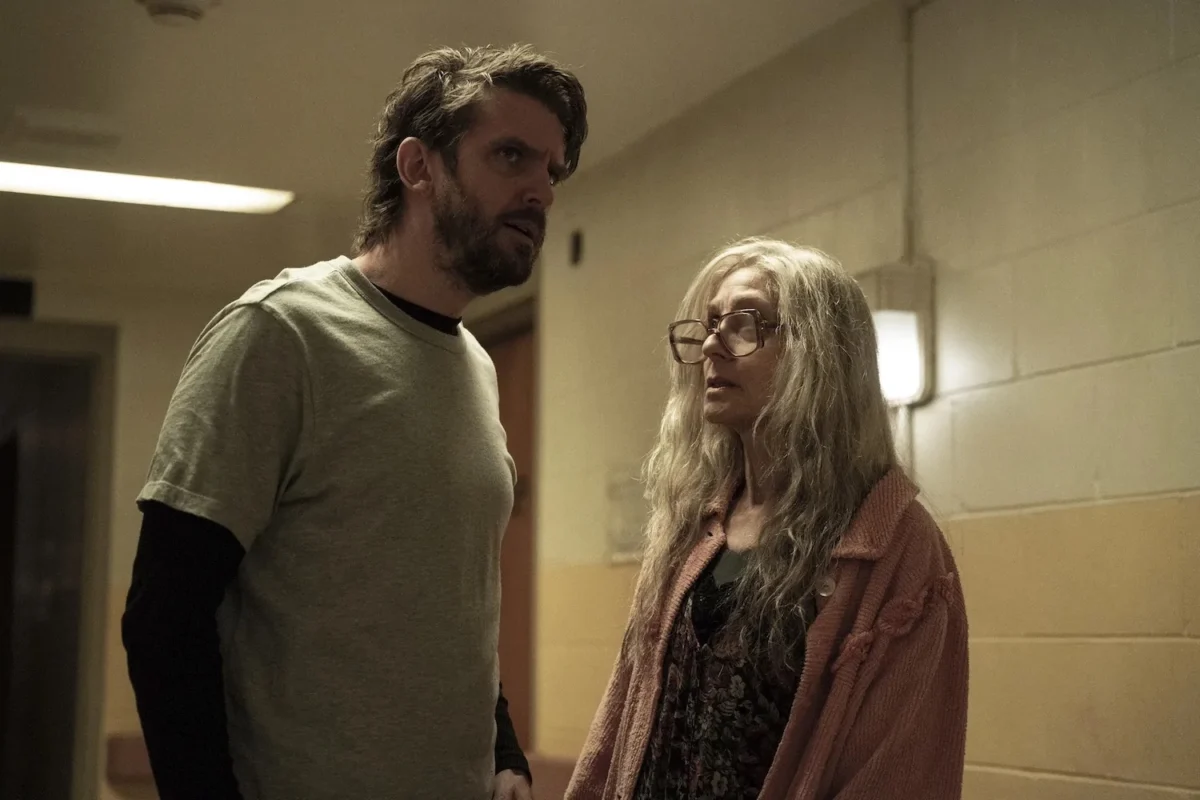
The landscape of modern horror television is shifting, moving away from the supernatural jump-scares that dominated the last decade toward a more grounded, visceral exploration of institutional decay. At the forefront of this evolution is The Terror: Devil in Silver, the latest installment in the acclaimed anthology series from Shudder and AMC+. Based on the haunting novel by Victor LaValle, the series promises to peel back the layers of a decaying psychiatric facility known as New Hyde, offering a narrative that is as much a social commentary as it is a descent into madness.
The Foundation: A Descent into New Hyde
At its core, The Terror: Devil in Silver follows the story of Pepper, a man thrust into the disorienting, often terrifying environment of the New Hyde psychiatric ward. Played by the versatile Dan Stevens, Pepper serves as the audience’s proxy, navigating a labyrinthine facility where the lines between clinical care and systemic neglect are dangerously blurred.
The world-building of the series is anchored in a pervasive sense of dread. The showrunners—Victor LaValle and Chris Cantwell—alongside director Karyn Kusama, have been deliberate in crafting an atmosphere that feels claustrophobic and inevitable. As seen in the series’ chilling cold open, which the creative team recently dissected in an exclusive deep-dive for Reactor, the production design emphasizes the "moldering" nature of the facility. New Hyde is not merely a setting; it is a character that breathes, sighs, and ultimately traps those within its walls.
Chronology of Development and Vision
The journey from page to screen for The Devil in Silver has been one of meticulous adaptation. Victor LaValle’s original novel, praised for its sharp prose and terrifying pacing, provided a rich blueprint for the show’s writers’ room.
- Initial Development: Following the success of previous The Terror installments, AMC Networks greenlit the project, seeking to leverage the brand’s reputation for historical and psychological horror.
- Creative Assembly: The hiring of Karyn Kusama as director was a pivotal moment. Known for her ability to handle tension and character-driven horror, Kusama’s involvement signaled a departure from traditional genre tropes.
- The Casting Phase: The addition of Judith Light, a titan of the stage and screen, brought a profound layer of gravitas to the project. Light, playing the role of Dorry, a long-time patient at New Hyde, represents the emotional heartbeat of the series.
- Production Timeline: Filming for the series occurred over several months, with the production team prioritizing authentic, tactile sets to evoke the institutional grit of a mid-century facility struggling to modernize.
- Release Schedule: The series is currently slated for a global premiere on Shudder and AMC+ on May 7, 2026.
Character Perspectives: The Complexity of Dorry
Judith Light’s involvement in the project is perhaps the most significant indicator of the show’s ambition. During a recent Television Critics Association (TCA) press conference, Light offered rare insight into the thematic weight the series carries.
"We have to talk about mental health in this country," Light stated, addressing the media. "We need to examine what it means to exist within a healthcare system that, in many places, seems designed to diminish the humanity of the people it is meant to serve."
For Light, the role of Dorry offered a chance to explore intersectional trauma. "It’s not just about the psychiatric aspect," she added. "I was drawn to the question of what it means to be a woman who has been treated as a second-class citizen for her entire life, and how one navigates that while being held captive in a system like this."
Beyond the ‘Cuckoo’s Nest’ Comparison
One of the most persistent comparisons for any story set in a psychiatric ward is the 1975 classic One Flew Over the Cuckoo’s Nest. However, both the creative team and the cast have been quick to differentiate The Terror: Devil in Silver from its predecessors.
Judith Light explicitly cautioned against viewing the show through the lens of Nurse Ratched’s tyranny. "This is not One Flew Over the Cuckoo’s Nest," she asserted. "There isn’t a singular, cartoonish villain orchestrating a vicious back-and-forth between the staff and patients. Instead, we are looking at a more complex, modern malaise. There are people here who are not friendly, who are not warm, and who have their own agendas, but the horror comes from the indifference of the system rather than the malice of a single individual."
This distinction is vital. By removing the "villain-hero" binary, the show forces the viewer to confront the bureaucratic and societal failures that allow places like New Hyde to persist.
Institutional Implications: Mental Health as Horror
The horror in The Terror: Devil in Silver is derived from the terrifying reality of medical disenfranchisement. By setting the show in a "moldering" facility, the series highlights the physical and psychological toll of aging infrastructure on the most vulnerable.
The Systemic Critique
The series serves as a mirror to modern anxieties regarding healthcare. By presenting New Hyde as a place where patients are often forgotten or dismissed, the show taps into a universal fear: the loss of agency. When an individual is stripped of their voice within an institution, the resulting isolation becomes a breeding ground for both psychological breakdown and, in the case of the show’s more genre-leaning elements, genuine terror.
The Portrayal of Patients
The series moves away from the "dangerous patient" archetype. Instead, it focuses on the camaraderie, the internal politics, and the quiet dignity found among the residents of the ward. Pepper and Dorry’s dynamic, as suggested by the early promotional materials, highlights the importance of human connection in the face of absolute institutional failure.
Looking Toward the Premiere
As the May 7, 2026, release date approaches, the anticipation for The Terror: Devil in Silver continues to mount. It is a series that demands more than passive viewing; it asks its audience to consider the ethics of care and the fragility of the mind.
By blending the literary sensibilities of Victor LaValle with the directorial vision of Karyn Kusama and the powerhouse performances of Dan Stevens and Judith Light, the show is poised to be one of the most significant horror events of the decade. It is a grim, beautiful, and deeply necessary look into the "silver" that hides in the dark corners of our society.
In the final analysis, The Terror: Devil in Silver is not merely a show about a psychiatric hospital. It is a show about the resilience of the human spirit when confronted with the crushing weight of a system that would prefer to see it erased. When the doors of New Hyde finally open to the public, viewers should be prepared for a journey that will linger in their minds long after the screen goes black.
Quick Facts:
- Series The Terror: Devil in Silver
- Platforms: Shudder, AMC+
- Key Talent: Victor LaValle (Co-showrunner), Chris Cantwell (Co-showrunner), Karyn Kusama (Director)
- Cast: Dan Stevens (Pepper), Judith Light (Dorry)
- Release Date: May 7, 2026
- Genre: Psychological Horror / Anthology Series










No comments yet. Be the first to join the conversation!