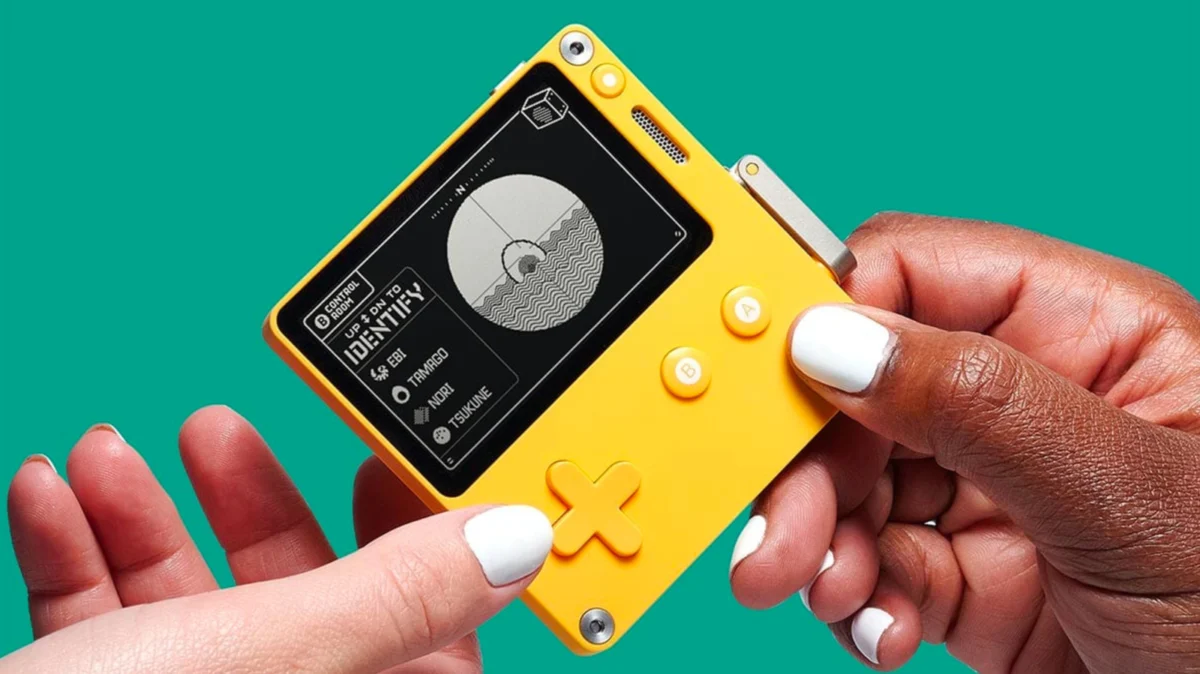
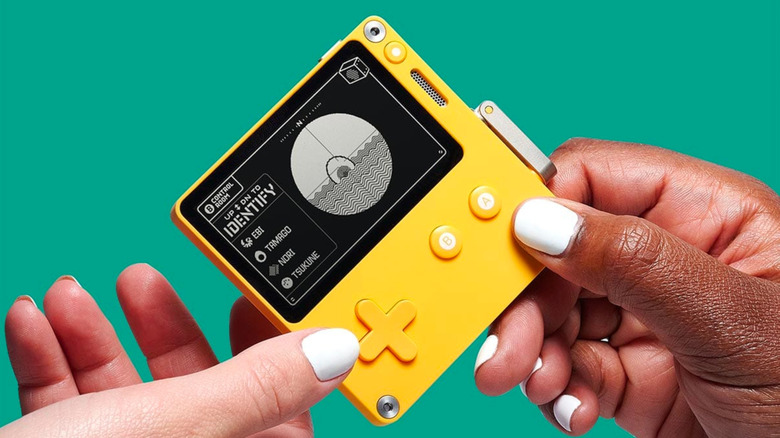
In an era defined by volatile trade policies and protracted legal battles over import duties, the software publisher and hardware manufacturer Panic has emerged as a beacon of corporate transparency. The creator of the cult-favorite Playdate handheld console has initiated a proactive campaign to refund customers for the additional tariff fees levied on their devices during the height of the Trump administration’s controversial import tax regime.
While major global conglomerates are currently embroiled in class-action lawsuits, desperately attempting to retain the funds collected from consumers under policies now deemed unconstitutional, Panic has chosen a different path. By choosing to return these fees, the company has set a benchmark for corporate responsibility in the gaming industry, highlighting a stark contrast between small-scale innovation and the profit-protective measures of multinational corporations.
The Genesis of the Dispute: A Policy Deemed Illegal
The origins of this refund initiative trace back to the sweeping trade policies enacted under the Trump administration. These policies imposed significant tariffs on a wide array of goods imported into the United States, including consumer electronics. For companies like Panic, which relies on international manufacturing to produce its distinct yellow-cranked handheld consoles, these tariffs represented an immediate and substantial increase in operational costs.
At the time, businesses were left with few options. Panic, operating with a lean business model, opted to pass these costs directly to the consumer. They treated the tariff as an unavoidable tax, adding it as a transparent line item at checkout. For the consumer, this meant paying a premium to ensure their device could clear customs and reach their doorstep.
However, the legal landscape shifted dramatically in February 2026. Following a landmark decision by the United States Supreme Court, the administration’s tariff regime was officially declared illegal. The Court’s ruling effectively invalidated the legal basis for the duties, forcing the U.S. government to begin the arduous process of issuing refunds to the corporations that had paid them. While this represented a fiscal windfall for the companies that had initially fronted the costs, it left consumers—who had ultimately borne the brunt of the price hikes—in a precarious position.
A Chronology of Accountability
The path to these refunds was neither short nor simple. After the Supreme Court’s February 2026 ruling, Panic faced a choice: treat the recovered government funds as a windfall to bolster their bottom line, or reconcile the accounts with the customers who had initially paid the surcharge.
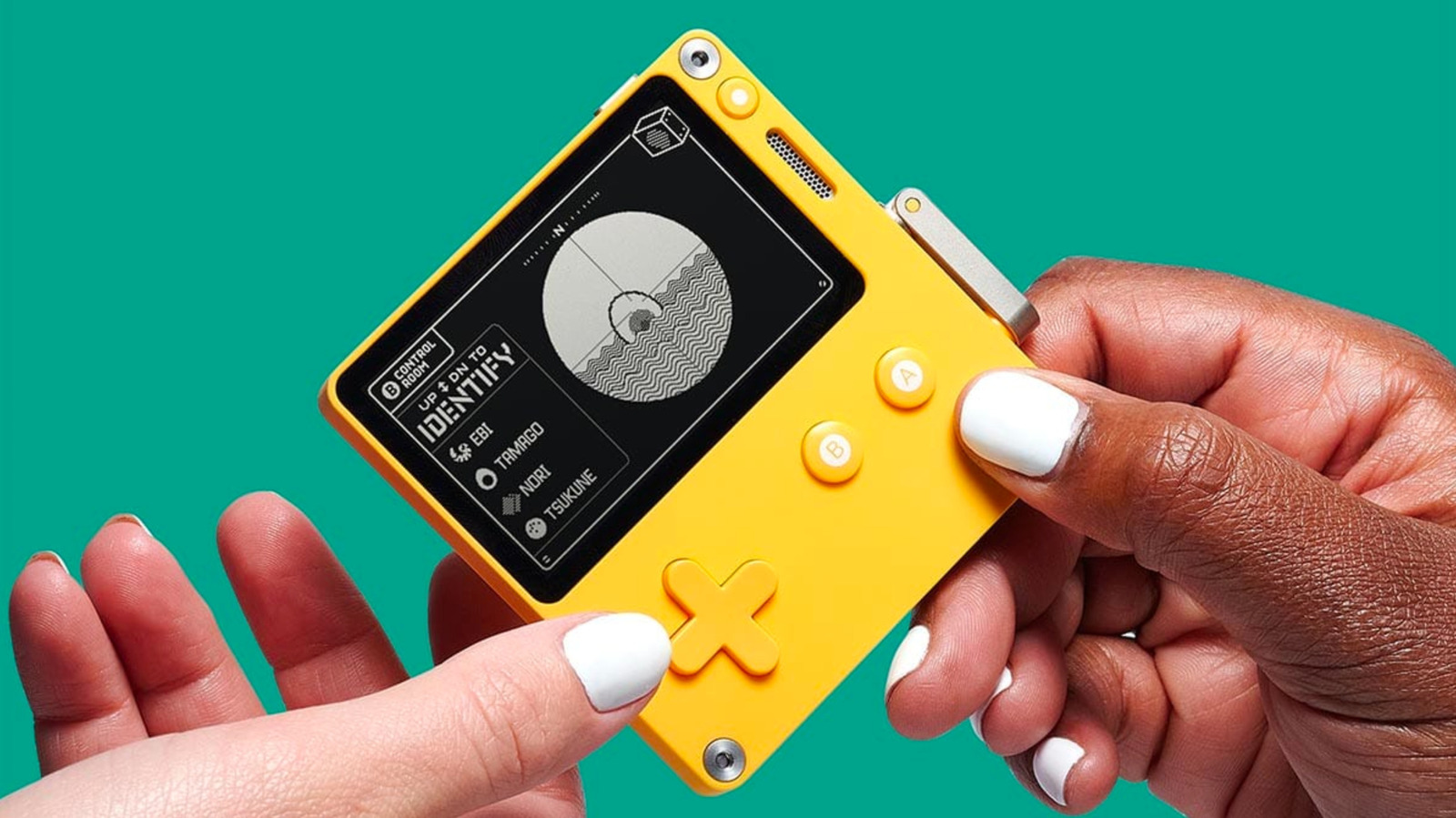
- April 2026: Recognizing the shifting legal tide, Panic officially suspended the 19 percent tariff fee on all new Playdate orders effective April 21. This move signaled the company’s intent to decouple its pricing from the contested government levies.
- May–July 2026: During these months, the company navigated the bureaucratic hurdles of the U.S. government’s refund process. Because the tariffs were initially paid by the manufacturer, the government issued refunds directly to Panic.
- August 2026: Having successfully secured the recovered funds from the federal government, Panic launched a dedicated system to process individual refunds for customers. They reached out to their user base, explaining the situation with transparency and detail, and began the process of returning the collected "tariff fees" to their original owners.
The Ethics of Corporate Transparency
The decision to refund customers is not merely a financial transaction; it is a profound statement of corporate philosophy. In an email sent to customers, the company was remarkably blunt about its rationale. "When you ordered from us, we charged you for the tariff we were being charged by the US government for every Playdate we manufactured," the communication read. "We treated it like any other tax, and passed it along as a line item at checkout."
Panic CEO Cabel Sasser summarized the company’s internal sentiment in a statement to Game Developer: "It’s just not our money to keep, and it felt really good to give it back. That’s an easy way to know you made the right decision."
This sentiment stands in stark contrast to the standard corporate "silence" that has defined the response of many larger entities. In the eyes of many legal experts, companies that collected money under the guise of a "tariff" and then kept the money after that tariff was ruled unconstitutional are essentially engaged in a form of price gouging or, at the very least, an unjust enrichment of their corporate coffers.
The Landscape of Litigation: Amazon, Sony, and Nintendo
While Panic’s gesture is commendable, it is an outlier in the current market. Many of the world’s largest electronics and gaming companies have adopted a defensive stance. The legal environment is currently saturated with class-action lawsuits aimed at forcing tech giants to disclose whether they have received tariff refunds from the government and, more importantly, whether they plan to pass those savings on to the consumers who paid them.
- Nintendo: The company, which had publicly expressed its frustration with the tariffs during their implementation, has found itself in the crosshairs of consumer advocacy groups and legal firms. Despite the company’s vocal opposition to the policy, it has not moved to initiate a widespread refund program, leading to litigation from fans who argue that they are owed the surplus.
- Sony: Similar to Nintendo, Sony is facing scrutiny over how it managed its pricing during the tariff era. The class-action lawsuits against the company allege that by failing to refund consumers, Sony is effectively profiting from an unconstitutional tax scheme that it had already mitigated via its own wholesale price adjustments.
- Amazon: As a massive retail aggregator, Amazon’s position is more complex, yet the lawsuits remain pointed. The core argument is that if the government deemed the duties illegal, the consumer should not be the one left holding the bag for an invalid tax.
While some logistics and shipping firms, including FedEx, UPS, and DHL, have begun offering avenues for customers to recoup tariff-related overcharges, the gaming industry remains largely stagnant. The hesitation among major players is driven by a fear of legal precedent; admitting that a refund is due could be interpreted as an admission of liability, potentially opening the floodgates to even larger claims.
Implications for the Consumer Electronics Industry
The "Panic precedent" serves as a case study in how small-to-medium-sized enterprises (SMEs) can leverage agility and reputation to gain consumer loyalty. In the gaming community, where brand affinity is often tied to trust, the company’s transparency has likely secured a level of customer devotion that money cannot buy.
However, the broader implications are more sobering. The current legal tug-of-war highlights the fragility of the consumer-corporate relationship in an era of geopolitical trade wars. When governments impose taxes, companies often use them as a shield to justify price hikes. When those taxes are later invalidated, the lack of a clear mechanism to return that money to the consumer creates an ethical vacuum.
The ongoing lawsuits against Amazon, Sony, and Nintendo will likely define the legal landscape for years to come. If these companies are forced by the courts to issue refunds, it could fundamentally change how retailers and manufacturers structure their pricing in the face of future trade disputes. It would mandate a level of accounting transparency that most corporations currently seek to avoid.
Conclusion: A Benchmark of Integrity
The story of the Playdate tariff refunds is, on its surface, about a small, independent hardware manufacturer doing the right thing. But underneath, it is a commentary on the power dynamics of the modern global market. By acknowledging that the funds it collected were "not ours to keep," Panic has exposed the inherent dishonesty in the silence of their larger competitors.
As the legal battles continue to unfold, the gaming industry will be watching closely. Whether the result is a wave of court-ordered refunds or a sustained period of corporate denial, the standard has been set. Panic has proven that in the volatile world of international trade, it is possible to prioritize the customer over the balance sheet—and that, in the long run, such a decision is not just a moral victory, but a powerful asset for any brand.
For the average gamer, the message is clear: when the dust settles on these trade wars, it is not the loudest corporate voices that define the industry’s values, but the ones willing to open their books, acknowledge the truth, and return what never belonged to them in the first place.