

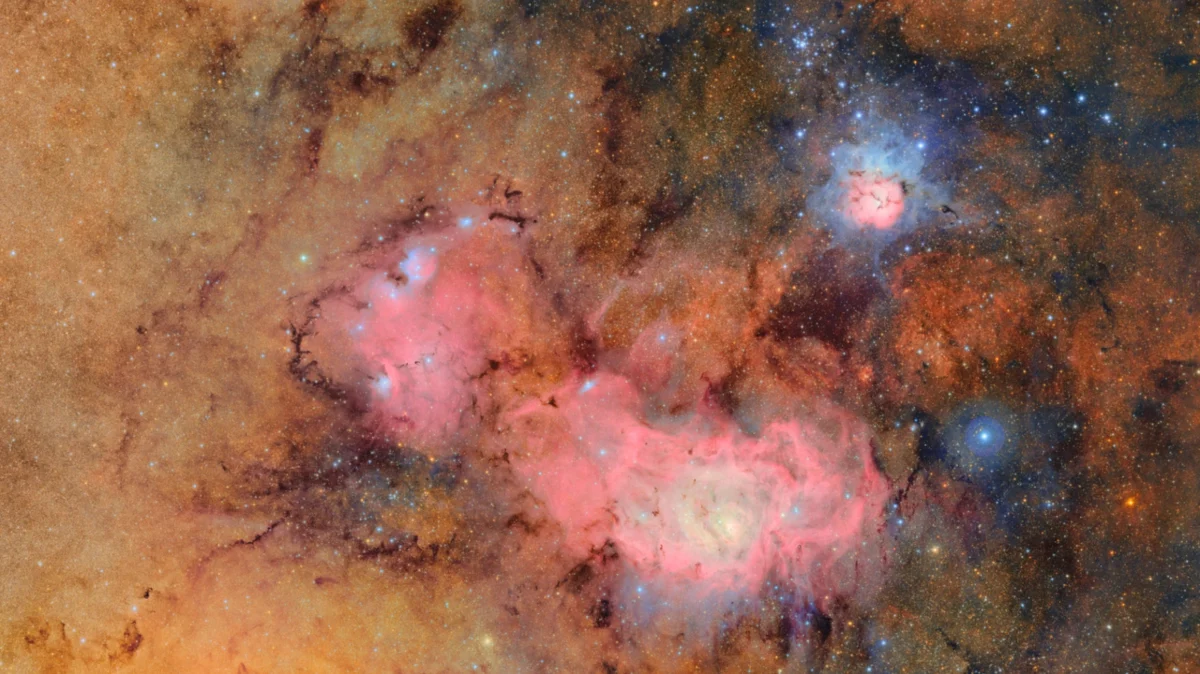
This week in science has been defined by a transition from theoretical planning to tangible execution. From the activation of the world’s most powerful digital eye in the Chilean Andes to the development of sophisticated biological-robotic hybrids, researchers are pushing the boundaries of what is possible. Meanwhile, NASA’s shifting lunar strategy has entered its next phase, signaling a move toward sustained, long-term infrastructure on the Moon.
I. The Vera C. Rubin Observatory: Capturing the "Cosmic Movie"
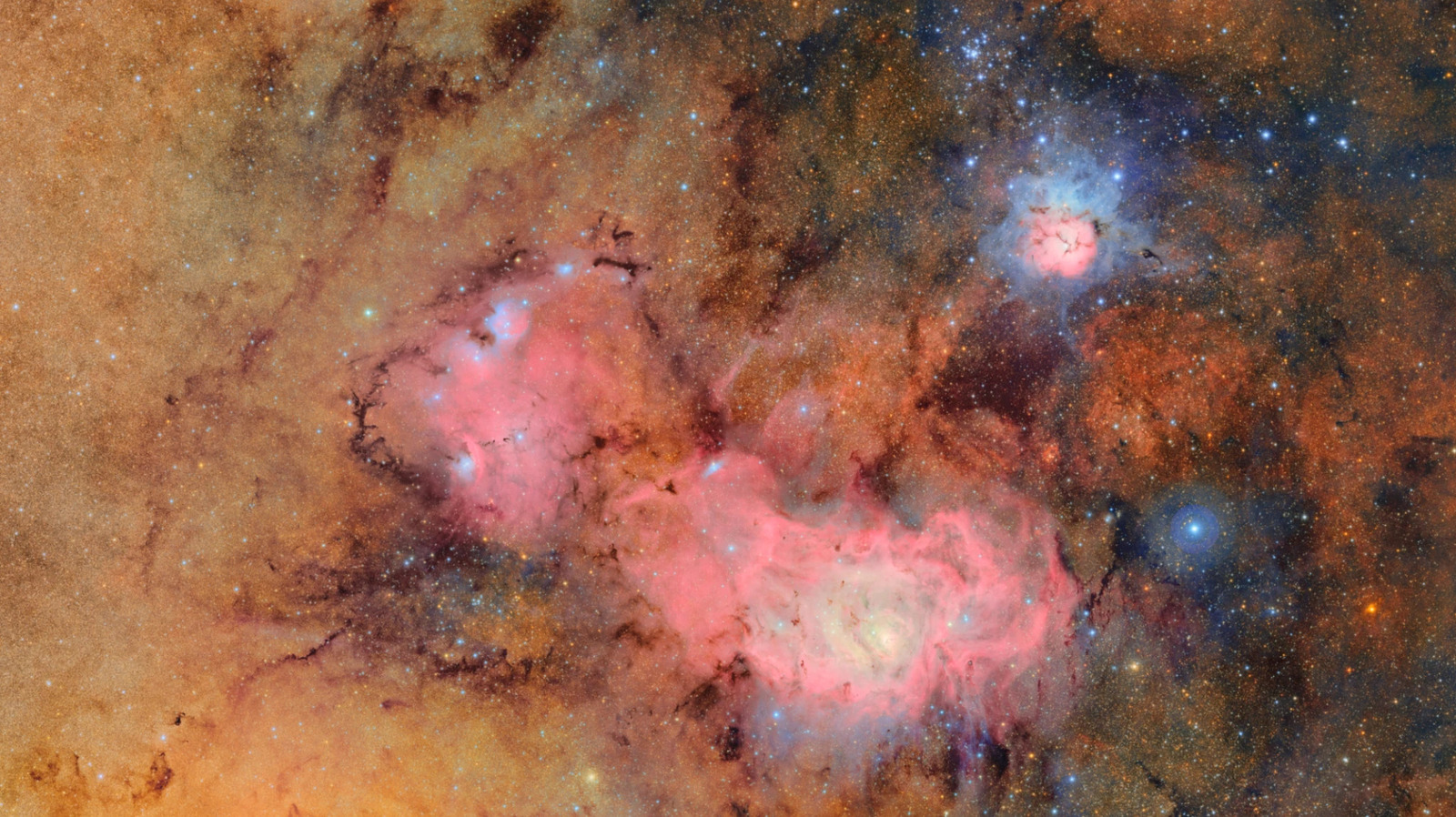
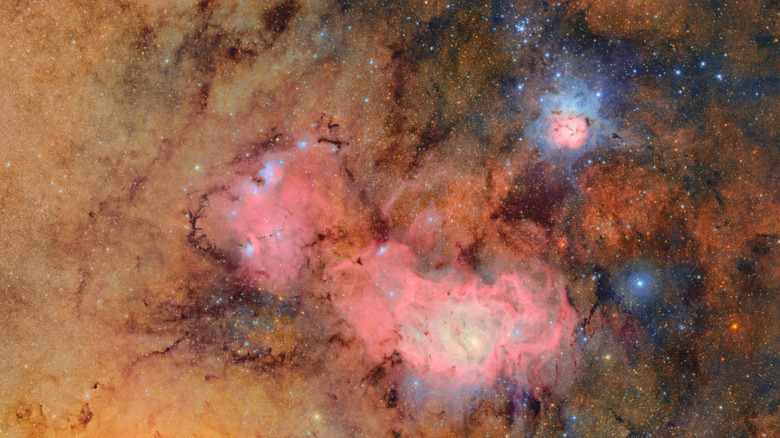
After two decades of meticulous engineering and planning, the Vera C. Rubin Observatory has officially commenced its Legacy Survey of Space and Time (LSST). This monumental undertaking is not merely a static observation program; it is an attempt to create a high-definition, time-lapse record of the southern sky, fundamentally altering our understanding of the universe’s evolution.
The Technology Behind the Lens
The centerpiece of the observatory is a 3,200-megapixel digital camera—the largest ever constructed for astronomical purposes. Housed at the Simonyi Survey Telescope in Chile, this instrument is designed to provide unprecedented resolution. Beginning June 30, the observatory began a 10-year campaign that will see it capture a new image every 40 seconds. By revisiting every point in the southern sky roughly every few nights, the telescope will effectively create a cinematic experience of the cosmos, highlighting transient events that have previously escaped detection.
Implications for Modern Cosmology
The LSST is expected to generate approximately ten terabytes of data daily. This massive influx of information will be processed to track moving objects, such as near-Earth asteroids, and to observe the subtle, long-term changes that define the expansion of the universe. According to Darío Gil, Under Secretary for Science at the US Department of Energy, the mission is designed to probe the most enigmatic aspects of our reality. "By seeking to understand the enigmatic phenomena of dark energy and dark matter," Gil noted, "we are not just observing the stars; we are striving to grasp the fundamental laws that govern our existence."
The project serves as a cornerstone of modern astrophysics, offering scientists the tools to map the distribution of dark matter and measure the acceleration of cosmic expansion with a precision that was previously considered impossible.
II. Cyborg Cockroaches and the Future of Disaster Relief
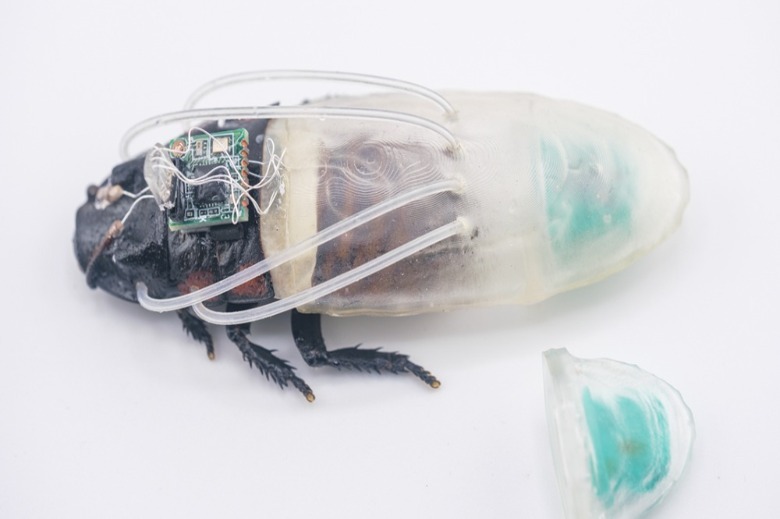
In a development that sits at the intersection of bio-engineering and robotics, researchers from Nanyang Technological University (NTU) Singapore and Waseda University have unveiled a breakthrough in "cyborg" technology. By equipping Madagascar hissing cockroaches with custom-designed, miniaturized diving suits, scientists have successfully enabled these insects to navigate underwater environments for extended durations.
The Engineering of the "Diving Suit"
The challenge of creating a submersible insect lies in protecting the delicate electronics of the cyborg controller while ensuring the insect can still breathe. The team developed a flexible, translucent suit featuring an integrated oxygen-generation tank and four silicone supply tubes that connect directly to the roach’s spiracles—the specialized openings through which insects exchange gases.
Tests published in Nature Communications indicate that these roaches can survive and navigate underwater for up to three hours. Crucially, the system is designed to be non-invasive; once the mission is complete, the suit can be removed without causing permanent damage to the biological host.
Strategic Applications in Search and Rescue
While the concept may appear unusual, the practical applications are profound. Search and rescue operations in the wake of natural disasters—such as earthquakes or collapsed structures—often involve tight, unstable crevices that are inaccessible to human rescuers and too complex for traditional, rigid robotics.
Cyborg insects combine the natural agility, strength, and sensory perception of living creatures with the precision of human-controlled electronics. These units were recently deployed in field tests following a devastating earthquake in Myanmar, providing a proof-of-concept for how bio-hybrid systems can be used to locate survivors in environments where standard equipment fails.
III. NASA’s Lunar Infrastructure: The Push for a 2028 Moon Base
NASA’s strategy for lunar exploration has undergone a significant pivot. Following the decision to deprioritize the orbiting Lunar Gateway station, the space agency has consolidated its resources toward the development of a $20 billion permanent Moon Base. The roadmap for this initiative is now being filled with concrete delivery contracts.
Expanding the Commercial Lunar Payload Services (CLPS)
This week, NASA awarded nearly $600 million in contracts to three private aerospace firms—Astrobotic, Firefly Aerospace, and Intuitive Machines—to facilitate the delivery of critical science payloads to the lunar surface. These missions, slated for late 2028, represent a collaborative effort to establish a global network of data markers on the Moon.
The payload manifest for these missions includes:
- SCALPSS (Stereo Camera for Lunar Plume Surface Studies): Designed to capture high-fidelity data on how landers interact with the lunar regolith during touchdown.
- LRA (Laser Retroreflector Array): A precision tool used to determine the exact coordinates of spacecraft in orbit and on the surface, essential for future navigation.
- LETS (Linear Energy Transfer Spectrometer): A radiation-monitoring instrument critical for assessing the safety of long-term human habitation.
Why Redundancy is Key
While critics might point to the repetition of these payloads across multiple missions, NASA emphasizes that redundancy is a core feature of the strategy. Joel Kearns, deputy associate administrator for exploration at NASA, explained that these missions are intended to function like a network of terrestrial weather stations. By deploying identical sensors across diverse lunar terrains, NASA intends to build a comprehensive map of environmental hazards. This data is not just academic; it is the prerequisite for safe, sustainable human presence on the Moon.
IV. Chronology and Data Synthesis
To understand the scope of these developments, it is helpful to view them through a temporal and functional lens:
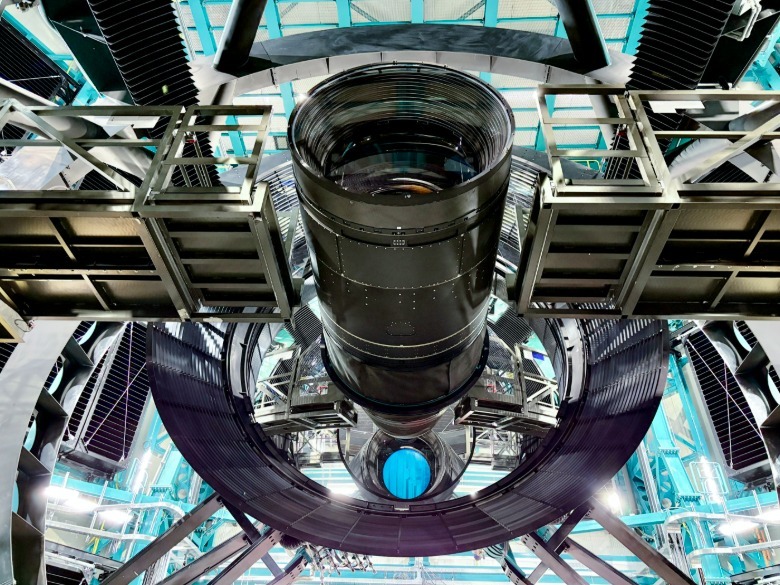
- June 30: Official commencement of the 10-year Legacy Survey of Space and Time at the Vera C. Rubin Observatory.
- Early 2025: Field deployment of cyborg cockroaches in Myanmar for post-earthquake search and rescue.
- Late 2028: Target window for the delivery of critical Moon Base infrastructure via the CLPS program.
Data Snapshot:
- Rubin Observatory: 3,200-megapixel camera, 10 TB of data per day, 800 revisits per sky point over a decade.
- Cyborg Roaches: 3-hour underwater endurance, non-invasive spiracle-based breathing apparatus.
- NASA Moon Base Contracts: $600 million total awarded to three primary commercial partners.
V. Implications: A New Era of Exploration
The convergence of these three news stories highlights a broader trend in global science: the move toward long-term, high-data-volume, and bio-integrated systems.
The Vera C. Rubin Observatory represents the "Big Science" model, where massive international cooperation and extreme engineering are required to answer fundamental questions about the dark universe. The project serves as a reminder that we are entering an era of "data-driven cosmology," where the challenge lies not just in collecting data, but in developing the artificial intelligence required to parse the incoming flood of information.
The cyborg cockroach research, conversely, represents the "Small Science" model—a pragmatic, agile approach to solving immediate, localized problems. By blurring the line between biology and mechanics, researchers are creating tools that are better suited to the chaotic environments of modern disasters than traditional hardware.
Finally, NASA’s lunar initiative marks the transition from "exploration" to "settlement." By utilizing the CLPS program to outsource delivery, the agency is leveraging commercial competition to drive down costs while ensuring that the infrastructure required for human safety is flight-proven before the first crewed mission to the base arrives.
As we look toward the remainder of the decade, the combination of these projects suggests a future where our understanding of the distant cosmos is as precise as our ability to navigate the local, dangerous environments here on Earth and on our nearest neighbor, the Moon. The next few years will likely be remembered as the period when the foundations for this new era were poured, measured, and tested.











