

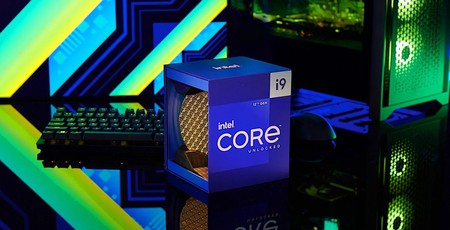
In a move that marks the most significant architectural shift for the company in over a decade, Intel officially unveiled its 12th Generation "Alder Lake-S" desktop processors this week. The launch represents a pivot toward a hybrid architecture, signaling Intel’s intent to reclaim its performance crown from AMD while simultaneously ushering in the era of DDR5 memory and PCIe 5.0 connectivity.
Main Facts: The New Guard of Intel Silicon
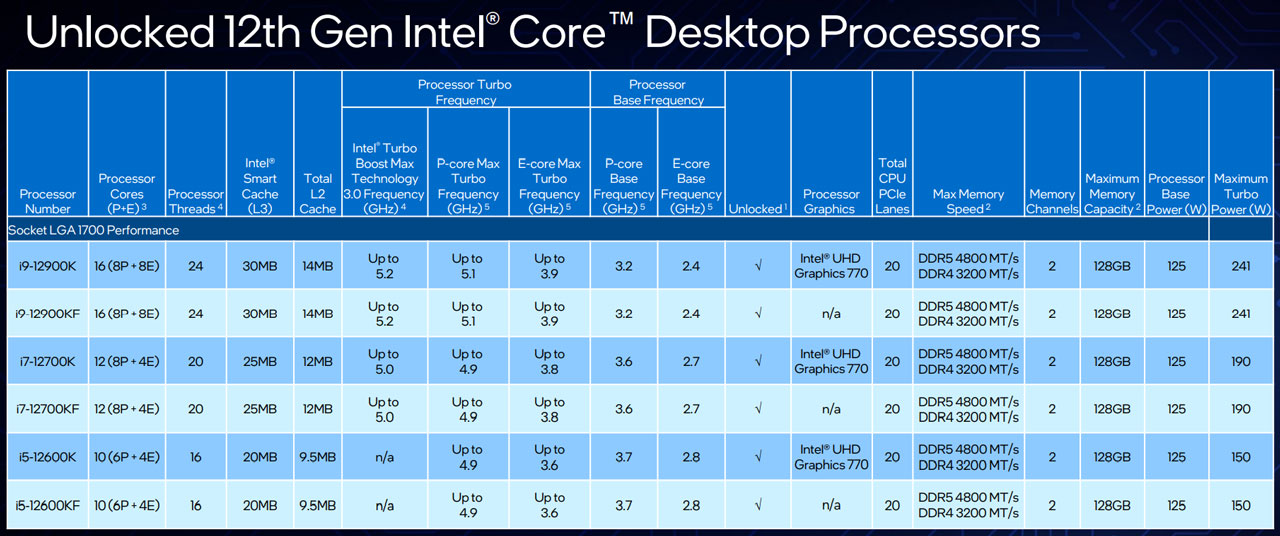
The initial lineup features six high-performance, multiplier-unlocked SKUs designed for enthusiasts and power users. These processors are the first to utilize the "Intel 7" manufacturing process, formerly known as 10nm Enhanced SuperFin. The initial roaster consists of:
- Core i9-12900K / 12900KF: The flagship 16-core (8P+8E) behemoth.
- Core i7-12700K / 12700KF: A potent 12-core (8P+4E) contender.
- Core i5-12600K / 12600KF: The enthusiast-grade 10-core (6P+4E) value king.
The "K" designation signifies that these chips feature integrated graphics, while the "KF" variants—a popular choice for gamers already invested in dedicated GPUs—arrive with the integrated graphics silicon disabled.
The defining characteristic of Alder Lake is its hybrid "Performance-core" (P-core) and "Efficient-core" (E-core) design. The P-cores are built for heavy-duty, single-threaded performance, while the E-cores handle background tasks and assist in multi-threaded workloads. This heterogenous approach is intended to optimize power efficiency without sacrificing the raw throughput demanded by modern computing.
Chronology of the Alder Lake Reveal
The journey to this launch has been a carefully orchestrated campaign by Intel. Following the initial teasers provided at the "Intel Architecture Day" in August 2021, the industry was left with more questions than answers regarding specific clock speeds, SKU pricing, and real-world thermal footprints.
Wednesday evening’s announcement served as the final piece of the puzzle. Intel provided the concrete specifications that were previously relegated to rumor and speculation. The company has now confirmed that while the chips were announced in late October, the ecosystem—including motherboards and the CPUs themselves—will officially hit retail shelves on November 4th. This date also marks the lifting of the embargo on third-party reviews, allowing the public to see if the synthetic benchmarks provided by Intel hold up under independent, rigorous stress testing.
Supporting Data: Understanding the Hybrid Architecture
To appreciate the scale of this launch, one must look closely at the power dynamics and performance metrics. Alder Lake introduces two distinct power metrics: Processor Base Power and Maximum Turbo Power. Intel emphasizes that enthusiasts should focus on the latter; when paired with high-end Z690 motherboards, these chips will effectively ignore the lower base wattage to sustain maximum performance.
The i9-12900K: A New Gaming Titan?
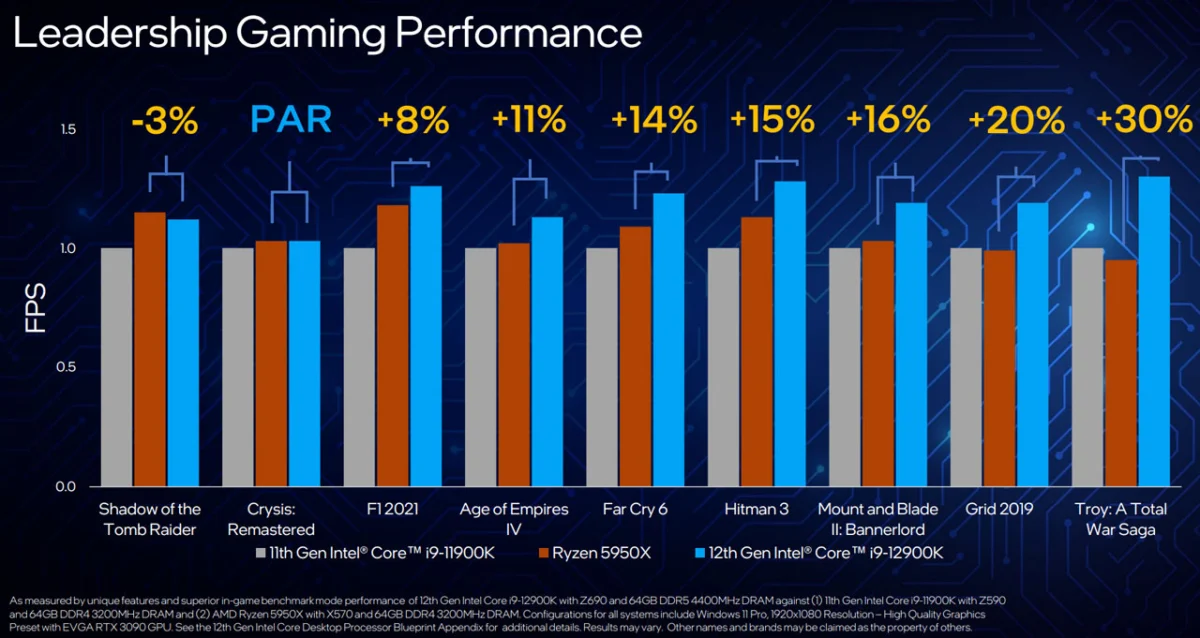
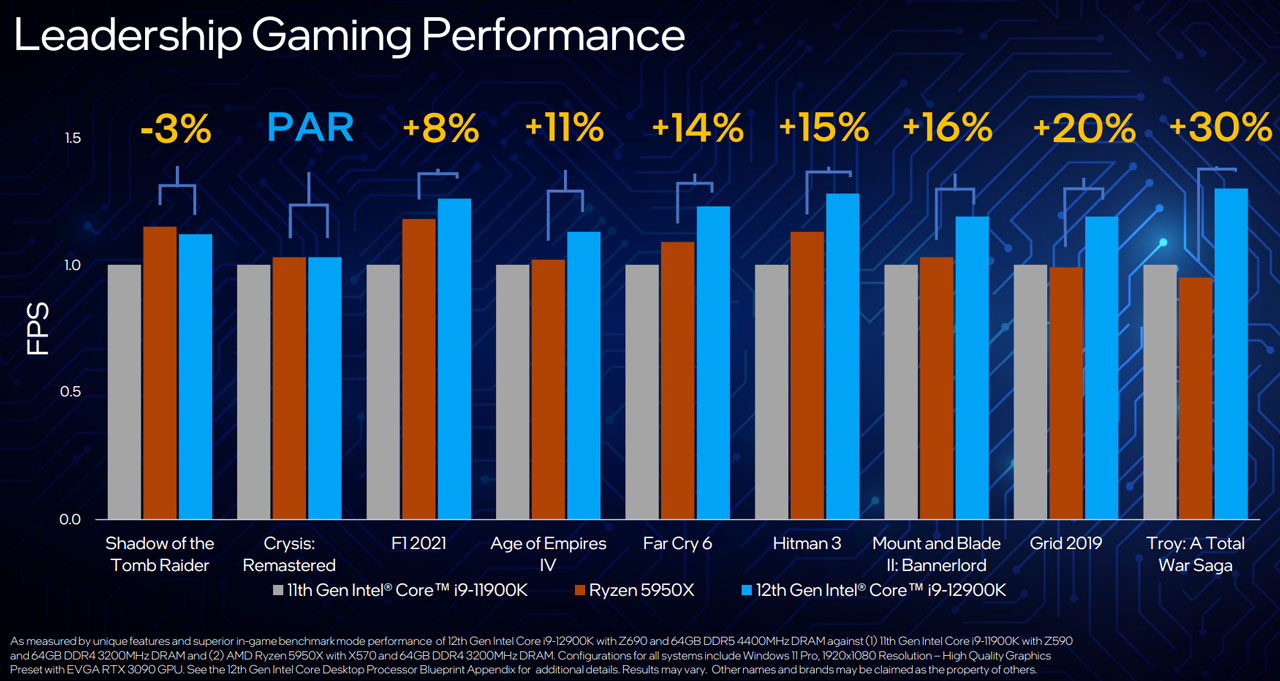
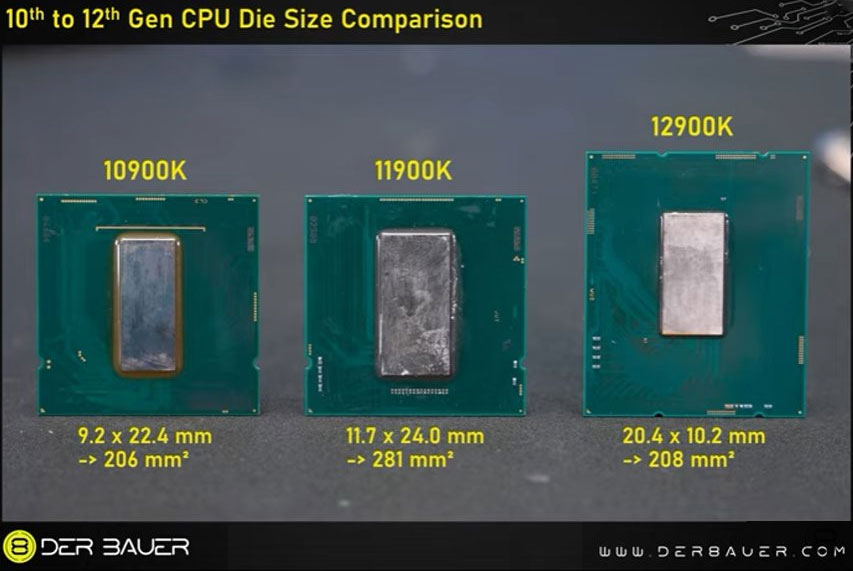
Intel’s marketing materials position the i9-12900K as the "world’s best gaming processor." With 16 cores and 24 threads, reaching boost frequencies of up to 5.2GHz, the chip is a technical marvel. However, this performance comes at a cost: thermals. Under full load, the chip is rated to consume upwards of 240W. This necessitates the use of premium cooling solutions—liquid coolers or massive air heatsinks—to prevent thermal throttling.
Benchmark Controversies
Intel’s internal testing suggests the i9-12900K holds a 12% lead over the AMD Ryzen 9 5950X in modern gaming titles. However, industry analysts have been quick to note a caveat: these tests were conducted on Windows 11 systems that had not yet received the critical patches for AMD processors. These patches address known issues with L3 cache latency and "preferred core" technology that, when unpatched, can handicap AMD gaming performance by as much as 15%. This nuance suggests the actual competitive gap between the two companies may be narrower than Intel’s initial slides imply.
Official Responses and Ecosystem Integration
Intel has not acted in a vacuum; the success of Alder Lake is inextricably linked to its hardware partners. The launch is accompanied by the new 600 Series chipset, specifically the Z690 platform.
The Z690 Motherboard Ecosystem
Partners including Asus, Gigabyte, and MSI have unveiled an exhaustive list of new motherboards. Asus alone has announced nineteen distinct Z690 models, covering every form factor from the ultra-compact mini-ITX to the expansive E-ATX. These boards serve as the foundation for the new platform, offering native support for:
- PCIe 5.0: Providing double the bandwidth of PCIe 4.0 for next-generation storage and graphics.
- DDR5 Memory: A significant jump in bandwidth and power efficiency, with early adopters like G.Skill already pushing speeds as high as 6800MHz.
- Enhanced Connectivity: Standardized support for the latest Wi-Fi 6E and 2.5Gb/10Gb Ethernet standards.
Pricing Structure
The pricing strategy reflects a competitive stance against AMD’s current Ryzen 5000 series. The flagship i9-12900K is set at an MSRP of $590, the i7-12700K at $410, and the i5-12600K at $290. This pricing structure is clearly designed to undercut AMD’s current flagship offerings while providing a more modern platform (DDR5/PCIe 5.0) that the current AM4 socket lacks.
Implications: A New Direction for PC Computing
The implications of the 12th Gen launch are twofold: technical and strategic.
The Death of the Uniform Core
For years, the industry has operated under the assumption that "more cores" meant "more of the same." Intel’s hybrid approach challenges this. By offloading background processes to E-cores, the OS can keep the P-cores free for foreground applications—like a video game or a rendering suite. If successful, this could become the new standard for all desktop computing, moving away from the "symmetrical" core design that has defined both Intel and AMD for the past decade.
Content Creation vs. Gaming
Intel’s data indicates a staggering 30% increase in content creation performance compared to the 11th Gen "Rocket Lake" processors. This is perhaps the most significant takeaway for professionals. While gaming is the headline, the real-world utility of the 12th Gen chips lies in their ability to handle multi-threaded creative workflows—video editing, 3D rendering, and compiling—with efficiency previously only seen in much more expensive workstation-grade hardware.
The Challenges Ahead
Despite the optimism, there are hurdles. The reliance on Windows 11’s "Thread Director"—a hardware-software mechanism that tells the OS which cores to assign specific tasks to—means that the 12th Gen experience is highly dependent on software optimization. Users running older versions of Windows may find the performance uplift less impressive, or even inconsistent, as the OS lacks the intelligence to manage the P/E-core distribution effectively.
Furthermore, the shift to DDR5 is a double-edged sword. While it offers superior speed, it also introduces a significant cost barrier for consumers already reeling from high GPU prices. While some Z690 boards will support DDR4, the full potential of the Alder Lake platform is locked behind the currently expensive and supply-constrained DDR5 market.
Conclusion
Intel’s 12th Gen Alder Lake processors are more than just a spec-sheet update; they are a fundamental shift in how Intel views processor architecture. By combining high-performance cores with efficiency cores and embracing the latest in connectivity standards, Intel is attempting to future-proof the desktop PC.
The coming weeks will be crucial. As the November 4th retail date approaches, the industry awaits independent verification of Intel’s claims. If the performance holds, Intel may have effectively stopped the bleeding in the enthusiast market and forced AMD to accelerate its own roadmap. For the end-user, this represents the most exciting time for PC hardware in years—a genuine competition for the title of "best in class," played out on the most advanced silicon the industry has ever seen.










No comments yet. Be the first to join the conversation!