Suro Senen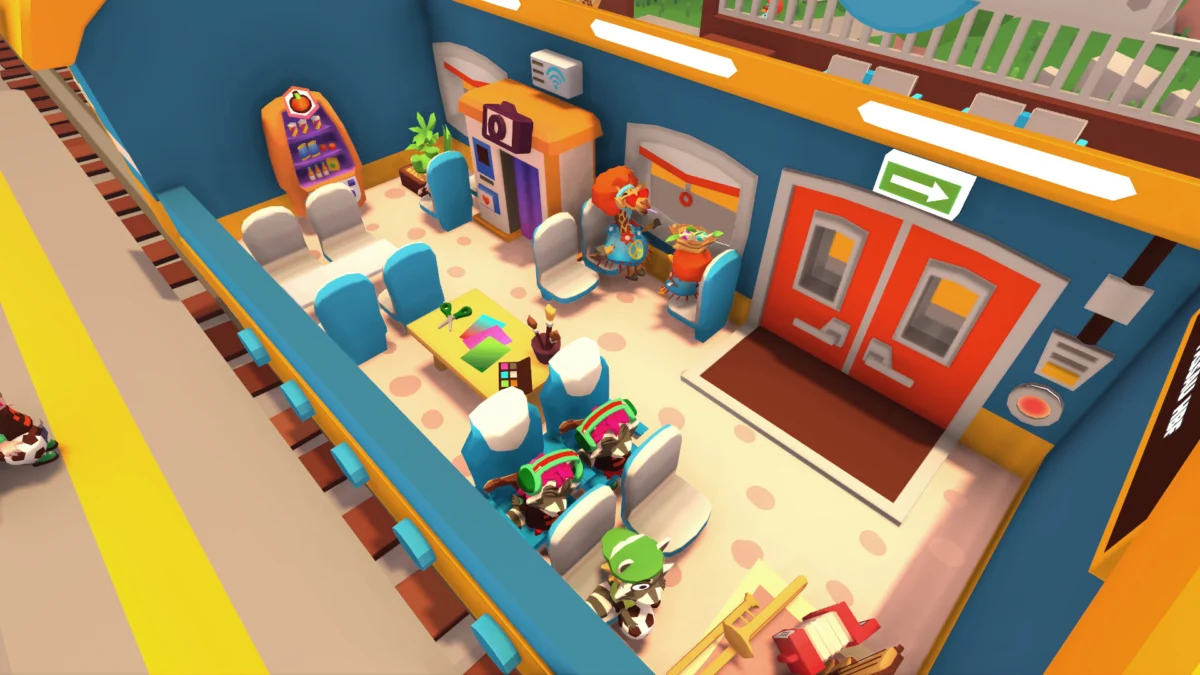
In the ever-evolving landscape of indie simulation games, few titles manage to blend logistics, spatial management, and quirky charm quite like the upcoming Train Jumble. Currently in development, the title tasks players with a seemingly straightforward, yet deceptively complex objective: curating the ultimate travel experience for an eclectic mix of humanoid animal passengers as they traverse the scenic landscapes of Europe. By balancing the temperaments of commuters, the physical layout of train carriages, and the bottom-line financial pressures of the rail industry, Train Jumble is positioning itself as a must-play for fans of strategic puzzle games.
The Core Concept: Engineering the Perfect Commute
At its heart, Train Jumble is a game of empathy-driven logistics. Unlike traditional train simulators that prioritize engine maintenance or track switches, this title focuses entirely on the human—or rather, the humanoid—element. As players guide their locomotive across various European routes, they must manage the fluctuating needs of their passengers, which are displayed as distinct icons above their heads before they even step onto the platform.
The core gameplay loop centers on "predictive passenger satisfaction." Once a passenger boards, the player must scramble to accommodate their specific requirements. Some travelers may demand a quiet corner, others might insist on a window seat, and some even require proximity to specialized equipment, such as crafting tables. The brilliance of the game lies in the tension between these conflicting desires; a passenger who desperately needs a window seat might also have a personality trait that clashes with the person currently occupying that space, forcing the player to make difficult choices about who gets priority.
A Chronology of the Commute: From Platform to Arrival
The structure of Train Jumble follows a distinct, cyclical chronology that emphasizes preparation over reaction. Each level is divided into a sequence of stops, beginning at the departure station and concluding at the final destination.
Phase 1: Pre-Departure Logistics
Before the wheels begin to turn, the player is granted a brief, critical window to visit the in-game shop. Here, the player must invest their hard-earned currency into supplies, decor, and furniture. This is where the strategic depth of the game truly shines. Players must anticipate the demographic of the upcoming route—are they carrying tourists, business commuters, or rowdy travelers? Selecting the right items is essential, as the inventory purchased in the shop is locked to the specific level. Once the train departs, there is no turning back; poor planning during this phase can lead to a cascade of unhappy passengers and lost revenue.
Phase 2: Mid-Journey Management
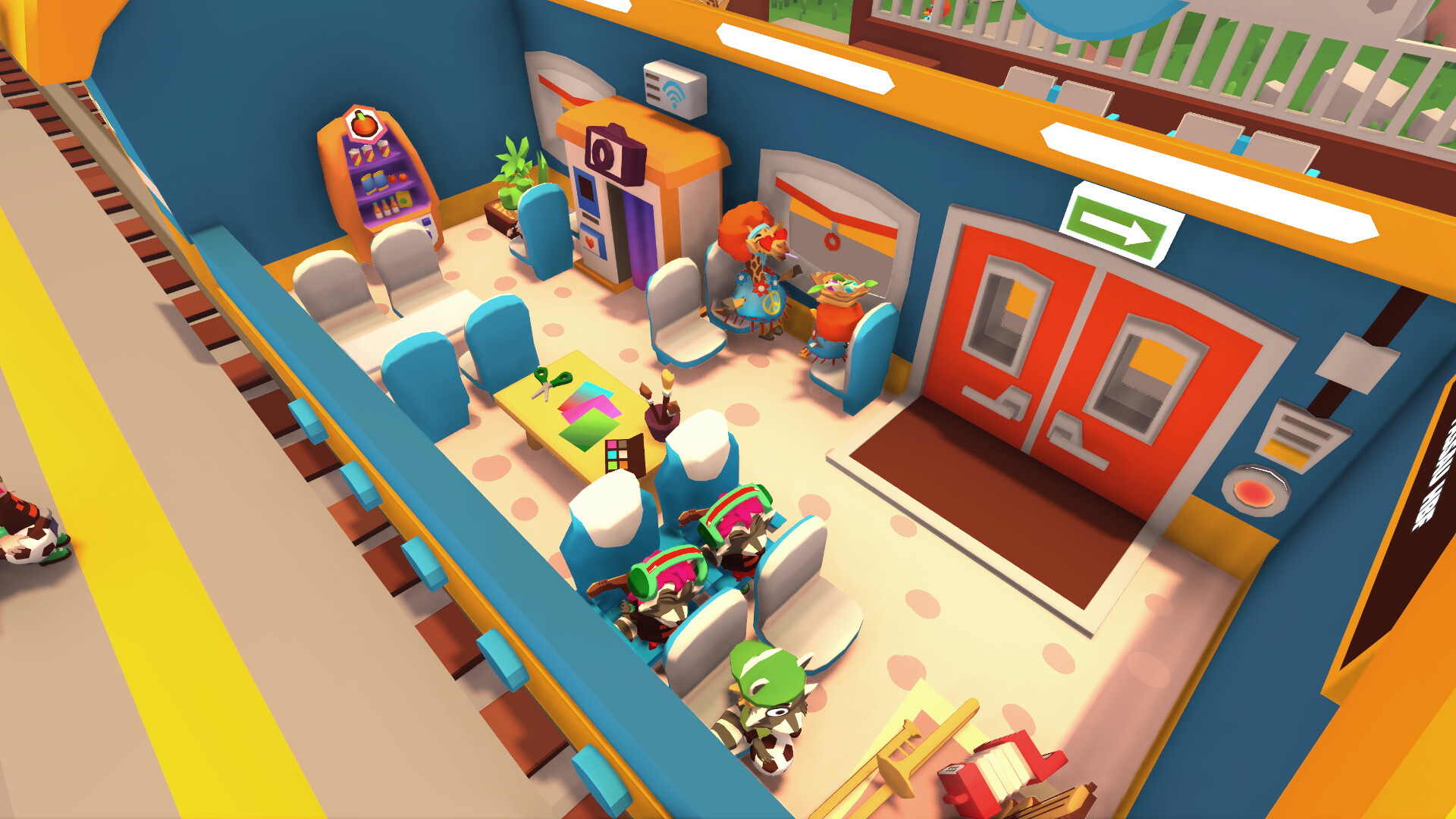
Once the train is in motion, the game transitions into a real-time puzzle. As the train pulls into each station, new passengers board, and the dynamic of the carriage shifts. Players must drag and drop passengers into seats, observing the color-coded visual cues that indicate whether a passenger will be content or distressed by their surroundings. If a passenger is placed in a "hated" seat or next to an incompatible companion, the player must immediately pivot to mitigate the damage.
Phase 3: Financial Reconciliation
Upon reaching the final stop, the journey concludes with a tally of the player’s performance. Tips are distributed based on overall satisfaction levels, and any operational fees incurred during the trip are deducted. This final screen serves as a crucial feedback loop, forcing players to analyze which decisions led to profit and which resulted in a loss.
Supporting Data and Mechanical Nuances
The mechanical complexity of Train Jumble is underpinned by a rigid, albeit colorful, rule set. The game does not merely rely on random generation; it utilizes a sophisticated placement system that tracks individual passenger preferences against the spatial limitations of the train.
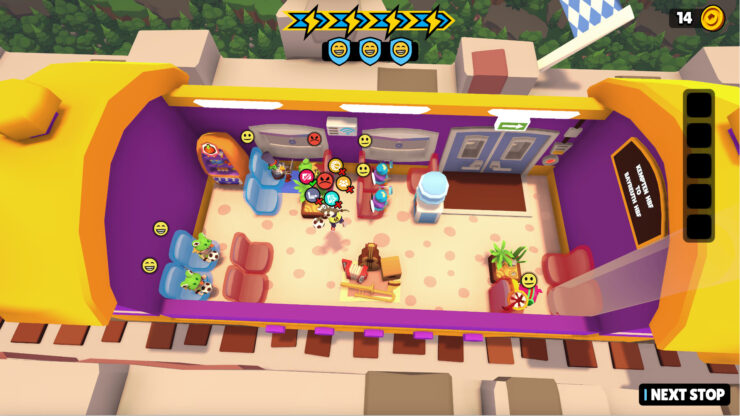
- Spatial Constraints: Players have a finite amount of space in each carriage. This introduces a "Tetris-like" challenge where large items, such as luxury tables or expansive seating arrangements, must be weighed against the potential benefit of smaller, more flexible items.
- The Economy of Comfort: The financial system is a vital component of the game’s difficulty curve. Because players must pay to maintain the train, every interaction is an investment. If a passenger is disgruntled, they provide a lower tip, which in turn reduces the budget available for the next, likely more difficult, stage of the journey.
- Variable Route Difficulty: Not all European routes are created equal. Some paths feature high-volume stops where passenger turnover is rapid, creating a chaotic environment that tests the player’s reaction time. Others offer slower, more scenic routes that demand high-level, long-term planning.
Official Perspectives and Development Insights
While the title remains in active development, early previews and developer-released footage have shed light on the design philosophy behind Train Jumble. The developers emphasize that the goal is not realism, but rather a "whimsical take on the stress of travel."
The visual design, which utilizes a bright, saturated palette and expressive character models, is intended to mask the underlying intensity of the puzzle mechanics. By making the passengers humanoid animals, the developers have created a layer of abstraction that allows players to focus on the icons and requirements without feeling overwhelmed by the "real-world" implications of a bad travel experience.
Early testers have noted that while the game is intuitive, the learning curve spikes during mid-game levels where the combination of "must-have" items and "impossible-to-please" passengers creates a genuine bottleneck. The developer’s decision to include a demo version on Steam ahead of the full release is a strategic move, allowing the community to provide feedback on the balancing of these complex systems.
Implications for the Puzzle Genre
Train Jumble represents an interesting evolution in the "cozy management" genre. Traditionally, management sims like Train Jumble either lean too far into the spreadsheet-heavy side of logistics or become too simplified to maintain long-term engagement. By marrying a strict, rule-based puzzle system with a colorful, lighthearted aesthetic, Train Jumble carves out a niche that appeals to both hardcore optimization fans and casual players looking for a relaxing, albeit challenging, experience.
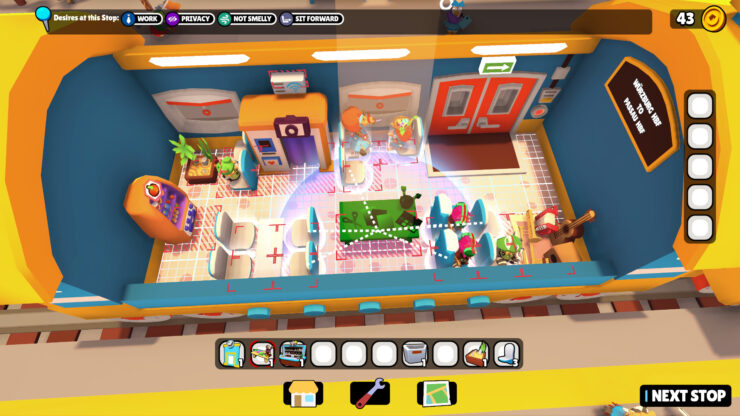
Furthermore, the game’s focus on the social dynamics of the train carriage—rather than the train itself—is a refreshing change of pace. It turns the train into a "social lab," where the player is less of a conductor and more of a mediator. If successful, Train Jumble could set a new standard for how developers implement procedural "happiness" mechanics in puzzle titles.
Conclusion: A Ticket Worth Booking
As it currently stands, Train Jumble is an intriguing addition to the indie sphere. It manages to balance the tension of a time-management game with the satisfaction of a well-organized puzzle. While the developer continues to refine the balancing and the placement mechanics, the foundation is solid.
For those interested in testing their logistical mettle, the demo is currently available via the Steam store page. Whether you are a fan of the genre or simply looking for your next addictive puzzle fix, keeping a close eye on this title as it nears its final release is highly recommended. The journey through Europe may be jumbled, but for the player, the path to mastery is clear: plan ahead, keep your passengers smiling, and don’t forget to mind the gap between your budget and your ambitions.
Quick Summary for Prospective Players:
- Genre: Puzzle / Management / Simulation
- Developer/Publisher: Independent
- Key Mechanic: Real-time spatial management and passenger requirement satisfaction.
- Current Status: Demo available on Steam; active development.
- Target Audience: Fans of Tetris, Overcooked, or logistical management games who enjoy a colorful, low-stakes aesthetic with high-stakes decision-making.


 Dwi Wanna
 Sagoh
Sagoh