

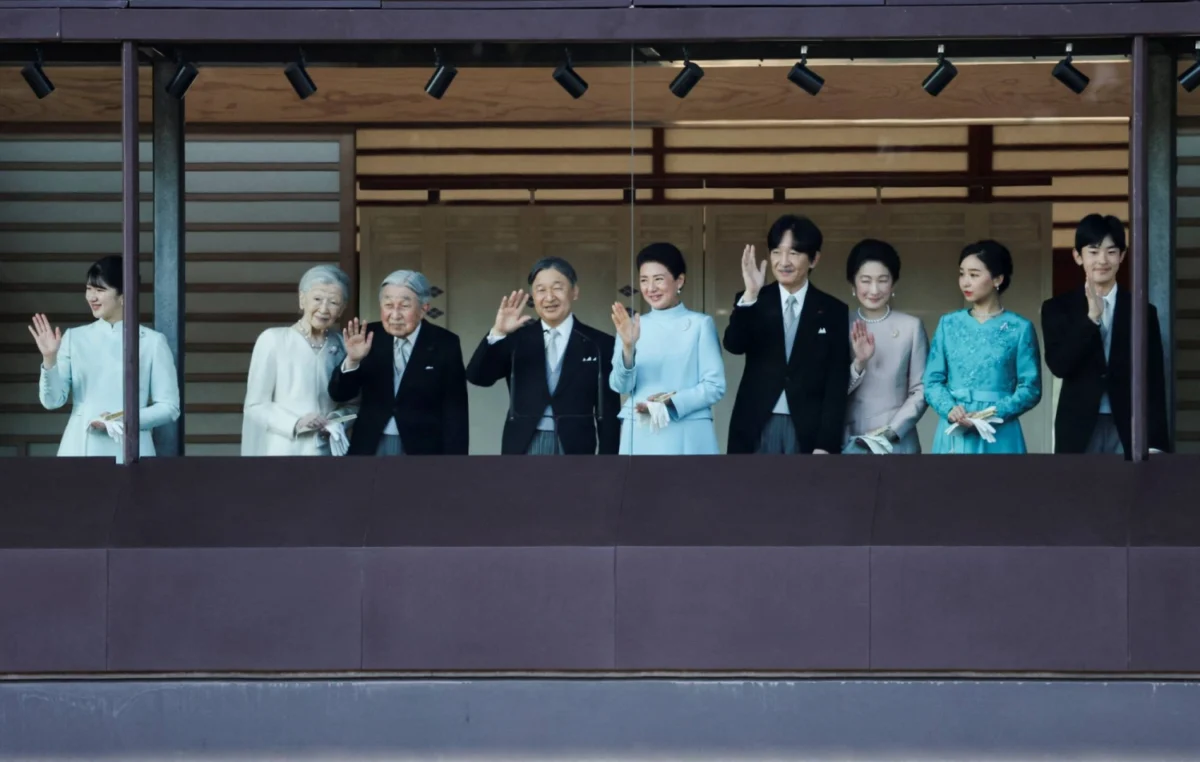
TOKYO — In a significant breakthrough for the Japanese legislative agenda, the House of Representatives is poised to move forward with a critical revision of the Imperial House Law. This development comes after a period of parliamentary paralysis, during which opposition parties staged a boycott to protest the ruling Liberal Democratic Party’s (LDP) aggressive legislative tactics. With the impasse now resolved, the lower chamber is expected to approve the proposed amendments as early as this Friday, marking a pivotal step in addressing the dwindling number of imperial family members.
Main Facts: The Path to Legislative Consensus
The resolution of the standoff follows intense negotiations between the LDP and the Centrist Reform Alliance (CRA). The parliamentary freeze, which had stalled proceedings in the Lower House, was primarily driven by opposition concerns over a separate, contentious proposal to reduce the number of parliamentary seats.
Under the terms of the compromise, the LDP has agreed to two major concessions:
- Intensive Oversight: The LDP committed to holding rigorous discussions at the Budget Committee of the lower chamber, with Prime Minister Sanae Takaichi personally attending to field questions and defend the administration’s policies.
- Legislative Deferment: The ruling bloc officially abandoned its immediate push to pass a bill that would have cut the number of Lower House seats during the current session of the Diet.
By pivoting away from the seat-reduction bill, the government has cleared the path to prioritize the Imperial House Law revision, a piece of legislation deemed essential for the long-term stability of the monarchy.
Chronology: A Week of Political Maneuvering
The timeline leading to this week’s breakthrough highlights the fragility of Japan’s current legislative balance.
- Early Week: Tensions reached a boiling point as opposition parties refused to participate in Lower House deliberations. The primary point of contention was the LDP’s plan to slash 45 proportional representation seats, a move critics labeled as a tactical power grab that would marginalize smaller parties.
- Tuesday: A glimmer of progress emerged as opposition parties returned to the House of Councilors (the upper chamber) for debates, signaling a potential softening of their stance.
- Wednesday: The decisive day of negotiations. LDP leadership held closed-door talks with the Centrist Reform Alliance. Following these discussions, the LDP announced it would prioritize the imperial bill and shelve the seat-reduction legislation.
- Thursday: The administrative machinery of the Diet moved to implement the deal. A board meeting of the Lower House Committee on Rules and Administration officially scheduled an explanatory session for the imperial bill.
- Friday (Anticipated): The Diet is expected to hold a formal explanatory session, followed by a committee vote. Should the committee approve the measure, it will proceed to a plenary session vote in the Lower House on the same day.
Supporting Data: The Shrinking Imperial Household
The urgency surrounding the Imperial House Law revision is rooted in demographic realities. As of the current legislative session, the imperial family has faced a precipitous decline in the number of active members. This contraction poses a long-term challenge to the institution’s ability to perform official duties, conduct international diplomacy, and maintain its traditional roles in Japanese society.
The proposed revision seeks to broaden the criteria for imperial status and ensure that the institution can sustain its functions despite the limited number of heirs and the departure of female members who marry commoners.
Regarding the legislative dispute, the opposition’s primary grievance centered on the LDP’s "45-seat cut" proposal. The opposition argued that such a drastic reduction in proportional representation seats would disproportionately hurt smaller parties, effectively silencing a significant portion of the electorate. By shelving this proposal, the LDP has opted for institutional peace over immediate electoral reform, reflecting the necessity of cooperation in a chamber where consensus is increasingly difficult to achieve.
Official Responses: Navigating the Compromise
The resolution of the crisis has drawn reactions from across the political spectrum.
The LDP Position:
Government spokespeople have emphasized that the decision to pause the seat-reduction bill is a pragmatic choice intended to focus on "national priorities." By inviting Prime Minister Takaichi to address the Budget Committee, the LDP aims to demonstrate transparency. The Prime Minister’s office has signaled a willingness to engage in "frank and open" dialogue, hoping to alleviate the concerns of the opposition regarding executive overreach.
The Opposition’s Perspective:
Representatives from the Centrist Reform Alliance have characterized the breakthrough as a victory for parliamentary process. "Our goal was never to stall the country’s governance," a senior CRA spokesperson stated, "but to ensure that fundamental changes to our democratic structure—such as the number of representatives—are not forced through without proper, exhaustive debate." The opposition maintains that their return to the negotiating table is conditional on the LDP’s adherence to the agreed-upon committee sessions.
Implications: Stability for the Monarchy and the Diet
The implications of this week’s agreement are twofold, affecting both the future of the Japanese monarchy and the operational dynamics of the Diet.
1. The Future of the Imperial Household
If passed, the revision to the Imperial House Law will provide a temporary but necessary reprieve for the monarchy. By ensuring that the institution remains functional and adequately staffed, the government aims to prevent a vacuum in the ceremonial and diplomatic life of the nation. However, critics argue that these changes are merely a "stop-gap" measure that avoids the more difficult, long-term conversation regarding succession rules and the eligibility of female members to ascend the Chrysanthemum Throne.
2. Parliamentary Norms and Future Governance
The resolution of the boycott serves as a case study in modern Japanese legislative politics. It demonstrates that even in a climate of high polarization, the LDP must still negotiate with opposition blocs to pass significant legislation. The abandonment of the seat-reduction bill suggests that the government is wary of the political cost of being perceived as "undemocratic."
Moving forward, the success of the upcoming budget hearings will be a litmus test for the Takaichi administration. If the Prime Minister can effectively manage the questioning in the Budget Committee, the LDP may regain the political capital necessary to pursue its broader agenda. Conversely, if the debates devolve into further procedural conflicts, the government may find its remaining legislative window for the year rapidly closing.
Conclusion: A Delicate Balance
As the Lower House prepares for Friday’s critical vote, the mood in Tokyo is one of cautious optimism. The restoration of order in the Diet is a welcome development for observers concerned about the potential for legislative gridlock. However, the underlying tensions regarding electoral reform and the future of the Imperial Household remain unresolved.
The agreement reached this week is a testament to the art of political compromise. By trading a contentious structural reform for the stability of a historical institution, the LDP has shown a capacity for flexibility that will be tested repeatedly in the months to come. For now, the Diet returns to its core function: the sober, deliberate crafting of laws that define the path of the nation. The upcoming plenary session will be the first true indicator of whether this newfound cooperation can be sustained, or if it is merely a fleeting truce in a larger, ongoing struggle for the direction of Japanese politics.











