By Craig Robinson, Senior Editor
Last Updated: July 7, 2026
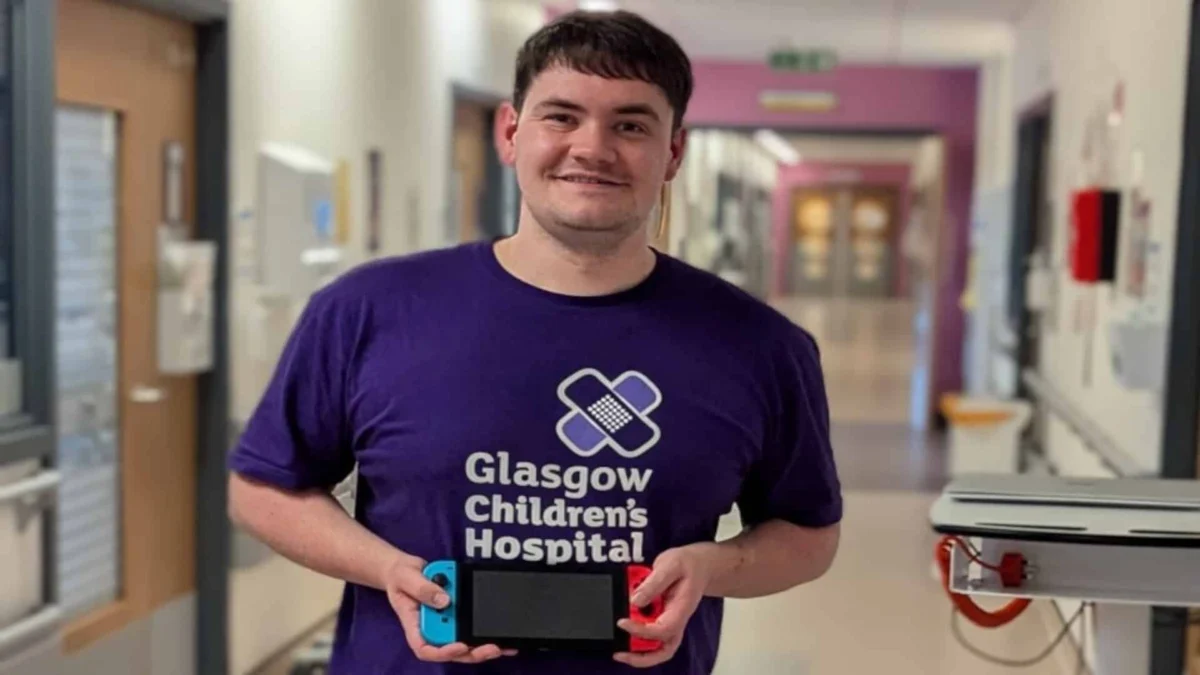
In an era where digital entertainment is often critiqued for its sedentary nature, the Glasgow Children’s Hospital Charity is proving that gaming is, in fact, a powerful tool for pediatric care. The organization has officially moved to expand its pioneering "Gamer-in-Residence" initiative, seeking a new professional to join the team as they look to build upon the success of a program that has fundamentally changed the landscape of hospital play activities in Scotland.
The role, which was recently advertised with a salary of £24,500 for a one-year contract, represents a strategic expansion of a department first established in 2024. As the inaugural Gamer-in-Residence moves into a more supervisory role managing broader hospital activities, the need for a fresh, dedicated hand to facilitate daily gaming sessions has become paramount.
The Core Mission: Gaming as a Therapeutic Bridge
The Royal Hospital for Children in Glasgow serves over 500 children and young people every single day. For these patients, a hospital stay often entails long periods of confinement, anxiety, and separation from their normal social lives. The Gamer-in-Residence program is designed to bridge that gap.
The primary duties of the role are multifaceted. Beyond simply "setting up consoles," the successful candidate is tasked with:
- Facilitating Immersive Play: Running daily gaming sessions that range from traditional console play to cutting-edge Augmented Reality (AR) and Virtual Reality (VR) experiences.
- Creating Positive Distractions: Actively working to improve the emotional wellbeing of children by providing a sense of normalcy and joy during what is often the most difficult period of their lives.
- Developing Play Strategies: Contributing to the hospital’s broader play strategy, offering fresh ideas on how digital interaction can be integrated into recovery and long-term care plans.
For the children at the Royal Hospital, the Gaming Suite is not just a room with controllers; it is a space where they can be "gamers" rather than "patients." Whether they are navigating the high-speed tracks of Mario Kart or exploring digital worlds through VR, the objective is to reduce the perception of pain and the stress of the clinical environment.
A Quarter-Century of Compassion
The Glasgow Children’s Hospital Charity has been a cornerstone of support for the Royal Hospital for Children for 25 years. Throughout this history, the charity has focused on the holistic needs of the patient—recognizing that medicine treats the illness, but play treats the spirit.
The evolution of the Gamer-in-Residence program is the latest in a long line of efforts to modernize the hospital experience. By integrating professional gaming support into the standard care model, the charity acknowledges the cultural shift in how younger generations process their world. For a generation raised on digital connectivity, gaming is a primary language of interaction. When they are hospitalized, losing access to that language can be isolating. This program ensures that the social and cognitive benefits of gaming remain available to them, regardless of their physical condition.
The Broader Landscape of Therapeutic Gaming
The Glasgow initiative does not exist in a vacuum. It stands as a notable example of a growing global movement that views video games as a legitimate medical support tool.
The Make-A-Wish Connection
The relationship between gaming and pediatric healthcare is perhaps best exemplified by the long-running Make-A-Wish Foundation. Over the past decade, the gaming industry has seen a massive influx of support for the foundation, ranging from developers donating assets for charity bundles to esports organizations hosting marathon streams to fund wish-granting. These crossovers have highlighted the gaming community’s unique capacity for philanthropy.
The Role of SpecialEffect
Furthermore, organizations like the UK-based charity SpecialEffect have paved the way for this inclusive approach. By creating custom hardware and software accessibility solutions, SpecialEffect has proven that physical disability should never be a barrier to gaming. The Glasgow Children’s Hospital program mirrors this philosophy: if you can play, you can engage, and if you can engage, you can heal.
Chronology of the Gamer-in-Residence Program
- 1999–2023: The Glasgow Children’s Hospital Charity provides traditional play therapy, focusing on books, arts, and crafts to support young patients.
- Early 2024: The charity identifies a growing demand for digital interaction. Research into the benefits of "e-therapy" begins.
- Mid-2024: The first-ever Gamer-in-Residence is hired. The program is launched as a pilot study to measure the impact of dedicated gaming sessions on patient morale.
- Late 2024–2025: The program sees high engagement. Data shows a significant reduction in self-reported anxiety levels among children participating in at least three gaming sessions per week.
- July 2026: The program enters its expansion phase. The original staff member transitions to a management role, and the search for a second Gamer-in-Residence begins.
Implications: Why This Matters for Healthcare
The recruitment of a dedicated "Gamer-in-Residence" is not merely a recruitment story—it is a signal of a paradigm shift in pediatric hospital management.
1. Socialization in Isolation
One of the most profound impacts of the role is the reduction of social isolation. In a hospital setting, children are often separated from their peers. Multiplayer gaming allows them to maintain friendships and participate in competitive or cooperative play, maintaining their social development despite their clinical status.
2. Cognitive Engagement
Unlike passive entertainment (such as television), gaming requires active cognitive engagement. This is critical for children who are facing long recovery periods, as it keeps their minds sharp and focused on goals rather than symptoms.
3. The Human Element
Critics might argue that gaming encourages isolation, but in this context, it does the opposite. The Gamer-in-Residence acts as a facilitator, not a substitute. They organize tournaments, multiplayer events, and collaborative VR sessions that bring children out of their rooms and into shared spaces, fostering a sense of community.
The Future of the Role
As of early July 2026, the job posting on LinkedIn has been removed. This usually indicates that the vacancy has either been filled or that the sheer volume of applications has reached the threshold for the charity to begin the vetting process.
The excitement surrounding this role is palpable. For a gaming professional, this position offers the unique opportunity to utilize technical skills in a way that provides tangible, immediate benefit to vulnerable individuals. The hope among the hospital staff and the gaming community is that the success of this second role will lead to a permanent expansion of the department.
If this model continues to prove effective, we may soon see "Gamers-in-Residence" becoming a standard requirement for pediatric hospitals across the UK and beyond. It is a rare piece of wholesome news: a recognition that the digital tools we use to entertain ourselves can also be the very things that help us navigate our most difficult moments.
As the Glasgow Children’s Hospital Charity prepares to welcome their newest team member, they are setting a precedent that will likely be studied by medical boards and charitable organizations globally. For the children currently under their care, the arrival of a new gaming lead is more than just a staff update—it is the promise of more victories, more high scores, and more moments of joy in an otherwise challenging environment.
About the Author
Craig Robinson is a Senior Editor at Esports News UK. Having covered the intersection of technology and community since 2015, Craig focuses on stories that highlight the positive, transformative power of gaming. A graduate of Manchester Metropolitan University, he remains committed to championing UK-based stories and the people who make the gaming industry a more inclusive space.