The United States video game market experienced a fascinating, if somewhat polarized, month in May 2026. According to the latest data from industry analyst firm Circana, the sector is currently defined by a sharp divide between the struggles of legacy console titans and the runaway success of new hardware. While consumer spending remains resilient, the underlying currents of the industry—driven by inflation, price hikes, and shifting consumer preferences—are painting a complex picture for stakeholders and enthusiasts alike.
Overall, US video game spending reached $4.2 billion in May, a 3% increase year-on-year. When looking at the broader picture, year-to-date spending stands at $23 billion, reflecting a 4% growth compared to the same period in 2025. However, beneath these headline figures lie significant challenges for established console manufacturers.
The Hardware Crisis: A Challenging Month for Sony and Microsoft
The hardware segment of the gaming industry is currently navigating a period of profound volatility. The most striking takeaway from the May report is the dramatic decline in unit sales for the two dominant market leaders of the previous generation.
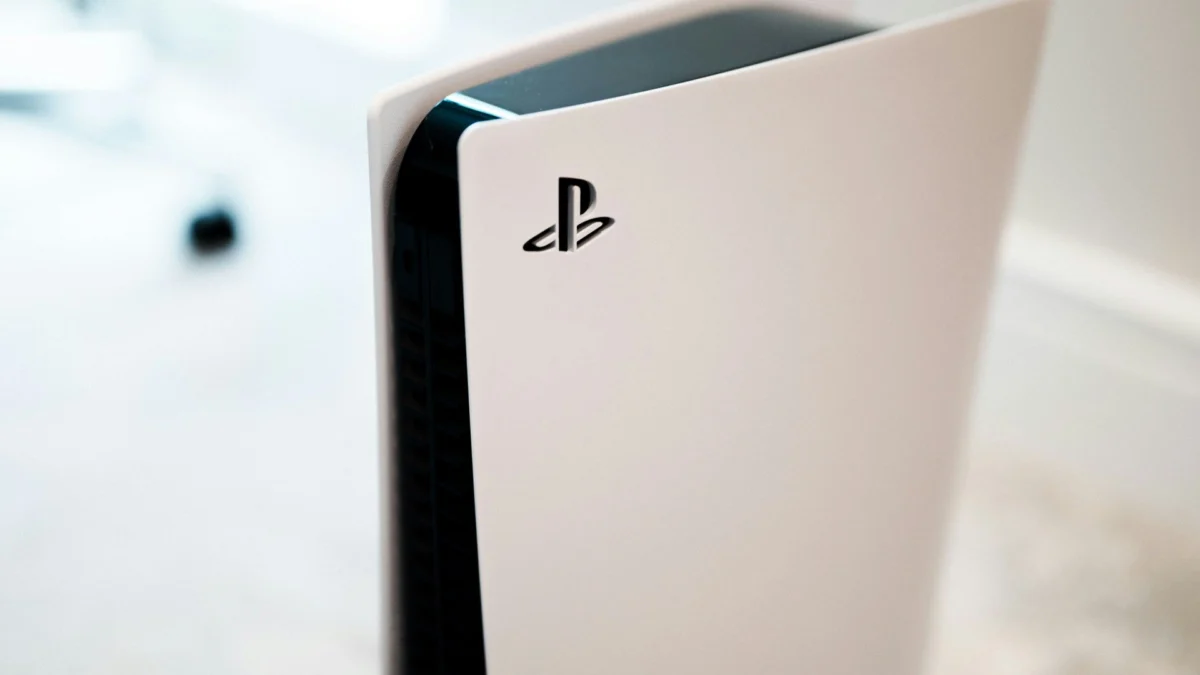
PlayStation 5 unit sales plummeted by 58% year-on-year in May, marking the console’s lowest May performance since the turn of the millennium in 2000. This downturn is not occurring in a vacuum; it follows a contentious price hike implemented in April. The standard PS5 saw its MSRP rise by $100 to $649.99, while the premium PS5 Pro model saw an even steeper increase of $150, pushing its retail price to $899.99. Analysts suggest that this "sticker shock" has significantly cooled consumer demand, forcing Sony to confront the limits of price elasticity in an increasingly cost-conscious economy.
Microsoft’s Xbox division is facing a similarly grim reality. The platform recorded its lowest-ever unit sales for the month of May, suffering a 12% drop compared to the previous year. While Microsoft has shifted its strategy toward a service-first model with Game Pass, the lack of new hardware momentum is becoming impossible to ignore. For both Sony and Microsoft, the struggle to move units suggests that the current console generation may have reached a point of saturation, or that the cost-of-living crisis is fundamentally altering the gaming hardware market.
The Switch 2 Phenomenon: A New Market Disruptor
While the established giants falter, Nintendo’s momentum has been nothing short of transformative. Despite the overall hardware slump for competitors, US hardware spending as a whole actually rose by 38% in May to reach $249 million. This surge is almost entirely attributable to the market entry and continued success of the Nintendo Switch 2.
The Switch 2 has defied market expectations, rapidly cementing itself as a cultural and commercial powerhouse. Circana reports that the console is currently the second fastest-selling piece of video game hardware in the United States since the firm began tracking data in 1995, trailing only the legendary Game Boy Advance. With an installed base now reaching 5.9 million units, the Switch 2 has effectively bridged the gap between casual gamers and core enthusiasts, providing the necessary lift to keep the industry’s hardware spending in the green.
Chronology: The Road to the May Results
To understand the current state of the industry, one must look at the developments that preceded this May report:
- Q1 2026: Initial signs of consumer fatigue regarding high-end hardware emerged, with analysts noting that the high entry cost of current-gen consoles was beginning to deter potential buyers.
- April 2026: Sony’s decision to increase the price of the PS5 and PS5 Pro sent ripples through the market. Industry experts warned that this move could alienate the middle-market consumer, a prediction that now appears to have been accurate.
- Early May 2026: The release of 007 First Light provided a much-needed injection of excitement into the software charts, helping to maintain interest despite hardware stagnation.
- Late May 2026: Circana data collection closed, confirming the divergence between Nintendo’s growth and the contraction of Sony and Microsoft’s hardware footprint.
Supporting Data: The Software Landscape
While hardware performance was mixed, software spending proved robust. The industry is currently riding the wave of several high-profile releases that have captured the public imagination.
007 First Light emerged as the clear leader for the month, proving that the appetite for high-budget, narrative-driven titles remains strong. It currently ranks as the fourth best-selling game of the year to date, trailing only Resident Evil: Requiem, Crimson Desert, and MLB: The Show 26.
Top 10 Best-Selling Games (May 3 – May 30, 2026):
- 007 First Light (New)
- Forza Horizon 6 (New)
- LEGO Batman: Legacy of the Dark Knight (New)
- Subnautica 2 (New)
- Tomodachi Life: Living the Dream (Previously #1)
- MLB: The Show 26 (Previously #4)
- Crimson Desert (Previously #3)
- Yoshi and the Mysterious Book (New)
- Call of Duty: Black Ops 7 (Previously #12)
- Mario Kart World (Previously #10)
The chart reveals a healthy mix of new intellectual properties and established franchises, with Forza Horizon 6 and LEGO Batman making strong debuts. The consistent performance of Tomodachi Life and Mario Kart World further underscores the enduring popularity of the Nintendo ecosystem.
Official Responses and Industry Sentiment
Neither Sony nor Microsoft have issued formal public statements regarding the specific May figures, though industry insiders suggest both companies are focusing on long-term retention via subscription services and digital storefronts rather than hardware unit volume.
Nintendo, meanwhile, has expressed satisfaction with the trajectory of the Switch 2. In recent internal briefings, executives noted that the console’s hybrid nature—offering both high-fidelity visuals and portability—has allowed it to capture a wider demographic than any previous Nintendo device. Investors have responded positively to this news, seeing Nintendo as the "safe haven" in a volatile gaming market.
Future Implications: What This Means for the Industry
The current data points to a fundamental shift in the gaming industry’s trajectory. Three major implications emerge from these findings:
1. The Death of the "One-Size-Fits-All" Hardware Model
The decline in PS5 and Xbox sales suggests that there is no longer a guaranteed consumer base for expensive, "pro-tier" hardware. As manufacturing costs rise, the industry may be forced to explore more aggressive subsidization models or pivot further toward cloud gaming, which reduces the need for expensive local hardware.
2. Nintendo’s "Blue Ocean" Strategy
By offering a device that is neither as expensive nor as technically demanding as the PS5 or Xbox Series, Nintendo has effectively created a "blue ocean" for itself. Its success with the Switch 2 proves that gameplay, portability, and brand identity often outweigh raw graphical fidelity in the eyes of the average consumer.
3. Service-Based Revenue
With hardware sales potentially entering a long-term decline, the reliance on recurring revenue—such as Call of Duty microtransactions, Game Pass subscriptions, and the expansion of digital-first titles like Subnautica 2—will become the primary driver of profitability. The 3% increase in total US gaming spending, despite the hardware collapse, is a testament to the success of this transition.
As we look toward the remainder of 2026, the industry finds itself at a crossroads. The transition away from traditional hardware reliance is no longer a theory; it is a reality. Whether Sony and Microsoft can adapt their strategies to compete with Nintendo’s hardware dominance, or if they will continue to focus on the software-as-a-service model, will be the defining narrative of the next twelve months. For now, the US gaming consumer has spoken: they are willing to spend, but only on hardware that provides tangible, portable value, and games that offer immediate, engaging experiences.