

FOR IMMEDIATE RELEASE
[City, State] – [Date] – In a significant departure from the beloved exploration-focused adventures of classic Pokémon titles, Pokémon Champions thrusts players directly into the heart of turn-based competitive battles. This fundamental shift demands a sophisticated understanding of strategic team composition, moving beyond mere brute force to a nuanced integration of roles, synergies, and meta-game awareness. To excel in this high-stakes environment, trainers must meticulously craft their rosters, understanding that deploying random Pokémon, no matter how powerful individually, is rarely a recipe for victory.
This comprehensive guide delves into the intricate mechanics of team roles, explores the underlying strategies that define top-tier play, and showcases several of the most potent team compositions currently dominating the Pokémon Champions competitive landscape. We aim to equip aspiring champions with the knowledge to not only compete but to conquer.
The Strategic Imperative: Beyond the Journey
Main Facts:
Pokémon Champions stands apart from its predecessors by centering its gameplay entirely around turn-based competitive battles. Unlike traditional Pokémon RPGs where exploration, narrative, and Gym challenges form the core experience, Champions strips away these elements to focus solely on the strategic depth of Pokémon combat. This makes team building not just an important aspect, but the foundational pillar of success. Players are tasked with assembling a cohesive unit of Pokémon that can effectively counter a diverse array of opposing strategies, necessitating a deep understanding of type matchups, move sets, abilities, and held items.
Chronology (Conceptual Flow):
The journey to competitive mastery in Pokémon Champions begins with acknowledging this core difference. Players first encounter the necessity of strategy when their initial attempts with uncoordinated teams fall short. This realization naturally leads to understanding individual Pokémon strengths, then to the concept of distinct team roles, and finally to the intricate art of combining these roles into formidable, synergistic compositions that define the current meta. The evolution of a player’s skill directly mirrors this progression: from basic understanding to advanced strategic execution.
Decoding Team Roles: The Foundation of Competitive Play
Pokémon Champions may not assign rigid classes, but competitive success hinges on understanding the fluid, yet critical, roles Pokémon adopt within a team. A truly balanced and formidable team artfully combines offensive power, robust defense, crucial speed control, and invaluable support. Whether battling in Singles (three Pokémon) or Doubles (six Pokémon), the principle remains consistent: a diversified roster with clear responsibilities is paramount.
Offensive Pillars: Physical and Special Attackers
Supporting Data:
The backbone of nearly every successful team lies in its ability to inflict substantial damage. Attackers are the primary means of knocking out opposing Pokémon, creating momentum, and applying pressure. These Pokémon are typically characterized by high Attack or Special Attack stats, paired with a diverse move pool that allows them to hit a wide range of types effectively.

-
Physical Attackers: These Pokémon rely on their physical Attack stat to deal damage. Examples like Garchomp, a pseudo-legendary Dragon/Ground-type, are renowned for their raw power, decent speed, and wide offensive coverage. Its access to moves like Earthquake and Dragon Claw makes it a formidable threat. Kingambit, a Dark/Steel-type, exemplifies a late-game cleaner, whose signature ability, Supreme Overlord, boosts its attack based on how many allies have fainted, turning it into a devastating force in the endgame. Sneasler, a Poison/Fighting-type, offers high speed and potent offensive pressure, often exploiting weaknesses with its STAB (Same-Type Attack Bonus) moves. The strategy here is straightforward: out-damage and overwhelm the opponent before they can establish their own game plan.
-
Special Attackers: These Pokémon utilize their Special Attack stat. Many Mega Evolved Pokémon, known for their significantly boosted stats upon transformation, often excel in this role. For instance, Mega Charizard Y (as discussed later) becomes a special attacking behemoth under sunlight, amplifying its already potent Fire-type moves. The choice between physical and special attackers, or a combination, often depends on the specific Pokémon’s stats, move pool, and the overall team’s synergy, aiming to ensure coverage against both physical and special defensive threats.
The Unsung Heroes: Support Pokémon
Supporting Data:
While not always dealing the finishing blow, Support Pokémon are indispensable, acting as force multipliers for their teammates. Their primary function is to manipulate the battlefield, buffing allies, debuffing opponents, or setting up strategic advantages. This role demands careful timing and prediction, as their moves often have a significant impact on the flow of battle.
- Stat Manipulation: Pokémon like Incineroar, a Fire/Dark-type, are prime examples. Its Intimidate ability, which lowers the Attack stat of opposing Pokémon upon entry, can drastically reduce the damage output of physical attackers, making them far easier to manage. This allows your own offensive Pokémon to survive longer or your defensive Pokémon to withstand more hits.
- Status Conditions and Field Control: Whimsicott, a Grass/Fairy-type, stands out with its Prankster ability, granting priority to status moves. This allows it to reliably set up Tailwind (boosting allied speed) or use disruptive moves like Encore (forcing an opponent to repeat their last move) or Taunt (preventing opponents from using status moves) before most opponents can react. Such actions can completely dictate the pace and momentum of a battle, turning the tide in favor of the Prankster user’s team. Other support Pokémon might utilize moves like Stealth Rock (entry hazards) or Toxic (poisoning) to chip away at opponents or apply constant pressure.
Seizing the Initiative: Speed Control
Supporting Data:
In turn-based combat, acting first is a monumental advantage. Speed control is the art of ensuring your Pokémon move before your opponent’s, allowing you to land critical hits, set up buffs, or apply debuffs before suffering damage. This can be achieved through various means:
- Raw Speed and Held Items: Some Pokémon naturally possess high Speed stats, making them inherently faster. This can be further amplified by Held Items like the Choice Scarf, which provides a significant speed boost at the cost of locking the Pokémon into using only one move. Pokémon like Garchomp or Basculegion, when equipped with a Choice Scarf, can often outspeed and potentially "sweep" entire teams if conditions are right.
- Speed-Altering Moves: Moves like Tailwind, often utilized by Pokémon such as Whimsicott (especially with Prankster), double the speed of all allied Pokémon for several turns. This can transform slow, powerful attackers into swift threats, turning the tables on faster opponents. Other strategies involve Trick Room, which reverses speed order, allowing inherently slow but powerful Pokémon to move first. Mastering speed control often determines who dictates the rhythm and flow of battle.
The Unbreakable Wall: Defensive Pokémon
Supporting Data:
No team can rely solely on offense; sustainability is key, especially in longer matches. Defensive Pokémon are designed to absorb hits, pivot into unfavorable matchups, and protect more fragile teammates. They often possess high HP, Defense, and/or Special Defense stats, along with abilities or moves that enhance their survivability or recovery.
- Tanking Hits: These Pokémon can switch into attacks that would cripple other team members, allowing your offensive threats to remain healthy. They may not deal massive damage themselves, but their presence forces opponents to make difficult decisions, often wasting turns on ineffective attacks.
- Utility and Recovery: Many defensive Pokémon also provide utility through status moves, entry hazards, or recovery options (e.g., Recover, Roost). They can stall out turns, wear down opponents, and create opportunities for their teammates to set up or attack. A well-placed defensive Pokémon can absorb a powerful blow, allowing a weakened sweeper to heal or switch out safely, ultimately enabling the rest of the team to perform at its peak.
The Ever-Evolving Meta: Adapting to the Battlefield
Official Responses (Interpreted as Meta-Game Insights):
The "meta-game" in Pokémon Champions is a dynamic ecosystem shaped by player innovation, developer balance changes, and the inherent strengths and weaknesses of the vast Pokémon roster. There isn’t a single "official response" in the traditional sense, but rather an ongoing dialogue within the competitive community that defines what strategies and Pokémon are currently most effective. Developers, through patches and new content, subtly guide this meta, aiming for a diverse and balanced competitive environment. However, the community’s collective experimentation ultimately determines the dominant strategies. Understanding the meta means knowing which Pokémon are popular, which strategies are prevalent, and what counters are needed.
Implications:
The implications of the meta are profound. A strong team composition today might be obsolete tomorrow if a new Pokémon is introduced, an ability is tweaked, or a new synergy is discovered. This constant evolution demands adaptability from players. Those who can quickly identify emerging threats, understand their own team’s place within the meta, and make necessary adjustments are the ones who consistently climb the ranks. It means continuously refining strategies, scouting opponents, and never resting on past laurels.

Exemplary Team Compositions: Blueprints for Victory
Below are some of the most formidable and strategically sound team compositions currently prevalent in the Pokémon Champions meta. While these serve as excellent starting points, remember that customization and adaptation to your personal playstyle and the evolving meta are key.
1. Charizard-Y Sun Offense Singles Team
Composition: Mega Charizard Y + Garchomp + Kingambit
Strategic Breakdown:
This team is a prime example of a "weather offense" strategy, designed to capitalize on the powerful effects of sunlight.
- Mega Charizard Y (The Sun Setter & Special Sweeper): The lynchpin of this team is Mega Charizard Y. Upon Mega Evolving, its ability, Drought, instantly summons harsh sunlight onto the battlefield. This immediately boosts the power of Fire-type attacks by 50% and weakens Water-type attacks. Charizard Y itself is a formidable Special Attacker, and under sunlight, its already potent Fire Blast or Flamethrower become incredibly devastating. It also gains access to Solar Beam, which typically requires a charge turn but fires instantly in sunlight, providing excellent coverage against Water and Rock types that would otherwise threaten it.
- Garchomp (The Physical Sweeper): With sunlight active, Garchomp steps in as a fast and powerful physical sweeper. While it doesn’t directly benefit from the sun, the presence of Mega Charizard Y often draws out Water-type Pokémon, which Garchomp can then effectively counter with its Ground-type STAB moves like Earthquake. Its raw speed and offensive presence keep opponents on the back foot, forcing switches and opening up opportunities.
- Kingambit (The Late-Game Cleaner): Kingambit acts as the team’s patient, late-game cleaner. It waits for opposing Pokémon to be weakened by Charizard Y and Garchomp. Its Supreme Overlord ability makes it increasingly dangerous as its allies fall, allowing it to unleash incredibly powerful Sucker Punches (priority Dark-type move) or Kowtows to finish off opponents. This staggered offensive approach ensures that even if the initial sun offensive struggles, Kingambit is ready to sweep up the remnants.
- Synergy: The team leverages Charizard Y’s weather-setting ability to create an overwhelming offensive presence, with Garchomp applying immediate pressure and Kingambit serving as a devastating closer. This team aims for quick, decisive victories.
2. Rain Offense Singles Team
Composition: Pelipper + Archaludon + Basculegion
Strategic Breakdown:
Mirroring the sun offense, this team thrives under rainy conditions, amplifying the power of Water and Electric-type attacks.
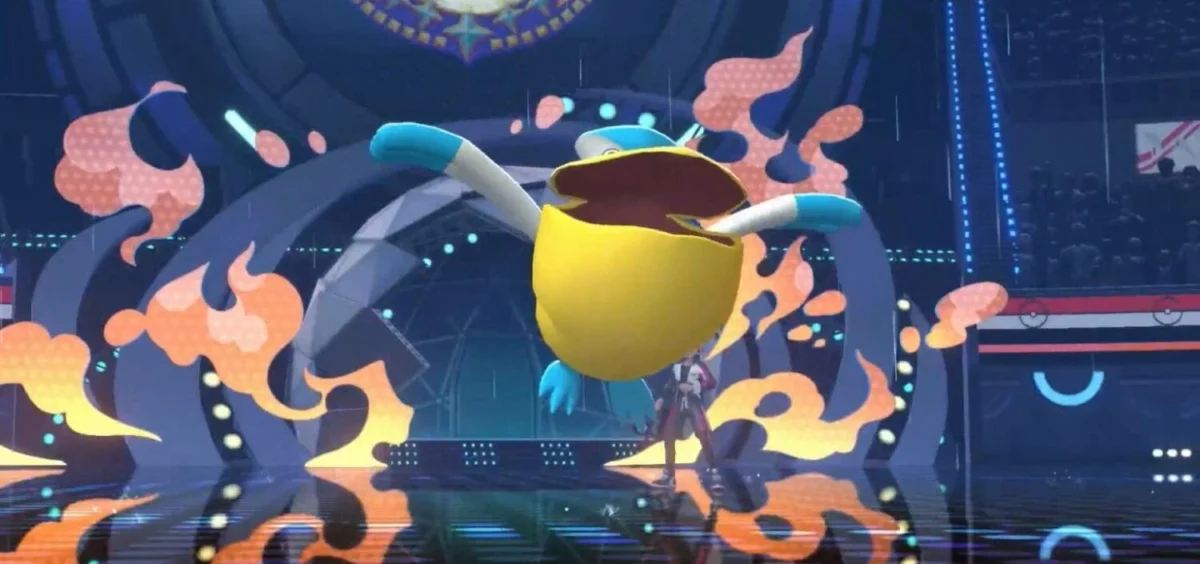
- Pelipper (The Rain Setter & Utility): Pelipper is the essential initiator, possessing the Drizzle ability, which automatically summons rain upon entering battle. Rain significantly boosts the power of Water-type attacks and provides other benefits like weakening Fire-type attacks. Pelipper also offers utility with moves like Tailwind for speed control or U-turn to pivot out and bring in a more offensive threat.
- Basculegion (The Water-Type Powerhouse): Once rain is active, Basculegion transforms into a terrifying force. Its Water-type attacks, such as Wave Crash or Aqua Jet (priority), become exceptionally powerful, often capable of one-shotting many opponents. Basculegion’s speed, combined with the rain boost, makes it a formidable special or physical attacker, depending on its specific build.
- Archaludon (The Electric-Type Threat): Archaludon, a Steel/Dragon-type, benefits indirectly from the rain. While its Electric-type attacks aren’t boosted, the rain weakens Fire-type attacks, making Archaludon a sturdier presence. More importantly, its Electric-type moves provide crucial coverage against Water-type Pokémon that might otherwise resist Basculegion. Moves like Thunderbolt or Flash Cannon become reliable damage sources, ensuring the team isn’t entirely reliant on Water STAB.
- Synergy: Pelipper’s Drizzle creates the perfect environment for Basculegion to unleash devastating Water-type attacks. Archaludon provides crucial type coverage and benefits from the reduced threat of Fire-type attacks in rain, creating a well-rounded offensive core that can punish opponents who aren’t prepared for the deluge.
3. Mega Floette Control Doubles Team
Composition: Mega Floette + Whimsicott + Kingambit + Basculegion + Hisuian Arcanine (or Archaludon) + Incineroar (or Sneasler)
Strategic Breakdown:
This Doubles team prioritizes control and calculated pressure over raw, immediate offense, aiming to manipulate the battle’s flow to its advantage. Doubles battles require intricate synergy and careful positioning, making control teams particularly effective.

- Mega Floette (The Fairy Core & Support): At the heart of this control team is Mega Floette. As a powerful Fairy-type, it offers excellent offensive presence against common threats like Dragon-types while also providing consistent support. Its access to strong Fairy STAB moves combined with potential healing or status moves makes it a versatile anchor, capable of dishing out damage or shoring up the team’s defenses.
- Whimsicott (The Prankster Disruptor): Whimsicott is the master of disruption. With its Prankster ability, it gains priority on status moves, allowing it to reliably set up Tailwind (speed boost for allies), use Encore to lock opponents into unfavorable moves, or utilize Taunt to shut down opposing support Pokémon. Whimsicott dictates the pace, creating openings for its teammates.
- Kingambit (The Offensive Closer): As in Singles, Kingambit excels as a powerful offensive threat, particularly in the late game. Its Supreme Overlord ability ensures that as the battle progresses and allies might fall, Kingambit becomes an increasingly dangerous force, capable of cleaning up weakened foes.
- Basculegion (The Opportunistic Attacker): Basculegion provides a strong offensive presence, capitalizing on openings created by Whimsicott’s speed control or Mega Floette’s pressure. It can be a powerful physical or special attacker, adding crucial damage output to the team.
- Flexible Defensive/Support Slot (Hisuian Arcanine / Archaludon): This slot is crucial for defensive flexibility.
- Hisuian Arcanine: As a Fire/Rock-type, it offers strong offensive pressure and can serve as a physically bulky Pokémon. Its Intimidate ability (if available) can reduce opposing physical attack, while Extreme Speed provides priority damage. It covers weaknesses that Mega Floette might have and can take hits.
- Archaludon: A Steel/Dragon-type, Archaludon provides excellent defensive typing and offensive presence with its Electric-type moves. It offers a different defensive profile and can be used to counter specific threats.
- Flexible Aggressive/Support Slot (Incineroar / Sneasler): This slot offers further adaptability, allowing players to lean more into support or offense.
- Incineroar: A staple in Doubles, Incineroar’s Intimidate ability is invaluable for reducing physical damage. Its Dark/Fire typing offers good offensive coverage, and it has access to pivot moves like U-turn, allowing it to cycle in and out while applying Intimidate repeatedly.
- Sneasler: For a more aggressive approach, Sneasler brings high speed and potent offensive pressure, capable of quickly dispatching threats that the control core has weakened.
- Synergy: This team is built on controlling the flow of battle. Whimsicott’s priority moves and Mega Floette’s dual role set the stage, while Kingambit and Basculegion provide offensive pressure. The flexible slots allow for adaptation to specific meta trends or opponent teams, ensuring comprehensive coverage and strategic depth.
Advanced Team Building Principles and Continuous Improvement
Supporting Data:
Beyond the basic roles and example compositions, truly mastering team building in Pokémon Champions involves several advanced considerations:
- Type Synergy and Coverage: A balanced team ensures that no single type can sweep through your entire roster. It also means having offensive moves that can hit a wide variety of opposing types for super-effective damage.
- Entry Hazards and Hazard Removal: Moves like Stealth Rock or Spikes chip away at opponents as they switch in, creating cumulative damage. Conversely, having a Pokémon with Rapid Spin or Defog to remove opposing hazards is crucial for maintaining your team’s longevity.
- Status Conditions: Understanding how to inflict and prevent status conditions (e.g., burn, poison, paralysis, sleep) can turn the tide of battle. A well-timed Will-O-Wisp can cripple a physical attacker, while a cleric with Heal Bell can cure your team’s status.
- Switch-Ins and Pivoting: The ability to safely switch Pokémon in and out of battle to absorb hits or gain a type advantage is a hallmark of skilled play. Moves like U-turn or Volt Switch allow for "pivoting," dealing damage while safely bringing in another Pokémon.
- Held Items and Natures: Every Pokémon’s potential can be optimized through the careful selection of Held Items (e.g., Choice Band, Assault Vest, Leftovers) and Natures (which boost one stat while lowering another). These fine-tune a Pokémon for its specific role.
- Scouting and Prediction: Top players constantly scout their opponents’ common teams and predict their moves. This allows for strategic switch-ins, targeted attacks, and preemptive support moves that can disrupt the opponent’s strategy.
Final Thoughts: The Art of Competitive Pokémon
Building a successful team in Pokémon Champions is an intricate art form, demanding far more than merely selecting powerful Pokémon. It requires a holistic approach, where offensive threats, reliable support, critical speed control, and defensive utility coalesce into one cohesive, adaptable strategy. The game rewards meticulous planning, deep understanding of mechanics, and a willingness to learn from every victory and defeat.
The meta-game is a living entity, constantly shifting and evolving. Therefore, the most successful trainers are those who not only master the fundamentals but also embrace experimentation, constantly refining their strategies, and adapting to new challenges. This continuous process of learning and adaptation is what makes competitive Pokémon Champions so engaging and ultimately, so rewarding.
For trainers looking to deepen their understanding, further resources such as the comprehensive Beginner’s Guide, Redeem Codes for in-game gifts, and detailed Held Item and Pokémon Tier Lists are invaluable tools on the path to becoming a true Pokémon Champion.
Did you find this Pokémon Champions Team Composition Guide useful? Let us know in the comments below!
For more Mobile Gaming news and updates, join our WhatsApp Channel, Telegram Group, or Discord server. Also, follow us on Instagram, Twitter, and Google News for quick updates.











