Asep Darmawan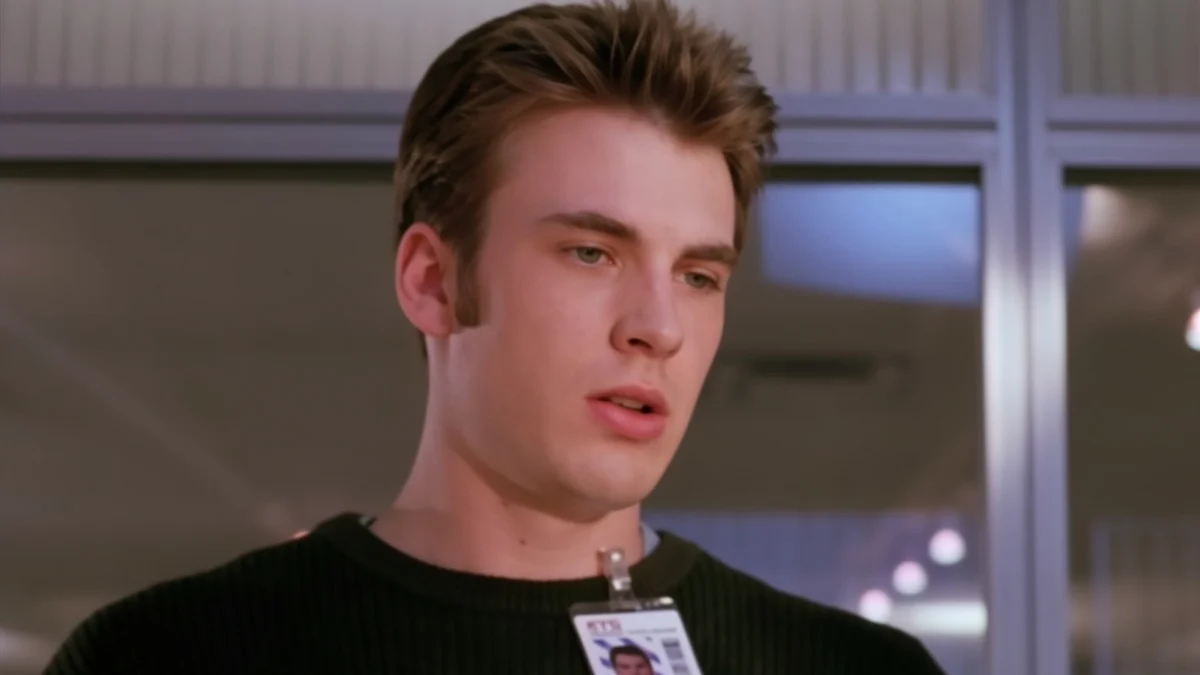
In the modern era of Hollywood, where the Marvel Cinematic Universe (MCU) serves as the primary engine of global pop culture, it is easy to view its biggest stars as having emerged fully formed from the ether of blockbuster success. We associate Chris Evans with the unwavering moral compass of Steve Rogers and Scarlett Johansson with the tactical precision of Natasha Romanoff. Yet, before they were saving the multiverse, they were merely young actors navigating the cutthroat landscape of early 2000s teen comedies.
Tucked away in the archives of mid-budget studio projects lies "The Perfect Score," a 2004 heist comedy that has largely faded into obscurity. While it is rarely mentioned in the same breath as the definitive films of its era, it serves as a fascinating time capsule—not just because of its future A-list cast, but because it captures a specific moment in time when the "teen ensemble" genre was struggling to find its footing after the dominance of John Hughes in the 1980s.
Main Facts: A Convergence of Future Superstars
Released in January 2004, "The Perfect Score" tells the story of six high school students who conspire to break into the Educational Testing Service (ETS) headquarters to steal the answer key for the upcoming SATs. The film was directed by Brian Robbins, a filmmaker who, at the time, was known for balancing earnest teen drama with high-concept comedy, having previously helmed the cult classic "Varsity Blues."
The central cast is a "who’s who" of actors who would later become household names. Chris Evans stars as Kyle, an aspiring architect struggling to escape the shadow of his underachieving older brother, Larry, played by Matthew Lillard. Scarlett Johansson portrays Francesca, the daughter of the ETS security chief, who provides the group with the necessary access to pull off their caper.
While the premise sounds like a standard "get-rich-quick" teen caper, the film attempts to inject a sense of existential dread—the paralyzing fear that one’s entire future hinges on a standardized test. Despite this relatable thematic hook, the film was a commercial and critical failure, grossing roughly $10 million against a production budget estimated at $25 million.
Chronology of the Project
The development of "The Perfect Score" occurred during a transitional period for Paramount Pictures, which was looking to capitalize on the success of ensemble-driven teen films.
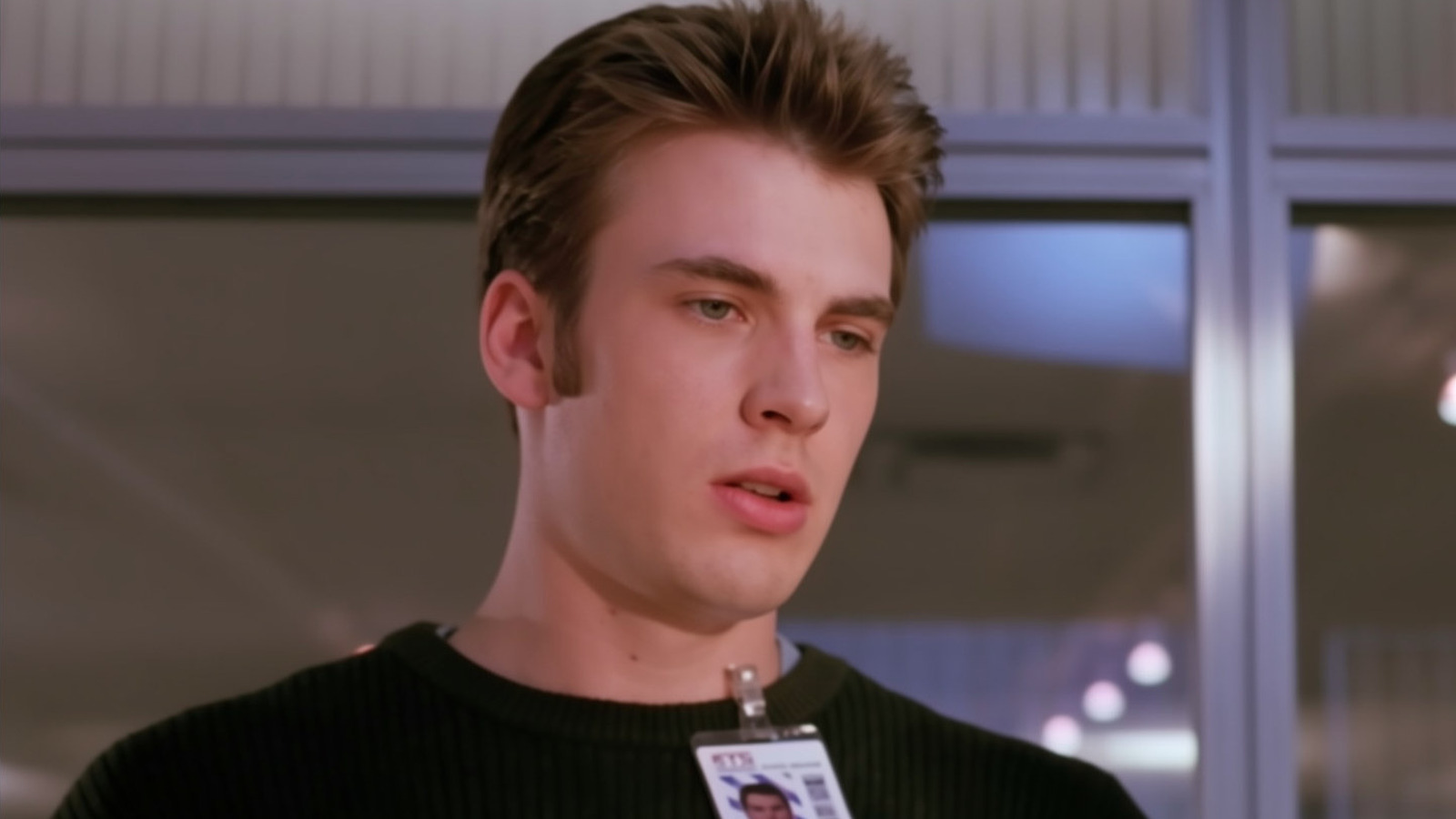
- Pre-Production (2002-2003): Casting began in 2002. At the time, Chris Evans was primarily known for his role in "Not Another Teen Movie," a parody film that, ironically, satirized the very genre he was about to enter with "The Perfect Score." Scarlett Johansson was beginning to transition from child actor to serious lead, having recently garnered critical acclaim for "Lost in Translation."
- Production (Spring 2003): Filming took place throughout 2003. The production was marketed as a high-stakes comedy, but the tone proved difficult to balance during the editing process.
- Release (January 30, 2004): The film opened in North American theaters during the "dump month" of January, a period historically reserved for films the studio does not expect to perform well during awards season.
- Critical Reception: Upon release, the film was savaged by critics. It currently maintains a 15% approval rating on Rotten Tomatoes, with consensus labeling it a hollow imitation of better coming-of-age stories.
Supporting Data: Why the Film Failed to Connect
To understand why "The Perfect Score" failed, one must look at the landscape of 2004. Audiences were becoming fatigued by the influx of "teen heist" movies that followed in the wake of the success of films like "Ocean’s Eleven." While "The Perfect Score" attempted to scale that concept down to a high school setting, it lacked the stylistic flair and ensemble chemistry that defined successful heist films.
Financial Performance
The $10 million box office return was a significant blow to the production team. In the early 2000s, a $25 million budget was a moderate investment, but the lack of international appeal meant that the studio saw very little return on its investment. The film’s failure is often attributed to a lack of a clear identity; it was neither a gritty drama about the pressures of academia nor a raunchy, laugh-out-loud comedy.
The "Breakfast Club" Comparison
Critics frequently drew comparisons between "The Perfect Score" and John Hughes’ "The Breakfast Club." However, while the latter focused on the psychological interiority of its characters, "The Perfect Score" treated its characters as archetypes—the jock, the burnout, the rebel, and the genius—without providing the depth necessary to make the audience care about their heist.
The Role of Matthew Lillard: The "Doofus" Archetype
Matthew Lillard’s performance as Larry is one of the film’s most curious elements. Lillard, who had achieved massive success as Shaggy in the live-action "Scooby-Doo" films and Stu Macher in "Scream," was arguably the most recognizable face in the cast at the time.
His character, Larry, is a classic "lovable loser" who spends his days in his underwear, playing guitar, and imparting questionable wisdom to his younger brother. In the context of the film, he represents the "failure" that Kyle is terrified of becoming. While Lillard’s performance is energetic, it highlights the film’s tonal inconsistency. Whenever the movie attempts to get serious about the pressure of the SATs, it is undercut by the slapstick nature of the Lillard-Evans dynamic.
Official Responses and Post-Mortem Analysis
In the years since the film’s release, neither Chris Evans nor Scarlett Johansson has spent much time discussing "The Perfect Score" in press junkets. This is standard for projects that failed to make an impact, as stars typically prefer to focus on their current, more successful work.
However, director Brian Robbins has often defended his body of work in interviews, suggesting that teen movies are often unfairly maligned by critics who hold them to the standards of prestige cinema. From a production standpoint, the failure of the film did not hinder the careers of its stars; rather, it served as a "lesson in the trenches." Both Evans and Johansson would go on to work with high-caliber directors, eventually landing the roles that would define their careers in the MCU.
Implications: A Lesson in Career Trajectory
The existence of "The Perfect Score" offers several implications for how we view Hollywood stardom:
- The "Stumble" as a Necessary Step: Many successful actors have a "forgotten" project in their filmography that served as a learning experience. For Evans and Johansson, this film provided an opportunity to refine their on-screen chemistry and comedic timing.
- The Erasure of Mid-Budget Cinema: Today, the $25 million mid-budget studio film is nearly extinct, having been replaced by either low-budget horror or massive $200 million franchise tentpoles. "The Perfect Score" represents a type of movie that simply doesn’t get made by major studios anymore.
- The Power of Retrospective Viewing: The film serves as a reminder that audiences today are much more forgiving of "bad" movies when they feature beloved actors. In 2026, a film that might have been ignored in 2004 can find a second life on streaming platforms, fueled by fans curious to see their favorite superheroes in their formative years.
Conclusion: Is it Worth a Second Look?
Is "The Perfect Score" a hidden masterpiece? Absolutely not. It is, by all traditional metrics, a derivative, uneven, and poorly reviewed film. However, it is an essential piece of cinematic history for those interested in the evolution of Chris Evans and Scarlett Johansson.
If one views the film not as a heist thriller, but as a time capsule of 2000s teen angst, it becomes much more palatable. It represents a Hollywood that was still trying to figure out how to bridge the gap between television-style teen dramas and big-screen spectacles. While the heist itself might be a "bust," the opportunity to watch future legends find their footing makes "The Perfect Score" a curiosity worth at least one viewing. Perhaps the real "perfect score" was the experience the cast gained along the way.

 Jia Lissa
 Iffa Jayyana