

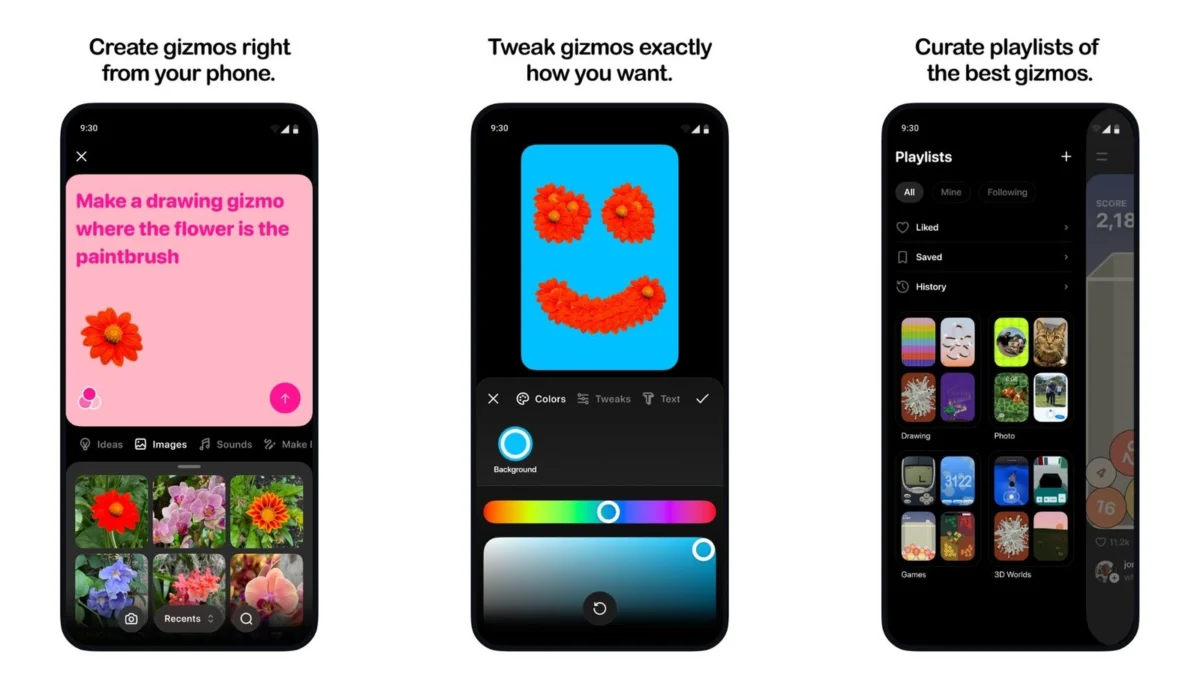
In a move that signals a significant shift in how everyday users interact with software development, Meta has quietly launched a new mobile application titled "Pocket." The app, which allows users to build and share interactive "gizmos" through generative AI, represents the company’s latest aggressive push into the democratization of coding. By leaning into the concept of "vibe-coding"—where high-level intent replaces low-level syntax—Meta is attempting to turn the average smartphone user into a game developer.
The Core Concept: Vibe-Coding in Your Pocket
The term "vibe-coding" has gained traction in developer circles as a shorthand for using AI models to write, iterate, and debug code simply by describing the desired outcome. Pocket appears to be the commercial manifestation of this philosophy. Instead of requiring knowledge of C#, C++, or Python, users are invited to describe the games or interactive experiences they want to create. The AI then handles the heavy lifting, generating the logic and assets necessary to bring these "gizmos" to life.
The application serves as both a creation engine and a social platform. Once a gizmo is built, it can be shared with others, creating a feedback loop of creation, remixing, and community interaction. It is a bold departure from traditional game engines like Unity or Unreal, which demand a steep learning curve. Meta’s approach prioritizes accessibility, aiming to lower the barrier to entry so low that anyone with a smartphone can participate in the digital economy of game creation.
Chronology: From Gizmo to Pocket
The lineage of this project provides a clear roadmap of Meta’s strategic acquisitions and internal development focus.
- Early 2026: Meta reportedly initiates a series of talent acquisitions, focusing on engineers and developers from the startup space. Most notably, the team behind the app "Gizmo"—a platform that specialized in AI-driven interactive experiences—was brought into the fold to bolster Meta’s "Superintelligence" labs.
- June 29, 2026: According to data from the mobile intelligence firm AppFigures, Pocket makes its quiet debut on both the Apple App Store and the Google Play Store. The release is not announced via press release, social media, or official blog post.
- July 2, 2026: Mobile developer and reverse engineer Alessandro Paluzzi flags the app on X (formerly Twitter), bringing it to the attention of the tech press. The discovery reveals that the app’s internal package name on the Google Play Store is still listed as
com.facebook.gizmo, confirming the connection to the acquired startup. - Current Status: The app remains in a soft-launch phase. While accessible in select territories, it is notably absent from major markets like the United States, as Meta continues to test the waters and iron out the infrastructure required for such a compute-heavy application.
The Gizmo Connection and AI Integration
The evidence linking Pocket to the acquisition of the Gizmo team is not merely circumstantial; it is baked into the DNA of the product. The app’s marketing language explicitly refers to user creations as "gizmos," a direct carry-over from the startup’s original branding.
Meta’s strategy here is consistent with its broader efforts over the past 18 months. Since the explosion of Large Language Models (LLMs), the company has been "going gangbusters" on AI integration. From the implementation of Meta AI into the Facebook feed to provide animated profile pictures, to the development of standalone apps that curate AI-generated content, the company is betting that the future of social networking lies in algorithmic creativity.
Pocket is a natural extension of this "AI-first" ethos. By offloading the technical complexity of programming to a generative model, Meta is creating a new category of "AI-slop" or, more charitably, "AI-generated entertainment," which it hopes will keep users engaged within its ecosystem for longer periods.
Supporting Data: The Global Rollout Strategy
While the launch has been characterized as a "soft launch," the logistical footprint of the app suggests a highly controlled experiment. Meta’s help documentation confirms that "the Pocket app is not yet available everywhere," a standard disclaimer for regional testing.
For tech analysts, the limited availability is a strategic choice. Generative AI applications are notoriously expensive to run; they require massive amounts of GPU compute power for every user request. By restricting the launch to specific regions—likely those with lower infrastructure costs or specific user demographics—Meta is able to stress-test the model’s performance and safety guardrails without incurring the massive overhead of a global release.
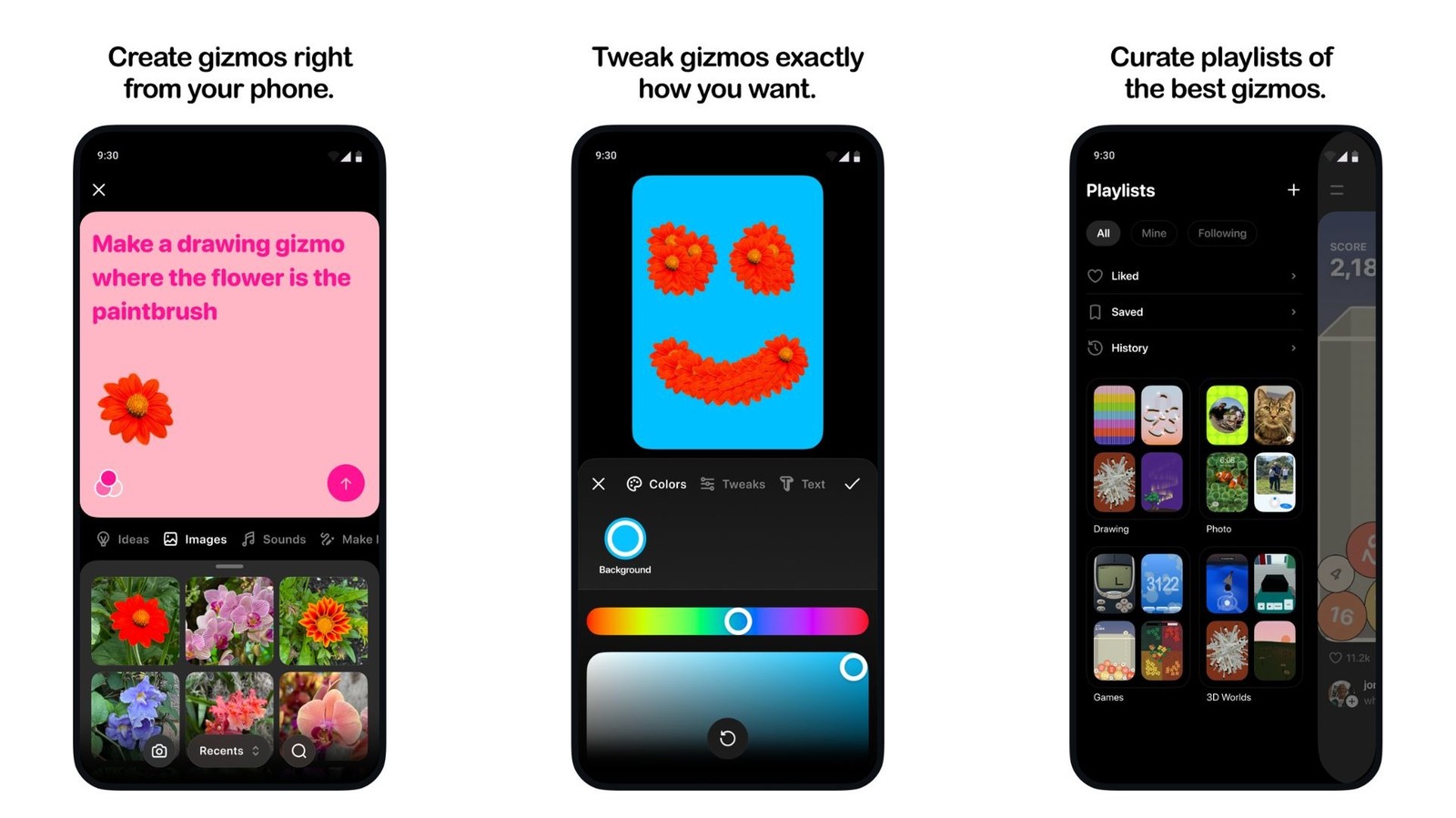
Furthermore, the app’s design is optimized for mobile-first consumption. By keeping the creation process within a "pocket" format, Meta is acknowledging that the next generation of creators will not necessarily be sitting at a desktop PC with a keyboard and mouse, but rather on a commute or in a living room, using natural language to build their own entertainment.
Official Responses and Corporate Silence
As of mid-July 2026, Meta has maintained a posture of strategic silence. Despite multiple inquiries from news outlets, including TechCrunch and Engadget, the company has not issued a formal press release or provided a roadmap for a wider rollout.
This silence is typical of Meta’s current approach to product development. In the post-Metaverse pivot era, the company has increasingly favored "shadow drops" and quiet tests over high-profile keynote announcements. By avoiding an official launch, Meta avoids the immediate scrutiny of a public failure. If the app gains traction, it can be scaled; if it falters, it can be quietly shuttered, much like the many experimental social apps Meta has tested and discarded over the last decade.
The Implications: Is This the Future of Game Design?
The implications of Pocket’s release are twofold: one for the gaming industry and one for the social media landscape.
1. The Disruption of Independent Development
For indie game developers, the rise of "vibe-coding" presents a complex challenge. While Pocket is unlikely to replace complex, narrative-driven titles or high-fidelity action games, it could decimate the market for simple, hyper-casual games. If a teenager can generate a simple platformer or a trivia game in thirty seconds using natural language, the market for "low-effort" apps on the App Store may become entirely saturated by AI-generated content.
2. The Gamification of Social Interaction
For Meta, the goal is clear: increase time-on-app. If users are not just consuming content but creating and sharing mini-games within the Meta ecosystem, the platform becomes significantly stickier. It transforms Facebook and Instagram from passive consumption feeds into active creative hubs. This moves the company closer to its long-held dream of being the primary substrate for all human digital interaction.
3. The Safety and Copyright Dilemma
As with any generative AI tool, Pocket faces significant hurdles regarding safety and copyright. Who owns the code generated by the AI? If a user prompts the AI to "make a game like Super Mario," how does Meta manage potential intellectual property disputes? Furthermore, how will the company moderate the millions of "gizmos" created by users to ensure they don’t violate community standards? These are questions that remain unanswered as the app continues its quiet, global rollout.
Conclusion
Pocket is more than just a new app; it is a signal of Meta’s intent to own the "creation" layer of the internet. By betting on the premise that the future of programming is conversational rather than technical, Meta is positioning itself to lead a new era of digital expression. While the app is currently in its infancy, the underlying technology—and the massive corporate resources backing it—suggest that "vibe-coding" is not a fleeting trend, but a fundamental shift in how we build, play, and interact in the digital age.
As the testing phase expands, the world will be watching to see if "Pocket" becomes the next great creative platform or another experimental footnote in the company’s history. For now, the "gizmos" are arriving, one prompt at a time.











