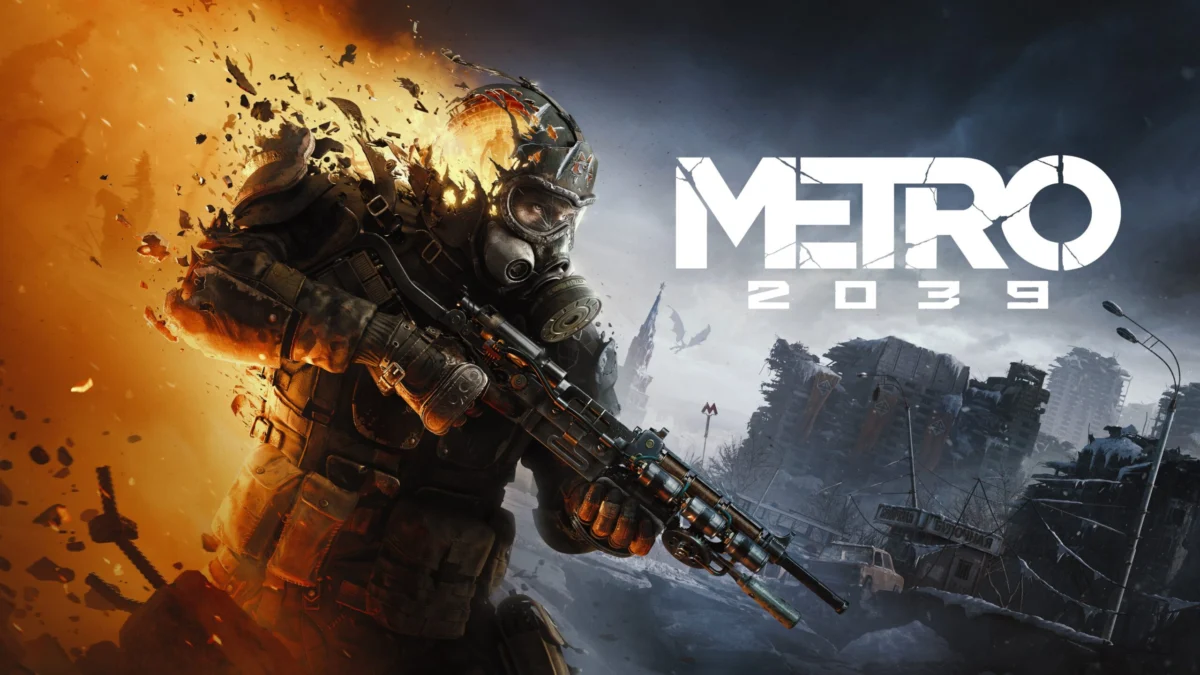
Kyiv, Ukraine – Five years after the critically acclaimed Metro Exodus took players to the irradiated surface of post-apocalyptic Russia, 4A Games has officially announced Metro 2039, the next chapter in its harrowing, story-driven saga. The revelation marks a significant return to the claustrophobic, politically charged confines of the Moscow Metro, abandoning the semi-open-world exploration of its predecessor to re-immerse players in the chilling, uneasy atmosphere that defined the series’ origins. More than just a continuation, Metro 2039 is poised to be a deeply personal and resonant entry, its narrative irrevocably shaped by the profound real-world events that have impacted its Ukrainian development team.
Main Facts: A Return to the Tunnels, Forged in Conflict
Metro 2039 is not merely a sequel; it is a deliberate artistic statement, a return to the roots of a franchise renowned for its intense atmosphere and intricate storytelling. Developed by the resilient team at 4A Games, a studio predominantly based in Ukraine, the game is slated for a winter release on PC, Xbox Series X/S, and PlayStation 5. This upcoming installment promises to deliver a singular, story-driven, single-player experience, eschewing contemporary trends towards multiplayer or expansive open-world mechanics in favor of a focused, linear narrative that amplifies its signature psychological horror.
The most striking departure for series veterans will be the protagonist, who, for the first time, will be fully voiced. This change signals a potential deeper dive into character psychology and player immersion, offering a more direct connection to the unfolding terrors and moral dilemmas. The narrative, co-written by the series’ original author, Dmitry Glukhovsky, is set to explore the "compromised morality of a post-war society," themes that have gained an unsettling new dimension for the developers.
Adding a chilling layer to the established lore, Metro 2039 confirms that the dark ideological undercurrents hinted at in previous games have fully coalesced. The various underground factions, once disparate and warring, have now unified under a sinister new banner: the Novoreich. This authoritarian regime, led by a former Spartan, presents itself as the sole harbinger of salvation, a twisted echo of historical totalitarian movements where "Nazi ideology never died" within the tunnels’ perpetual twilight. This new antagonist faction, and its promise of a dark order, sets the stage for a narrative steeped in the very real, psychological toll of prolonged conflict and ideological extremism.
Technologically, 4A Games continues its commitment to its proprietary 4A Engine. For Metro 2039, the engine has received a "major upgrade," with ray tracing now a "core component of the rendering pipeline," meticulously rebuilt for enhanced performance on modern hardware. This technical prowess is not merely for visual spectacle but serves to heighten the game’s environmental storytelling, promising "cluttered, believable and lived-in environments" that further envelop players in the grim reality of the post-apocalyptic Moscow Metro.
Chronology: From Literary Origins to Wartime Development
The journey of the Metro series began not in code, but in prose. Dmitry Glukhovsky’s self-published novel, Metro 2033, captivated readers with its haunting vision of humanity’s last vestiges clinging to life in the irradiated tunnels beneath Moscow after a devastating nuclear war. The book’s success laid the groundwork for a video game adaptation, leading to the formation of 4A Games, an independent studio with roots in Ukraine.
H3: The Genesis and Evolution of a Franchise
- 2010: Metro 2033: The first game, Metro 2033, released by 4A Games, translated Glukhovsky’s dark vision into an immersive, first-person shooter. It was lauded for its oppressive atmosphere, unique blend of survival horror and FPS mechanics, and compelling narrative. Players were introduced to Artyom, a silent protagonist navigating the dangers of mutants and warring human factions, including the insidious Fourth Reich and the communist Red Line.
- 2013: Metro: Last Light: Building on the foundation of its predecessor, Metro: Last Light refined the gameplay, expanded the narrative, and further explored the moral ambiguities of the Metro’s inhabitants. It solidified the series’ reputation for intense storytelling and atmospheric immersion, often cited for its incredible graphical fidelity for its time.
- 2019: Metro Exodus: A significant departure, Metro Exodus ventured beyond the confines of the Metro, taking Artyom and his Spartan Rangers on a cross-continental journey across a ravaged Russia. While maintaining its core narrative focus, it introduced semi-open-world zones, offering a blend of linear storytelling and exploration. Exodus was widely praised for its ambition, environmental diversity, and emotional depth, pushing the boundaries of what a Metro game could be. It concluded Artyom’s main storyline, leaving fans to wonder about the future of the franchise.
H3: The Five-Year Hiatus and Unforeseen Challenges
Following the critical and commercial success of Metro Exodus in 2019, anticipation for a new installment remained high. However, the subsequent years presented unprecedented global challenges that significantly impacted 4A Games.
- 2020: The Global Pandemic: The COVID-19 pandemic forced development studios worldwide to adapt to remote work, disrupting established pipelines and introducing new complexities. 4A Games, like many others, had to navigate these unforeseen circumstances, which undoubtedly influenced the early stages of Metro 2039‘s development.
- 2022: The Invasion of Ukraine: The most profound and devastating event for 4A Games was the full-scale Russian invasion of Ukraine in February 2022. As a studio with a significant presence in Kyiv, the team found themselves living through the very apocalypse-like scenarios they had so vividly depicted in their games. This real-world conflict brought immense personal hardship, displacement, and a constant threat to the lives and livelihoods of the developers and their families. Despite these unimaginable pressures, the studio demonstrated remarkable resilience, continuing its work while many members actively participated in defense efforts or supported their communities. The game’s "darker story" and "Ukrainian perspective" are direct, unavoidable reflections of this harrowing period.
H3: The Official Reveal
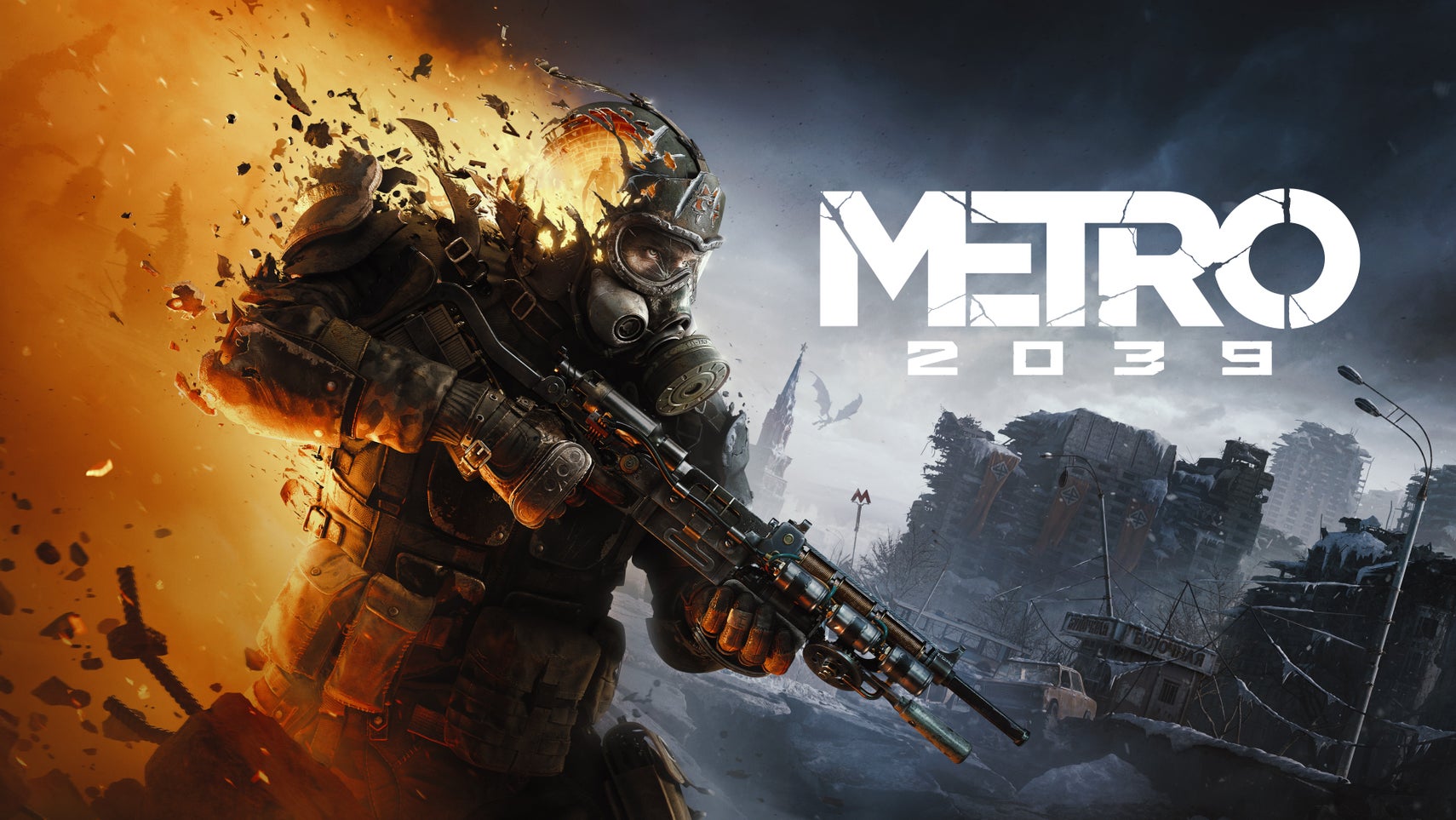
The announcement of Metro 2039 came with a brief first-look trailer, offering a tantalizing mix of cinematic sequences and fleeting glimpses of gameplay. While light on detailed gameplay mechanics, the trailer powerfully conveyed the game’s renewed focus on the oppressive atmosphere of the Metro, hinting at the psychological and ideological battles that await players. The reveal was met with enthusiastic reception from fans, eager to return to the unique world crafted by 4A Games and Glukhovsky.
Supporting Data: Delving into Narrative, Technology, and Resilience
The announcement of Metro 2039 is rich with details that illuminate the game’s ambition, its technological backbone, and the profound influences shaping its narrative.
H3: Narrative Deep Dive: Morality, Ideology, and Personal Horror
- Dmitry Glukhovsky’s Return and the Morality of Survival: The continued involvement of Dmitry Glukhovsky as co-writer is a cornerstone of the series’ narrative integrity. His novels are celebrated for their philosophical depth, exploring themes of human nature, faith, survival, and the insidious nature of power in extreme circumstances. Metro 2039‘s focus on the "compromised morality of a post-war society" is quintessential Glukhovsky. In the bleak confines of the Metro, where resources are scarce and threats are constant, moral lines blur. Players can expect to confront difficult choices with far-reaching consequences, forcing them to grapple with the ethical cost of survival and the slippery slope towards authoritarianism. Glukhovsky’s background often infuses his work with a critical lens on post-Soviet society and power structures, which will undoubtedly be magnified in 2039‘s narrative.
- The Novoreich: A New Face of Tyranny: The introduction of the Novoreich as a unified, authoritarian regime is a chilling evolution of the Metro’s political landscape. Previous games featured the Fourth Reich (Nazis) and the Red Line (Communists) as warring ideological factions. The Novoreich, by uniting disparate groups under one banner, suggests a more sophisticated and perhaps more insidious form of control. Their claim to offer the "only path to salvation" echoes real-world fascist rhetoric, where individual liberties are sacrificed for a perceived collective security or destiny. The revelation that "Nazi ideology never died" in these tunnels underscores a persistent, terrifying strain of human cruelty that transcends the apocalypse, highlighting the idea that the greatest monsters are often human. This faction, led by a former Spartan, raises questions about loyalty, betrayal, and the seductive power of order in chaos.
- A Voiced Protagonist: Enhancing Empathy and Interiority: The decision to give the protagonist a voice for the first time is a significant shift for the series. Artyom, the hero of the previous games, was famously silent, allowing players to project themselves onto him. While effective for immersion, a voiced protagonist can offer deeper characterization, convey internal struggles more directly, and facilitate more nuanced interactions with NPCs. This change suggests a more intimate and perhaps more emotionally taxing journey, allowing players to hear the fear, determination, and moral anguish of the character directly, thereby intensifying the psychological horror.
- Psychological Horror Beyond Mutants: While mutated creatures and environmental hazards remain staples of the Metro universe, 2039 emphasizes psychological horror driven by "the very real effects the apocalypse has had, and continues to have, on denizens of the Metro." This means delving into themes of trauma, paranoia, desperation, and the breakdown of societal norms. The confined spaces of the Metro, once a sanctuary, become a crucible for human depravity and madness. The horror isn’t just about jump scares; it’s about the erosion of humanity, the chilling choices people make when pushed to their limits, and the oppressive weight of a world without hope.
- Choice and Consequence: A More Impactful Player Agency: The promise of a "bigger emphasis on choice and consequence" indicates that player decisions will carry greater weight than ever before. In previous Metro titles, choices often influenced the game’s ending or minor narrative branches. In 2039, this could mean more intricate branching paths, significant alterations to character relationships, or even fundamental changes to the state of the Novoreich. This mechanic will likely be intertwined with the themes of compromised morality, forcing players to truly own their decisions in a world where no easy answers exist.
H3: Technical Advancements: Immersion Through Innovation
- The Evolving 4A Engine: 4A Games has always been renowned for its technical prowess, particularly its proprietary 4A Engine. From its early days, the engine pushed boundaries in visual fidelity, lighting, and environmental detail, creating the distinct, grimy aesthetic of the Metro. For 2039, the "major upgrade" and integration of ray tracing as a "core component" is a testament to the studio’s commitment to cutting-edge graphics. Ray tracing, which simulates the physical behavior of light, will dramatically enhance the realism of the Metro’s dark, metallic tunnels, making shadows deeper, reflections more accurate, and light sources (like a flickering lantern or distant torch) profoundly impactful. This isn’t just about visual flair; it’s about amplifying the claustrophobia, highlighting hidden dangers, and making the lived-in environments feel even more tangible.
- Environmental Storytelling: The Art of Clutter: The emphasis on creating "cluttered, believable and lived-in environments" is crucial for the Metro experience. The tunnels are not pristine; they are survivors’ homes, workshops, and battlegrounds, filled with the detritus of a fallen world and the makeshift solutions of a struggling populace. Every detail, from discarded ammunition crates to makeshift shelters, tells a story of survival, scarcity, and human ingenuity. This meticulous attention to environmental detail grounds the game in a gritty realism that enhances both immersion and the sense of constant danger.
H3: The Human Element: Resilience in the Face of Adversity
The most compelling "supporting data" for Metro 2039 is the very story of its development. 4A Games, a majority Ukrainian studio with teams in Kyiv and Malta, has endured the unimaginable. Developing a game under the shadow of war, with team members and their families directly affected by the conflict, imbues Metro 2039 with an undeniable weight and authenticity. The "Ukrainian perspective" is not merely an aesthetic choice; it is the lived experience of the developers, which has been "molded into the narrative." This means the game’s exploration of post-apocalyptic trauma, the struggle against oppressive regimes, and the enduring human spirit will resonate with a raw, powerful truth that few other titles can claim. It’s a testament to the resilience of the human spirit and the power of art to process and reflect profound real-world events.
Official Responses: A Studio’s Vision and Resolve
While specific quotes from 4A Games leadership are often reserved for more in-depth interviews, the tone of the announcement and the details provided offer a clear glimpse into the studio’s vision and its steadfast resolve.
The developers’ statements, as paraphrased in the reveal, emphasize a return to the core tenets of the Metro series: a focused, single-player, story-driven experience. This suggests a conscious decision to refine what they do best, rather than chase industry trends. The explicit mention of the pandemic and the invasion of Ukraine as events that "rocked" development and "changed" the game’s "darker story" speaks volumes. It’s an acknowledgment of profound personal and professional challenges, but also a declaration that these experiences have been channeled into the creative process, enriching the narrative with an unparalleled depth of feeling.
The emphasis on the "Ukrainian perspective" being "molded into the narrative" indicates a deliberate choice to infuse the game with the emotional and thematic lessons learned from the ongoing conflict. This isn’t merely a backdrop; it’s an intrinsic part of the storytelling, reflecting the "toll the events of the last several years has taken on members of the team, their families and communities." Such transparency is rare in game development and underscores the authenticity and gravity of Metro 2039‘s themes.
Plaion, the publisher (formerly Deep Silver), has seemingly maintained confidence in 4A Games despite the geopolitical instability. Their continued support allows the studio to deliver on its vision, highlighting a commitment to artistic integrity and the recognition of the powerful story 4A Games is uniquely positioned to tell. The community’s reaction, while not "official," overwhelmingly reflects excitement for the return to the Metro and a deep respect for 4A Games’ perseverance.
Implications: Redefining the Series and Reflecting Reality
Metro 2039 carries significant implications, not just for the franchise itself, but for the wider gaming industry and its potential as a medium for profound commentary.
H3: Redefining the Metro Series’ Direction
The decision to return to the confined tunnels of the Moscow Metro, after the expansive journey of Exodus, represents a strategic re-centering for the series. It suggests that 4A Games believes the most potent form of horror and narrative immersion for Metro lies in its claustrophobic, linear environments. This move could redefine what fans expect from future installments, solidifying the idea that the series’ core identity is intertwined with its underground setting. The voiced protagonist and increased emphasis on choice and consequence also point towards a more character-driven and player-impacted narrative, potentially setting a new standard for storytelling within the franchise.
H3: A Beacon for Single-Player, Story-Driven Games

In an era increasingly dominated by live-service games, battle royales, and sprawling open-world experiences, Metro 2039‘s unwavering commitment to a focused, single-player, story-driven experience stands out. It serves as a powerful reminder of the enduring appeal and artistic potential of linear narratives that prioritize atmosphere, character development, and thematic depth over endless content loops. Its success could further validate the market for such games, encouraging other developers to invest in carefully crafted, immersive single-player experiences.
H3: Art as a Reflection of Reality: Cultural and Artistic Significance
Perhaps the most profound implication of Metro 2039 lies in its nature as a work of art directly influenced by real-world conflict. As a game developed by a Ukrainian studio amidst an ongoing war, its narrative themes of survival, authoritarianism, moral compromise, and the psychological toll of conflict gain an unparalleled resonance. It transcends mere entertainment to become a powerful cultural artifact, a reflection of the developers’ lived experiences and a commentary on the dark facets of human nature that persist even in the direst circumstances. This makes Metro 2039 not just a game, but a testament to resilience, a form of artistic processing, and a potent message from those directly affected by the horrors it depicts.
H3: Anticipation and Expectations: A Timely and Powerful Experience
As Metro 2039 heads towards its winter release, anticipation is incredibly high. Fans expect not only a return to the series’ roots but also a game that delivers a deeply moving and thought-provoking experience. Given the unique circumstances of its creation, Metro 2039 has the potential to be more than just another video game; it could be a timely and powerful exploration of humanity’s darker impulses and its enduring capacity for hope, even in the most desolate of futures. The world eagerly awaits to see how 4A Games has channeled its profound journey into this next chapter of the Moscow Metro saga.