

By Jamie Lang | May 15, 2026
Netflix is embarking on its most ambitious venture into the world of generative artificial intelligence to date. According to a series of recent job postings on the company’s corporate career site, the streaming giant is actively staffing a new, specialized division internally dubbed "INKubator."
The initiative marks a fundamental shift in how the studio approaches content creation. Rather than treating AI as a peripheral tool for efficiency or background visual effects, Netflix is establishing a dedicated, "GenAI-native" production studio. This unit is tasked with developing animated shorts and specials, with a long-term roadmap that explicitly includes the production of "feature-quality content."
The Core Facts: What is INKubator?
The INKubator division is being built from the ground up as a hybrid environment. While the company maintains that traditional creative practices remain central to its core animation business, the job listings for INK describe an environment that is radically different from the traditional animation pipeline.
Key responsibilities listed for those joining the team include the integration of generative AI across the entire production lifecycle: development, visual development, animation production, and post-production. The objective is to build a scalable infrastructure that allows for "rapid experimentation." As one listing for a Head of Technology at INK notes, the goal is to "ensure that INK’s technology investments accelerate creative ambition… and scale to support multiple concurrent productions as we ramp up activity."
This is not a research lab; it is a production factory designed to test whether generative models can replicate the quality of human-led animation on a feature-length scale.
A Chronology of Netflix’s AI Evolution
Netflix’s relationship with AI has been a carefully managed, sometimes contradictory, evolution. To understand the significance of INKubator, one must look at the timeline of the studio’s increasing reliance on algorithmic assistance:
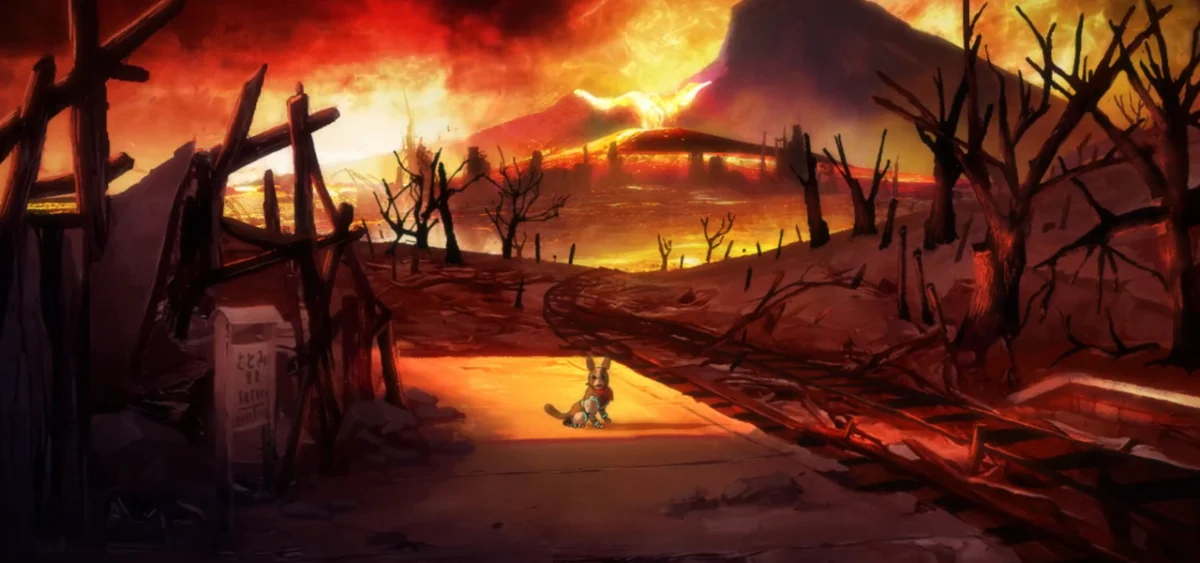
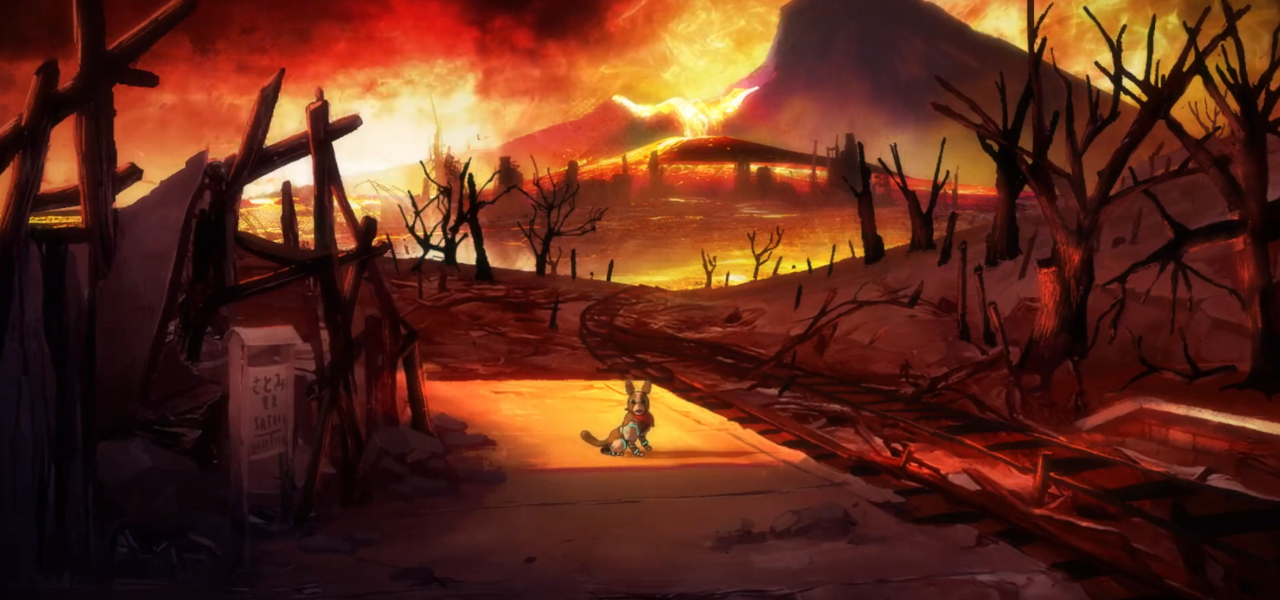
- 2023: The "Dog & The Boy" Controversy: The first major public signal of Netflix’s intent came with the release of the Japanese short film The Dog & The Boy. While technically an "experimental" project—billed as a response to labor shortages in the anime industry—the short was met with significant backlash from artists and fans who viewed the use of AI-generated backgrounds as an existential threat to the craft.
- 2024: The "Gotcha" Strategy: Following the initial backlash, Netflix adopted a more tactical approach. Rather than announcing AI initiatives, the company began integrating AI into VFX workflows behind the scenes. This culminated in July 2025, when co-CEO Ted Sarandos publicly highlighted the use of AI tools in the Argentine series El Eternauta. Sarandos touted a 10x increase in production speed, framing the technology as a triumphant efficiency gain rather than a creative shortcut.
- 2025: Establishing Guardrails: In response to growing pressure from labor unions and creative guilds, Netflix released a set of official generative AI guidelines. These guidelines were framed as defensive, focusing on legal compliance, transparency, and the protection of talent likenesses. The tone was one of caution, emphasizing that AI should serve as a "creative aid" rather than a replacement for human labor.
- 2026: The INKubator Launch: The current moment represents the third phase of this evolution: industrialization. By creating a dedicated unit, Netflix is moving away from defensive guidelines toward an aggressive, offensive production strategy.
The Dissonance Between Policy and Practice
The language used in the INKubator job postings stands in stark contrast to the studio’s 2025 guidelines. While those earlier documents prioritized "human oversight" and the preservation of union-covered roles, the new listings speak the language of wholesale replacement and technological transformation.
The guidelines stated that generative AI should not replace human creators. Yet, the INKubator postings outline a workflow where AI is "native" to the process from start to finish. If a studio is building a "GenAI-native" pipeline for feature-quality films, the definition of what constitutes a "human-led" production becomes increasingly blurred. Critics within the animation industry argue that this creates a slippery slope where the "human element" is relegated to mere prompting and post-production cleanup, rather than the core act of animation itself.
Official Responses and Corporate Strategy
In a statement provided to Cartoon Brew following inquiries about the INKubator job postings, a Netflix spokesperson clarified the company’s position, framing the initiative as an "artist-led animation incubator."
"The initiative will provide creators with an artist-focused environment to experiment in," the statement read. "They can explore how new tools and workflows, alongside traditional animation creative practices, can be leveraged to enhance their storytelling capabilities."
Netflix further emphasized that its primary animation studios would continue to rely on traditional techniques. This distinction—separating the "experimental" INKubator from the "traditional" Netflix Animation Studios—is a strategic move to insulate the company’s flagship projects from the reputational risks associated with AI-generated content, while simultaneously allowing the company to explore a future where the two pipelines might eventually merge.
.png)
Implications for the Animation Industry
The implications of the INKubator project are profound for several key stakeholders:
1. The Future of Labor and Unions:
For the thousands of storyboard artists, background painters, and animators currently working in the industry, the existence of a "GenAI-native" studio is a direct challenge to their professional viability. If AI can achieve "feature-quality" results, the bargaining power of creative guilds will be severely diminished. The question is no longer whether AI can produce art, but whether Netflix can successfully argue that "AI-assisted" content qualifies for the same union protections as human-authored work.
2. The "Quality" Threshold:
The industry is currently divided on the aesthetic potential of AI. While some argue that generative models lack the soul and intentionality of hand-crafted animation, Netflix’s massive investment in the tech suggests they believe the gap is closing rapidly. If INKubator produces a successful, high-quality feature, the "AI-generated" stigma may dissolve, paving the way for widespread industry adoption.
3. The Content Pipeline:
By aiming for "longer-form content," Netflix is signaling that it intends to bypass the traditional, time-intensive production cycles that have defined the studio system for a century. In an era where streaming platforms are under constant pressure to deliver new content, the promise of "10x faster" production speeds is a siren song that few executives will be able to ignore.
Conclusion: A New Frontier
Netflix’s INKubator represents the most significant shift in the animation industry since the transition from hand-drawn to 3D CGI. While the company is careful to frame this as an "artist-led" experiment, the structural reality is that Netflix is building the foundation for a post-traditional production model.
Whether INKubator will lead to a new golden age of experimental storytelling or the mass-devaluation of the animator’s craft remains to be seen. What is certain, however, is that the era of "AI as an experiment" is over. We are now in the era of "AI as infrastructure." For the creative community, the clock is ticking, and the industry’s response to Netflix’s move will likely define the creative landscape for the next decade.









No comments yet. Be the first to join the conversation!