Iffa Jayyana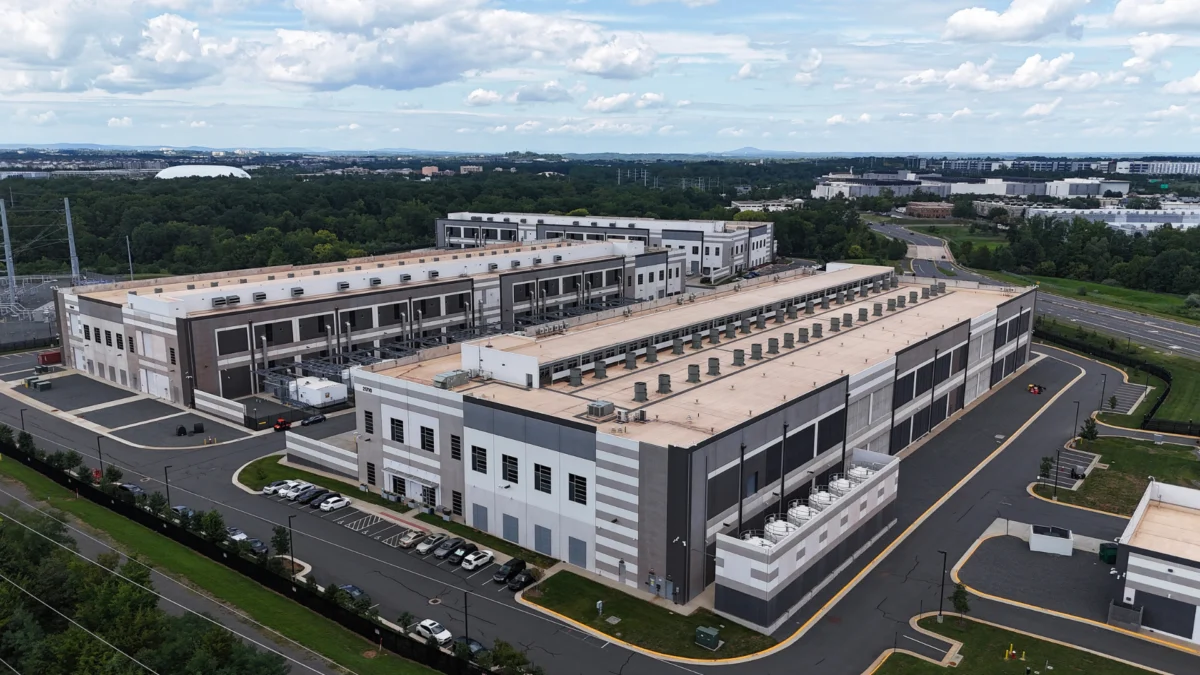
In a move that could reshape the landscape of digital infrastructure development across the United States, New York State Governor Kathy Hochul has introduced the Community Investment Framework (CIF). This comprehensive policy document serves as a strategic roadmap for municipalities, providing towns and local governments with the leverage they need to negotiate more favorable terms with data center developers. At the heart of this initiative is a bold recommendation: communities should aim to secure investments of $1 million per megawatt (MW) of power capacity from companies seeking to build or expand massive data center facilities within their borders.
The CIF, released through Empire State Development (ESD), represents a pivot toward a more proactive, community-centric model of economic development. As the demand for artificial intelligence, cloud computing, and high-performance data processing skyrockets, the physical footprint of the internet is expanding rapidly into suburban and rural regions. Governor Hochul’s administration is now ensuring that this expansion does not come at the expense of local resources, infrastructure, or taxpayer stability.
The Core Mandate: Balancing Innovation and Local Impact
The "Community Investment Framework" is not a binding law, but rather a robust guidance document designed to level the playing field. For years, data center developers—often backed by global tech giants—have leveraged their ability to bring jobs and tax revenue to convince municipalities to offer aggressive tax abatements and land-use concessions.
The CIF flips this script. By providing a structured approach to identifying and documenting community benefits, the state is effectively giving local planning boards a "playbook" for negotiations. The $1 million per megawatt benchmark is intended to cover the hidden costs of hosting these facilities: the strain on local power grids, the demand for water resources used in cooling, and the need for upgraded road and utility infrastructure.
Chronology: The Road to the CIF
The genesis of the CIF lies in the friction that has developed between rapid technological advancement and local community preservation.
- 2020–2022: The Post-Pandemic Boom: As remote work and digital services surged, data center construction accelerated. New York, like many states, saw a rush of developers seeking large tracts of land with proximity to high-voltage transmission lines.
- Early 2023: Emerging Tensions: Local town hall meetings across Upstate New York began to feature heated debates. Residents expressed concerns over noise pollution, the visual impact of massive windowless warehouses, and, most notably, the heavy load these centers place on local energy infrastructure.
- Late 2023: The State Intervenes: Recognizing that individual towns often lacked the technical and legal expertise to go toe-to-toe with multinational corporations, Governor Hochul’s office commissioned Empire State Development to analyze best practices.
- Mid-2024: Development of the Framework: ESD conducted a series of stakeholder meetings, gathering input from local economic development agencies, energy providers, and urban planners.
- October 2024: Official Release: The CIF is officially published, marking the first time a state government has quantified a specific, recommended community benefit target ($1M/MW) for data center developments.
Supporting Data: Why $1 Million Per Megawatt?
To understand the scale of the CIF’s proposal, one must look at the nature of modern data centers. A typical large-scale hyperscale data center facility might range anywhere from 50 MW to several hundred megawatts in capacity. Under the state’s new guidance, a 100 MW facility would theoretically trigger a $100 million investment package for the community.
The Cost of Digital Growth
Data centers are notoriously energy-intensive. According to industry data, the average data center consumes massive amounts of electricity, which, if not carefully managed, can lead to:
- Grid Congestion: Local power lines that were designed for residential and small commercial use are often pushed to their limits, potentially leading to instability or the need for expensive, ratepayer-funded upgrades.
- Water Usage: Many data centers rely on evaporative cooling systems, which can consume millions of gallons of water per day, raising concerns in regions with delicate water tables.
- Land Use vs. Tax Revenue: While data centers are massive, they often have a very small workforce once the initial construction phase is completed. This leads to a low "job-to-footprint" ratio, meaning communities often do not see the local economic stimulus they might expect from a traditional industrial plant.
The CIF encourages towns to negotiate "Community Benefit Agreements" (CBAs) that account for these factors, ensuring that the developer covers the cost of infrastructure improvements that benefit the broader public, not just the facility itself.
Official Responses and Stakeholder Perspectives
The introduction of the CIF has drawn a wide range of reactions from across the public and private sectors.
Governor Kathy Hochul’s Administration
The Governor’s office has framed the policy as a win-win. In press releases accompanying the CIF, the administration emphasized that New York is "open for business" but demands that such business aligns with the state’s long-term economic and environmental goals. The framework is described as a tool to "address local priorities and create lasting community benefits," ensuring that the state remains a hub for the digital economy without sacrificing local quality of life.
The Tech and Data Center Industry
Industry groups, such as the Data Center Coalition, have taken a more measured approach. While they generally support regulatory clarity, some developers have expressed concerns that a "one-size-fits-all" figure like $1 million per megawatt could potentially chill investment. Their argument is that such high expectations might cause developers to bypass New York in favor of states with lower entry costs. However, the state maintains that the CIF is guidance, not a mandatory tariff, allowing for flexibility based on the specific project and location.
Local Municipalities
For local mayors and town supervisors, the CIF is a welcome relief. Many local officials have felt outgunned by corporate legal teams. "This provides us with a baseline," noted one town official in Western New York. "We no longer have to guess what is a fair ask. We have the backing of the state to ensure our constituents aren’t left footing the bill for infrastructure they didn’t ask for."
Implications: A New Era for Digital Infrastructure
The release of the CIF marks a significant shift in the power dynamic between local governments and the tech industry. The implications are far-reaching and likely to influence policy discussions in other states.
1. The Professionalization of Local Negotiations
The CIF encourages small municipalities to form regional coalitions when dealing with large developers. By standardizing the negotiation process, New York is effectively raising the bar for developers, who will now have to factor in significant community investment costs into their initial project budgets.
2. Environmental and Infrastructure Alignment
By emphasizing that developers should address "local priorities," the CIF implicitly links development to the state’s aggressive climate goals. Developers may find it easier to secure permits if they invest in local renewable energy projects or grid-resiliency measures that align with New York’s Climate Leadership and Community Protection Act (CLCPA).
3. A Model for Other States
As data center clusters continue to emerge in states like Virginia, Texas, and Ohio, the challenges facing local communities are becoming uniform. New York’s proactive approach serves as a potential model for other jurisdictions to adopt. If successful, the CIF could become the gold standard for responsible digital infrastructure development in the United States.
4. Long-Term Economic Sustainability
The ultimate goal of the framework is to transition from "transactional" relationships—where a company builds, takes a tax break, and leaves—to "partnership" relationships. By tying investment to megawatts, the state is ensuring that the growth of the digital economy creates a tangible, lasting legacy for the towns that host it.
Conclusion
The Community Investment Framework is more than just a guidance document; it is a declaration of intent. It signals that New York State is moving toward a more mature phase of digital industrialization—one where the sheer scale of the technology is matched by a corresponding scale of responsibility.
While the $1 million per megawatt target will undoubtedly spark intense negotiations in boardrooms across the state, the framework provides a necessary scaffold for sustainable growth. As we move further into the age of AI and massive data proliferation, the ability of local governments to extract value from these developments will be critical. Through the CIF, New York has provided its municipalities with the leverage they need to ensure that when the future is built in their backyards, it benefits everyone, not just the companies powering it.
For developers, the message is clear: New York remains a premiere destination for digital infrastructure, provided you are prepared to be a partner in the community’s long-term prosperity. For residents, the message is equally clear: your concerns about growth, infrastructure, and resources are no longer being ignored—they are being priced into the future of the state.


 Ammar Sabilarrohman
 Suro Senen