The global sportswear landscape is one defined by perpetual motion, where the difference between industry dominance and stagnation is often measured in milliseconds and viral metrics. For Nike, the world’s undisputed titan of athletic apparel, the last eighteen months have been a period of introspective recalibration. Facing increased pressure from agile competitors and shifting consumer loyalty, the company needed a definitive moment to signal its return to form.
That moment arrived with the 2026 World Cup. By pivoting its marketing strategy away from traditional, celebrity-heavy endorsements toward a narrative-driven, high-concept approach, Nike has effectively reasserted its creative hegemony. The centerpiece of this pivot, the "Rip the Script" campaign, has not only dominated the cultural conversation but has become the most-shared social post in the company’s storied history.
The Main Facts: A Creative Pivot Bearing Fruit
At the core of Nike’s recent success is a departure from the "safe" marketing playbooks that have dominated the industry for the past decade. While rivals opted for star-studded, cameo-heavy advertisements, Nike leaned into the surreal, the disruptive, and the inherently cinematic.
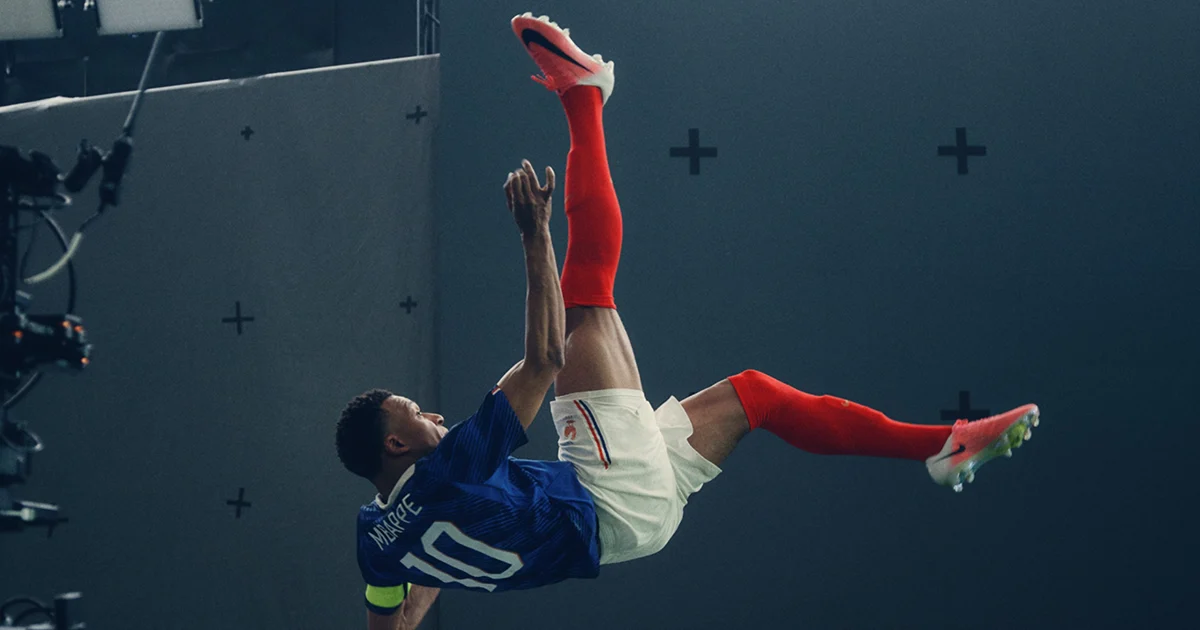
The "Rip the Script" campaign—a six-minute film that serves as a multi-dimensional "World Cup Universe"—was designed to challenge the status quo of football storytelling. The film, which blends high-octane action with a meta-narrative about the evolution of the sport, has generated more than 1.5 billion views across Nike’s owned channels and global partner platforms.
The implications of these numbers are profound. By moving beyond traditional 30-second broadcast spots, Nike has demonstrated that modern audiences, particularly Gen Z and Alpha, are willing to engage with long-form, narrative-heavy content if the production value and storytelling are sufficiently compelling. The campaign has effectively transformed the World Cup from a mere sponsorship opportunity into a comprehensive proving ground for Nike’s wider corporate and creative turnaround strategy.
Chronology: The Road to "Rip the Script"
To understand the magnitude of this victory, one must look at the timeline leading up to the 2026 tournament.
- Early 2025: The Internal Review. Faced with lukewarm sales growth and a perceived loss of "cool" in the lifestyle segment, Nike executive leadership initiated a top-to-bottom audit of their marketing department. The directive was clear: regain the creative swagger that defined the brand’s golden era.
- Q3 2025: Conceptualization. The creative team at Wieden+Kennedy, in close collaboration with Nike’s internal brand leads, began drafting the "Rip the Script" concept. The objective was to create a "World Cup Universe" rather than a single advertisement.
- January 2026: Pre-Tournament Teasers. Nike began dropping cryptic, short-form snippets across TikTok and Instagram. These teasers focused on the theme of "ripping up" the traditional football narrative, building anticipation for a project that fans didn’t yet realize was a feature-length film.
- June 2026: The Global Launch. The full six-minute film was released simultaneously across all digital platforms. Within 48 hours, the campaign achieved record-breaking engagement rates.
- Late June 2026: Market Dominance. As the tournament progressed, Nike’s social metrics surged past competitors, solidifying the brand’s position as the primary voice of the 2026 World Cup.
Supporting Data: The Metrics of Dominance
The raw data behind the campaign paints a clear picture of Nike’s current momentum. When analyzed against its primary rival, Adidas, the disparity in engagement becomes striking.
Nike’s "Rip the Script" film currently holds the title for the brand’s most-viewed Instagram post and YouTube video. On YouTube alone, the film has garnered over 78 million views. In contrast, Adidas’s campaign, "Backyard Legends," featuring high-profile cameos, has accumulated approximately 7.8 million views.
This tenfold difference in reach underscores a fundamental shift in digital consumption. While Adidas leaned on the "star power" model—relying on the inherent popularity of individual athletes to drive traffic—Nike focused on the "universe" model, building a self-contained ecosystem that fans felt compelled to share as a piece of cultural media, rather than a paid advertisement.
Furthermore, the "shareability" of the content has provided Nike with an organic multiplier. By encouraging users to "rip up their own scripts" through user-generated content (UGC) challenges on platforms like TikTok, Nike has extended the lifespan of the campaign far beyond the conclusion of the World Cup matches themselves.
Official Responses and Executive Perspective
Nike’s leadership has been vocal about the campaign being more than just a marketing win; it is a tactical blueprint. In recent briefings, executive vice presidents have described the success of the World Cup campaign as the "litmus test" for the company’s transition toward an "experience-first" marketing model.
"We didn’t just want to sponsor the tournament," one senior marketing executive noted in an internal memorandum shared with stakeholders. "We wanted to be the tournament’s creative heartbeat. ‘Rip the Script’ was about proving that Nike can still define the culture, not just follow it."
The company has indicated that the budget and creative risks taken on this campaign are indicative of future projects. The "turnaround" is not merely about financial performance; it is about reclaiming the psychological territory of the sportswear market. By investing heavily in premium, long-form creative, Nike is signaling to investors that they are prioritizing long-term brand equity over short-term conversion-focused ads.
Implications: The Future of Brand Storytelling
The success of this campaign carries several implications for the broader marketing industry:
1. The Death of the 30-Second Spot?
While broadcast television remains relevant, the 1.5 billion views generated by Nike prove that digital-first, long-form content is the new gold standard. Brands that continue to rely solely on "snackable" 15-second ads may find themselves increasingly invisible to audiences who are accustomed to immersive, cinematic experiences.
2. The Return of Creative Swagger
For years, digital marketing has been dominated by performance metrics, data analytics, and SEO-driven copy. Nike’s pivot suggests that there is a "rebound effect" happening—a return to big, bold, creative storytelling. Data should inform the distribution of content, but it should not dictate the nature of the story.
3. Community-Driven Ecosystems
Nike’s ability to create a "universe" that fans could enter and contribute to turned passive viewers into active participants. Future brand strategies will likely shift away from "broadcasting" to a crowd and toward "building" a world that a community can inhabit.
4. The Competitive Landscape
Adidas, Puma, and other challengers are now faced with a significant hurdle. Nike has set a high bar for production quality and cultural relevance. To compete, these brands will have to decide whether to escalate their own spending on long-form content or pivot to a different strategy entirely, such as hyper-local community activations.
Conclusion: A Proving Ground for the Future
As the dust settles on the 2026 World Cup, the verdict is clear: Nike has successfully navigated a pivotal moment in its history. By rediscovering its creative voice, the company has proven that even the largest legacy brands can reinvent themselves to capture the attention of a digital-native generation.
The "Rip the Script" campaign is not just a high-water mark for a single tournament; it is a signal of intent. Nike is moving forward with a renewed emphasis on narrative, scale, and cultural influence. As they continue to implement this turnaround, the industry will be watching closely to see if this creative momentum can be sustained beyond the pitch and into the broader retail market.
For now, Nike sits comfortably back on the throne of sports marketing, having reminded the world that while performance matters, the story you tell is what truly keeps a brand alive in the hearts and minds of the consumer. The script has indeed been ripped, and in its place, Nike has written a new chapter—one that focuses on bold imagination and the relentless pursuit of the next big idea.