

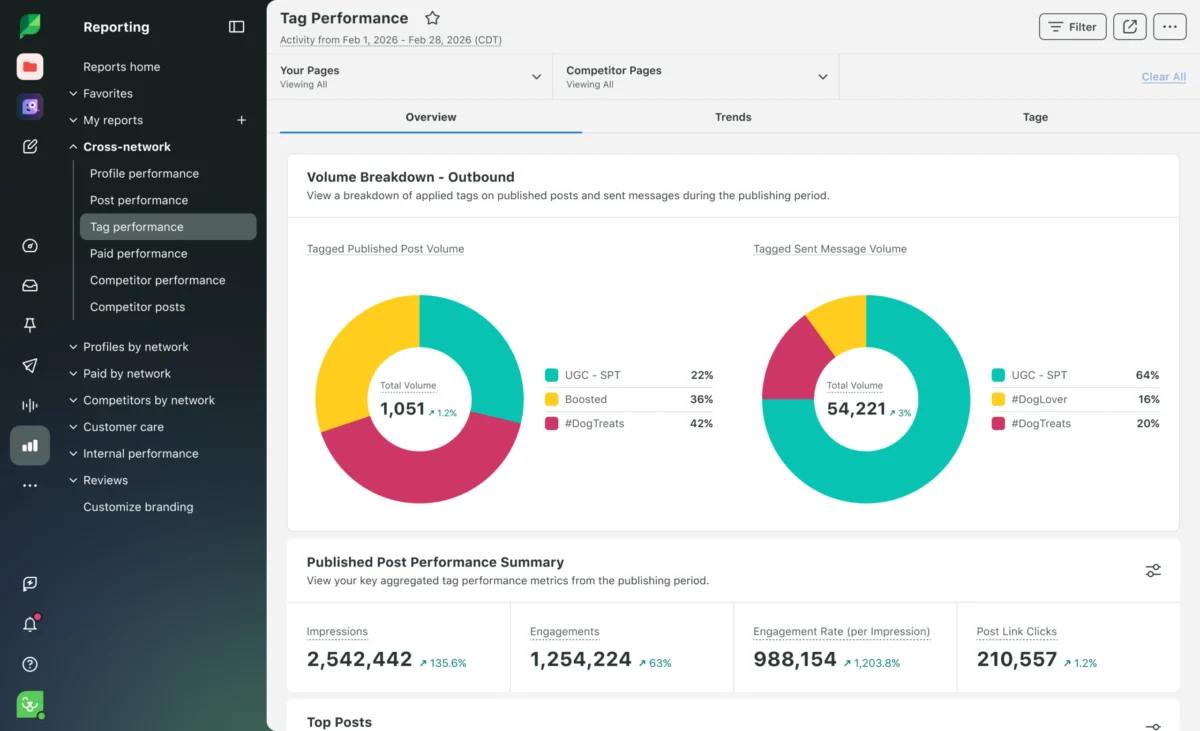
In the fast-paced ecosystem of short-form video, visibility is the currency of growth. As Instagram Reels continue to dominate user attention, the debate surrounding the efficacy of hashtags remains a focal point for digital marketers and content creators alike. In 2026, the strategy has shifted: hashtags are no longer a "quick fix" for virality, but a sophisticated metadata tool that feeds the platform’s AI-driven recommendation engine.
To achieve sustainable reach, brands must move beyond the "spray and pray" approach of mass-tagging. This guide provides a comprehensive look at how to leverage hashtags effectively, supported by industry data and modern SEO principles.
The Core Facts: Why Hashtags Still Matter
Contrary to rumors that hashtags have become obsolete, they remain a foundational element of Instagram’s discovery architecture. However, their function has evolved. In 2026, Instagram’s algorithm processes hashtags in tandem with caption text, on-screen text, and audio cues to categorize content.
Key Takeaways:
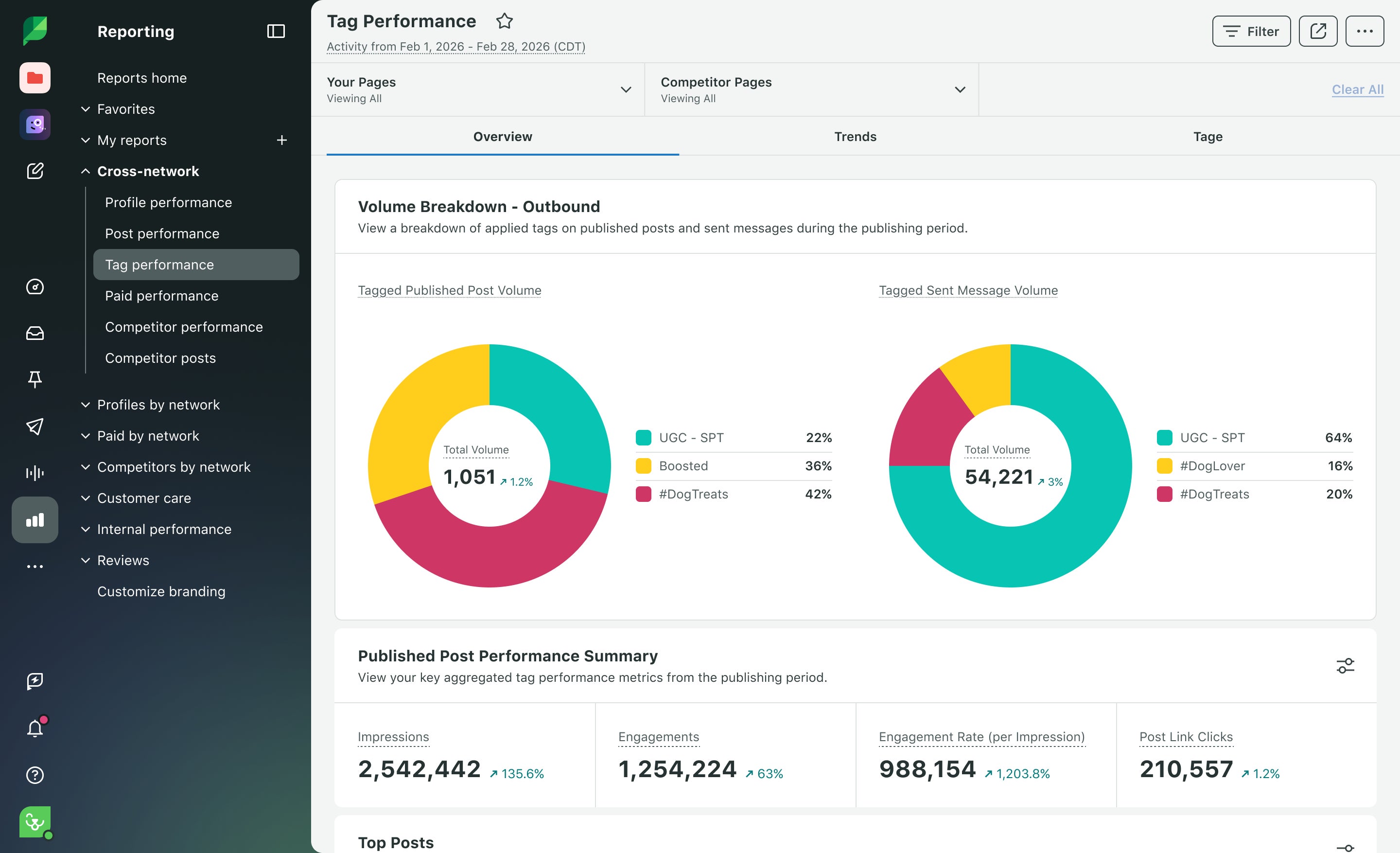
- Contextual Metadata: Hashtags serve as labels that allow Instagram’s AI to understand the subject matter of a Reel.
- Search Engine Integration: With Instagram functioning increasingly like a search engine, hashtags act as keywords that link your content to user search queries.
- The "Relevance" Rule: Irrelevant or overused hashtags do not just fail to help; they can actually suppress a post’s reach by confusing the algorithm about who your intended audience is.
Chronology of an Algorithm Shift
The trajectory of hashtag usage has undergone three distinct phases:
- The Era of Volume (2018–2021): During this period, users were encouraged to use up to 30 hashtags. The platform rewarded volume, and "hidden" hashtag blocks were standard practice.
- The Transition Period (2022–2024): As the platform shifted toward interest-based recommendations (the "Reels feed"), the effectiveness of high-volume, generic hashtags plummeted. The algorithm began prioritizing engagement signals over static metadata.
- The Current Landscape (2025–2026): We have entered the era of Instagram SEO. Today, hashtags are one part of a multi-faceted content optimization strategy. The emphasis is now on "intentionality"—using a smaller, high-relevance set of tags that mirror the natural language and search behavior of your target audience.
Supporting Data: The Impact of Intentionality
Data from the 2026 Social Media Content Strategy Report highlights a stark reality: content that uses 3–5 highly specific hashtags consistently outperforms content that uses 15–20 broad or irrelevant tags.
- Reach vs. Noise: Broad tags (e.g., #fyp or #explore) often have millions of posts, drowning your content in a sea of unrelated media. Niche-specific tags (e.g., #sustainablefashiontips) place your content in front of high-intent users who are actively seeking that specific information.
- The Engagement Signal: When your Reel reaches a user who actually cares about the topic, they are more likely to watch the video through to completion, share it, or comment. These engagement signals carry far more weight with the algorithm than a simple view from a random user who clicked a generic tag.
Official Perspective and Algorithmic Mechanics
Instagram’s own guidance emphasizes that hashtags are a "discovery signal." They are not a shortcut to virality. If a Reel is of low quality or lacks engagement, no amount of hashtag optimization will save it.
Where to Place Your Tags
The technical consensus is clear: Place hashtags in the caption. Instagram’s internal systems read caption metadata the moment a post is published. When you bury hashtags in the comments, you risk losing the indexing window. Furthermore, maintaining a clean comment section enhances the user experience, allowing for meaningful dialogue between the brand and its audience.

Strategic Implications: How to Build Your Mix
To compete in 2026, you must view your hashtag strategy as a portfolio. A balanced "Hashtag Mix" should incorporate three distinct tiers:
- Popular Tags: Use these sparingly (1–2) to signal the general category of your content (e.g., #travel, #fitness). These keep you in the conversation but shouldn’t be your primary source of discovery.
- Niche Tags: These are the workhorses of your strategy. They describe the specific value of the post (e.g., #marathontrainingtips, #veganmealprep). Use 2–3 of these to capture your core audience.
- Branded Tags: Always include a tag unique to your brand (e.g., #YourBrandName). This builds a searchable archive of your content and fosters community engagement.
Avoiding "Suppression" Habits
To keep your account in good standing with the algorithm, avoid:
- Recycling Tags: Using the exact same set of 30 tags on every single post signals "bot-like" behavior to the algorithm.
- Irrelevant Tagging: Using trending tags that have nothing to do with your video content is viewed as spam and can lead to a reduction in reach.
- Broken/Banned Tags: Periodically check that your tags aren’t "shadowbanned" or restricted by the platform.
The Role of Competitive Intelligence
One of the most effective ways to refine your strategy is through competitive analysis. By observing the top-performing creators in your niche, you can identify "hidden" tags that generate high engagement but haven’t yet reached oversaturation.
Sprout Social’s competitive analysis tools provide a clear advantage here. By benchmarking your performance against competitors, you can:
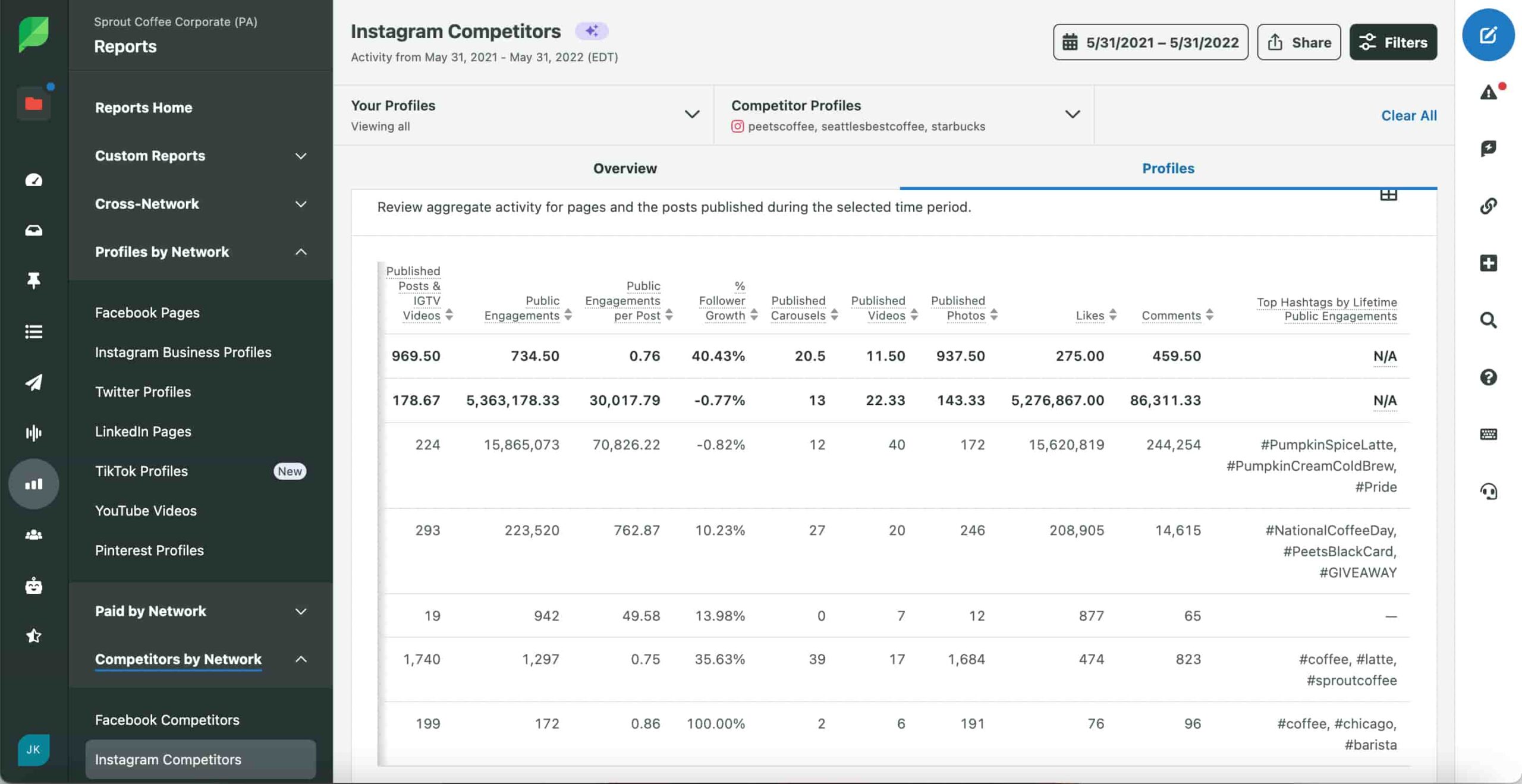
- Identify which keywords drive the most traffic for your rivals.
- Spot gaps in the market where your brand can claim authority.
- Understand the "language" of your community, allowing you to tailor your content to the specific terminology your customers use.
Conclusion: A Data-Driven Discipline
In 2026, success on Instagram is not about gaming the algorithm; it is about serving the user. Hashtags are a bridge between your content and the person searching for it. By focusing on relevance, maintaining a balanced mix, and using analytics to refine your approach, you turn hashtags from a static label into a dynamic growth engine.
Final Checklist for your next Reel:
- [ ] Does the caption include 3–5 hyper-relevant tags?
- [ ] Is there a mix of popular, niche, and branded tags?
- [ ] Are the tags in the caption, not the comments?
- [ ] Have I audited my hashtags against recent performance data?
If you are ready to stop guessing and start growing, consider leveraging professional tools like Sprout Social to monitor hashtag performance, conduct social listening, and gain a competitive edge in an increasingly crowded digital landscape. Your audience is out there—targeted, intentional hashtags are the map that leads them to you.











