Ammar Sabilarrohman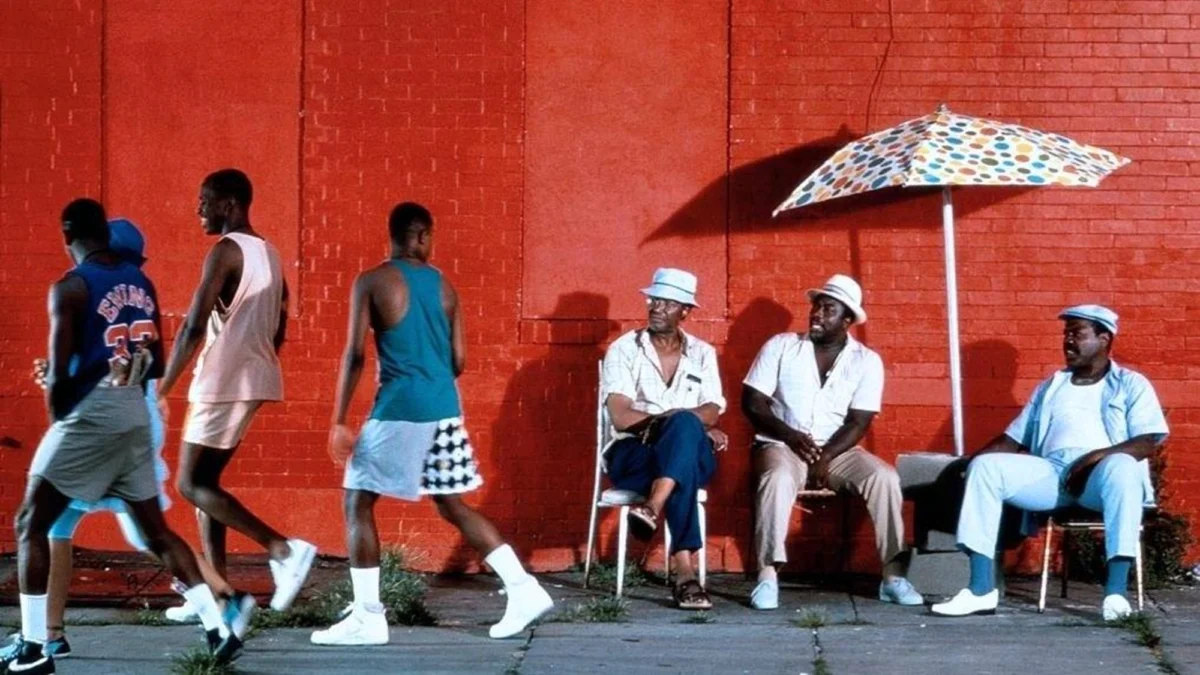
It is, by all accounts, a quintessential "Spike Lee summer." The legendary filmmaker has been a ubiquitous, joyous presence in New York City, celebrating the Knicks’ historic NBA Championship win—a victory that broke a 53-year drought and sent the city into a state of jubilant, unbridled euphoria. Seeing the man who defined Brooklyn’s cinematic soul dancing in the streets, megaphone in hand, feels like a frame pulled directly from his own filmography.
Yet, as the city basks in the glow of this rare sporting triumph, there is a bittersweet reminder for cinephiles: one of the most vital, searing, and visually arresting films in American history, Do the Right Thing, is scheduled to depart Prime Video on June 30. For those who have never walked the sweltering pavement of Stuyvesant Avenue, or for those who haven’t revisited it in years, now is the moment to witness the masterpiece that cemented Spike Lee as a singular voice in global cinema.
Main Facts: A Masterpiece of Time and Place
Released in 1989, Do the Right Thing is a masterclass in tension, geography, and atmosphere. The film takes place over the course of a single, blistering summer day in the Bedford-Stuyvesant neighborhood of Brooklyn. The heat is not merely a background element; it is a character in its own right, a physical force that pushes the neighborhood’s inhabitants to their breaking points.
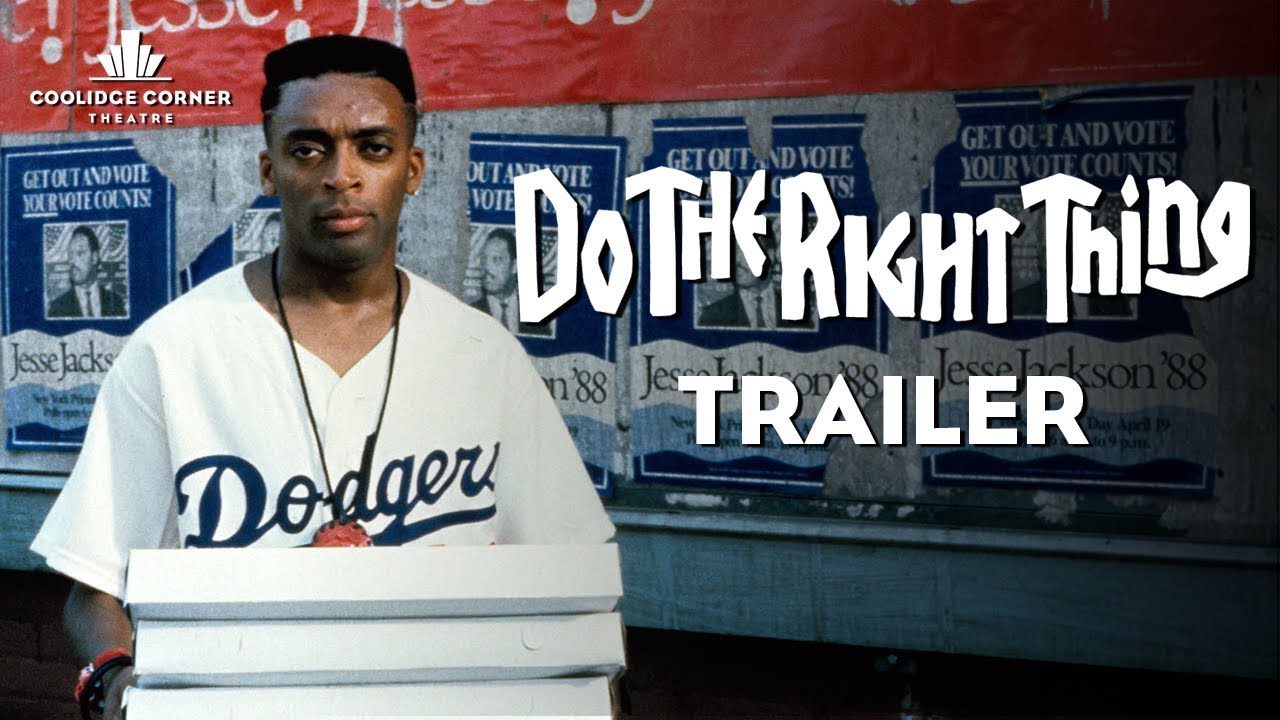
The story centers on Mookie (played by Spike Lee), a young delivery man working for Sal’s Famous Pizzeria. Sal (Danny Aiello) is an Italian-American immigrant who has operated his business in the heart of a predominantly Black neighborhood for decades. As the temperature climbs, so do the long-simmering racial tensions between the local residents and the pizzeria owners. The catalyst for the film’s climactic explosion is a seemingly minor request: Buggin’ Out (Giancarlo Esposito) demands that Sal add portraits of prominent Black public figures to his "Wall of Fame," which is currently populated exclusively by Italian-American icons.
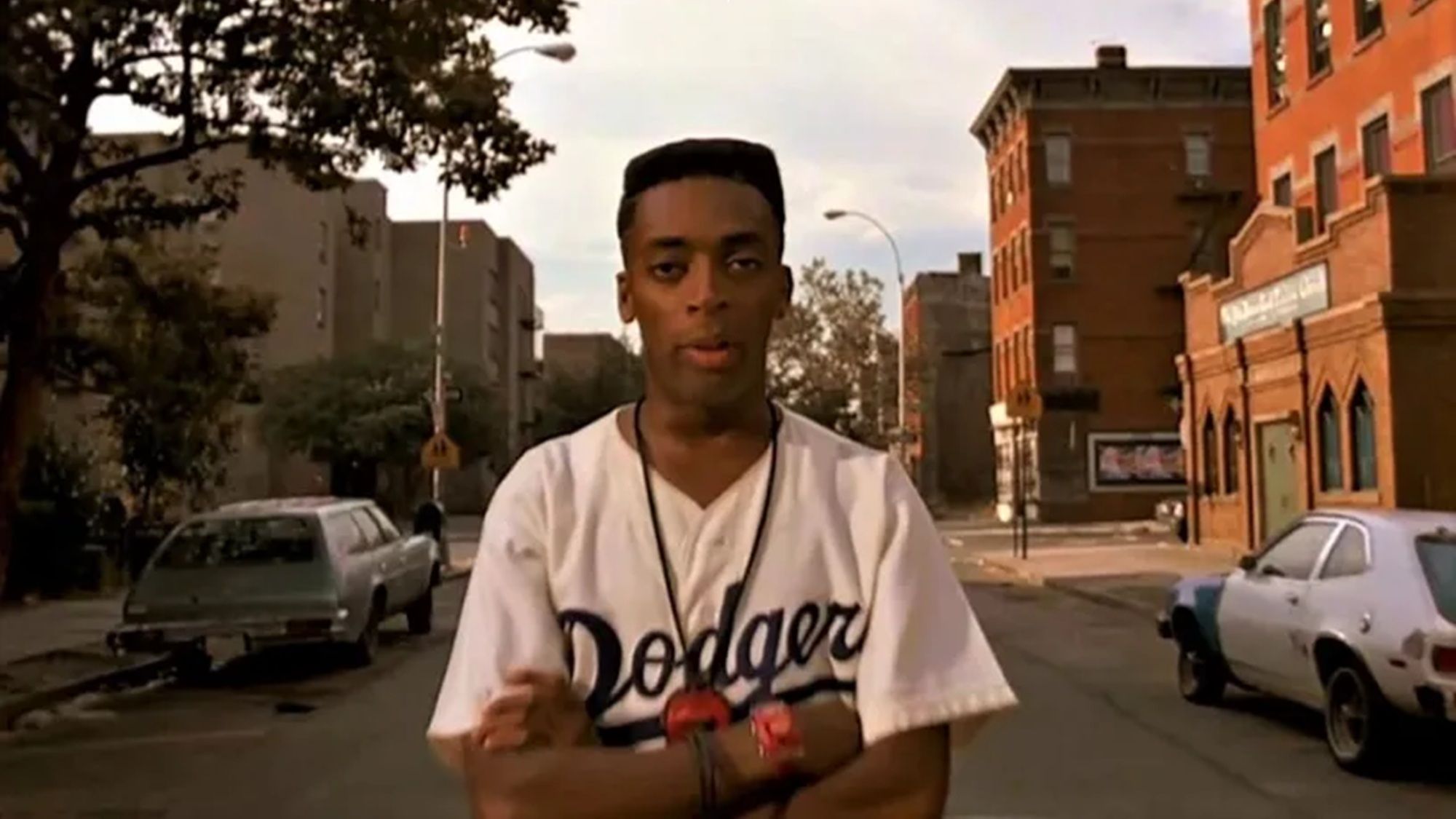
The resulting conflict serves as a microcosm for the broader racial divide in late-1980s America. The film is famous for its vibrant color palette—saturated reds, yellows, and oranges that mirror the oppressive heat—and its kinetic, theatrical style that brings the street corner to life.
Chronology of a Neighborhood in Crisis
The narrative of Do the Right Thing follows a precise, escalating timeline that mirrors the rising heat of the day.
- The Morning Calm: The film opens with "Fight the Power" by Public Enemy, setting an urgent, defiant tone. We are introduced to the ensemble cast: Da Mayor, the neighborhood elder; Mother Sister, who watches the street from her window; and Radio Raheem, who carries his boombox like a shield. The neighborhood feels alive, rhythmic, and interconnected.
- The Afternoon Swelter: As the sun hits its zenith, the atmosphere shifts. Small slights become major grievances. The dialogue, which began as casual banter, turns into sharp, aggressive exchanges. The pizzeria becomes a pressure cooker where the conflicting ideologies of the characters begin to collide.
- The Breaking Point: The demand regarding the "Wall of Fame" triggers a boycott. The tension reaches a critical mass as the police are called to intervene. The narrative velocity accelerates toward an inevitable, tragic conclusion.
- The Aftermath: The film’s final act is a visceral, haunting portrayal of systemic violence and the struggle for justice. It concludes with a powerful, philosophical coda that leaves the audience to grapple with the question of what it truly means to "do the right thing."
Supporting Data: Critical Acclaim and Cultural Impact
The significance of Do the Right Thing cannot be overstated. Upon its release, it was a lightning rod for debate, praised for its boldness and criticized by some for its perceived volatility. Decades later, its status has only ascended.
- Critical Consensus: The film currently holds a 92% approval rating on Rotten Tomatoes. The critical consensus describes it as "Smart, vibrant and urgent without being didactic," labeling it as one of the most important films of the 1980s.
- Awards Recognition: The film received two Academy Award nominations: Best Original Screenplay for Spike Lee and Best Supporting Actor for Danny Aiello. While it famously did not win the top prize (a decision that has been debated by film historians for years), its cultural footprint has far outlasted many of its contemporary peers.
- The Sight and Sound Legacy: In the prestigious 2022 Sight and Sound poll—the gold standard for film criticism—Do the Right Thing was ranked among the greatest films ever made. It is cited by archivists and scholars as a pivotal work that changed the aesthetic and thematic possibilities of independent cinema.
Official Responses and Artistic Intent
Spike Lee has consistently maintained that the film was intended to be an open-ended dialogue rather than a lecture. In interviews, Lee has emphasized that the film’s purpose was to hold a mirror up to America. "I don’t want to tell people what to think," Lee stated in a retrospective interview. "I want to show them what is happening, and let them decide how they feel about it."
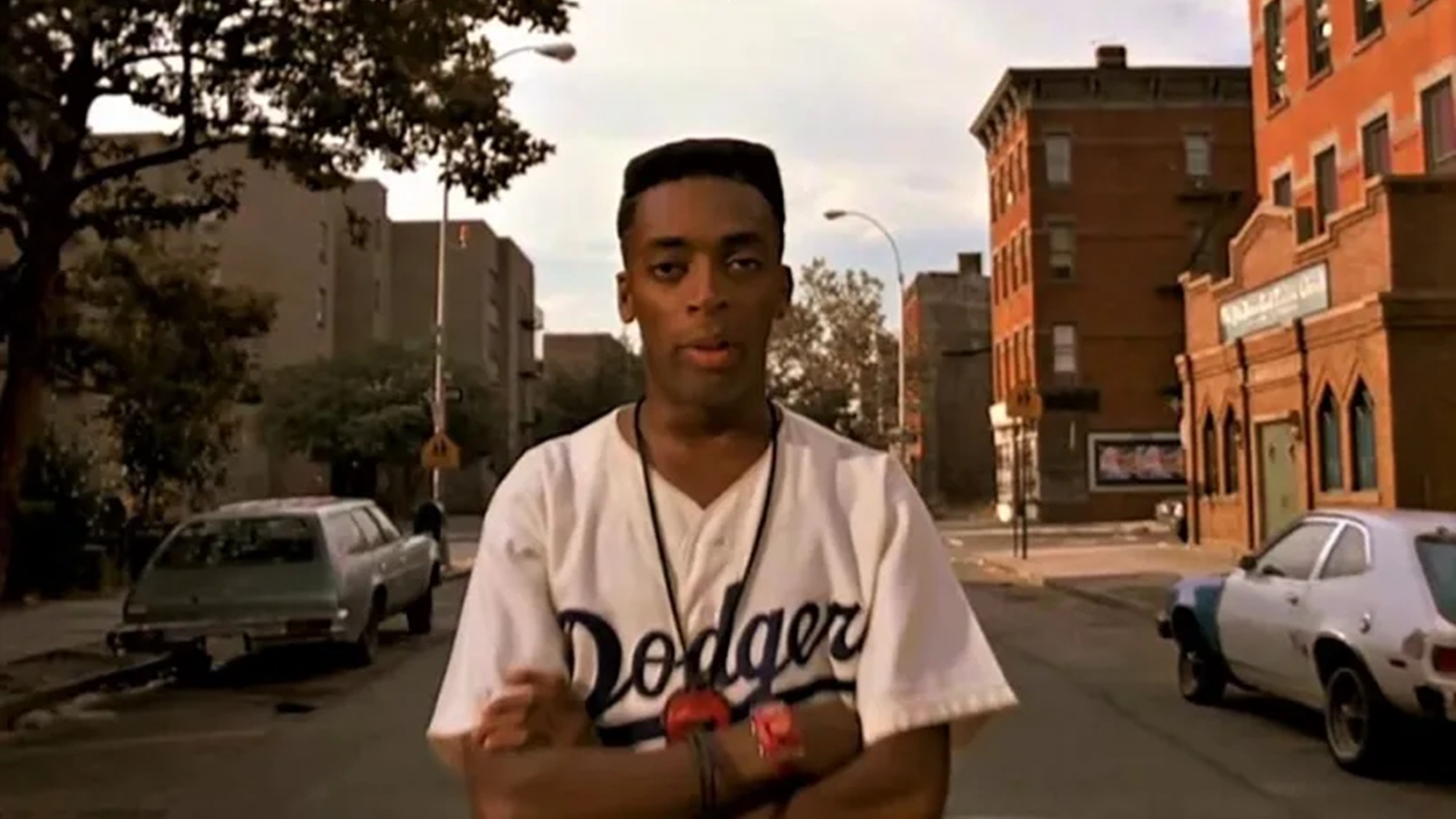
The film’s cast has also spoken extensively about the experience of filming in Brooklyn. Danny Aiello, who passed away in 2019, frequently noted that his role as Sal was the most complex of his career. He expressed pride in the fact that the film forced audiences to confront the humanity—and the flaws—of both his character and the neighbors he served. The production utilized local residents as extras, which gave the film an authentic, lived-in texture that remains unparalleled in modern filmmaking.
Implications: Why the Departure from Streaming Matters
The removal of a title from a major streaming service like Prime Video is a common occurrence in the digital age, yet it underscores the precarity of digital media. When a film as culturally significant as Do the Right Thing leaves a major platform, it becomes harder for new generations to discover it.
The implications for film preservation are profound. As we move away from physical media, our access to the canon of cinema is increasingly mediated by licensing deals and corporate strategy. This makes the "watch before it’s gone" window an essential, albeit fleeting, opportunity.
Furthermore, the film’s themes are as relevant today as they were in 1989. Conversations about police conduct, community identity, and the systemic barriers that prevent racial harmony continue to dominate the American discourse. Watching Do the Right Thing is not merely an exercise in nostalgia; it is an engagement with a text that provides critical insight into the current sociopolitical moment.
Conclusion: Do the Right Thing
If you have yet to immerse yourself in the world of Bed-Stuy on that sweltering summer day, or if you haven’t felt the gut-punch of the film’s final act in a few years, now is your chance. The combination of Spike Lee’s visionary direction, the career-defining performances of the ensemble cast, and the pulsing, rhythmic soundtrack makes this an essential cinematic experience.
As June 30 approaches, take the time to step into the heat. Revisit the corner of Stuyvesant and Lexington. Witness the pride, the humor, the tragedy, and the raw, unvarnished truth of a film that dared to ask the hardest question in the American experience. Do the Right Thing is a masterpiece that demands to be seen, and with its departure from Prime Video imminent, there is no better time to participate in the conversation it started over thirty years ago.
Stream "Do the Right Thing" on Prime Video before it leaves the platform on June 30.

 Suro Senen
 Reynand Wu