

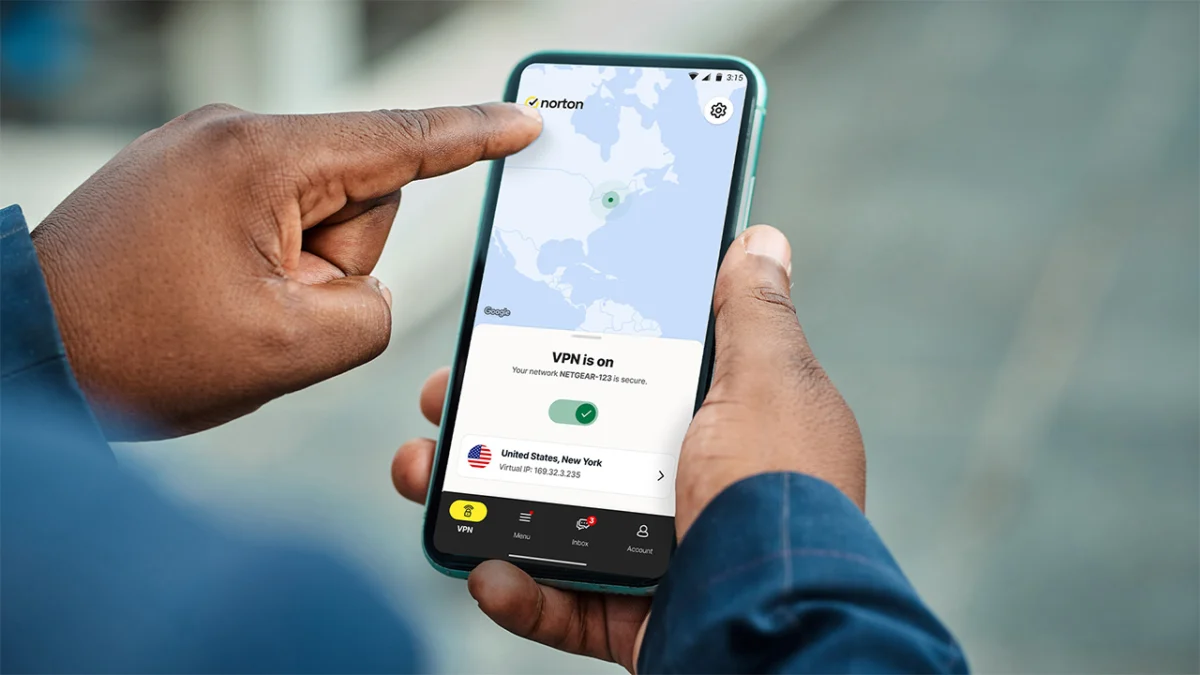
In a significant push to solidify its position as a top-tier cybersecurity provider, Norton VPN has announced a comprehensive upgrade to its global server infrastructure and software capabilities. By expanding its network to 92 countries and introducing granular user controls, the service is positioning itself to compete more aggressively with industry stalwarts like NordVPN, ExpressVPN, and Proton VPN.
As digital privacy becomes a non-negotiable requirement for the modern internet user, Norton’s latest maneuvers—ranging from geographic expansion to the integration of future-proof encryption—mark a pivotal moment in the company’s evolution.
The Core Developments: A New Era for Norton VPN
The primary focus of this update is a massive expansion of the company’s server network. Users now have access to servers in 18 additional countries, bringing the total count to 92. This move is designed to provide better coverage for international users, reduce latency for those connecting from regions previously underserved, and offer a more robust toolkit for users looking to bypass regional censorship.
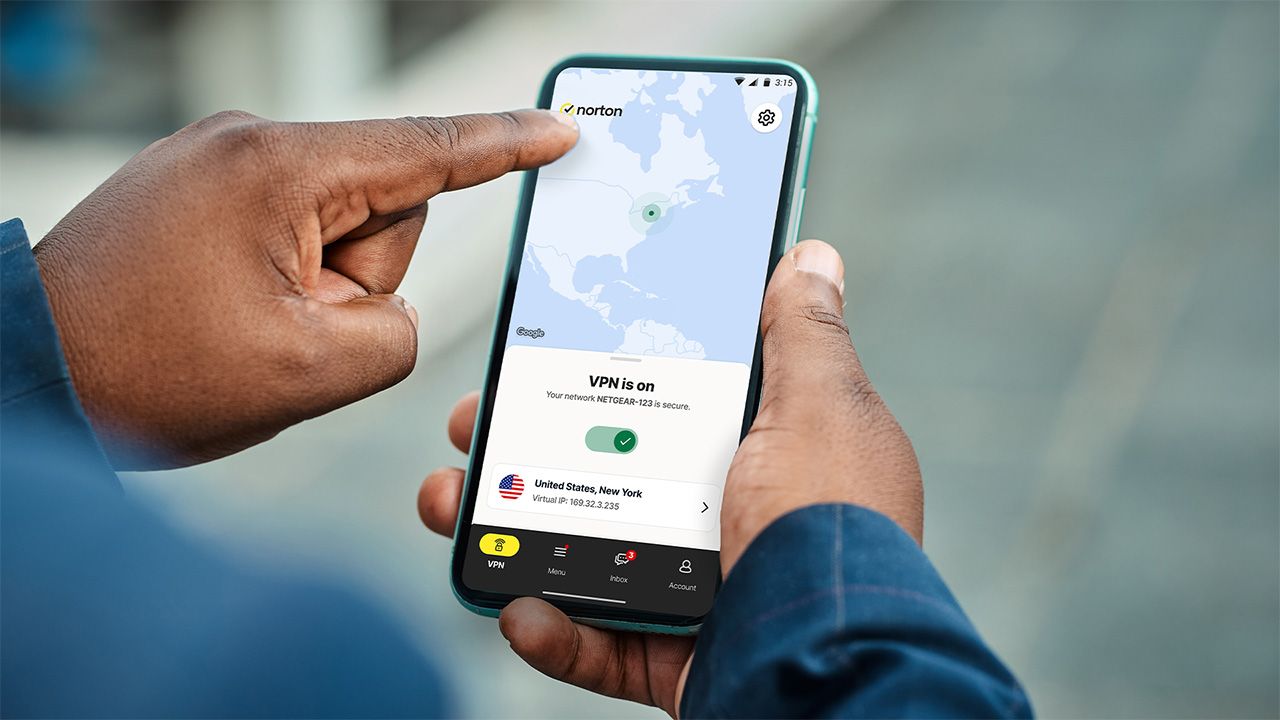
Beyond infrastructure, Norton is introducing "Manual IP Shuffle" for desktop users. This feature builds upon the existing automatic IP rotation, which previously operated in the background without user intervention. By providing a manual trigger, Norton is handing control back to the user, allowing them to cycle through virtual IP addresses on-demand to maintain anonymity and thwart tracking efforts.
A Chronology of Growth and Innovation
To understand the scale of this update, one must look at Norton VPN’s trajectory over the past several years. Initially viewed as an "add-on" to the broader Norton security suite, the VPN has evolved into a standalone, feature-rich product.
- Early Phase: Norton entered the VPN market with a focus on simplicity and ease of use, prioritizing integration with their antivirus software.
- Expansion Phase: Recognizing that modern users demand performance, the company pivoted toward the "Mimic" protocol, an proprietary solution designed to obfuscate traffic and make VPN usage harder to detect by ISPs and government firewalls.
- The Current Milestone: The recent addition of 18 countries represents the largest singular expansion of their network to date. This follows a period of intense focus on speed and streaming capabilities, which saw Norton VPN frequently topping the charts in performance benchmarks.
- The Roadmap: Looking ahead to the summer, Norton has signaled a commitment to deep-level infrastructure upgrades, including the implementation of post-quantum encryption (PQE) and the expansion of split-tunneling support to macOS.
Supporting Data: How Norton Stacks Up
While the jump to 92 countries is an impressive milestone, it is helpful to contextualize this against the broader market. The VPN industry is highly competitive, and server density—the number of physical locations versus virtual ones—is a key metric for performance.
Comparative Market Positioning
| Provider | Countries | Notable Infrastructure |
|---|---|---|
| Norton VPN | 92 | Proprietary "Mimic" protocol |
| NordVPN | 135 | Massive server footprint, Double VPN |
| Proton VPN | 145 | Secure Core, high transparency |
| ExpressVPN | 105 | TrustedServer tech, Lightway protocol |
| Surfshark | 100 | Unlimited devices, Nexus tech |
While Norton still lags slightly behind the market leaders in terms of sheer geographic variety, the gap is closing. More importantly, Norton’s focus on the "quality" of its connections—specifically through its obfuscation protocols—makes it a preferred choice for users in high-censorship environments.
The Impact of Manual IP Shuffle
The introduction of Manual IP Shuffle is a response to a growing demand for "anonymity on demand." Previous iterations of IP rotation were limited to just six countries. By removing these limitations and allowing manual control, Norton is enabling users to maintain a persistent connection while refreshing their virtual location at will. This is particularly useful for users navigating web environments that employ aggressive anti-bot or anti-VPN blocking measures.
Official Responses and Strategic Vision
Himmat Bains, the Product Lead at Norton VPN, emphasized that this update is a direct reflection of shifting consumer habits.
"With Norton VPN’s expansion to 130+ server locations in over 90 countries, people now have more locations to choose from, helping them stay connected to the online content and services they rely on," Bains stated in a recent press release.
Bains further clarified the philosophy behind the new manual controls: "VPN customers today expect more than just a secure connection—they want flexibility that fits how they actually live online. Broadening our IP Rotation capabilities is a direct response to that. Norton VPN customers can now choose between automatic IP Rotation, which refreshes their VPN IP every 30 seconds in the background, and our new Manual IP Rotation, which puts that same control in their hands on demand."
This shift underscores a broader industry trend where VPNs are no longer just "on/off" tools, but rather customizable security dashboards that users interact with throughout the day.
The Strategic Implications: Why This Matters
1. Combating Internet Censorship
The expansion into new, often underrepresented countries is more than a marketing metric. In regions where internet freedom is restricted, local servers are a lifeline. By providing infrastructure in these areas, Norton helps users circumvent state-sponsored firewalls and censorship. The "Mimic" protocol remains a cornerstone of this effort, as it allows the VPN to mask itself as normal HTTPS traffic, making it incredibly difficult for restrictive firewalls to block the connection.
2. Preparing for the Quantum Threat
Perhaps the most ambitious aspect of the upcoming roadmap is the transition toward post-quantum encryption (PQE). As quantum computing advances, traditional encryption standards (like those currently used by most VPNs) face the risk of being cracked by "harvest now, decrypt later" attacks—where malicious actors steal encrypted data today with the hope of decrypting it once they have access to powerful quantum hardware. By blending PQE with current AES-256 standards, Norton is future-proofing its user base against a threat that, while nascent, will define the next decade of cybersecurity.
3. Closing the Feature Gap
For too long, Norton VPN’s Mac application lagged behind its Windows and Android counterparts, particularly regarding split-tunneling. By promising to bring this feature to macOS, Norton is acknowledging the needs of power users and professionals who rely on Apple’s ecosystem. This reflects a maturation of the product, moving away from being a "plug-and-play" utility toward a comprehensive security platform.
Looking Ahead: The Summer Roadmap
The coming months will be a period of significant technical transition for the brand. Beyond the server expansion and IP shuffle, users should expect:
- Mobile SDK Upgrades: A complete overhaul of the mobile development kits aimed at reducing battery consumption and increasing app stability across iOS and Android.
- Mac Split-Tunneling: A highly anticipated update that will allow Mac users to route specific app traffic through the VPN while leaving other local traffic unaffected—a major boon for those balancing gaming, streaming, and professional work.
- Quantum Security Implementation: The full rollout of PQE within the WireGuard protocol will place Norton in a small, elite group of providers offering post-quantum protection.
Final Thoughts: A Service Coming into Its Own
Norton VPN’s recent announcements signal a clear message to the market: they are no longer content with being an "also-ran" in the cybersecurity space. By prioritizing infrastructure growth, user-led control features, and long-term security standards like post-quantum encryption, Norton is effectively re-branding itself as a serious contender for privacy-conscious users.
For the average consumer, this means a more reliable, more flexible, and more future-proof service. Whether you are a casual browser looking to access regional content or a privacy enthusiast concerned about the long-term integrity of your data, the latest upgrades from Norton provide a compelling reason to consider them for your next VPN subscription. With entry-level pricing starting at $2.49 per month, the barrier to entry remains low, even as the value proposition continues to climb.
As the digital landscape becomes increasingly fragmented and hostile, tools like Norton VPN are becoming essential. By continuing to iterate at this pace, Norton is ensuring that it remains relevant—and, more importantly, secure—in an ever-changing online world.












No comments yet. Be the first to join the conversation!