Lina Hope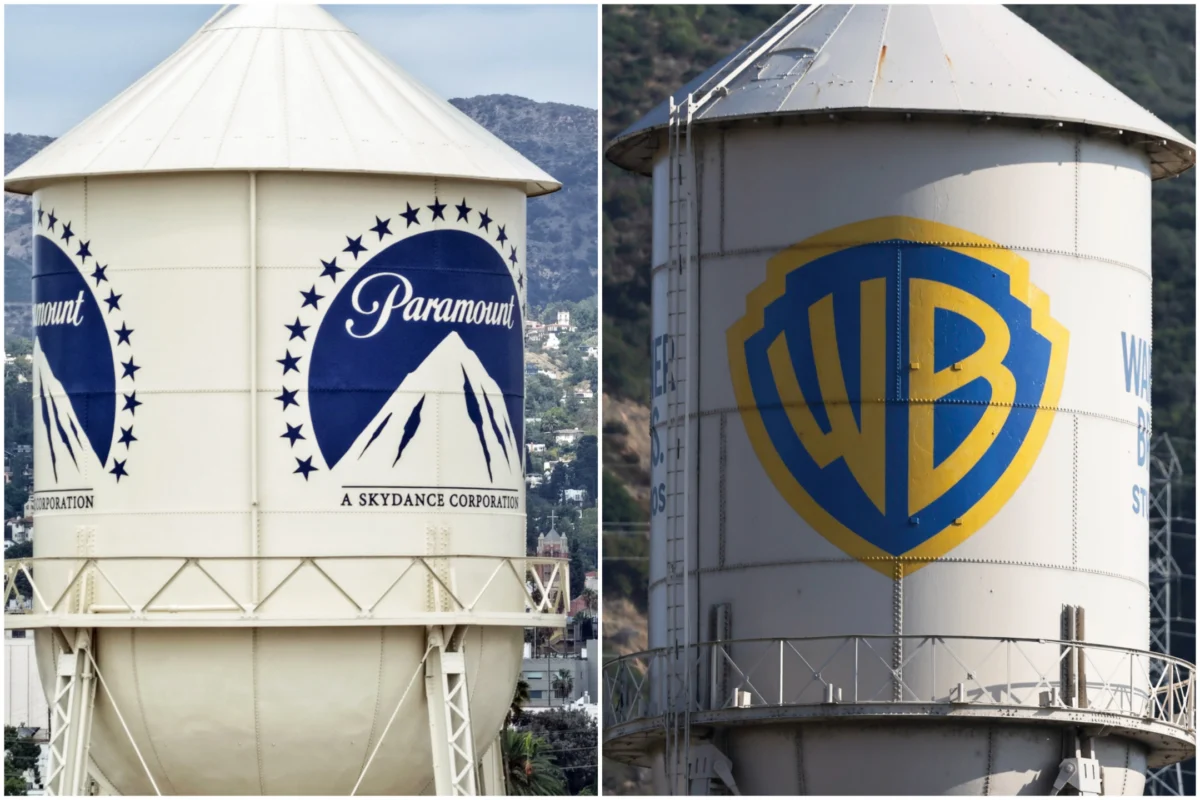
The media landscape is bracing for a seismic shift as the $111 billion mega-merger between Paramount and Warner Bros. Discovery (WBD) moves into its final, most complex stages. While the deal is not yet officially closed, the administrative machinery of both corporate giants has begun to churn in preparation for a consolidation that will reshape the global entertainment, news, and streaming sectors.
As the companies navigate the final regulatory and logistical hurdles, shareholders and industry analysts are parsing every detail of the transition. From a migration of stock listings to the implementation of a "ticking fee" that adds millions in pressure daily, the path to closing is as much a test of corporate agility as it is of financial fortitude.
The Core Transaction: A Massive Consolidation
At the heart of this deal is the union of two foundational pillars of Hollywood. Paramount, with its storied film studio and robust cable networks, is joining forces with Warner Bros. Discovery, a media powerhouse that brings an extensive library of intellectual property and a global streaming footprint.
The agreement, valued at approximately $111 billion, is structured to integrate these assets into a single, dominant entity. However, the complexity of this integration is evident in the recent regulatory filings and corporate maneuvering. Paramount’s board, in a significant move, has signaled its intent to shift its market identity, reflecting the transition toward a new corporate structure backed by high-profile investors including David Ellison, Larry Ellison, and RedBird Capital’s Gerry Cardinale.
Chronology of the Transition
The transition is being managed through a series of carefully orchestrated dates, though the parties have built in flexibility to account for the unpredictable nature of final regulatory approvals.
- September 25: The Paramount board formally resolved to voluntarily withdraw its Class B common stock from the Nasdaq Global Select Market.
- October 5: This date serves as a critical junction. It marks the expected end of trading for Paramount’s Class B stock on Nasdaq under the ticker "PSKY." Furthermore, it is the record date for the distribution of warrants to existing shareholders.
- October 6: Paramount anticipates the commencement of trading on the New York Stock Exchange (NYSE). Concurrently, Warner Bros. Discovery is expected to file for the delisting of its "Euro Notes" from Nasdaq.
- October 13: The proposed date for the commencement of trading for shares linked to the new warrant distribution, pending the successful closing of the merger.
Despite this aggressive timeline, Paramount has explicitly noted that these dates are subject to change. The distribution of warrants, for instance, remains strictly contingent on the final closing of the WBD merger. If the merger faces unexpected delays—or fails to materialize—Paramount reserves the right to cancel or postpone the record and issue dates for its warrants.
Financial Mechanics: The Ticking Fee and Warrant Structure
One of the most compelling aspects of the merger agreement is the "ticking fee" mechanism. Starting October 1, Paramount is obligated to pay a $7 million-per-day fee to Warner Bros. Discovery shareholders. This provision creates an enormous financial incentive for Paramount to expedite the closing of the deal. Every day of regulatory friction or administrative delay results in a tangible erosion of value, underscoring the urgency felt by the executive leadership.
The Warrant Offering
To ensure that existing shareholders are not left behind in the shift to the new entity, Paramount has detailed a robust warrant distribution plan. The company expects to issue approximately 470 million warrants. These instruments are designed to provide eligible Class B common stock holders with the opportunity to purchase shares in the new, combined entity on terms comparable to those provided to the lead equity syndicate.
The pricing of these warrants is governed by a specific formula: the average of the daily volume-weighted average price (VWAP) of the Class B stock for the 20 trading days ending three business days before the closing of the merger. To protect both the company and the investor, the exercise price is capped at a maximum of $16.02 and floored at a minimum of $12.00 per share. Notably, the Paramount Global 401(k) Plan and the Paramount Global Master Trust are excluded from the warrant distribution, receiving shares of Class B common stock directly instead.
Regulatory and Legal Hurdles: Clearing the Path
The road to this merger has been paved with legal challenges, most notably an antitrust lawsuit filed by 12 Democratic state attorneys general. However, a significant breakthrough occurred this week when a settlement was reached between Paramount and the coalition of states.
While the deal appears to have found a path forward, the judicial process remains active. The judge presiding over the case is currently reviewing the terms of the settlement. Complicating matters is a request by Sen. Cory Booker (D-N.J.), who has urged the court to initiate an independent review of the proposed consent decree. The judge has ordered all parties to file responses to this request by Monday, September 28. Should the court approve the settlement, it would effectively dissolve the antitrust block, removing one of the most significant legal barriers to the transaction.
Implications for the Media Ecosystem
The implications of this merger are profound. By consolidating, Paramount and WBD are essentially engaging in a "defensive scale" strategy, a move increasingly common in an era where traditional linear television is in decline and streaming services are fighting a war of attrition for subscriber retention.
Consolidation of Power
The combined entity will possess an unparalleled catalog of film, television, and sports rights. This sheer volume of content is intended to provide the scale necessary to compete with technology-first giants like Amazon, Apple, and Netflix. By centralizing assets, the new firm expects to achieve significant operational efficiencies, potentially reducing overhead costs through the elimination of redundant departments and legacy infrastructure.
The Shift in Capital Markets
The move from Nasdaq to the New York Stock Exchange is symbolic of the company’s intent to reposition itself as a legacy powerhouse. The NYSE, often viewed as the traditional home for long-standing blue-chip industrial and media conglomerates, offers a prestige that aligns with the scale of the newly merged entity.
For the debt markets, the delisting of WBD’s "Euro Notes" signifies a broader restructuring of the company’s debt profile. As the combined company integrates, investors should anticipate a re-rating of the firm’s creditworthiness based on the projected synergies and the combined balance sheet of the two organizations.
Looking Ahead: The Uncertainty Factor
Despite the granular detail provided in recent SEC filings, the "if any" language included in the company’s statements serves as a stark reminder of the merger’s volatility. The corporate world is littered with examples of multi-billion dollar deals that collapsed in their final hours due to changing market conditions, regulatory intervention, or unexpected internal friction.
For investors, the next few weeks will be defined by the resolution of the settlement hearing and the movement of the ticker symbols. The $7 million daily ticking fee acts as a "ticking clock" that ensures stakeholders remain focused on the singular goal of completion.
As the calendar turns toward October, the industry watches to see if the administrative transition—the delisting from Nasdaq, the move to the NYSE, and the issuance of millions of warrants—will proceed as planned, or if the complexities of this $111 billion transaction will necessitate further adjustments. One thing is certain: when the dust settles, the media landscape will be defined by a new, singular entity that commands a massive share of the world’s most iconic intellectual property.
The successful closing of this merger will not only be a victory for the equity syndicate led by the Ellisons and RedBird Capital, but also a definitive statement on the future of traditional media in a digital-first economy. The next few weeks are, effectively, the final act of a long-running corporate drama, with the world’s attention fixed on whether the curtain will rise on a new era for Paramount and Warner Bros. Discovery.


 Suro Senen
 Nana Wu