

TOKYO — The corridors of the National Diet are bracing for a high-stakes confrontation this Wednesday as Prime Minister Sanae Takaichi prepares to face a formidable lineup of opposition leaders. At the center of the debate is a growing economic crisis, fueled by persistent inflation and the volatile energy market, which critics argue the government has been dangerously slow to address.
The upcoming party leaders’ debate serves as a critical juncture for the Takaichi administration, which is currently grappling with mounting public frustration over the rising cost of living. For weeks, opposition parties have leveled sharp criticism at the Prime Minister for her initial refusal to draft a supplementary budget—a stance that has recently shifted, albeit in a manner many observers characterize as "too little, too late."
The Genesis of the Economic Impasse
The conflict stems from the government’s initial assessment of the domestic economy in the wake of escalating geopolitical tensions in the Middle East. As global oil prices spiked, Japan’s import-heavy energy sector felt the immediate impact, translating into higher utility bills and increased prices for consumer goods.
Despite these warning signs, Prime Minister Takaichi maintained a firm position during previous Diet deliberations: that a supplementary budget was not immediately required. Her administration favored a "wait-and-see" approach, prioritizing fiscal discipline over direct intervention. However, as the price of crude oil continued to climb and the yen remained under pressure, the disconnect between the government’s rhetoric and the reality on the ground became increasingly untenable.
Opposition lawmakers argue that the administration’s delay was not merely a matter of bureaucratic caution, but a failure to recognize the urgency of the situation facing Japanese households. The subsequent pivot—whereby the Cabinet began exploring the feasibility of an extra budget—has been met with skepticism rather than relief.
Chronology of the Policy Pivot
To understand the intensity of the upcoming debate, one must examine the timeline of the government’s reactive stance:
- Early Q2: Reports of rising energy costs begin to dominate headlines. Opposition parties, led by the Democratic Party for the People (DPP) and the Constitutional Democratic Party of Japan (CDP), formally request a supplementary budget to offset the impact of global price shocks.
- Mid-April: Prime Minister Takaichi publicly reaffirms her stance that existing fiscal measures are sufficient, dismissing the need for immediate, large-scale government intervention.
- Late April: Geopolitical instability in the Middle East intensifies, causing a secondary shock to oil markets. Public approval ratings for the Cabinet begin a notable decline as cost-of-living concerns take center stage.
- Early May: Faced with mounting pressure from both the public and the business sector, the Cabinet acknowledges that a supplementary budget is "under consideration."
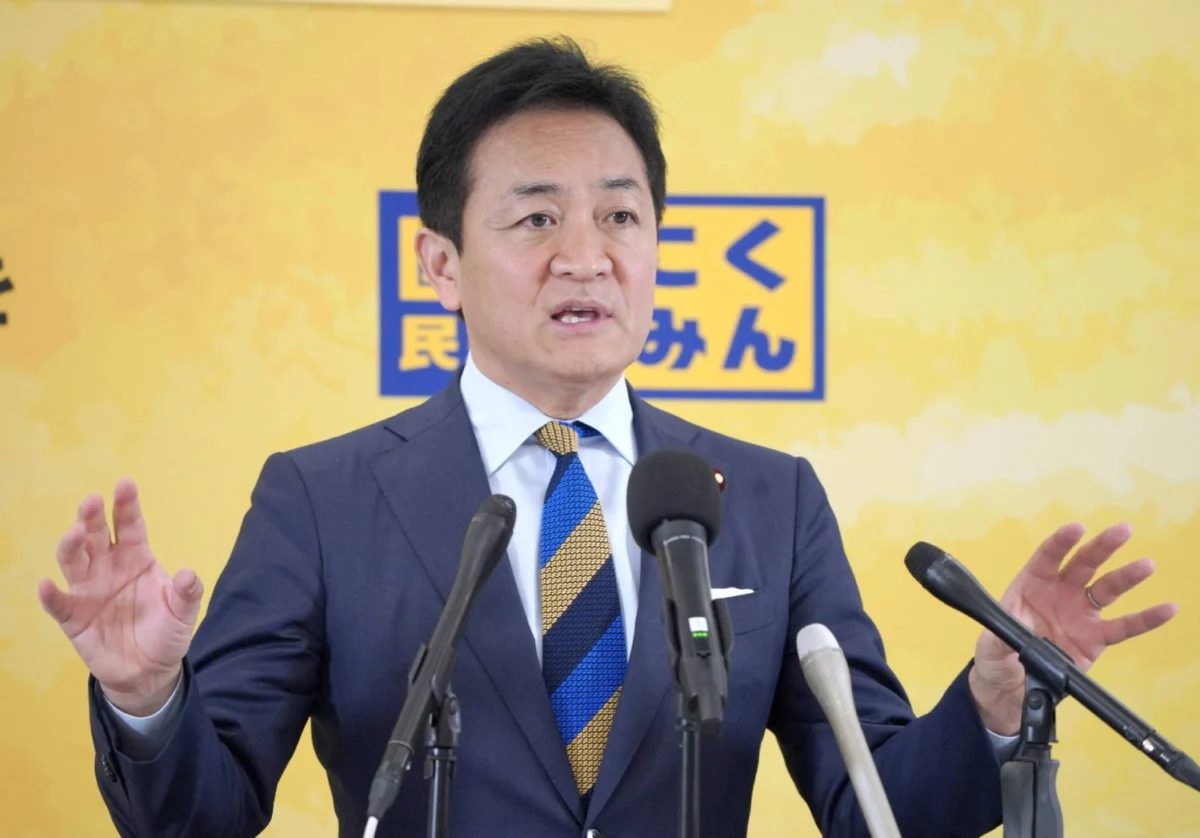
- Last Week: DPP leader Yuichiro Tamaki holds a press conference, signaling that his party intends to confront the Prime Minister directly during the upcoming leaders’ debate regarding the "tardy" response.
- This Wednesday: The scheduled debate is expected to serve as the definitive forum for this political showdown.
Supporting Data: The Cost-of-Living Crisis
The economic indicators backing the opposition’s argument are stark. Japan’s reliance on imported energy makes the nation uniquely susceptible to global price volatility.
According to recent data from the Ministry of Internal Affairs and Communications, the Consumer Price Index (CPI) has continued its upward trajectory, with energy costs acting as the primary driver. For the average household, the cumulative impact of inflation has resulted in a tangible decline in real wages. While nominal wages have seen modest growth, they have failed to keep pace with the rising cost of fuel and essential food imports.
Economists have noted that the "lag effect"—the time it takes for global price increases to hit the average consumer’s wallet—has now fully manifested. The opposition contends that had the government acted on the supplementary budget proposals weeks ago, the transition could have been cushioned by targeted subsidies and support programs. Instead, many families are now forced to navigate the brunt of these costs without a safety net, fueling the narrative that the Takaichi administration is out of touch with the average citizen.
Official Responses and Political Rhetoric
The atmosphere surrounding the Prime Minister’s office is one of defensive maneuvering. In recent briefings, government spokespeople have defended the delay, citing the need for "careful deliberation" to ensure that any supplementary spending does not further contribute to inflationary pressures or damage Japan’s long-term fiscal health.

"We have been monitoring the economic situation with the utmost caution," a government official stated during a press briefing. "Our priority remains a balance between providing necessary support and maintaining the sustainability of public finances."
However, the opposition sees this as a deflection. Yuichiro Tamaki, who has become a leading voice for the displaced middle class, did not mince words during his address to the press last Friday. "Many people are struggling due to renewed inflation," Tamaki said. "The government’s about-face is no surprise, but it is too late. The hardship has already taken root in households across the country. I want to convey this directly to the prime minister in the party leaders’ debate."
The DPP and other opposition groups are expected to present a unified front, demanding transparency regarding why the government ignored early warning signs and how the proposed supplementary budget will be funded without exacerbating the national debt.
Broader Implications for the Takaichi Administration
The political stakes for Prime Minister Takaichi extend far beyond the immediate economic relief package. This debate is widely viewed as a test of her leadership and her administration’s responsiveness to public crises.
Should the Prime Minister fail to provide a compelling justification for the delay, she risks further alienating independent voters who are already concerned about the direction of the economy. A poor performance on Wednesday could embolden the opposition to intensify their efforts, potentially leading to gridlock in the Diet and complicating the legislative agenda for the remainder of the session.
Furthermore, the situation has put a spotlight on the inherent difficulties of balancing fiscal conservatism with the need for emergency social welfare. As Japan continues to deal with an aging population and a shrinking workforce, the administration’s ability to manage these shocks is being scrutinized by international investors and domestic stakeholders alike.
Conclusion: A Turning Point for Domestic Policy
As the nation looks toward Wednesday’s debate, the mood is one of anticipation. The discussion will likely move past the technicalities of the supplementary budget and delve into the fundamental philosophy of the Takaichi government.
For the Prime Minister, the task is twofold: she must defend her record while simultaneously presenting a roadmap for economic recovery that feels immediate and sufficient to a weary public. For the opposition, the debate is an opportunity to prove their viability as an alternative government, showcasing their ability to identify crises before they peak and offer actionable solutions.
Whether the government’s recent shift is a genuine attempt at course correction or a reactive measure to save face remains the central question. As the debate approaches, the only certainty is that the economic pain felt by Japanese citizens will remain the dominant force shaping the political landscape for the foreseeable future. Quality journalism—and the public’s demand for it—remains essential as these complex issues are debated, ensuring that those in power are held accountable for the decisions that impact the daily lives of millions.












No comments yet. Be the first to join the conversation!