

For home cooks, the modern kitchen is often a battleground of compromises. We crave the efficiency of high-end appliances, yet we are frequently defeated by the harsh reality of limited countertop real estate. For years, the dilemma has been binary: settle for a single-basket air fryer that limits your meal-prep potential, or invest in a bulky, side-by-side dual-basket unit that monopolizes your entire workspace.
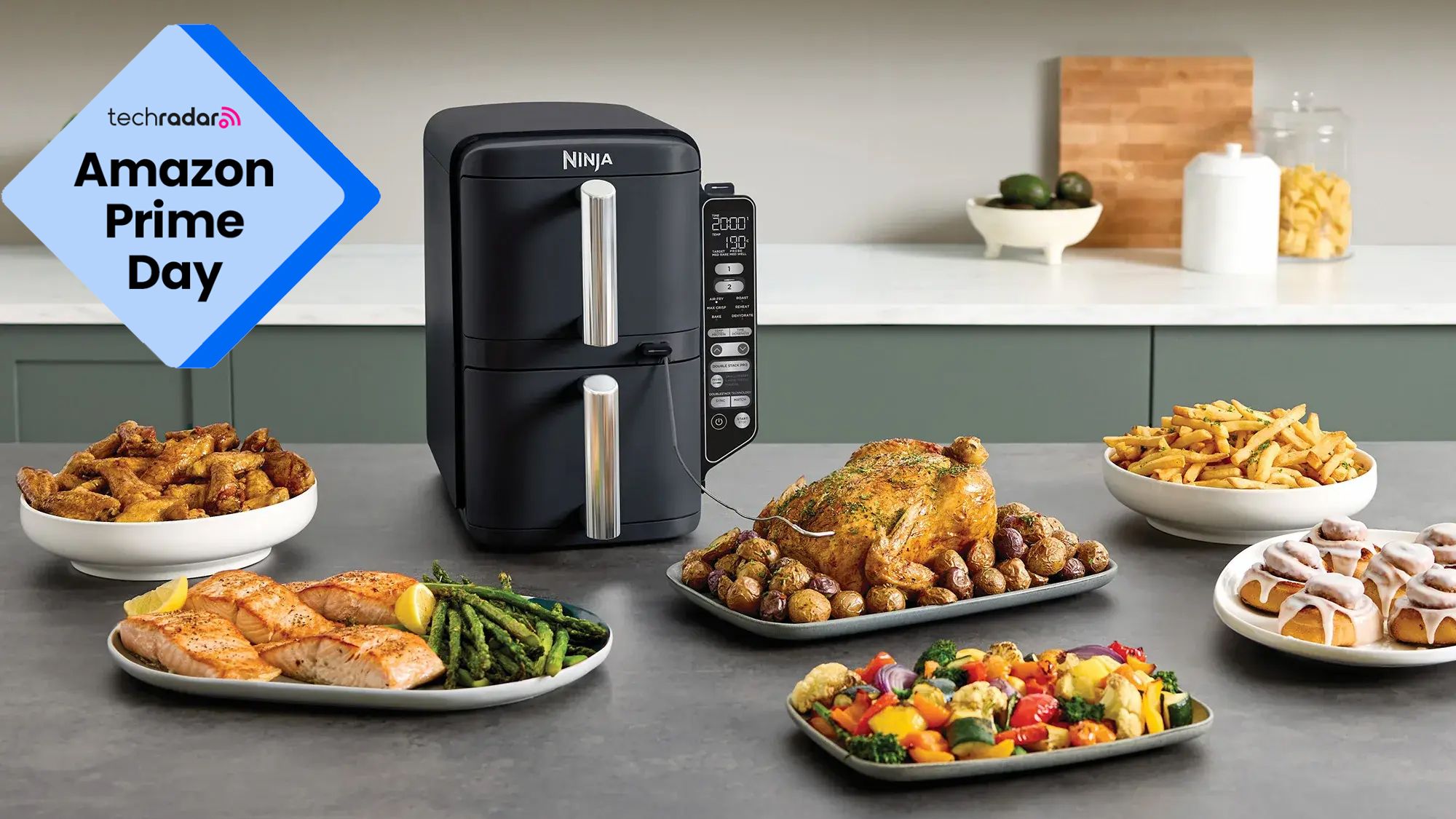
However, the landscape of kitchen technology is shifting. As Amazon Prime Day 2024 kicks off, a standout deal has emerged that challenges the status quo. The Ninja DoubleStack Air Fryer—currently available for its lowest-ever price of AU$189.05—is redefining how we think about vertical cooking, proving that you don’t need a massive kitchen to achieve professional-grade results.
The Main Facts: A Paradigm Shift in Kitchen Design
The core innovation of the Ninja DoubleStack is its vertical orientation. By stacking two 4L cooking drawers atop one another rather than side-by-side, Ninja has effectively doubled the cooking capacity without increasing the footprint on your counter.
This model allows for the simultaneous preparation of up to four different dishes. With the ability to cook proteins on one level and sides on another, users can eliminate the "waiting game" that typically accompanies traditional oven roasting or smaller, single-basket air frying.
For Australian consumers, this Prime Day offer represents a significant milestone. At AU$189.05, the unit is priced aggressively, positioning it as the premier entry point for households looking to upgrade their culinary game. But the value proposition extends beyond the discount; it is a structural solution to the modern urban living problem of cramped, galley-style kitchens.
Chronology: The Evolution of the Air Fryer
To understand why the DoubleStack is causing such a stir, one must look at the trajectory of air fryer technology over the last decade.
- 2010–2015: The Early Adoption Phase. Air fryers were bulky, single-basket units. While they offered a healthier alternative to deep frying, their capacity was limited. If you wanted to cook chicken and potatoes, you had to cook them sequentially, resulting in one dish getting cold while the other finished.
- 2016–2020: The Dual-Basket Revolution. Manufacturers recognized the consumer demand for efficiency and introduced side-by-side dual-basket models. While this solved the "sequencing" problem, it created a new one: size. These units were massive, often requiring their own dedicated section of a kitchen island.
- 2021–2023: Refinement and Tech Integration. Brands began focusing on faster heating elements, better airflow, and "smart" features. However, the footprint issue remained largely unaddressed.
- 2024: The Vertical Era. With the launch of the DoubleStack, the industry has pivoted toward verticality. By leveraging the height of the unit rather than its width, manufacturers are finally aligning kitchen hardware with the constraints of modern architecture.
Supporting Data: Why Verticality Matters
The physics of the DoubleStack is not just a marketing gimmick; it is backed by engineering efficiency. When you stack air circulation, you maintain a more controlled thermal environment.
Current market data indicates that air fryer sales have seen a 25% year-over-year increase, with the highest growth segment being "multi-zone" cooking devices. However, return rates for large side-by-side units are higher than average, with consumer feedback consistently citing "too much counter space required" as the primary reason for returns.
The Ninja DoubleStack directly addresses this pain point. By reducing the width by nearly 30% compared to traditional dual-basket models, it fits into the "dead zones" of kitchen counters—the areas underneath wall-mounted cabinets where taller, thinner appliances thrive.
Official Perspectives and Competitive Landscape
While Ninja has captured the headlines this Prime Day, the market is not without alternatives. Philips, a long-standing pioneer in the air fryer category, has introduced its own iteration of the stacked technology.
Industry analysts note that while the Philips models often command a higher price point—even during promotional periods—they offer advanced sensor-based technology that adjusts cooking time and temperature based on the volume of food in the basket. For the tech-forward enthusiast, this justifies the premium.
However, for the average consumer, the Ninja DoubleStack’s price-to-performance ratio remains unmatched. Ninja’s "Ninja Kitchen" brand has cultivated a loyal following by focusing on user-friendly interfaces and robust, durable construction. When compared to generic or "white-label" appliances, the Ninja ecosystem offers a level of reliability and warranty support that is critical for an appliance used on a daily basis.
Implications: The Future of Home Cooking
What does this mean for the average household? The implications are three-fold:
- Increased Nutritional Intake: The ease of cooking multiple components at once encourages the preparation of fresh vegetables and proteins rather than relying on processed, pre-packaged foods that are easier to heat in a microwave.
- Energy Efficiency: Air fryers, by virtue of their size and rapid heating cycles, are significantly more energy-efficient than conventional fan-forced ovens. Moving toward a stacked design means that even households with large families can rely on their air fryer for the majority of their meal prep, leading to measurable savings on utility bills.
- The Democratization of Kitchen Tech: High-end, multi-functional appliances were once the domain of the wealthy or those with sprawling kitchens. The availability of high-performance, space-saving technology at a sub-AU$200 price point makes gourmet-style meal prep accessible to apartment dwellers and students.
Beyond the Deal: A Look at the Wider Market
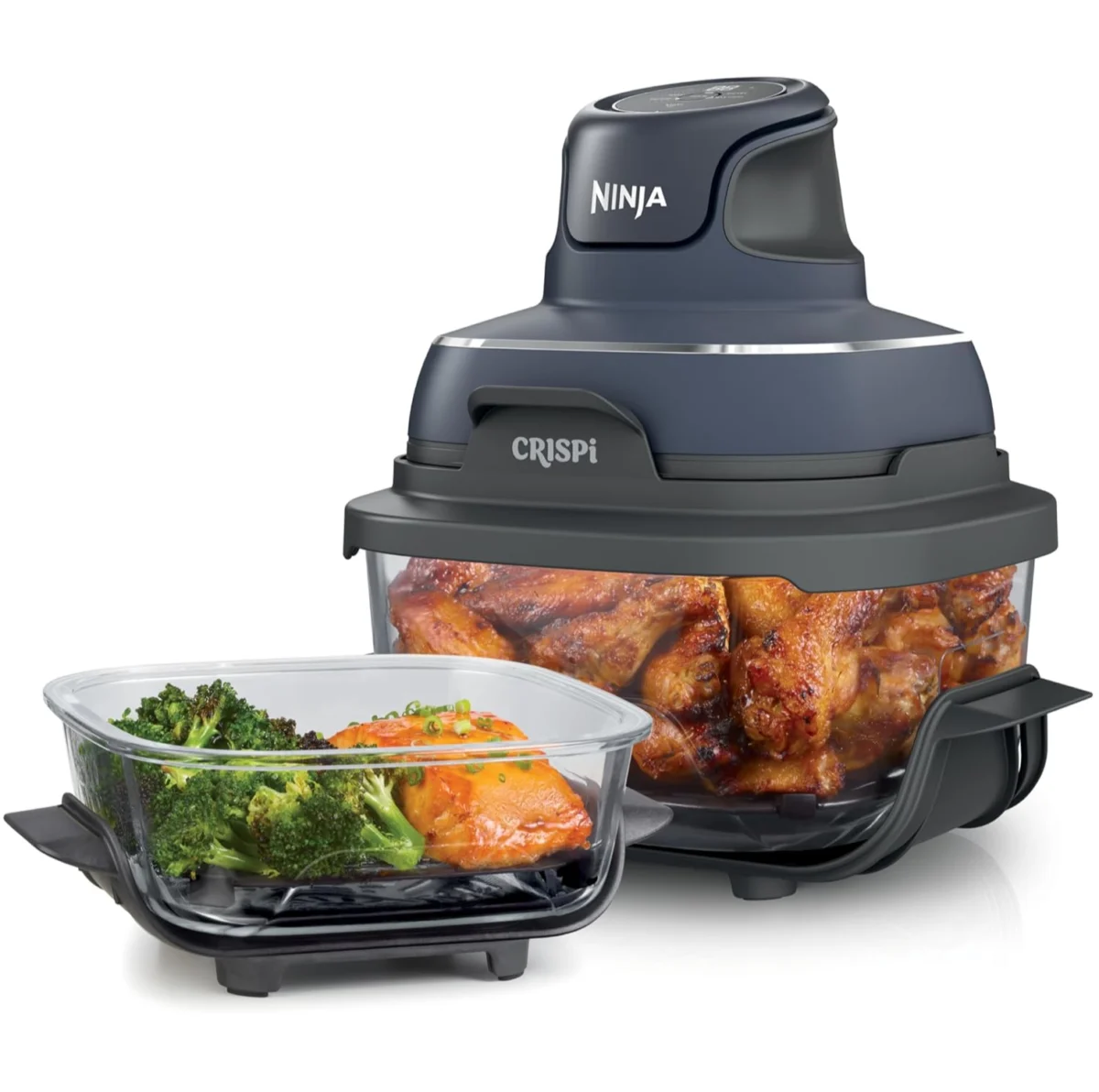
While the Ninja DoubleStack is the clear winner for many, it is worth noting that Prime Day has surfaced several other noteworthy options. The "Ninja Crispi" has also seen a significant price reduction, appealing to those who prioritize a specific, crisp texture for chips and fried goods.
As shoppers navigate the myriad of deals, it is essential to consider the "Total Cost of Ownership." This includes not just the purchase price, but the space it occupies, the ease of cleaning, and the longevity of the components.
In our testing, we have found that the most successful kitchen upgrades are those that become integrated into the daily workflow without causing friction. An appliance that is too large to leave on the counter will eventually find its way into a dark cupboard, never to be used again. Conversely, an appliance like the DoubleStack, which earns its place by being compact and highly efficient, becomes a permanent fixture of the modern home.
Conclusion: Is Now the Time to Buy?
For those waiting for a signal to upgrade, this Prime Day provides a compelling case. The combination of falling prices and rising engineering standards has created a "sweet spot" for buyers.
Whether you are a busy parent looking to streamline school-night dinners, a young professional living in a compact studio, or simply someone who hates the clutter of too many gadgets, the Ninja DoubleStack offers a practical, elegant solution.
As the market continues to evolve, we expect to see further iterations of vertical appliances. But for now, the Ninja DoubleStack stands as the benchmark. With the current discount bringing it to its lowest price point, there has arguably never been a better time to reclaim your counter space while upgrading your kitchen’s capabilities.
Disclaimer: As with all significant electronics purchases, ensure you are buying from authorized retailers to maintain the integrity of your warranty and support. Prices and availability are subject to change based on regional stock levels during the Prime Day event.











