

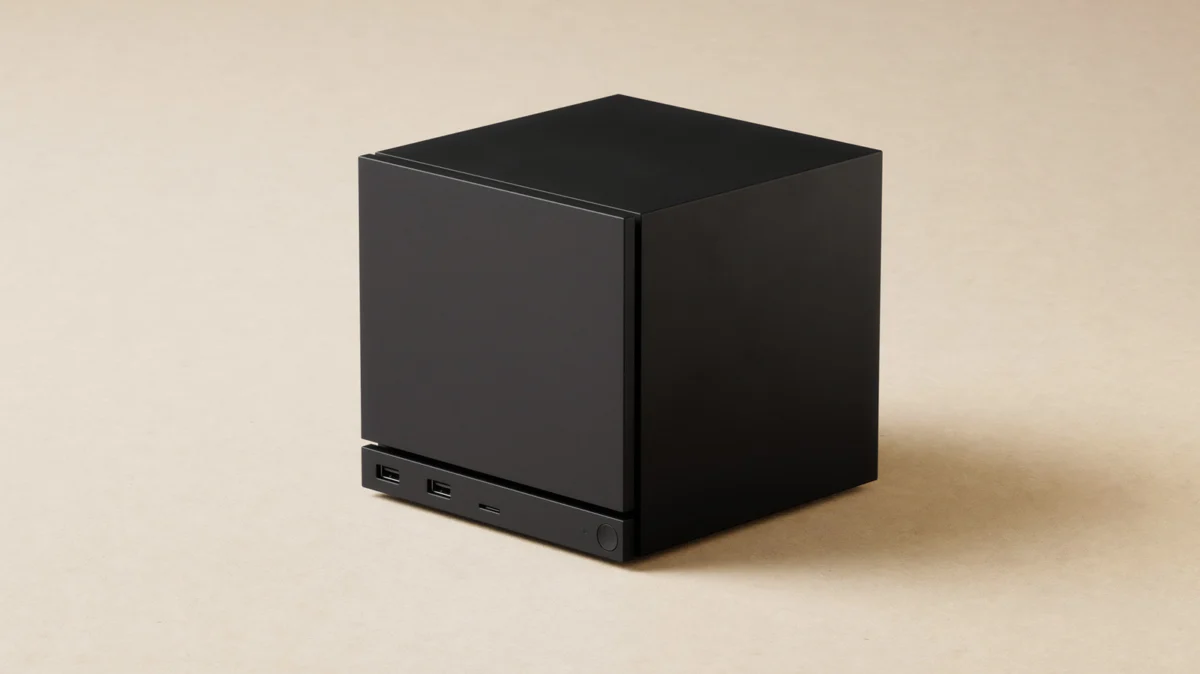
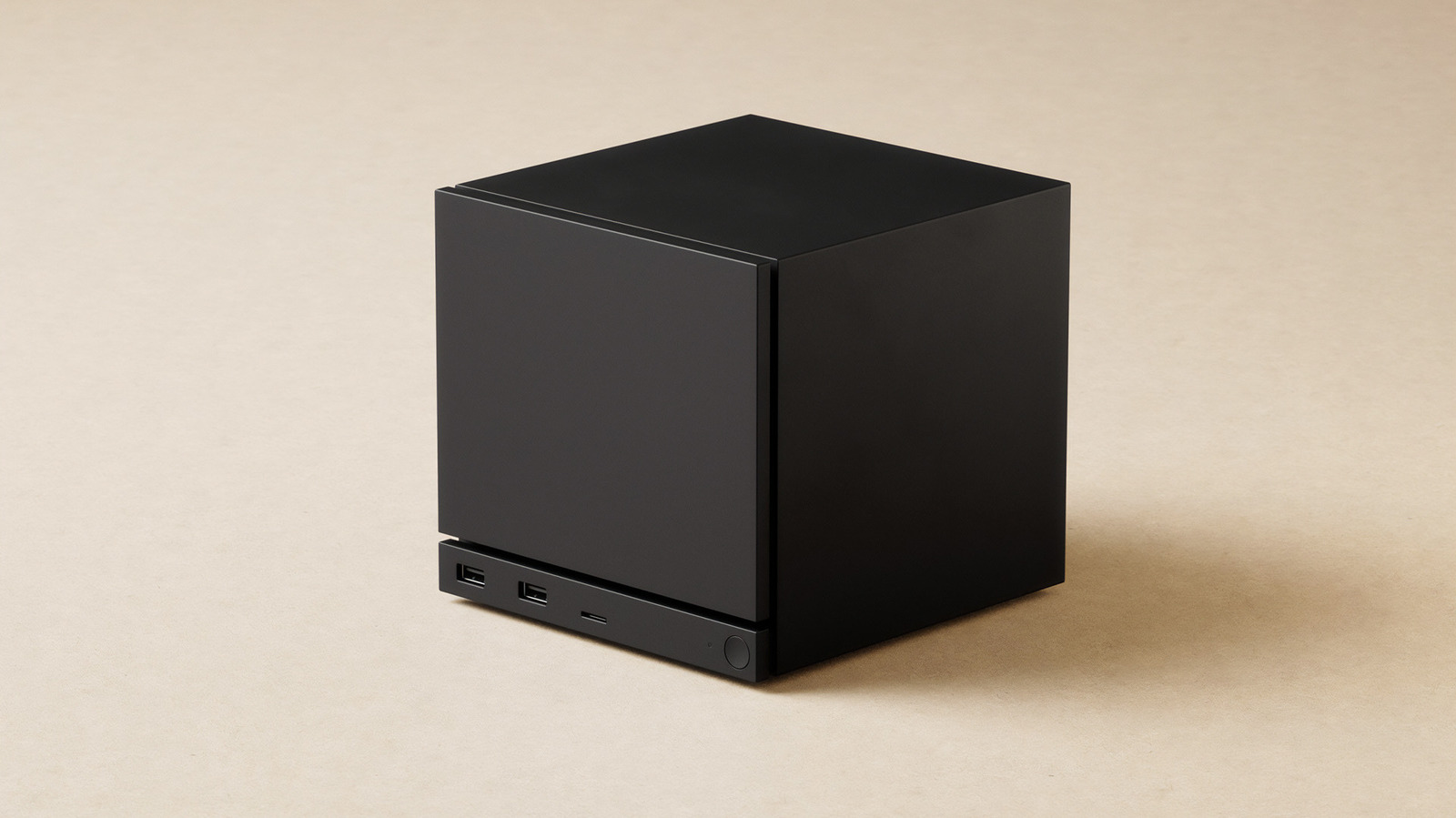
Valve has officially broken its silence regarding the release window for its next generation of gaming hardware. In an unexpected revelation buried within a technical update for developers, the company confirmed that both the Steam Machine and the Steam Frame are slated to hit the market in the summer of 2026.
While the announcement brings much-needed clarity to a roadmap that has been shrouded in speculation since late 2025, it leaves the most burning question of the gaming community unanswered: the price. As the tech industry grapples with persistent supply chain volatility and a global memory shortage, Valve’s silence on MSRP suggests the company is still calculating the economic reality of a market where hardware prices have seen historic hikes across the board.
The Roadmap: From Announcement to Imminent Release
The journey toward this summer’s launch began in November 2025, when Valve first teased the Steam Machine, the Steam Frame, and the companion Steam Controller. At the time, the gaming world was still reeling from the success of the Steam Deck, and the prospect of a more powerful, dedicated living-room experience—coupled with a standalone VR-ready "Frame"—sent waves of anticipation through the PC gaming community.
Since that initial reveal, Valve has been methodical, if not opaque, about its progress. The Steam Controller launched on May 4, 2026, to a polarized reception. While praised for its haptic feedback and premium build quality, the $99 device—a niche, non-PC controller—left fans wondering how it would integrate into the broader ecosystem. With the confirmation of the Steam Machine and Steam Frame, the puzzle pieces are finally locking into place.
Technical Integration: The ‘Verified’ Standard
A cornerstone of Valve’s strategy is the "Verified" program, which proved instrumental in the Steam Deck’s success by providing consumers with a clear indicator of how games perform on specific hardware. Valve has confirmed that this system will be the backbone of the Steam Machine and Steam Frame launch.
The Steam Machine: Continuity of Experience
For the Steam Machine, the criteria for the "Verified" badge are nearly identical to those established for the Steam Deck. Valve intends for the transition from handheld to living room console to be seamless. If a game runs well on a Steam Deck, it should, in theory, perform flawlessly on the Steam Machine. This parity is designed to minimize friction for developers, who won’t have to rebuild their optimization pipelines for a new piece of hardware.
The Steam Frame: A New Frontier in Standalone VR
The Steam Frame, however, represents a more complex challenge. According to the developer blog, the "Steam Frame Standalone Verified" program is tailored specifically to the out-of-the-box experience. Valve has set rigorous benchmarks:
- Default Configuration: The hardware must perform optimally at its native resolution without requiring user-side tinkering.
- UI Legibility: Text and interface elements must be crystal clear on the built-in display, a common pain point for early VR adopters.
- Controller Ergonomics: The default control mapping must be optimized for the Steam Frame Controllers.
These criteria apply equally to VR and non-VR titles, signaling that Valve is positioning the Frame not just as a niche peripheral, but as a primary platform for immersive gaming.
Market Realities: The Elephant in the Room (Pricing)
The gaming industry is currently navigating its most difficult hardware cycle in a decade. A persistent global memory shortage has created a domino effect, forcing manufacturers to pass increased costs onto consumers.
In 2026, the industry has seen a universal trend of price escalation. Major players have adjusted their pricing strategies to account for the rising cost of components:
- Xbox and PlayStation: Both have increased the base price of their consoles, with some models seeing jumps of several hundred dollars.
- Valve’s Own Portfolio: The Steam Deck, once hailed for its value-per-dollar, saw its price balloon by as much as $300 earlier this year.
- Nintendo: Reports indicate that the upcoming Switch 2 is being positioned at a higher price point than its predecessor, acknowledging the new "normal" of the gaming economy.
Given this backdrop, analysts are skeptical that the Steam Machine will be the budget-friendly "console killer" some fans hope for. The Steam Controller’s $99 price tag—while arguably fair for its unique haptic and touchpad technology—serves as a bellwether. If a controller costs $99, the compute-heavy Steam Machine and the optical-heavy Steam Frame are likely to command a premium price tag that reflects the high cost of current-gen silicon and DRAM.
Ecosystem Evolution: A Fresh Look at the Steam Store
Beyond hardware, Valve has taken the opportunity to refresh the digital storefront. Today’s update is not merely cosmetic; it is a fundamental restructuring of how users interact with the Steam ecosystem.
Key Changes to the Steam Homepage:
- Visual Overhaul: The store now features wider, high-resolution imagery, moving away from the cluttered layouts of the past.
- Enhanced Discovery: The "Discovery Queue" is now accessible via an overlay, allowing users to browse without losing their place on the homepage.
- Personalized Scheduling: A new "Personal Calendar" tracks game promos based on user play history, turning the store into a proactive assistant rather than a static catalog.
- Infinite Scroll: The homepage now supports continuous loading, designed to minimize clicks and maximize engagement.
These changes are clearly intended to prepare the Steam Store for a multi-device future. As users transition between their PCs, Steam Decks, Steam Machines, and Steam Frames, the storefront needs to act as a unified "hub" that understands the hardware currently in use.
Implications: Can Valve Define the New Console Generation?
The summer 2026 launch window places Valve in direct competition with the mid-cycle refreshes of the traditional console giants. However, Valve’s strategy differs fundamentally from Sony or Microsoft. While competitors are doubling down on exclusive software ecosystems, Valve is betting on interoperability.
By leveraging the "Verified" program across three distinct hardware tiers—handheld (Deck), living room (Machine), and standalone (Frame)—Valve is attempting to commoditize the gaming experience. The goal is to make the hardware secondary to the library. If a user can buy a game once and have it be "Verified" across all three devices, the value proposition shifts from the console hardware to the Steam platform itself.
The Risks Ahead
Despite the optimism, significant hurdles remain. The memory shortage shows no signs of abating, and the global logistics chain remains fragile. If the Steam Machine launches with a high price point and limited stock, it risks alienating the very audience that made the Steam Deck a success. Furthermore, the "haptic scream" issues noted in early Steam Controller units suggest that Valve’s focus on experimental technology—while innovative—could lead to QC (Quality Control) headaches on a larger scale.
Conclusion: A High-Stakes Summer
As we approach the summer of 2026, the industry’s eyes are firmly fixed on Bellevue. Valve has proven it can disrupt the handheld market; the question now is whether it can replicate that success in the living room and the virtual reality space.
The Steam Machine and Steam Frame represent more than just new products; they are a declaration of intent. Valve is no longer just a digital storefront or a software company; it is a hardware powerhouse aiming to define the next era of PC gaming. Whether the market can stomach the inevitable price increases remains to be seen, but one thing is certain: the summer of 2026 will be the most significant turning point for PC hardware in the last decade.
For now, developers have their instructions, players have their "Verified" guidelines, and the industry waits to see what the final price tag will be for the next generation of Steam.












No comments yet. Be the first to join the conversation!