

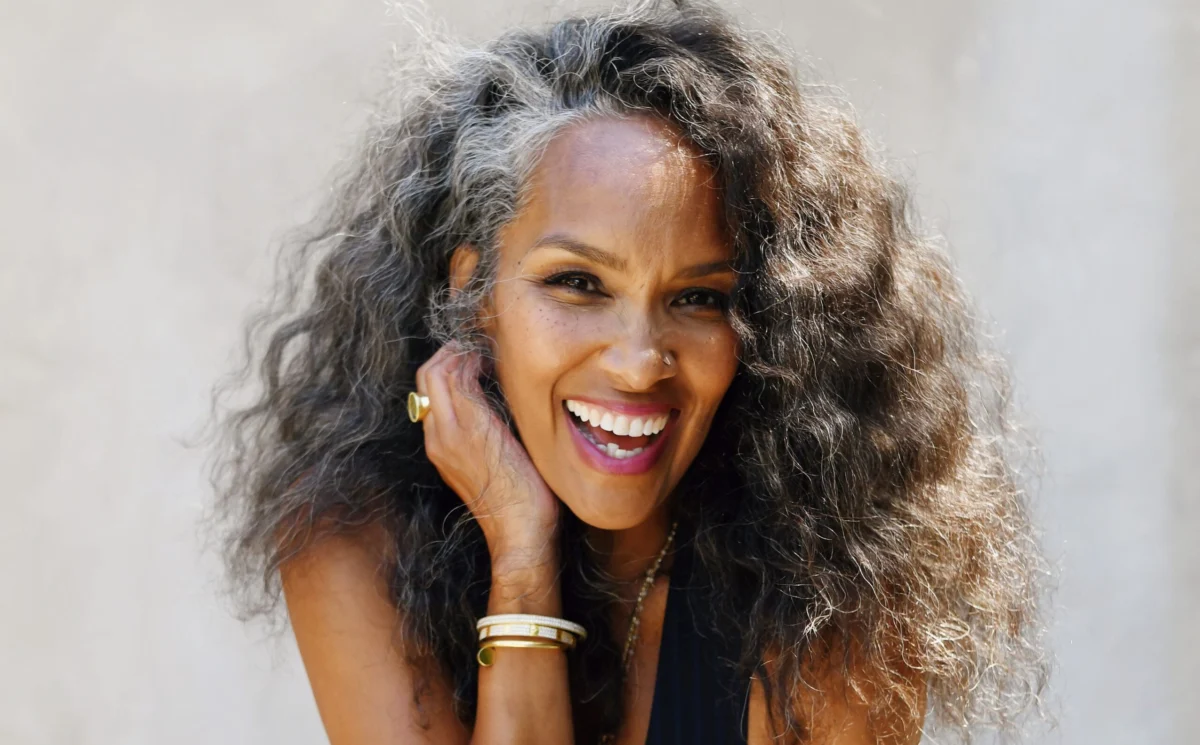
In the competitive and often opaque landscape of Hollywood, the path to a sustainable screenwriting career is rarely linear. Recognizing the need for mentorship, structural support, and creative sanctuary, powerhouse showrunner and producer Mara Brock Akil has continued to solidify the legacy of her signature initiative: The Writers’ Colony. This week, the program announced its dual cohorts for the 2026 season, signaling a continued commitment to fostering diverse, emerging talent through a rigorous, immersive three-month residency.
The program, headquartered in the vibrant West Adams neighborhood of Los Angeles, operates in immediate proximity to Brock Akil’s own production hub, story27 Productions. By integrating these rising stars into an environment that breathes the daily rhythms of professional television production, the Colony offers more than just a writing desk; it offers a blueprint for navigating the complexities of the entertainment industry.
The 2026 Vision: Summer and Fall Cohorts
The Writers’ Colony has become a coveted destination for writers who bring non-traditional backgrounds to the screen. The 2026 selection process yielded two distinct groups of four writers each, all of whom possess a track record of professional achievement and a unique perspective on contemporary storytelling.
The Summer Cohort
The summer session, which commenced on June 10, features a group whose collective experience spans the military, high-level political communications, and independent cinema:
- Nicole Schwegman: A former U.S. Navy Commander and White House press official, Schwegman brings an unparalleled depth of real-world authority. Her recent work as a showrunner’s assistant on the CBS series Watson underscores her successful transition into the writers’ room.
- Spencer Jamison: A filmmaker and the 2026 Film Independent Episodic Lab Fellow, Jamison arrives with an established reputation for visual storytelling and narrative innovation.
- Nagee Brown: A versatile writer and producer whose creative portfolio reflects a commitment to character-driven storytelling.
- Justin Casselle: An award-winning writer-director whose work has already begun to garner industry recognition, marking him as a talent to watch.
The Fall Cohort
Beginning September 2, the fall session will welcome a second group of four, emphasizing a blend of executive experience and creative grit:
- Charlie T. Savage: A Navy veteran turned filmmaker, Savage represents the program’s interest in voices that have operated in high-stakes environments before turning their lens to the craft of the screenplay.
- Malia Dawkins Jennings: Having served on the writing team for Iyanu: Child of Wonder (Season 2), Jennings brings established experience in serialized animation and world-building.
- Leland Hall: A filmmaker who bridges the gap between creative and corporate, Hall’s background as a former HBO executive provides him with a unique vantage point on the mechanics of prestige television.
- Shay Ball: Bringing a disciplined, analytical perspective from a career in finance, Ball offers a fresh entry point into the creative arts, highlighting the Colony’s openness to multifaceted professional trajectories.
A Legacy of Excellence: The Impact of the Residency
The Writers’ Colony is not merely a workshop; it is a professional incubator. The three-month residency is designed to deconstruct the myths of Hollywood and replace them with actionable strategies. Participants spend their time workshopping scripts, engaging in intimate dialogues with established industry professionals, and refining their pitch decks.
The curriculum is built on the philosophy that storytelling is a collaborative enterprise. By forcing writers to pitch to their peers and undergo iterative script revisions, Brock Akil creates a high-pressure, high-support environment that mirrors the reality of a modern writers’ room.
This initiative arrives at a pivotal moment in Brock Akil’s own career. While she continues to mentor the next generation, she is simultaneously at the helm of the highly anticipated Netflix series Forever. Her career—which spans iconic contributions to television history including Girlfriends, The Game, and Being Mary Jane—serves as a North Star for the Colony participants. These writers are not just learning from a curriculum; they are learning from a showrunner who has successfully navigated the changing tides of the industry for decades.
Official Perspective: The Philosophy of Mentorship
For Mara Brock Akil, the Colony is the manifestation of a long-held belief in the power of creative stewardship. In a recent statement, she reflected on the core mission of the residency:
"Supporting the next generation of storytellers remains at the heart of the Writers’ Colony. When writers are given the space and support to deepen their craft, extraordinary things happen. Watching each cohort grow into their voices and find their place in this industry is what drives everything we do."
This statement touches on the "space" component of the program. In a city where the cost of living and the isolation of freelance writing can often stifle creativity, the West Adams campus serves as a physical manifestation of legitimacy. It provides the quiet necessary for the "deepening of the craft" that Brock Akil highlights, while simultaneously connecting these writers to a network that extends far beyond the duration of the program.
Building a Pipeline: Historical Context and Future Implications
The Colony has already begun to seed the industry with its alumni, many of whom are now actively working in various capacities across television and film. Previous cohorts have included writers like Duran Jones, Dorado Quick, Shahari Moore, and Sunny Dae. The 2026 spring cohort, which included Jordan Rock, Domonic Diaz-Smith, Porscha Williams, and Corinthian Maldonado, has already set a high bar for the incoming classes.
The consistency of the program’s output suggests that the Writers’ Colony is positioning itself as a vital pipeline for studios and streamers looking to find authentic, diverse, and well-trained voices. By filtering applicants through a rigorous selection process, the Colony ensures that its graduates are "room-ready" from day one.
Industry Implications
The success of the Colony points to a broader trend in Hollywood: the shift toward structured, studio-adjacent mentorship. As the industry moves away from the traditional "apprenticeship" model of the past—where writers learned solely through osmosis—the need for intensive, goal-oriented programs like Brock Akil’s has become more pronounced.
Furthermore, by selecting individuals with non-traditional professional backgrounds (such as the military or finance), the Colony is actively diversifying the narrative DNA of future television. These writers bring specific vocabularies and life experiences that enrich the stories they tell, moving the industry toward a more nuanced and representative landscape.
Conclusion: A Blueprint for Resilience
As the 2026 cohorts settle into their residencies, the Writers’ Colony continues to operate as a vital, if understated, pillar of the Los Angeles creative community. Its impact is measured not by box office receipts or Nielsen ratings, but by the career longevity of its participants.
For Mara Brock Akil, the initiative is a full-circle moment. Having built her career on stories that centered the complexities of Black life and culture, she is now ensuring that the architects of tomorrow’s stories are equipped with the tools to sustain their own legacies. As the summer session progresses toward its conclusion and the fall session prepares to begin, the message remains clear: the future of storytelling in Hollywood is being written in West Adams, one script at a time.
With its blend of seasoned leadership, strategic location, and a focus on high-caliber emerging talent, the Writers’ Colony is more than a residency—it is a vital institution that continues to prove that when you invest in the writer, you invest in the future of the medium itself.










