

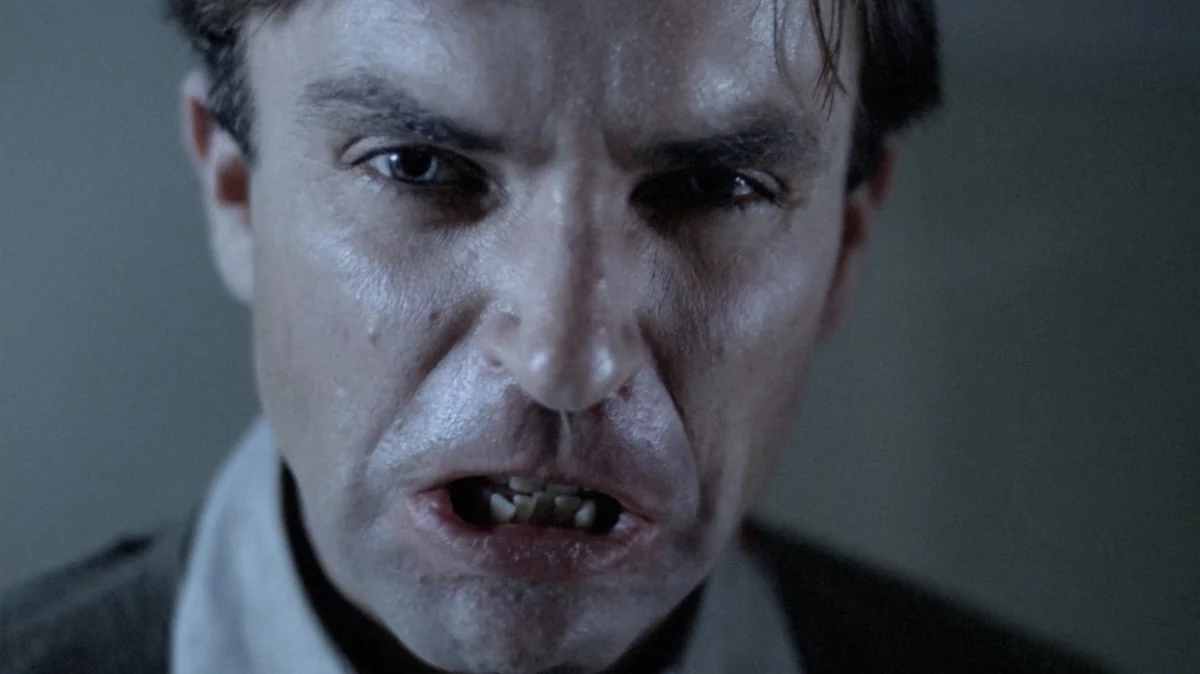
The global film community is in mourning following the passing of Sam Neill, the iconic New Zealander whose career spanned over five decades, crossing the boundaries between blockbuster stardom and avant-garde intensity. Neill, who passed away at the age of 78, leaves behind a cinematic footprint that few can replicate. While he will forever be etched into the public consciousness as the weary, whip-smart paleontologist Dr. Alan Grant in Steven Spielberg’s Jurassic Park, his filmography represents a tapestry of performances that range from the chillingly demonic to the deeply vulnerable.
A Career of Unparalleled Range
Born in Omagh, Northern Ireland, and raised in New Zealand, Neill’s path to Hollywood was marked by a steady climb through television and independent cinema. Before he became a household name in 1993, he had already established himself as a formidable talent in international circles.
His early work, particularly in films like Roger Donaldson’s Sleeping Dogs (1977) and Gillian Armstrong’s My Brilliant Career (1979), showcased an actor who could command the screen with a quiet, observational intensity. However, it was his turn as Damien Thorne in The Omen III: The Final Conflict (1981) that signaled his ability to inhabit roles of profound moral ambiguity. Playing the Antichrist, Neill managed to bring a sophisticated, icy magnetism to a character that could have easily drifted into caricature. It was a star-making performance that proved Neill was capable of anchoring a major franchise with gravitas.
Despite a lymphoma diagnosis in 2022, Neill remained active, embodying a professional work ethic that defined his career. He continued to participate in high-profile projects, including Peaky Blinders and the Jurassic World sequels, even as he navigated his health challenges. His loss is not just the loss of a performer, but the loss of a bridge between the classic era of 20th-century filmmaking and the modern blockbuster age.
Chronology of a Masterclass: The "Possession" Era
To understand the full depth of Sam Neill’s artistic range, one must look toward his most challenging role: the 1981 psychological horror masterpiece Possession, directed by Andrzej Żuławski.
In the early 1980s, Neill was at a crossroads. He was seeking projects that pushed him beyond the standard dramatic tropes. Possession provided that opportunity. The film, which follows a West German spy (Neill) who returns home to find his wife (Isabelle Adjani) descending into an inexplicable, supernatural madness, remains one of the most polarizing and visceral films in the horror genre.
The Production Struggle
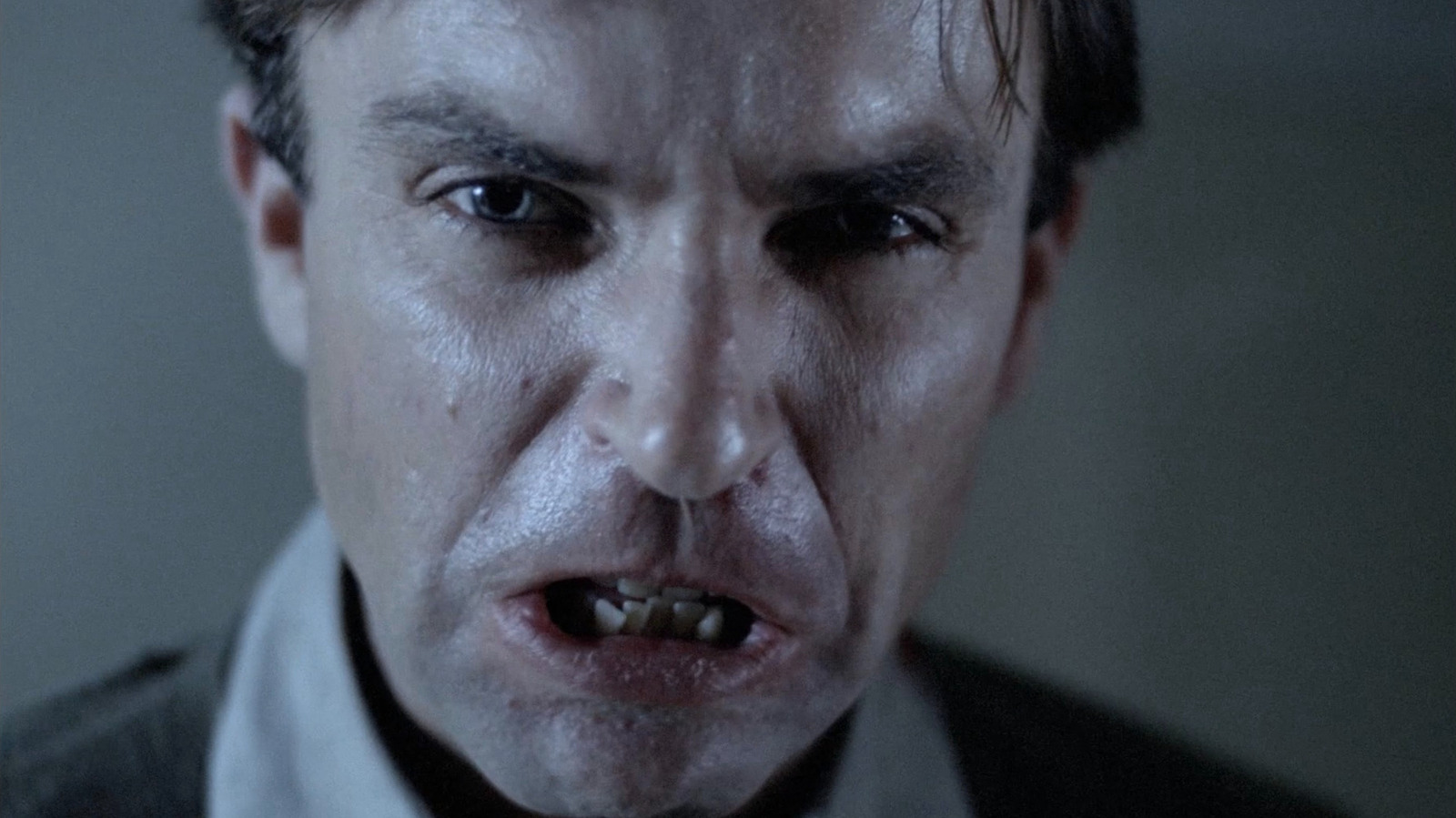
When Possession was first released in the United States, it suffered a fate common to international art-house films of the era: it was butchered by censors and distributors. The original 124-minute cut was slashed to a meager 81 minutes, stripping away the film’s narrative context and emotional architecture. It was marketed strictly as a "creature feature," which did a profound disservice to the psychological warfare taking place on screen.
The Cannes Turning Point
Isabelle Adjani’s performance in the film is frequently cited as one of the greatest in the history of the medium, culminating in her Best Actress win at the 1981 Cannes Film Festival. However, industry insiders and critics have long noted that Adjani’s performance would not have reached those heights without the anchor provided by Neill. His performance as Mark—a man watching his reality dissolve—is the film’s moral and emotional spine.
Supporting Data: Why "Possession" Stands Alone
What separates Possession from other horror films of the 1980s is its unflinching depiction of marital collapse. While contemporaries like Shoot the Moon attempted to capture the brutality of divorce, Possession literalizes the "self-mutilation" of a dying relationship. The film’s most famous sequences—involving electric carving knives and inexplicable transformations—are not merely meant to shock; they are manifestations of the characters’ internal decay.
In a candid interview on Kermode and Mayo’s Film Review, Neill spoke at length about the toll the film took on his own well-being. "I call it the most extreme film I’ve ever made, in every possible respect," Neill stated. "He [Żuławski] asked of us things I wouldn’t and couldn’t go to now. And I think I only just escaped that film with my sanity barely intact."
Official Responses and Industry Reflections
The response to Neill’s passing has been universal in its praise for his humility and professional dedication. Colleagues from the Jurassic Park franchise, as well as directors who worked with him in his later years, have highlighted that Neill was a "gentleman of the industry."
Even as his health declined, his commitment to his craft remained unwavering. His final performances in Godzilla x Kong: Supernova and the upcoming rom-com The Last Resort are being viewed by fans as the final chapters of a long, distinguished book. The industry’s sentiment is clear: Neill was a rare breed of actor who never phoned in a performance, regardless of the quality of the script. He brought a sense of humanity to the screen that made even the most absurd scenarios feel grounded in truth.
The Implications of His Loss
The passing of Sam Neill serves as a poignant reminder of the transient nature of cinema legends. As modern audiences revisit his filmography, there is a renewed interest in his "cult classic" period.
Why Neill Matters to Future Generations
For young horror fans who only know Neill as the benevolent scientist from Jurassic Park, diving into his earlier work—specifically Possession—is an essential rite of passage. It reveals an actor who was fearless in his choices. The implications for the horror genre are clear: Possession is no longer viewed as a forgotten relic but as a foundational text for the "elevated horror" movement that has dominated the last decade.
A Legacy of Integrity
Neill’s legacy is not just about the characters he played, but how he played them. He possessed a rare "everyman" quality that allowed him to bridge the gap between high-brow European cinema and populist American blockbusters. Whether he was battling prehistoric predators or the psychological manifestations of the demonic, Neill always provided the audience with a tether to reality.
Conclusion: An Essential Viewing Guide
As we celebrate his life, the following titles are recommended for anyone looking to understand the breadth of Sam Neill’s talent:
- Possession (1981): For the viewer who wants to see the raw, unvarnished intensity that Neill rarely displayed in his later, more polished roles.
- Sleeping Dogs (1977): To witness the birth of a star and the early promise of a career that would span the globe.
- The Omen III: The Final Conflict (1981): To observe how he could bring nuance and sophistication to a villainous archetype.
- My Brilliant Career (1979): A reminder of his capability for subtle, romantic, and character-driven drama.
Sam Neill’s death is a profound loss, but his work ensures that he will remain a presence in our lives for generations to come. He taught us that a performance is not just about reciting lines; it is about the willingness to "barely escape with one’s sanity intact" in the pursuit of artistic truth. Rest in peace, Sam. You were, and remain, a true giant of the screen.










