Siti Muinah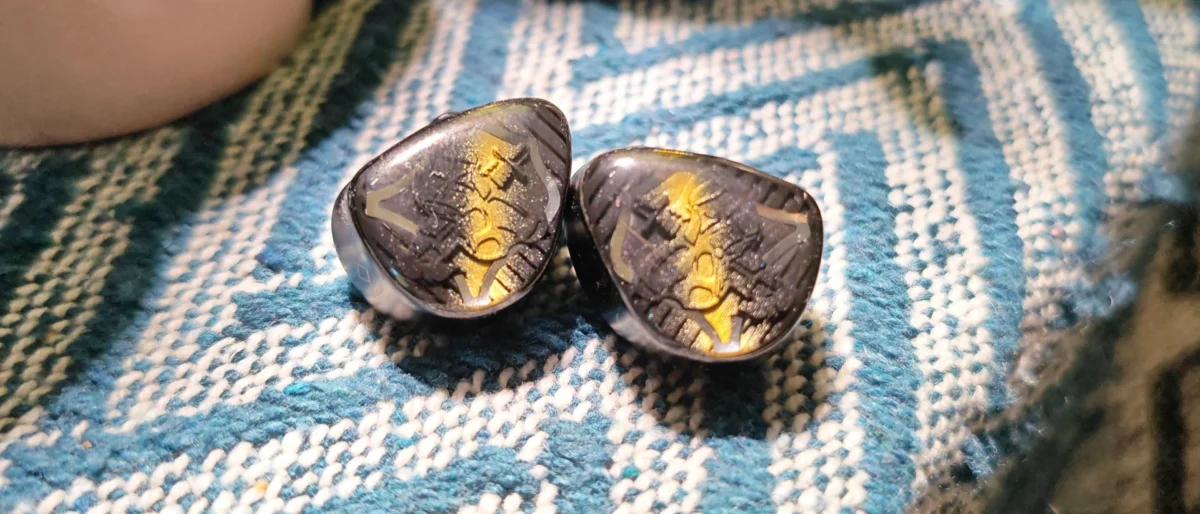
Noble Audio has long cemented its reputation as a titan in the high-fidelity audio space. From the industry-shaking, $5,000 Kronos to the accessible yet sonically superior Osprey wireless earphones and the recent, genre-defining FoKus Artemis ANC headphones, the US/Taiwanese brand has become synonymous with exquisite craftsmanship and refined acoustic engineering.
However, even the most decorated houses occasionally release a product that leaves critics and enthusiasts scratching their heads. Enter the Noble Vanguard, a $325 in-ear monitor (IEM) that aims to bring "Noble quality" to a wider demographic. Unfortunately, after extensive testing, it is clear that the Vanguard is not merely a misfire—it is a cautionary tale in the world of personal audio.
The Main Facts: An Expensive Misstep
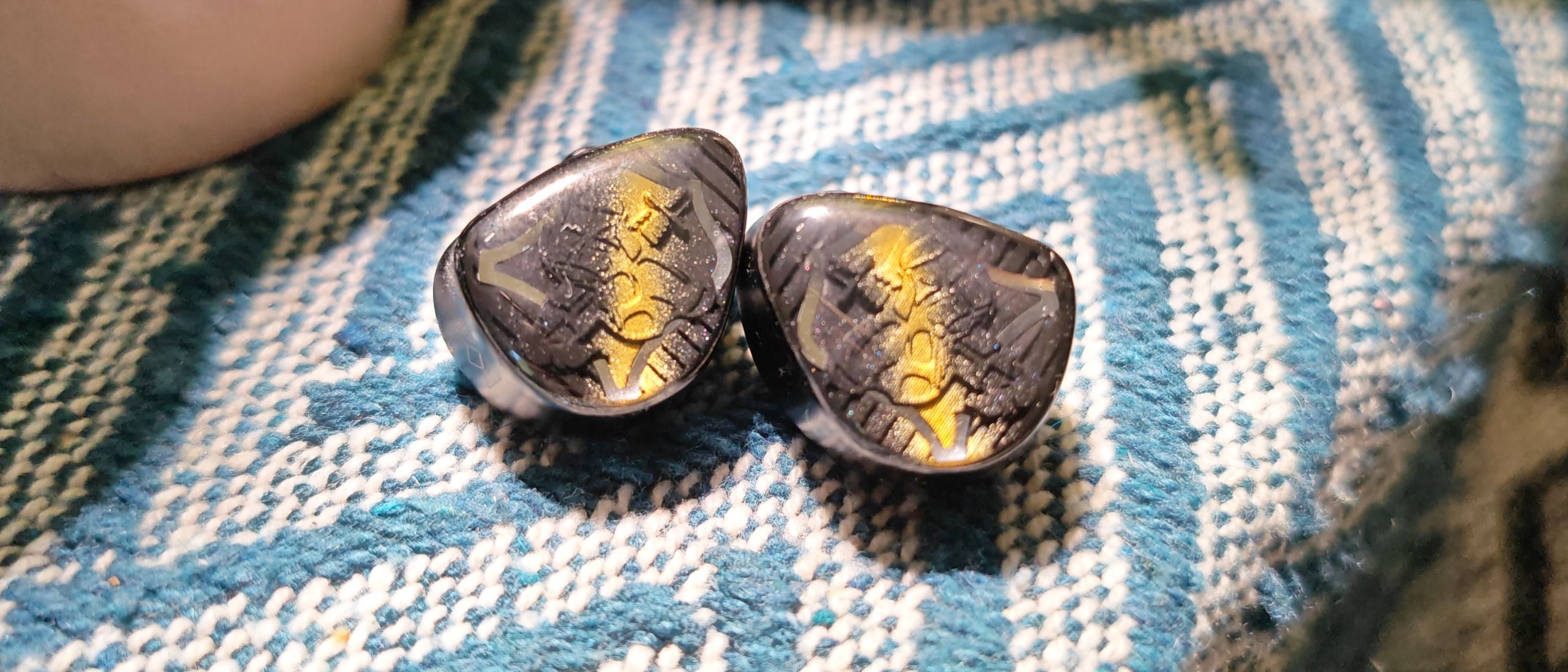
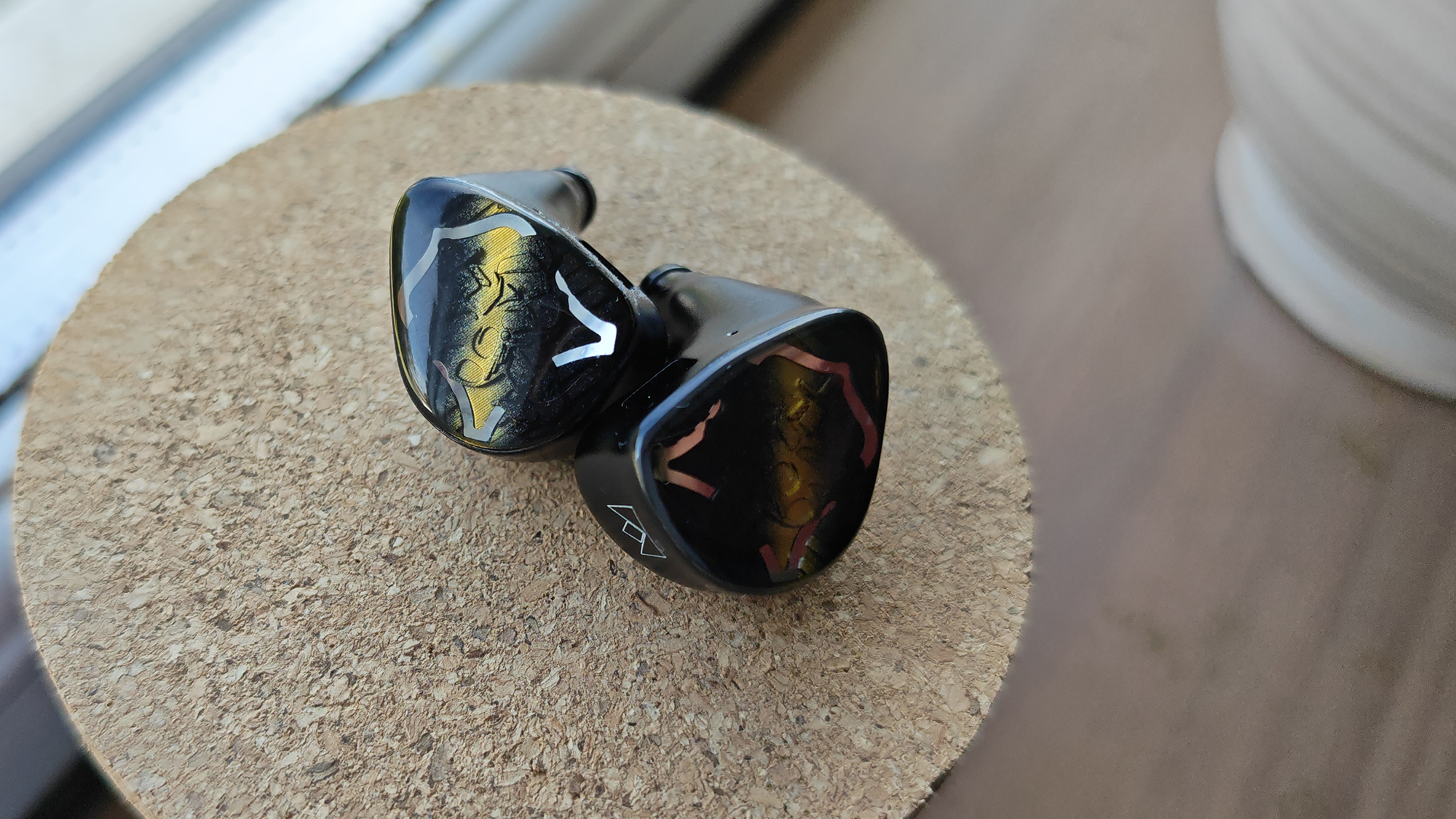
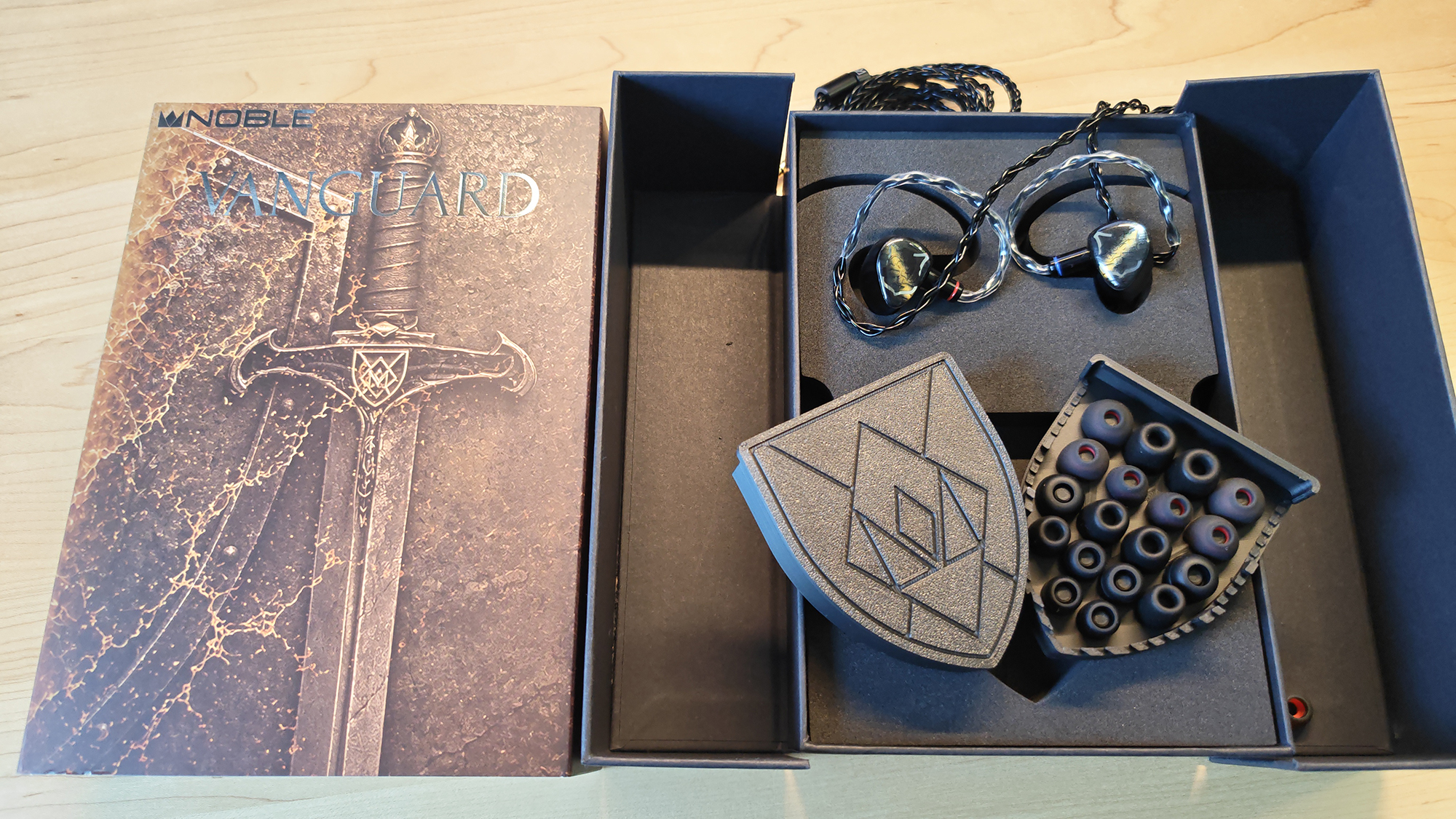
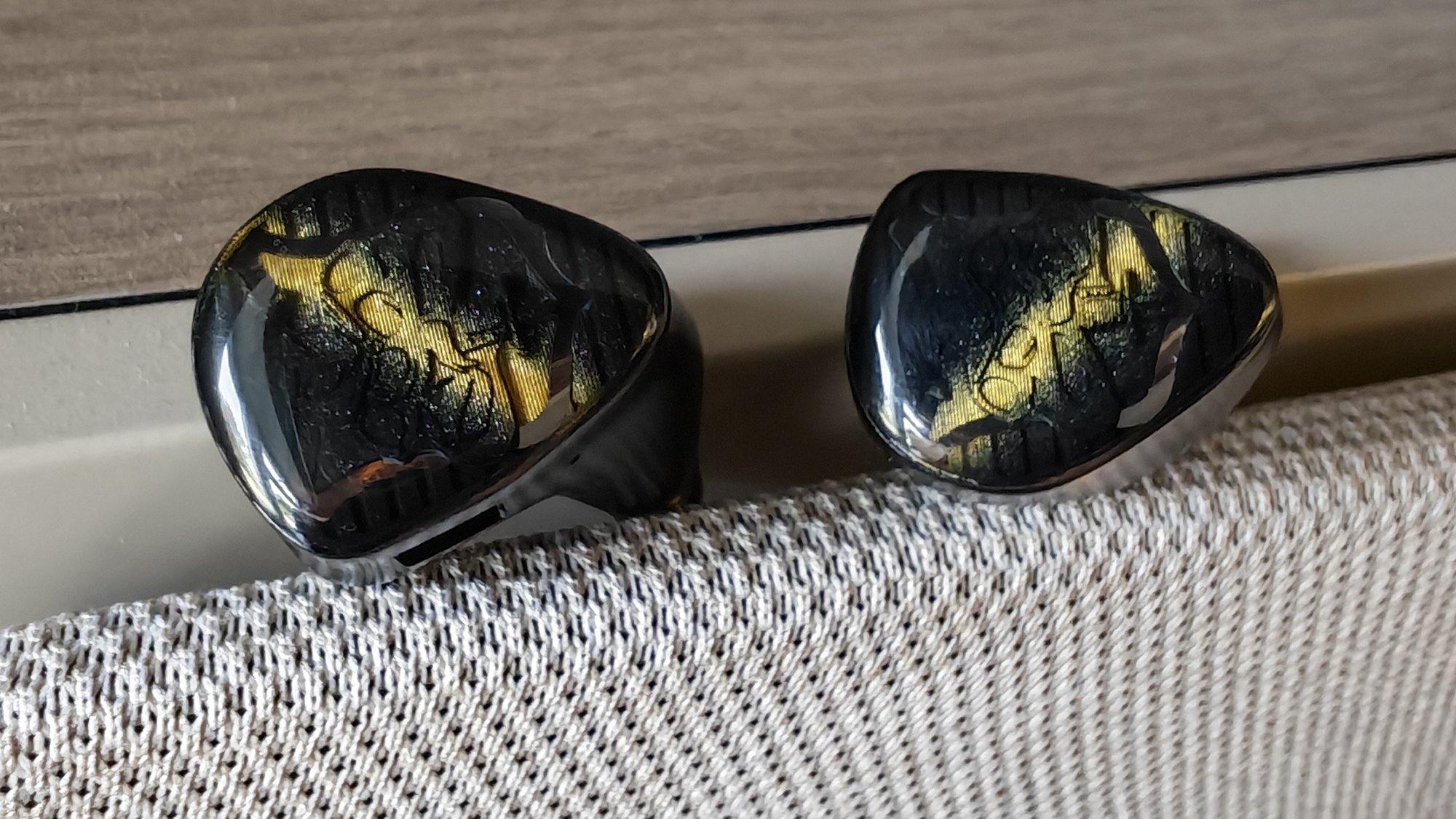
Launched in July 2026, the Noble Vanguard arrives at a price point of $325 (£299). On paper, it boasts a respectable driver configuration: a 10mm PEK (Polyetherketone) dynamic driver paired with two custom-tuned balanced armatures. The construction utilizes CNC-machined aluminum alloy faceplates and DLP 3D-printed resin shells, signaling the premium aesthetic one typically expects from the brand.
Despite these high-quality components, the end result is a sonic experience that feels disjointed, harsh, and fundamentally unrefined. While Noble is known for its "house sound"—often characterized by lush mids and controlled, punchy bass—the Vanguard abandons this legacy in favor of a tuning profile that is, quite frankly, difficult to listen to for extended periods.
Chronology of the Review Process
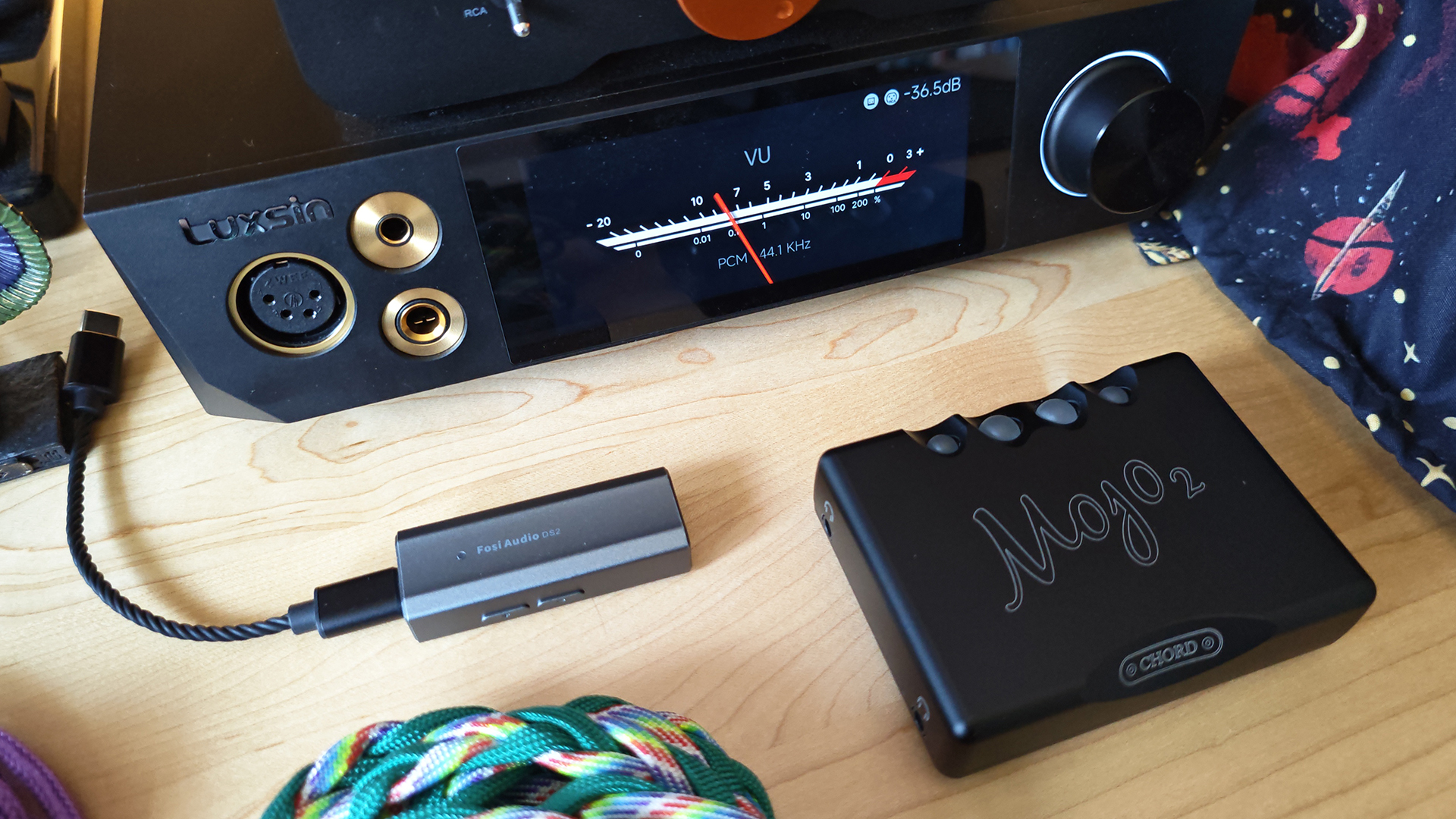
To ensure a rigorous and fair evaluation, the Vanguard was subjected to a multi-week testing period. My evaluation began with a standard break-in period of 48 hours to ensure the drivers were settled. Testing was conducted across a variety of high-fidelity sources, including the Luxsin X8, the Chord Mojo 2, and the Fosi DS2 DAC/amps. For daily usage, I utilized a MacBook Air (M4) and a Denon RCD-M41DAB player, relying on lossless streaming and high-quality CD rips.
The initial listening sessions were marked by immediate confusion. Whether playing complex jazz, vocal-forward folk, or bass-heavy hip-hop, the Vanguard failed to provide a cohesive soundstage. Over the course of several weeks, I returned to the device multiple times, hoping that a change in ear-tip fit or source synergy might reveal a hidden strength. Sadly, the result remained consistent: the Vanguard is a fundamentally flawed acoustic instrument.
Supporting Data: Dissecting the Sound Profile
The "great sin" of the Noble Vanguard is its lack of balance. While I maintain an open mind toward various tuning styles—having recently praised the neutral-forward Juzear Light Shuttle and the energetic Kiwi Ears x HBB Punch—the Vanguard fails to achieve internal consistency.
The Midrange Culprit
A frequency sweep reveals a significant dip in the 300Hz to 800Hz range, followed by a sharp, aggressive peak between 2kHz and 4kHz. In audio terms, this creates a "hollow" lower midrange that strips instruments and vocals of their natural body and warmth. This is then followed by a piercing upper-midrange spike that adds a brittle, metallic edge to the sound. Listening to Erykah Badu’s Other Side of the Game, the opening bass note, which should have weight and impact, sounded thin and strangely synthesized, while the snare drum lacked the expected snap, sounding more like a muted, wet thud.
Bass and Treble Disconnect
The bass is not necessarily absent, but it is entirely neutered by the surrounding frequency response. It lacks the transient weight required to anchor a track. Conversely, the treble is rendered problematic by the over-baked upper-midrange. While there is no shortage of "air," the lack of a proper foundational mid-bass means that high-frequency details become sharp and fatiguing. On bright, master-heavy tracks like Lucinda Williams’ Sweet Old World, the cymbals and tambourine are nearly unlistenable, cutting through the mix with a shrillness that causes immediate ear fatigue.
Implications for the Consumer
At $325, the Vanguard exists in a highly competitive market bracket. Consumers today are spoiled for choice; brands like ZiiGaat and Moondrop offer products that provide coherent tuning, modular cables, and superior ergonomics at or below this price point.
Build and Design Concerns
Beyond the audio, the design choices are equally questionable. The Vanguard features a faceplate aesthetic depicting a medieval warrior, yet the design is so busy and cluttered that it is virtually illegible. While the CNC aluminum construction feels sturdy, the included cable is a standard, non-modular affair. At this price point, a modular cable—allowing for easy swapping between 3.5mm, 2.5mm, and 4.4mm terminations—should be considered a baseline requirement, not an optional luxury.
The $35 Comparison
Perhaps the most damning indictment of the Vanguard is its comparison to the $35 Ooopus Op.22. Despite the massive price disparity, the Op.22 provides two distinct, coherent sound profiles that are objectively more musical and balanced than the Vanguard. The Op.22 manages to offer a well-extended bass response and a natural midrange, proving that "budget" does not have to mean "bad," and conversely, "premium brand" does not always guarantee "premium sound."
Official Responses and Market Positioning
Noble Audio has not yet issued a formal statement regarding the specific tuning choices of the Vanguard. It is possible that the company intended to cater to a very specific niche of "treble-heads" who enjoy a hyper-analytical, sharp sound signature. However, in the broader audiophile community, such a polarizing tuning is rarely viewed as a successful product.
For a company of Noble’s stature, the Vanguard represents an uncharacteristic blunder. It is a product that seems to have been designed by committee, resulting in a series of aesthetic and acoustic compromises that do not coalesce into a unified whole.
Conclusion: A Difficult Recommendation
The Noble Vanguard is the sonic equivalent of a sunburn: painful, persistent, and unnecessary. It is a product that tries to be bold but ends up being abrasive.
If you are a collector looking for a unique piece of design, or if you possess an incredibly specific taste for aggressive upper-midrange peaks, you might find something to enjoy here. However, for the average enthusiast, there are dozens of better ways to spend $325. Whether you prioritize technical performance, musical enjoyment, or value for money, the market is currently flooded with superior alternatives.
My advice is simple: save your ears, save your money, and look elsewhere. The Noble Vanguard is a reminder that even the most esteemed houses can lose their way, and in the world of high-end audio, transparency and balance remain the ultimate measures of success.


 Ali Ikhwan
 Sagoh
Sagoh