Layla Zulfa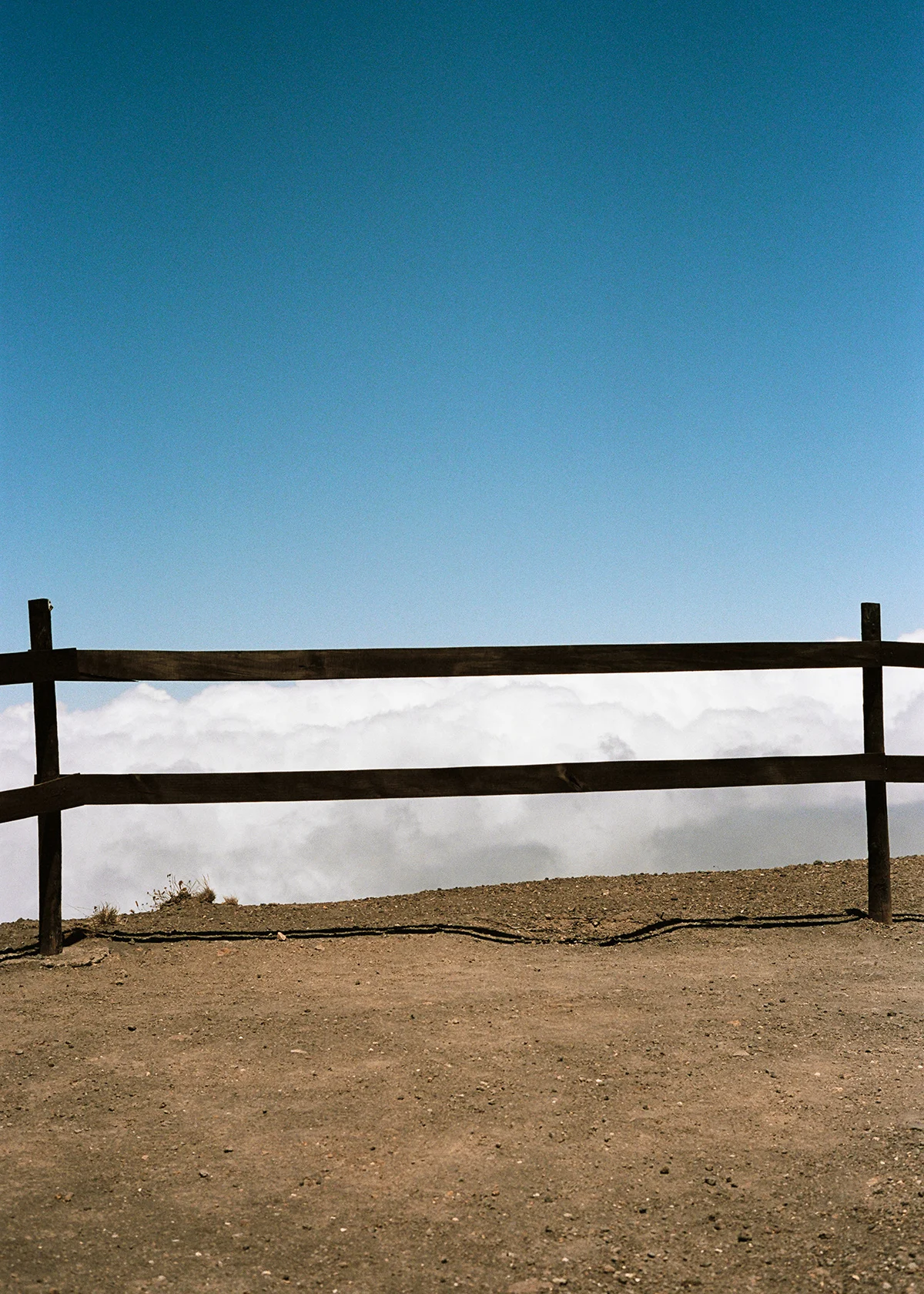
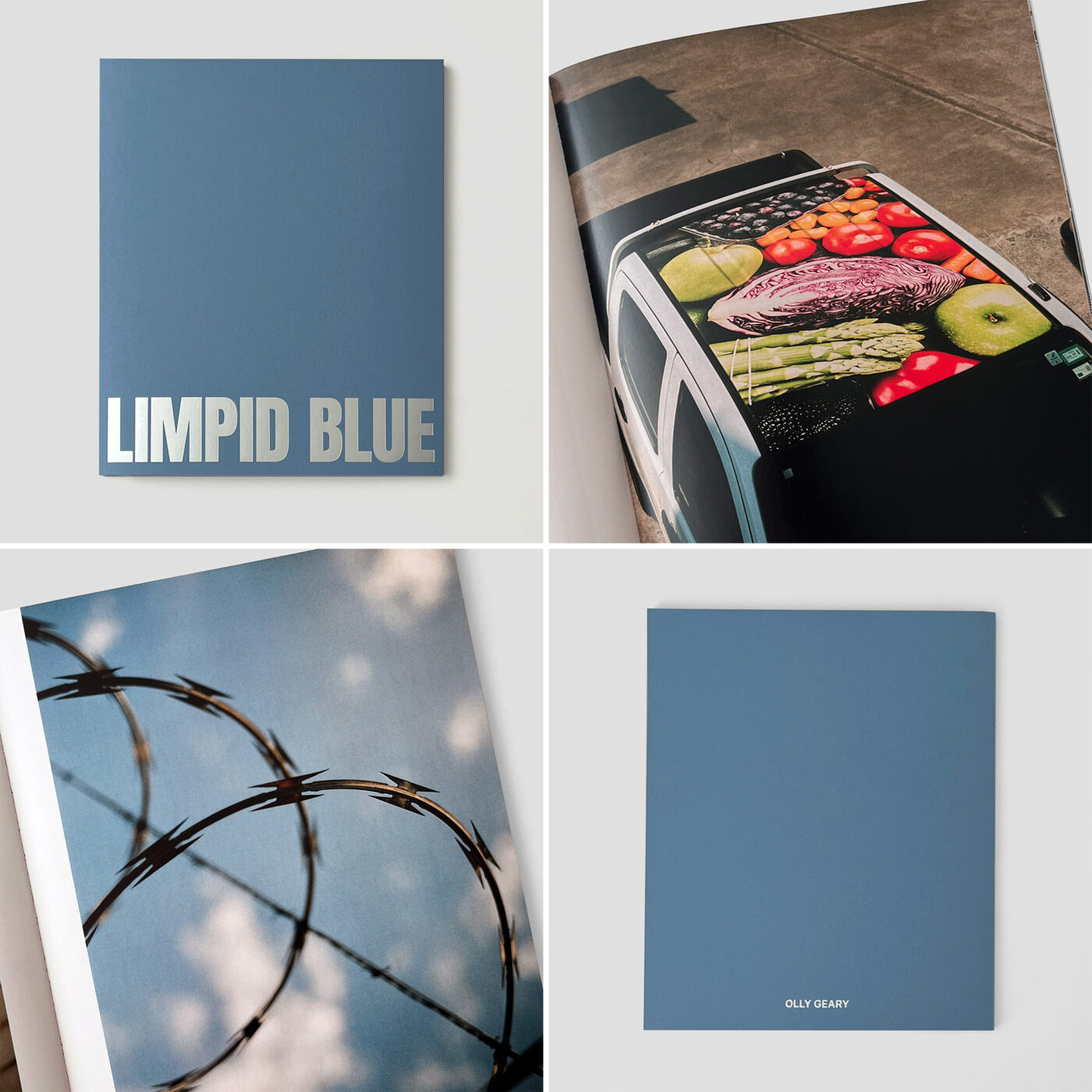
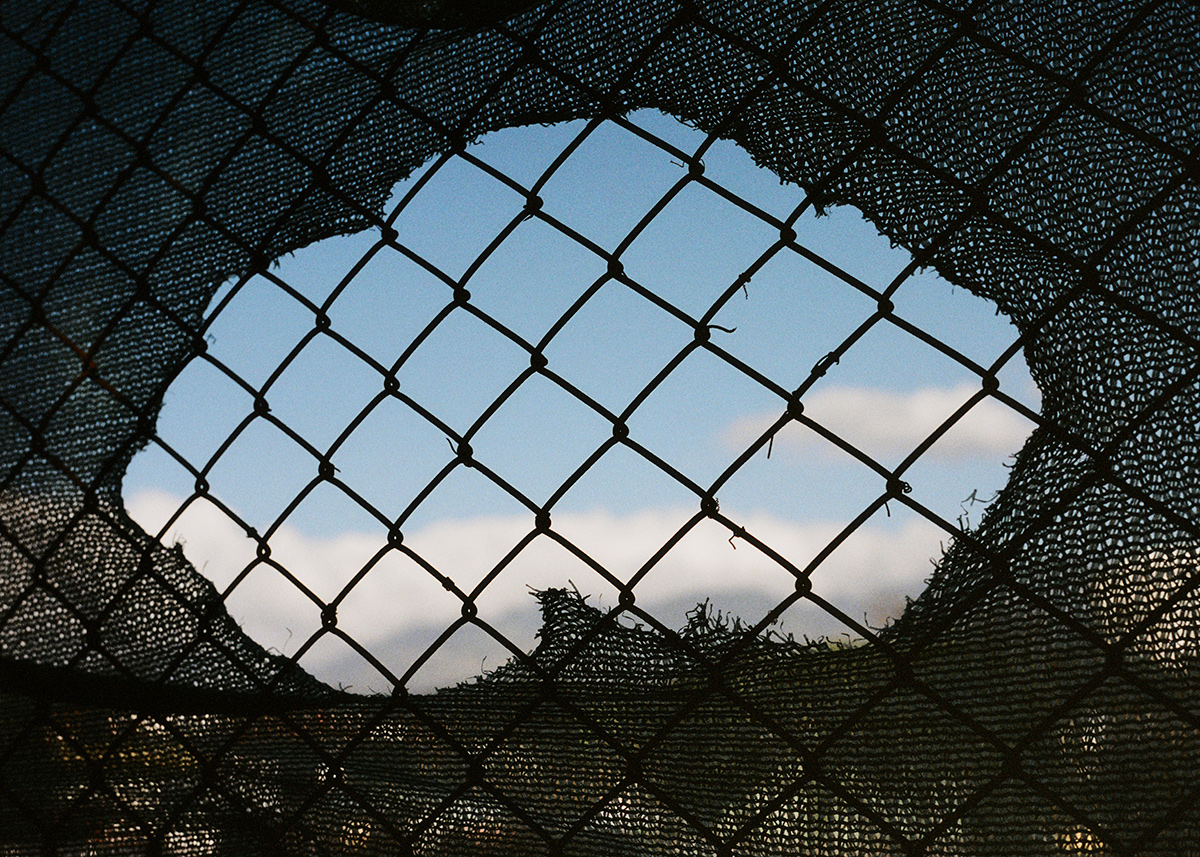
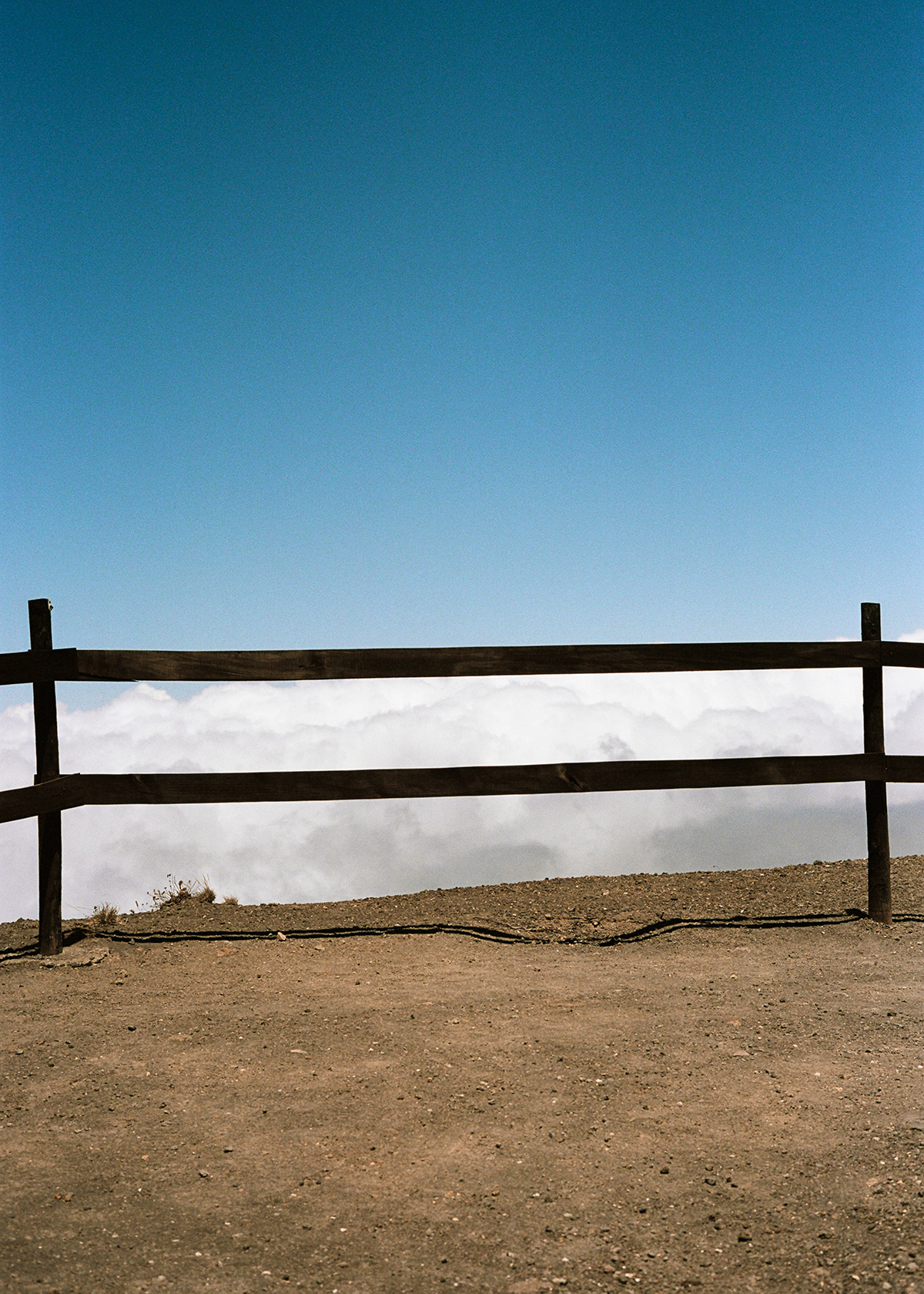
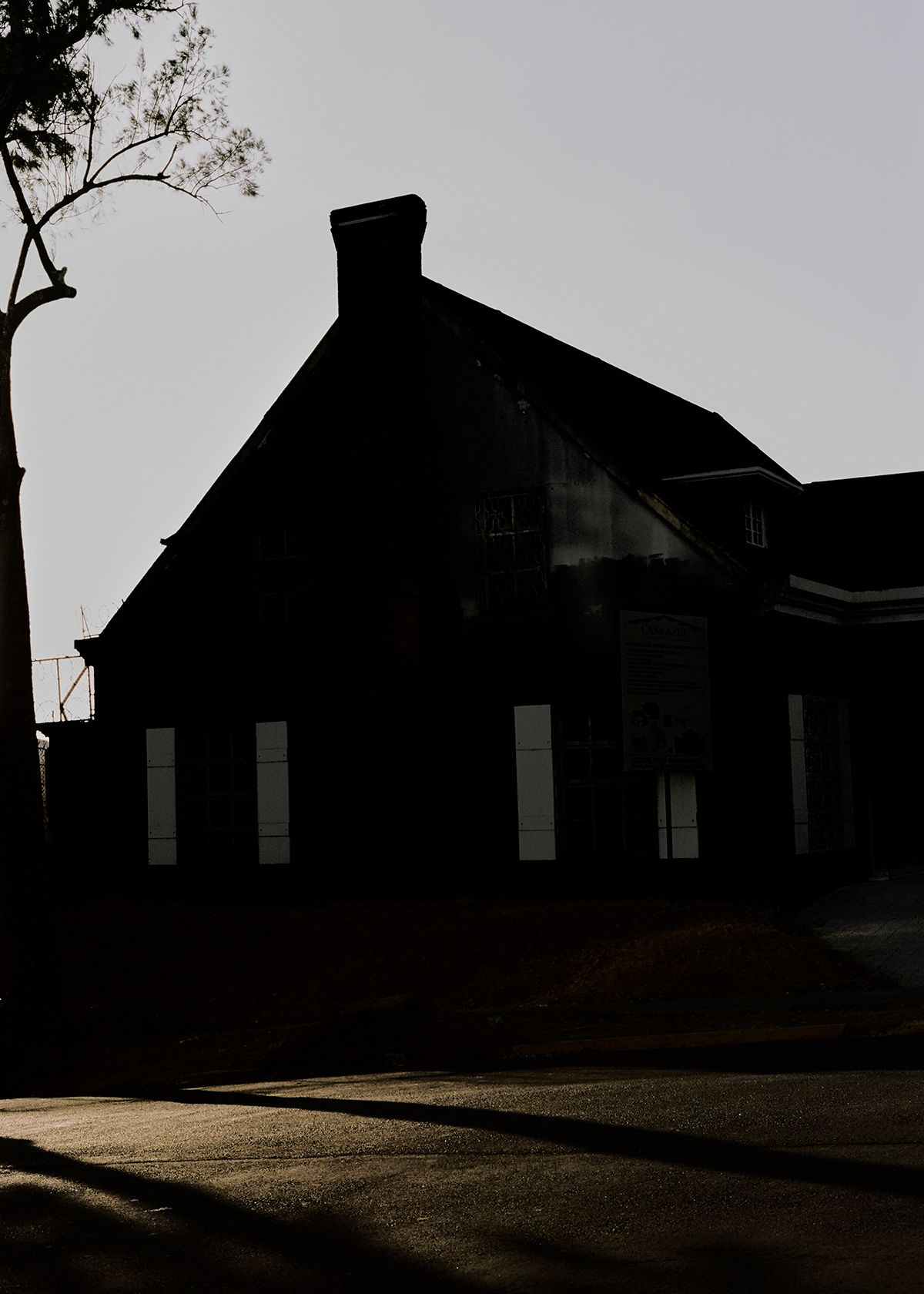
In the heart of San José, Costa Rica, the traditional rules of urban navigation dissolve. Streets lack official names, and house numbers are often mere suggestions. Instead, residents rely on a vibrant, inherited system of landmarks, anecdotes, and oral directions passed down through generations. It is within this fluid, shifting topography that Scottish photographer and director Olly Geary found the inspiration for his latest project, Limpid Blue—a poignant, visual exploration of heritage, displacement, and the geography of memory.
Winner of the 2025 Art & Photo Book Award, Limpid Blue is more than a collection of images; it is a cartographic experiment. By traversing the city without the crutch of GPS, Geary transformed the act of walking into a form of translation, bridging the gap between his Scottish upbringing and his mother’s ancestral homeland.
The Genesis of a Visual Map
The project was conceived during a month-long residency in San José, a city Geary had never visited but felt intrinsically connected to through familial lore. Growing up in a small town in Scotland, Geary’s understanding of his Costa Rican heritage was filtered through the stories of his mother and the occasional distant communication with relatives.
Upon arriving in the capital, Geary quickly realized that the city demanded a different kind of engagement. Without a digital map to dictate his movements, he was forced to adopt the local method of navigation. He began each day at a familiar landmark, allowing curiosity and the city’s inherent rhythms to dictate his path.
"I would spend the day walking around, sometimes in circles or taking wrong turns," Geary explains. "This led to discovering some areas that, as a visitor, I wouldn’t have been aware of. I think what draws me to photography is that it creates curiosity in my approach and enables me to learn from the landscape around me."
This process resulted in a "photographic map"—a series of images interwoven with the very directions shared by his family members during his stay. The resulting book is a tactile dialogue, where the topography of the city becomes synonymous with the history of his own lineage.
Chronology of a Creative Evolution
To understand the depth of Limpid Blue, one must look at the trajectory of Geary’s career. His development as an artist has been marked by a series of pivotal shifts that moved him from the deliberate, slow-paced world of film to the immediate, visceral medium of photography.
Early Influences and the Shift to Stillness
During his time at film school, Geary found himself increasingly drawn to the still image. "The immediacy of photography really stood out to me, especially coming from the slower pace of filmmaking," he recalls. This realization prompted a change in direction that would eventually define his professional identity.
The Itinerant Life
Living and working abroad has served as a cornerstone of Geary’s artistic philosophy. Having transitioned from the quiet landscapes of Scotland to the urban density of the Netherlands, his work has often grappled with the tension between the built environment and the natural world. This experience of "the outsider" became essential when he stepped into the streets of San José.
The Transition to Intentionality
While Geary describes his general approach as instinctual—often carrying a camera and waiting for patterns to emerge—Limpid Blue represents a maturation of his process. It was his first project to emerge from a strictly deliberate, location-focused framework, signaling a new chapter in his career where conceptual mapping takes precedence over spontaneous observation.
The Architecture of Connection: A Familial Collaboration
Limpid Blue is not a solitary endeavor. It is deeply rooted in the collaboration between the photographer and his relatives in Costa Rica. Upon arrival, Geary was hosted by his uncle—a man he had never met in person but with whom he felt an immediate, resonant connection.
The project served as a catalyst for family discourse. His great-uncle provided the foundational directions that anchor the narrative of the book, while his aunt assisted with the translation of the city’s linguistic nuances. These contributions were not merely logistical; they were structural, knitting together threads of family history that had remained frayed or forgotten.
"It was interesting to see how each of them interpreted the project," says Geary. "Small contributions like this helped connect threads in my family that I wasn’t aware of before." In this sense, the book functions as a bridge, transforming the abstract concept of "heritage" into a physical, tangible record.
Supporting Data: The Craft of the Book
The production of Limpid Blue was made possible through the 2025 Art & Photo Book Award, in partnership with Bookmobile. The physical design of the volume was central to Geary’s intent; he wanted the reader to experience the same sense of discovery he felt while navigating the streets.
- Tactile Engagement: The sequence is designed to encourage a physical interaction. The pages must be navigated and unfolded, mimicking the experience of holding a physical map in an unfamiliar city.
- Abstract Sequences: Many images are intentionally abstract, requiring the viewer to pause and decode the visual information, mirroring the confusion and beauty of an unmapped urban space.
- A Lightness of Tone: Despite the weight of history and ancestry, Geary insisted on an element of playfulness, reflecting the overwhelming, chaotic, yet exciting spirit of San José.
Official Responses and Industry Impact
The reception of Limpid Blue highlights a growing interest in photography as a tool for personal geography. By winning the Art & Photo Book Award, Geary has been positioned as a leading voice in contemporary documentary arts.
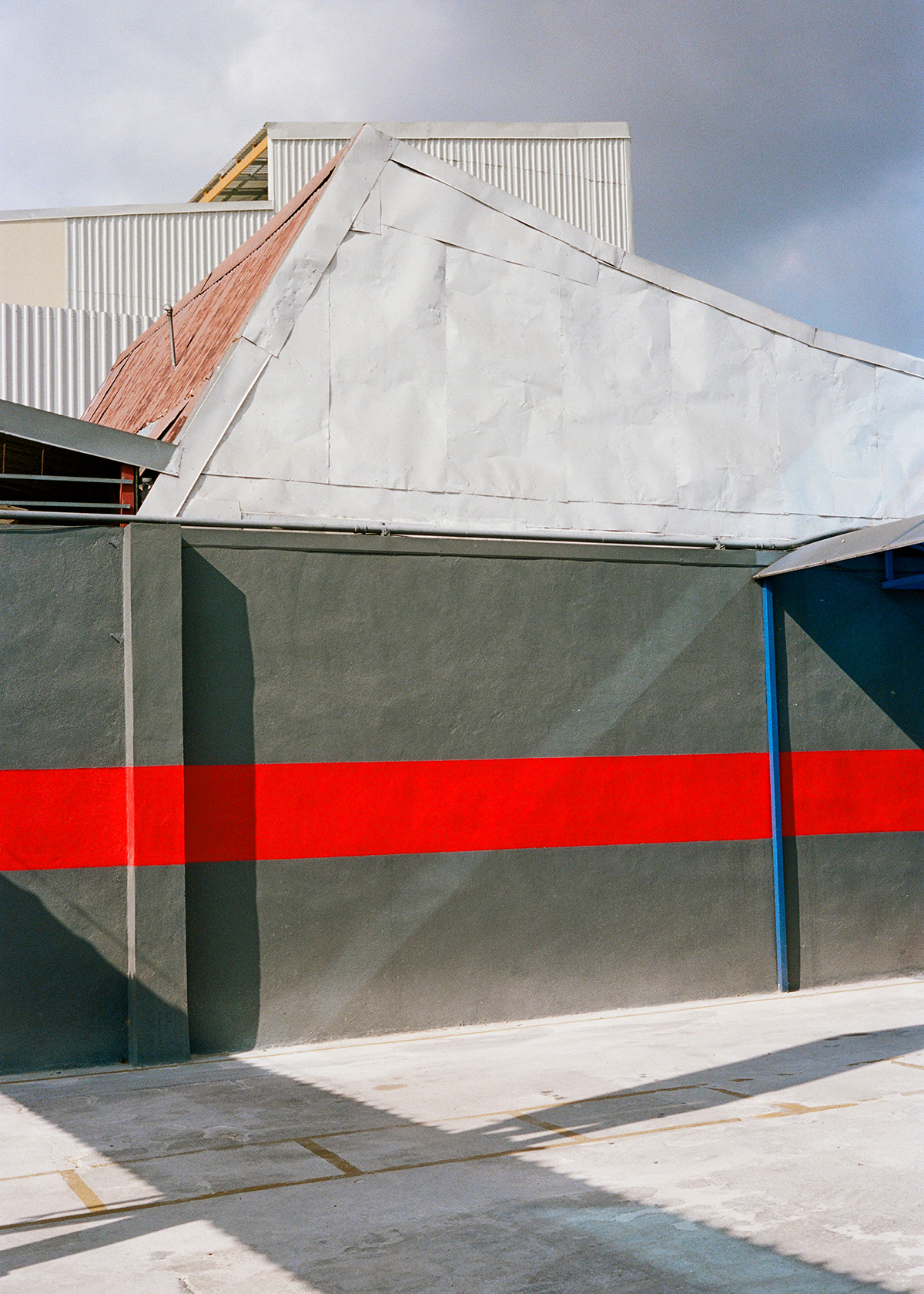
"When working on the sequence, I wanted the viewer to get a sense of being in an unfamiliar place and having to build their own way of looking at the world," Geary notes. Industry critics have praised the project for its ability to balance the personal with the universal. It avoids the tropes of "travel photography" by grounding its narrative in the mundane realities of the local population and the specific, idiosyncratic geography of the city.
Implications for the Future of Practice
Looking ahead, Geary’s ambitions reflect a desire to push his practice further into the realm of long-term, landscape-based storytelling. He is currently looking toward the Scottish Highlands, inspired by the writings of Nan Shepherd.
"I want to spend more time in Scotland and get started on a long-term project there," Geary says. "Having spent time living away from home, I feel that I can go back with a renewed perspective and explore themes around the landscape and culture which weren’t as obvious to me while living there."
The "Make Your Own Luck" Philosophy
When asked about the advice that has sustained him, Geary points to a simple, yet demanding ethos: "Make your own luck." For the aspiring artist, this serves as a reminder that professional success is not a passive event but the result of taking chances, putting work into the public sphere, and continuously seeking out new narratives.
The Role of the Photobook
For Geary, the photobook remains the ultimate destination for his work. "In my opinion, it’s the best way to present photographic work," he states. As he continues his career, his commitment to the printed page as a permanent, curated space for his experiences suggests that his future projects will continue to blend the intimate with the expansive.
Limpid Blue stands as a testament to the power of the medium to act as a bridge across time and space. It confirms that while technology may offer us the shortest route from point A to point B, the most significant discoveries are often made when we abandon the path and choose to map the world on our own terms.
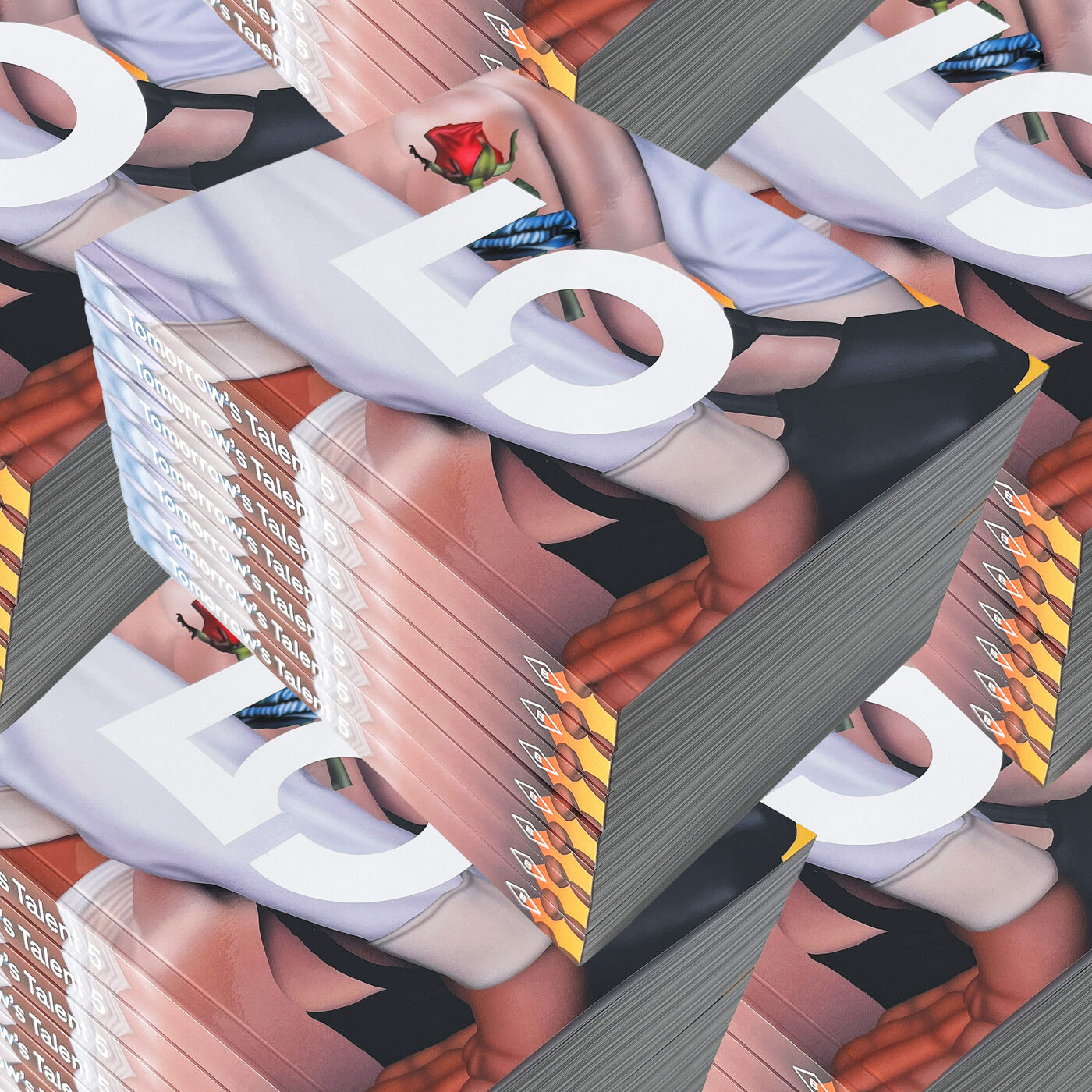
For those interested in exploring the full breadth of Olly Geary’s work, copies of "Limpid Blue" are available via his official shop. Aspiring photographers looking to follow in his footsteps are encouraged to apply for the 2026 Art & Photo Book Awards.


 Lina Irawan
 Nana Wu