

In the heart of Gifu Prefecture lies a geological marvel that defies the conventional wisdom of high-altitude mountaineering. Mount Norikura, a massive volcanic complex standing at the southernmost tip of the Northern Alps, offers a rare opportunity for casual hikers and nature enthusiasts to stand atop a 3,000-meter-class peak without the need for specialized equipment, ropes, or years of alpine training.

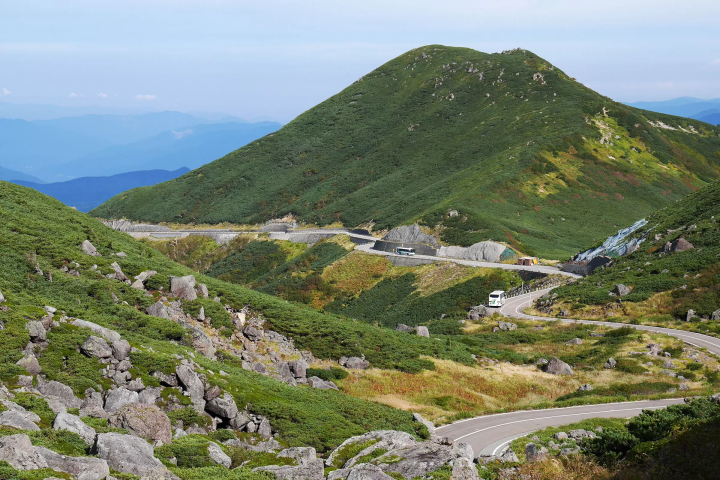
As Japan increasingly seeks to balance tourism with environmental stewardship, Mount Norikura serves as a model for "accessible wilderness." By utilizing the Norikura Skyline—a restricted mountain road—visitors are transported from the lush, temperate foothills of Hida Takayama directly into the rarefied, oxygen-thin air of the alpine zone.
Main Facts: The Anatomy of a Volcanic Giant
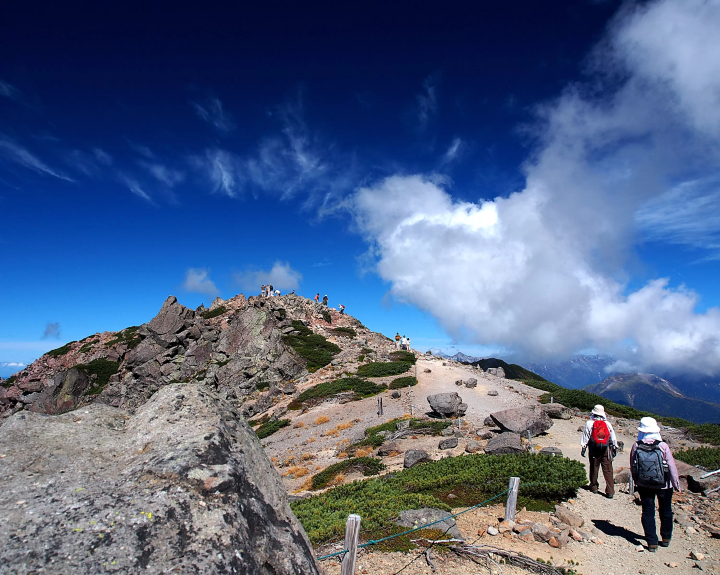
Mount Norikura is not a singular peak, but a sprawling volcanic massif comprising 23 distinct summits, seven glacial lakes, and eight vast alpine plains. Its highest point, Kengamine, reaches an elevation of 3,026 meters.
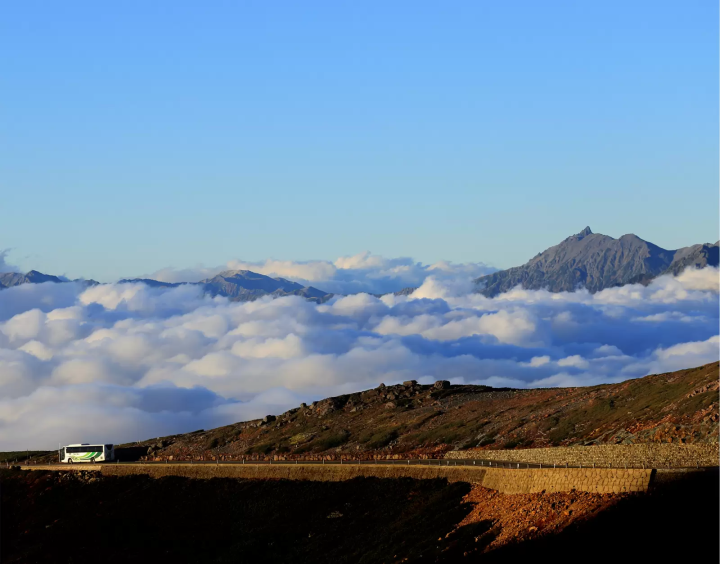
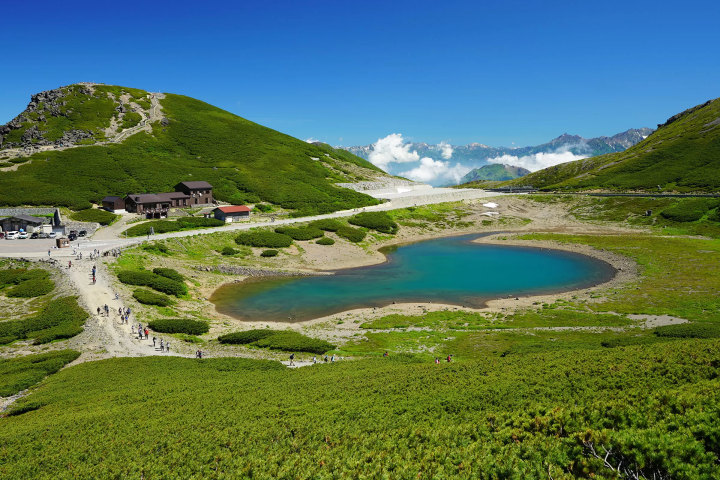
Unlike many of Japan’s more rugged peaks that require strenuous multi-day treks, the Tatamidaira Bus Terminal serves as a gateway to the clouds at an altitude of 2,702 meters. This makes the mountain an unparalleled destination for those who wish to experience the stark, haunting beauty of Japan’s high-altitude environments.

Key Geographical Features:
- Elevation: 3,026m (Kengamine Peak).
- Accessibility: Accessible via the Norikura Skyline/Echoline, the highest road in Japan.
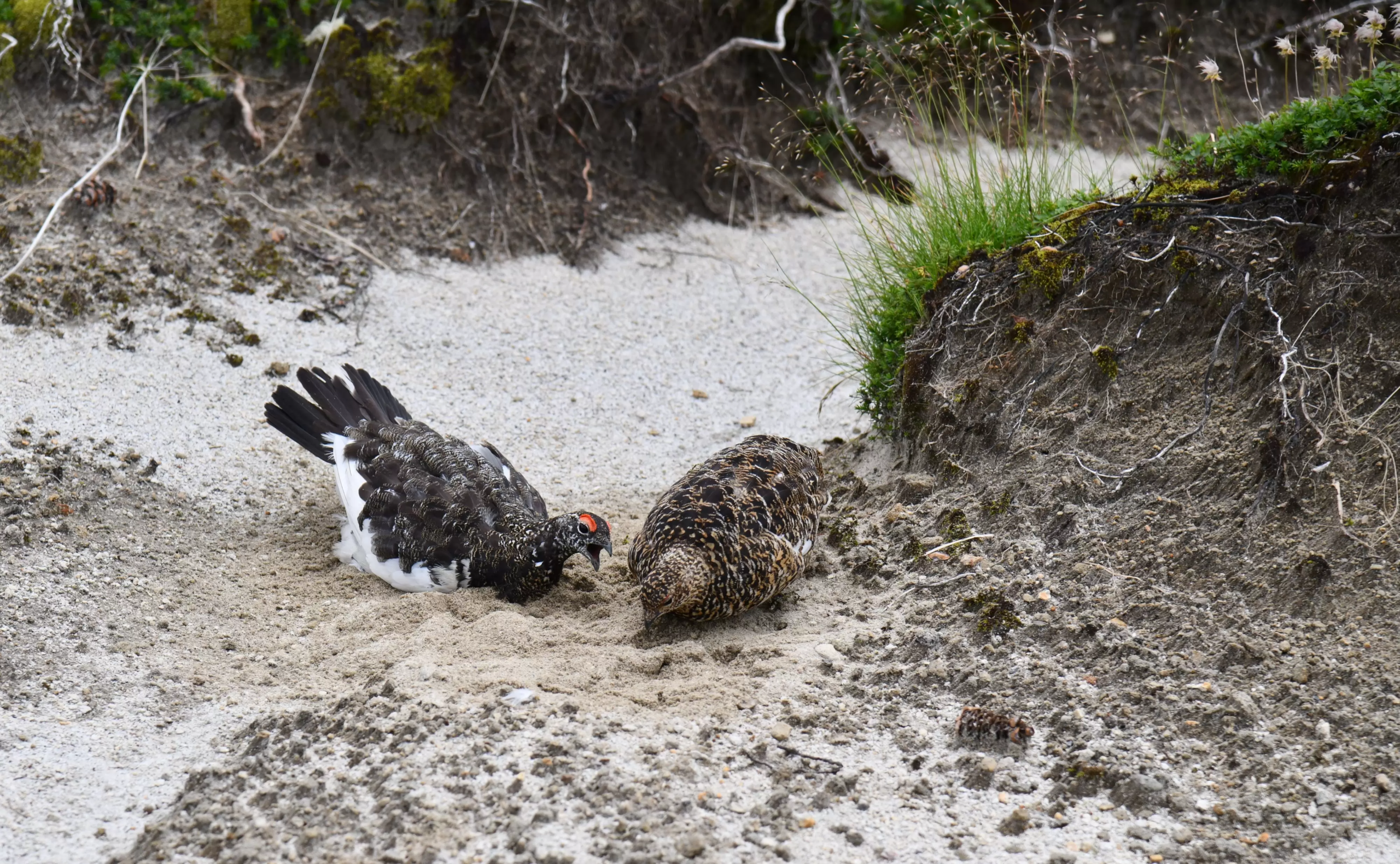
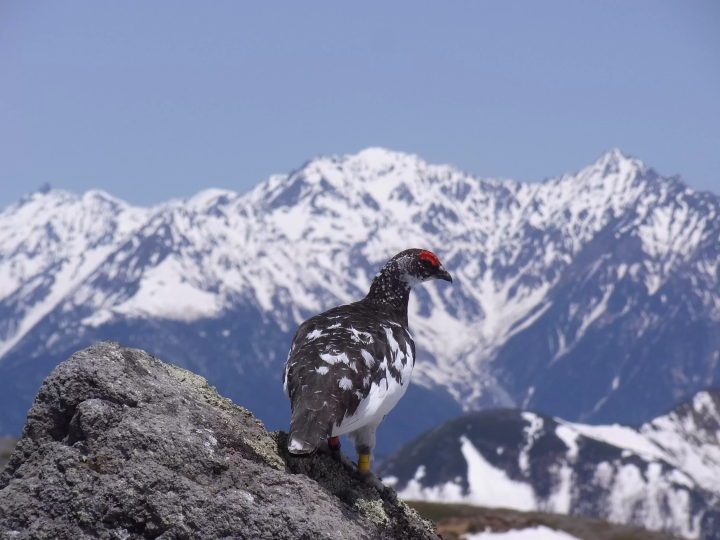
- Environment: A protected alpine ecosystem home to rare flora and fauna, including the endangered Japanese Ptarmigan.
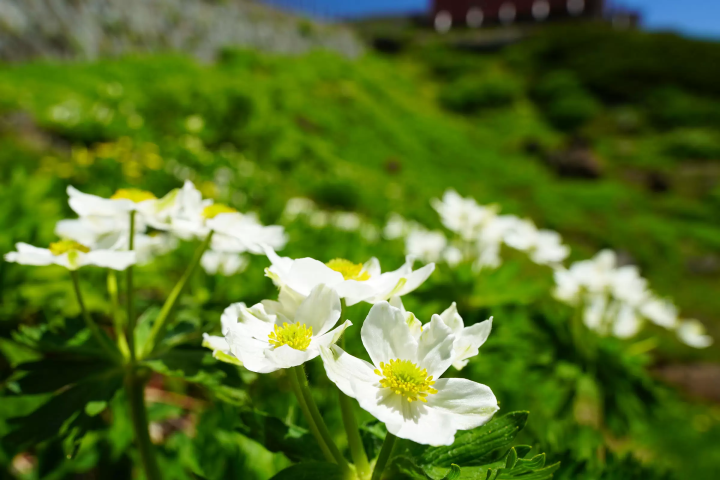
- Seasonality: The region is open for exploration from mid-May through October, with peak alpine flower blooms occurring between July and August.
A Chronological Perspective: From Sacred Ground to Modern Sanctuary
The history of Mount Norikura is deeply rooted in Japanese mountain worship, or sangaku shinko. For centuries, the mountain was considered a divine entity, a sacred space where the human world met the celestial.
- Ancient Period: Local pilgrims ascended the mountain to pay respects to the spirits residing in the peaks, establishing the Norikura Hongu Shrine. Even today, the shrine maintains a presence at the summit of Kengamine and at the Nakanosha location near the bus terminal.
- Modern Era: The construction of the Norikura Skyline in the mid-20th century transformed the mountain from an exclusive domain of elite mountaineers into a public asset.
- The Environmental Shift: To protect the delicate alpine ecosystem, private vehicle access was eventually prohibited. This pivotal policy change ensured that the mountain’s fragile tundra—home to over 50 species of rare alpine plants—would not be overwhelmed by traffic, effectively turning the mountain into a controlled, eco-friendly tourism hub.
Supporting Data: Why Norikura is a Mountaineer’s Paradox
For those unfamiliar with Japanese geography, the "3,000-meter" designation usually signals a high-risk environment. However, Norikura subverts this trend.
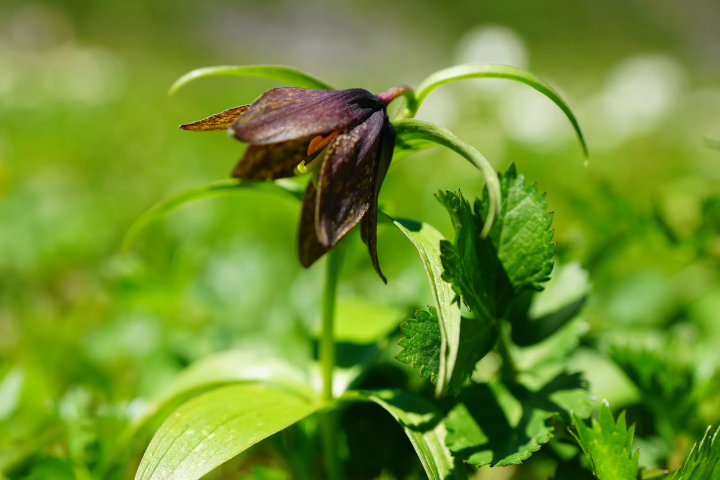
Trekking Difficulty Levels
Whether you are a seasoned hiker or a family with children, the mountain provides a tiered experience:
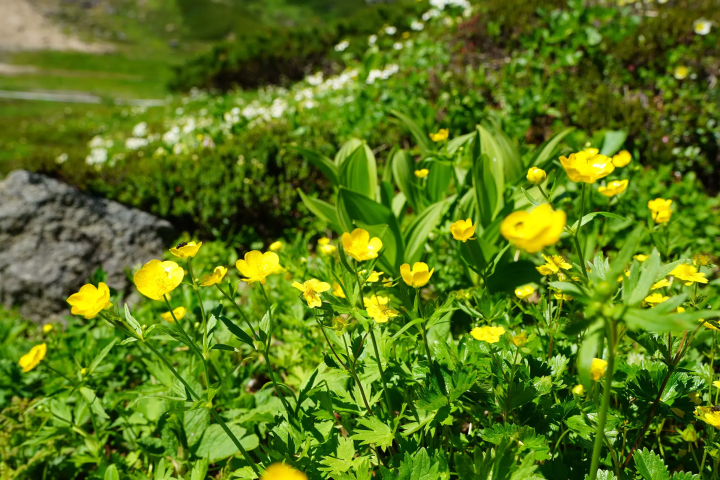
- Easy (30–40 mins): Trails such as the flower-filled boardwalks and the path to the reflective ponds offer gentle terrain suitable for all ages.
- Medium (60–90 mins): Routes that provide panoramic views of the Northern Alps and the remnants of snowfields at Kiezugaike.
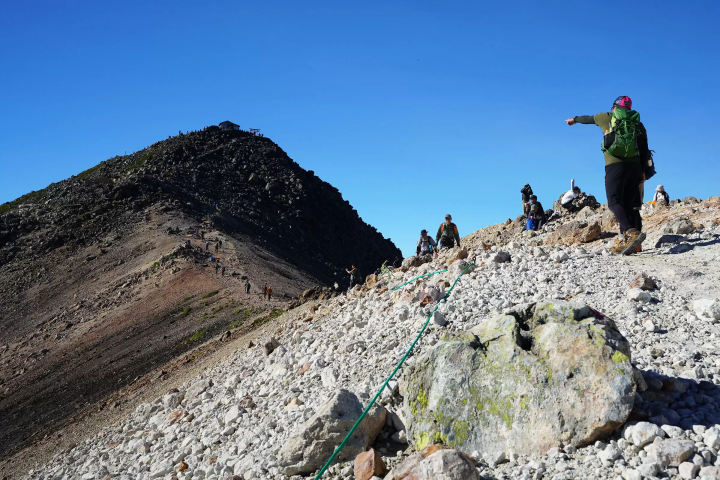
- Hard (3 hours round trip): The ascent to Kengamine. While classified as "hard," it is technically a non-technical hike that rewards the intrepid with views of Mount Fuji on clear days.
Accessibility Statistics
- Bus Service: Approximately 8 round trips per day depart from the Takayama Nohi Bus Center.
- Cost: A round-trip ticket is priced at 5,700 yen for adults, with half-price fares for children.
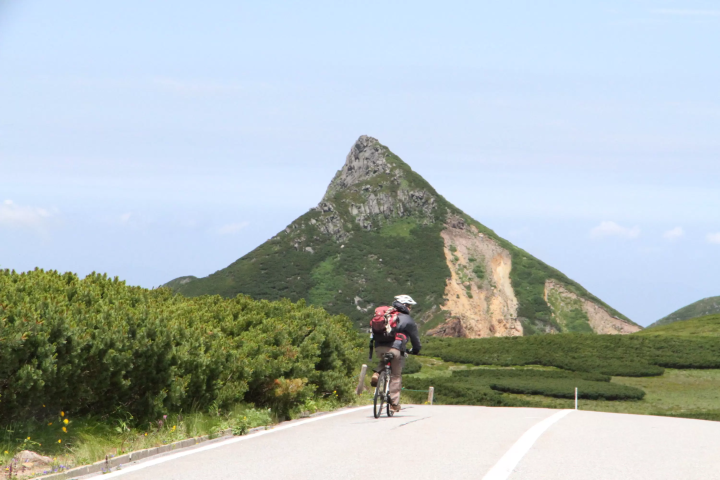
- Cycling: The Norikura Skyline and Echoline are revered as the "highest cycling roads in Japan," drawing cyclists from across the globe who dream of conquering the grueling, high-altitude climb.
Official Perspectives and Environmental Stewardship
The management of Mount Norikura is a collaborative effort between local government, environmental agencies, and the Ministry of the Environment.
Protecting the Japanese Ptarmigan
A primary concern for local authorities is the protection of the Japanese Ptarmigan (raicho). Once widespread, this bird is now a designated endangered species. Local rangers and the Ministry of the Environment emphasize that the ptarmigan is a "living fossil" of the Ice Age.
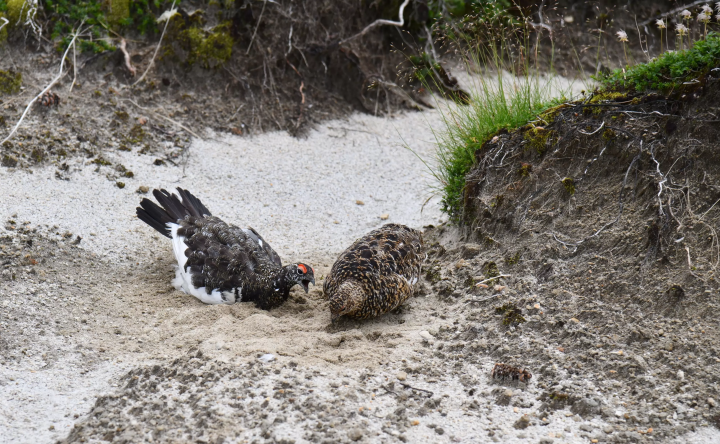
Official Guidelines for Wildlife Observation:
- Maintain Distance: A minimum of 5 meters must be kept from any bird sighting.
- Minimize Noise: Disruptive behavior in the habitat zone is strictly prohibited.
- Foggy Days: Visitors are advised that these birds are more likely to appear during foggy, cooler weather; patience and silence are the best tools for observation.
The Goshuin Tradition
The Norikura Hongu Shrine encourages visitors to participate in the tradition of goshuin—the collection of vermilion-stamped calligraphy as proof of pilgrimage. This practice bridges the gap between modern tourism and ancient religious tradition, allowing visitors to take home a physical, artistic memento of their journey to the summit.
Implications: The Future of High-Altitude Tourism
The success of the Mount Norikura model has significant implications for Japanese tourism policy. By restricting private cars and utilizing efficient, high-frequency bus transport, the region has successfully minimized its carbon footprint while maximizing visitor satisfaction.

Staying the Night: A Deeper Connection
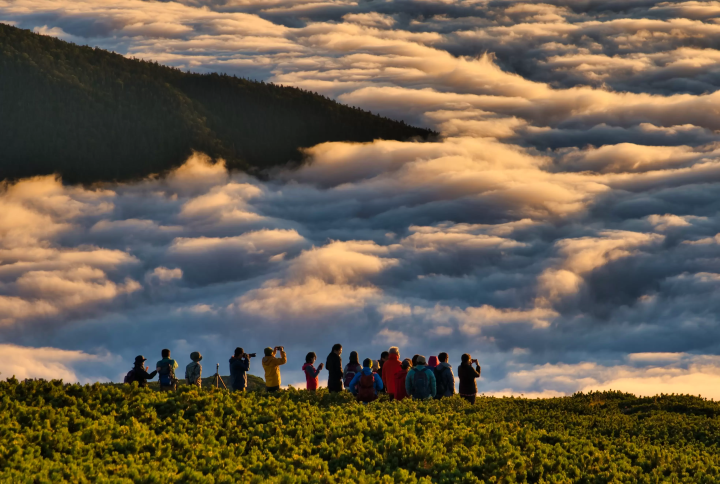
For those who wish to go beyond a day trip, mountain lodges such as Ginreiso, Norikura Hakuunso, and Katanokoya provide basic but essential accommodations. Staying overnight is the only way to witness the true majesty of the Norikura experience: the starlit canopy of the high Alps and the ethereal, golden sunrise over the peaks.
Economic and Cultural Impact
The Hida Takayama region benefits immensely from the draw of Mount Norikura. As a hub for the World Heritage site of Shirakawa-go, the Shinhotaka Ropeway, and the hot springs of Gero Onsen, the inclusion of a 3,000-meter peak in the local itinerary creates a diverse tourism portfolio. It encourages longer stays, allowing international and domestic travelers to experience both the culture of traditional Japanese towns and the raw power of the high mountains.

Final Thoughts for the Traveler
Mount Norikura is more than just a destination; it is an invitation to engage with the natural world at a height usually reserved for the expert. Whether you are seeking the tranquility of a high-altitude pond, the challenge of reaching the Kengamine summit, or a moment of reflection at the Norikura Hongu Shrine, the mountain offers a profound sense of scale and serenity.
As the 2026 season approaches, visitors are encouraged to plan ahead, check the weather-dependent bus schedules, and approach the mountain with a spirit of conservation. In a world where wild spaces are increasingly retreating, Mount Norikura stands as a rare, accessible monument to the enduring power and beauty of the Japanese Alps.
Practical Information for Your Visit:
- Inquiries: Contact the Norikura Natural Environment Information Center at 090-8671-3191.
- Transport: Book tickets at the Takayama Nohi Bus Center. Transfers are required at the Honokidaira bus stop.
- Safety Note: Even in summer, the temperature at 3,000 meters can drop significantly. Always bring appropriate layers, sturdy footwear, and rain gear.
- Digital Resources: For updated multilingual information, visit the official Norikura Skyline website.











