

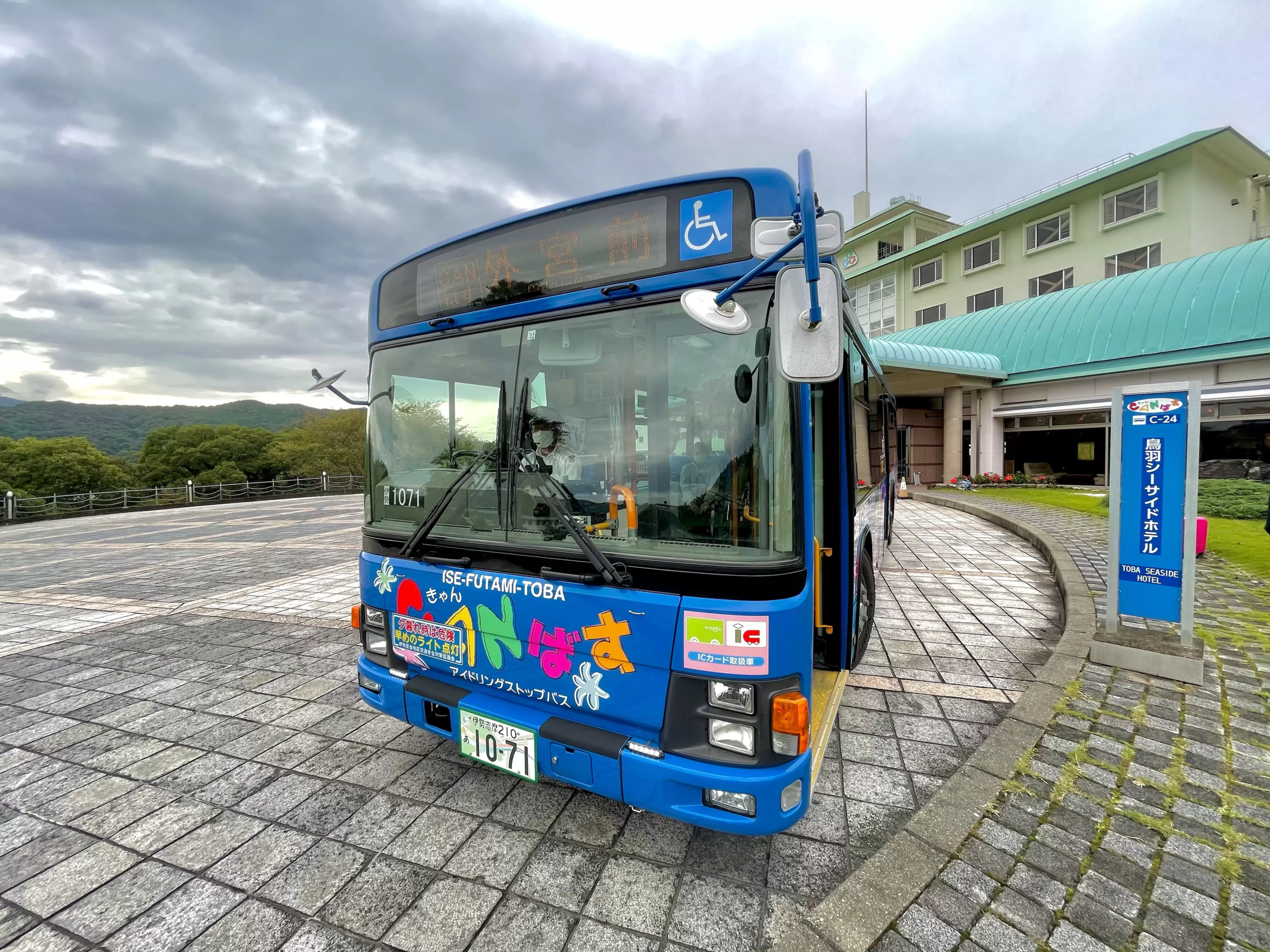
For travelers visiting the spiritual heart of Japan, the journey is often as significant as the destination. Navigating the scenic yet complex topography of the Ise-Shima region can be daunting for international and domestic tourists alike. However, a specialized transport solution—the Mie Kotsu "CAN Bus"—has emerged as the premier method for guests staying at the Toba Seaside Hotel to reach the sacred precincts of Ise Jingu and the iconic Futami Meoto Iwa (Wedded Rocks) without the logistical friction of multi-modal transfers.
Main Facts: The CAN Bus Convenience
The CAN Bus is a dedicated tourist-oriented route bus operated by Mie Kotsu, specifically designed to bridge the gap between popular coastal accommodations in Toba and the region’s most revered cultural sites. Unlike standard public transit, which often requires complex train-to-bus transfers, the CAN Bus provides a direct line of sight from the hotel’s doorstep to the gates of the Ise Jingu Inner Shrine (Naiku).
Key Service Highlights:
- Direct Connectivity: A seamless, no-transfer journey from the Toba Seaside Hotel.
- Strategic Departure: The service operates one daily departure at 9:57 AM, perfectly timed for morning sightseeing.
- Capacity and Comfort: As the route originates at the hotel, passengers are virtually guaranteed a seat, mitigating the stress of standing during the one-hour transit.
- Logistical Ease: The bus is designed to accommodate travelers with luggage, removing the physical burden of navigating station platforms and train turnstiles.
- Modern Amenities: Each vehicle is equipped with free onboard Wi-Fi, allowing travelers to research their destination or share their journey in real-time.
Chronology of a Morning Transit
To optimize a day trip to Ise, understanding the rhythm of the transit is essential.
9:30 AM – Preparation: Guests are encouraged to gather in the lobby of the Toba Seaside Hotel. The bus stop is conveniently located immediately to the left of the hotel’s main entrance; look for the distinct blue signage.
9:45 AM – Arrival: The bus typically arrives at the hotel stop shortly before the 9:57 AM departure. This provides ample time for boarding and securing luggage.

9:57 AM – Departure: The bus pulls away from the Toba Seaside Hotel. Passengers enter through the rear doors and exit through the front.
10:22 AM – Futami Meoto Iwa: After approximately 25 minutes, the bus reaches the Futami area, home to the famous Wedded Rocks—a site of great aesthetic and spiritual significance.
10:57 AM – Ise Jingu Naiku: After approximately 60 minutes of travel, passengers arrive at the Inner Shrine of Ise Jingu. This timing allows for a full afternoon of exploration before the evening return.
Supporting Data: Economic and Practical Efficiency
One of the most compelling aspects of the CAN Bus is its cost-effectiveness. For travelers planning a multi-stop itinerary, the "one-day pass" option is vastly superior to paying individual fares.
Fare Analysis
The standard fare from Toba Seaside Hotel to Ise Jingu Naiku is 1,150 yen for adults. Adding a subsequent trip from Naiku to Kintetsu Isuzugawa Station adds 300 yen, bringing the subtotal to 1,450 yen. By contrast, the one-day pass is priced at only 1,300 yen, providing an immediate 150-yen saving, excluding any additional travel to Geku or Futami.

Comparative Cost Table
| Route Segment | Standard Fare (Adult) |
|---|---|
| Toba Seaside Hotel to Ise Jingu Naiku | 1,150 JPY |
| Ise Jingu Naiku to Kintetsu Isuzugawa Station | 300 JPY |
| Ise Jingu Naiku to Ise Jingu Geku/Ujiyamada | 520 JPY |
| Total (Standard) | 1,450+ JPY |
| One-Day Pass | 1,300 JPY |
Note: Children travel at half the adult rate. Payment is settled via cash or major Japanese transportation IC cards upon disembarking.
Official Perspectives: The Mie Kotsu Strategy
The Mie Kotsu Group, a titan in the region’s infrastructure and tourism sector, views the CAN Bus as a vital component of the "Ise-Shima Experience." By integrating transit with local tourism promotion, they aim to simplify the traveler’s journey while highlighting the cultural assets of the prefecture.
"Through our transportation and tourism businesses, the Mie Kotsu Group connects the attractions of Mie—such as Ise Shrine, the nature of Ise-Shima, and local culinary delights like Matsusaka beef," a company representative stated. Their strategy is rooted in the belief that when travel is comfortable and predictable, tourists are more likely to engage with peripheral attractions, such as the Jingu Chokokan, the Okageza Myth Museum, and Ise Sea Paradise.
Furthermore, the CAN Bus pass is not merely a ticket; it functions as a discount voucher for various regional facilities. This creates a symbiotic relationship between the transit provider and local businesses, encouraging longer stays and increased foot traffic at secondary historical sites.
Implications for the Modern Traveler
The shift toward "hassle-free" tourism is a direct response to the increasing demand for sustainable and stress-free travel in Japan. For the international tourist, the CAN Bus eliminates the "barrier of confusion" that often accompanies navigating Japan’s complex rail network.

Why this matters:
- Reduced Carbon Footprint: By consolidating tourist travel into a single, efficient bus route, the necessity for individual car rentals or taxis is reduced.
- Cultural Immersion: Rather than navigating underground train tunnels, the bus route traverses the scenic coastal landscape of Mie, providing a visual narrative of the region’s geography.
- Time Optimization: By eliminating the stress of train transfers and baggage management, the tourist arrives at the sacred site of Ise Jingu with a clearer, more contemplative mindset—an essential component of a pilgrimage.
Practical Advice for Future Passengers
Before embarking, travelers should note that the bus operates on a fixed daily schedule. Punctuality is encouraged, as the 9:57 AM departure is the singular opportunity for this direct service from the hotel.
- Payment Logistics: If paying by cash, ensure you take a "numbered ticket" upon boarding; this is vital for the driver to calculate your fare accurately at the destination.
- Stay Informed: Because seasonal schedules, service availability, and pricing are subject to change, travelers are strongly advised to check the official Mie Kotsu website prior to departure.
- Accessibility: The service is available to all guests, not exclusively those at the Toba Seaside Hotel, making it an excellent resource for anyone in the vicinity of the hotel stop.
As Japan continues to see a surge in tourism, the Mie Kotsu CAN Bus serves as a model for how regional transit can enhance, rather than hinder, the traveler’s experience. By prioritizing ease of use and economic value, the service ensures that the focus remains where it should be: on the beauty and history of the Ise-Shima region. Whether you are a first-time visitor or a seasoned traveler, this direct route represents the most logical, comfortable, and cost-effective way to pay your respects at Ise Jingu.












No comments yet. Be the first to join the conversation!