

TOKYO, Japan – Sega Sammy Holdings, the venerable Japanese entertainment conglomerate, has announced a significant strategic pivot following a challenging fiscal year marked by substantial impairment losses. The company reported a net loss of ¥5.7 billion (approximately $31.6 million USD) for the year ending March 31, 2026, primarily driven by underperforming acquisitions, specifically a $200 million impairment loss related to its 2023 acquisition of mobile gaming giant Rovio Entertainment, alongside additional losses from online casino game developer Stakelogic, acquired in 2024.
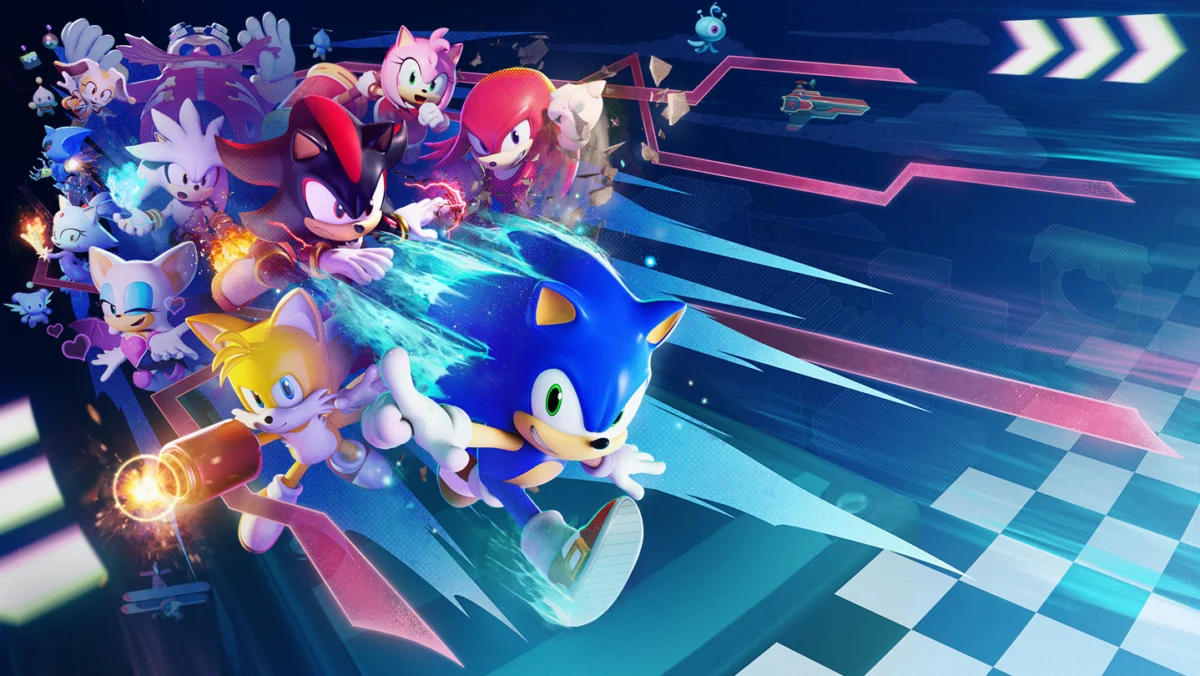
In response to these financial setbacks and a "soft" performance in its entertainment contents division, Sega is recalibrating its development priorities. The company will now reduce its focus on free-to-play (F2P) titles and reallocate more than 100 developers from this segment to bolster its full game development efforts, concentrating on its established and beloved flagship intellectual properties (IPs). This move signals a return to core strengths, aiming to leverage the enduring appeal of franchises like Sonic the Hedgehog, Persona, and Football Manager. Further underlining this strategic shift, Sega has also announced the cancellation of its ambitious "Super Game" project, an initiative once envisioned as a multi-billion-dollar "online AAA global hit."
Main Facts: A Challenging Fiscal Year Prompts Strategic Overhaul
Sega Sammy Holdings’ financial results for the fiscal year ended March 31, 2026, painted a mixed picture. While the conglomerate saw an overall increase in net sales by 13.6%, its core entertainment contents division, which includes video games, experienced a notable decline in operating income. This figure dropped from ¥40.8 billion ($259 million USD) in the previous fiscal year to ¥32.4 billion ($205.5 million USD). The primary catalyst for this downturn was a hefty $200 million impairment loss recorded for Rovio Entertainment during the third quarter, a clear indicator that the integration and performance of the Angry Birds creator have not met Sega’s initial expectations. The acquisition of Stakelogic in 2024 also contributed to these significant impairment losses, pushing the company into an overall net loss.
The "soft" performance of the entertainment contents division saw sales increase by a modest 1.5% to ¥326.6 billion ($2.07 billion USD). Within this segment, full game sales experienced a 12% decline, settling at ¥67.2 billion ($426 million USD), despite the release of new titles such as Sonic Racing: CrossWorlds and Football Manager 26. Sega attributed this decline to the underperformance of certain new releases, weaker-than-anticipated results from existing mainstay titles, and delays in launching new games from Rovio.
Conversely, revenue from free-to-play titles saw a 14% increase, reaching ¥53.7 billion ($341.1 million USD), buoyed by new entries like Persona 5: The Phantom X and Sonic Rumble Party. However, even within this growth area, there were significant disappointments. Sonic Rumble Party, in particular, was noted for its underperformance and its failure to generate expected economic value, especially in its intended collaboration with Rovio.
In a move that underscores the company’s shift away from speculative, high-cost projects, Sega confirmed the cancellation of its much-touted "Super Game" project. First announced in 2021 with an ambitious vision to create an "online AAA global hit" and an estimated investment of nearly $1 billion in development resources and acquisitions, the project will incur no additional costs from its termination, according to the company. This decision frees up significant resources and developer talent, which will now be directed towards more immediate and strategically aligned goals.
The new strategy will see Sega significantly reduce the priority placed on free-to-play games, reassigning over 100 developers from this sector to focus on full game development. This substantial reallocation aims to strengthen Sega’s core intellectual properties and deliver more robust, premium gaming experiences. While Rovio is still expected to contribute to Sega’s overall games-as-a-service (GaaS) strategy, the mobile developer has been instructed to prioritize its "own restructuring first," indicating ongoing internal challenges within the subsidiary.
Chronology: A Path of Acquisitions, Ambitions, and Adjustments
Sega Sammy Holdings’ recent financial performance and strategic recalibration are the culmination of several key events and decisions made over the past few years.
2021: The "Super Game" Ambition Takes Shape
The journey began with high aspirations in 2021 when Sega first unveiled its "Super Game" initiative. This ambitious project aimed to develop a "major global title" – an online, AAA experience that would redefine the company’s standing in the international gaming market. Sega publicly stated its willingness to invest nearly $1 billion USD in internal development and strategic acquisitions to achieve this goal, signaling a bold intent to compete at the highest echelons of the industry. The vision was grand, encompassing cutting-edge technology, innovative gameplay, and a truly global reach.
2023: The Rovio Acquisition – A Mobile Bet
In April 2023, Sega finalized its acquisition of Rovio Entertainment, the Finnish developer behind the iconic Angry Birds franchise, for approximately $776 million USD. This move was a clear signal of Sega’s intent to significantly expand its footprint in the lucrative mobile free-to-play market. At the time, the acquisition was framed as a strategic necessity to enhance Sega’s global mobile gaming expertise and to leverage Rovio’s proven track record in live-ops and transmedia expansion. Ben Mattes, Creative Director for Angry Birds, articulated this ambition, stating, "from day zero, the ambition has been to make Angry Birds every bit as big as Sonic is from a transmedia point of view, and grow not just the Rovio mobile free-to-play business, but all of Sega’s mobile and free-to-play expertise and live-ops expertise across its portfolio."
2024: Expanding into Online Casino with Stakelogic
Building on its diversification strategy, Sega Sammy Holdings ventured further into the online gambling sector with the acquisition of Stakelogic in 2024. Stakelogic, known for its online slots and live casino games, was intended to broaden Sega’s entertainment offerings beyond traditional video games and mobile F2P, tapping into a different, albeit highly regulated, segment of the digital entertainment market.
Fiscal Year Ending March 31, 2026: The Reckoning
The fiscal year culminating in March 2026 proved to be a pivotal period. Despite an overall increase in net sales for Sega Sammy Holdings, the entertainment contents division struggled. The third quarter, in particular, saw the recording of a substantial $200 million impairment loss for Rovio, indicating that the integration and expected performance of the mobile giant had fallen significantly short of projections. This was compounded by impairment losses from Stakelogic, collectively pushing Sega Sammy into a net loss of ¥5.7 billion ($31.6 million USD) for the full year. Key F2P titles like Sonic Rumble Party failed to meet expectations, further highlighting the challenges in the mobile space. Full game sales also saw a decline, despite the release of new titles.
Present Day: The Strategic Reorientation
In response to these financial realities, Sega has initiated a profound strategic shift. The "Super Game" project, once a beacon of future ambition, has been formally canceled. Simultaneously, the company is re-prioritizing its development efforts, moving away from a heavy emphasis on free-to-play games and reassigning over 100 developers to bolster its full game pipeline. This decisive pivot marks a significant course correction, aiming to stabilize the company’s financial health and refocus on its most reliable revenue streams and beloved franchises.
Supporting Data: Numbers and Performance Analysis
The financial data released by Sega Sammy Holdings for the fiscal year ending March 31, 2026, provides a granular view of the challenges faced and the rationale behind the strategic shift.
Overall Performance:
- Net Sales: Increased by 13.6% (specific yen amount not provided in snippet, but implied to be positive).
- Overall Net Loss: ¥5.7 billion ($31.6 million USD). This contrasts sharply with previous profitable years and underscores the impact of the impairment charges.
Entertainment Contents Division (Including Video Games):
- Sales: Increased by a modest 1.5% to ¥326.6 billion ($2.07 billion USD). While sales grew, the growth rate is considerably lower than the overall net sales increase for the holding company, suggesting other divisions performed more strongly.
- Operating Income: Declined from ¥40.8 billion ($259 million USD) to ¥32.4 billion ($205.5 million USD). This 20.5% drop in operating income, despite a sales increase, points directly to higher costs or lower margins, largely attributable to the impairment losses and underperforming investments.
Specific Segment Performance:
- Full Game Sales: Fell by 12% to ¥67.2 billion ($426 million USD). This decline occurred despite new releases like Sonic Racing: CrossWorlds and Football Manager 26. Sega attributed this to "underperformance by certain titles" and "weaker results from existing mainstays." This suggests that even established IPs might be facing increased competition or evolving player preferences in the premium game market.
- Free-to-Play (F2P) Revenue: Increased by 14% to ¥53.7 billion ($341.1 million USD). This growth was partly driven by new titles such as Persona 5: The Phantom X and Sonic Rumble Party. However, the company explicitly stated that Sonic Rumble Party "underperformed and did not generate economic value through its collaboration with Rovio," indicating that not all F2P initiatives were successful in translating higher revenue into sustainable profitability.
Impairment Losses:
- Rovio: A substantial $200 million impairment loss was recorded in the the third quarter. An impairment loss occurs when the fair value of an asset (in this case, the value of Rovio as an acquired company) falls below its carrying value on the balance sheet. This signifies that Sega no longer believes Rovio will generate the future cash flows initially projected at the time of acquisition, reflecting a significant devaluation of the investment.
- Stakelogic: Additional impairment losses were incurred from this 2024 acquisition. While a specific figure was not provided in the initial report, its mention alongside Rovio highlights a broader challenge with recent acquisitions failing to integrate profitably or meet performance targets.
Developer Reallocation:
The decision to reassign "more than 100 developers" from the free-to-play segment to full game development is a concrete manifestation of Sega’s strategic pivot. This move not only shifts human capital but also internal resource allocation, emphasizing premium game production.
These figures collectively paint a picture of a company facing significant headwinds in its pursuit of growth through diverse gaming segments. The heavy impairment losses from recent acquisitions are a stark reminder of the risks associated with rapid expansion and highlight the critical need for a more focused and disciplined approach moving forward.
Official Responses: Explaining the Shift and Looking Ahead
Sega’s official statements and internal communications shed light on the rationale behind the dramatic strategic reorientation. The company openly acknowledged the "soft" performance of its entertainment contents division and the financial impact of the impairment losses from Rovio and Stakelogic.
Sega’s leadership emphasized that the decline in operating income, despite an increase in net sales, was a direct consequence of business development efforts not progressing as planned and profitability falling short of forecasts, particularly within the mobile and new acquisition segments. The underperformance of specific titles, even those tied to major IPs like Sonic Rumble Party, was cited as a key factor. The failure of Sonic Rumble Party to generate expected economic value, especially through its intended collaboration with Rovio, likely served as a critical data point in the decision to de-emphasize F2P.
The cancellation of the "Super Game" project, once a cornerstone of Sega’s long-term growth strategy, was presented as a pragmatic response. The company confirmed that there would be "no additional costs associated with the cancellation," suggesting that the decision was made before significant financial commitments were irretrievably sunk, or that previous expenditures had already been accounted for. This move signals a willingness to cut losses on ambitious projects that are not yielding tangible progress or are deemed too risky in the current market climate.
Regarding Rovio, Sega clarified that while the subsidiary would continue to support its overall games-as-a-service strategy, its immediate priority must be "its own restructuring first." This directive suggests that Rovio is grappling with internal operational or structural issues that need to be addressed before it can fully contribute to Sega’s broader mobile and GaaS ambitions. The earlier comments from Ben Mattes, Rovio’s Creative Director, about the ambition to make Angry Birds as big as Sonic from a transmedia perspective and to grow Sega’s overall mobile expertise, now appear to be tempered by the reality of the parent company’s financial pressures and the need for internal realignment at Rovio. Mattes’s vision for Rovio to be a "mobile-first company" and a contributor to Sega’s live-ops expertise remains, but the path to achieving it has clearly become more challenging.
Looking forward, Sega outlined a clear strategy for medium- and long-term growth, which centers on reducing the priority of free-to-play games and reallocating developer talent. The reassignment of over 100 developers from F2P to full game development underscores a renewed focus on premium, console, and PC experiences built around its "mainstay IPs." This strategic pivot is intended to strengthen development capabilities for its most valuable franchises.
For the upcoming fiscal year (FY27), Sega aims to achieve growth by launching new full game titles from its flagship IPs. This will be coupled with efforts to strengthen sales capabilities through improved sales structures and renewed promotional activities. The company also plans to expand its transmedia offerings by licensing its IPs and promoting film adaptations, building on the success of the Sonic the Hedgehog movies and extending this strategy to Angry Birds.
Sega’s forecast for FY27 projects a 4.6% increase in sales to ¥510 billion ($3.2 billion USD). However, operating income is expected to decrease by 5.6% to ¥44.5 billion ($282.4 million USD). This anticipated dip in operating income, despite higher sales, could suggest continued investment in restructuring, R&D for new flagship titles, or potentially lower margins in the transitional period as the company reorients its development pipeline.
Implications: A Broader Industry Readjustment and Sega’s Future Trajectory
Sega’s strategic shift carries significant implications, not only for the company itself but also for the broader video game industry, particularly regarding the long-term viability of the free-to-play model and the challenges of large-scale acquisitions.
The Fading Promise of F2P for Core Publishers:
The decision to deprioritize F2P games and reallocate over 100 developers is a powerful statement. While the F2P model remains immensely profitable for certain developers and specific genres, Sega’s experience, particularly with Sonic Rumble Party and the performance of Rovio, highlights the intense competition, high marketing costs, and difficulty in achieving sustainable profitability in a saturated market. For a company with a strong legacy in premium console gaming, a heavy investment in F2P might have diluted its core brand identity and stretched its resources too thin. This move could signal a broader trend among traditional publishers, who, after years of chasing the mobile F2P gold rush, are now reassessing its fit within their overall portfolios. It suggests that while F2P can generate revenue, consistently delivering "economic value" in a crowded market is a formidable challenge.
Acquisitions Under Scrutiny:
The substantial impairment losses from both Rovio and Stakelogic place a spotlight on the inherent risks of mergers and acquisitions, especially in fast-evolving sectors like gaming. An impairment loss is a stark admission that the acquired asset is no longer expected to generate the anticipated returns, often due to poor integration, market changes, or overestimated synergies. For Rovio, the directive to "prioritize its own restructuring first" suggests that the cultural, operational, or strategic integration with Sega has been more complex and problematic than initially foreseen. This could involve streamlining development processes, adjusting monetization strategies, or even re-evaluating the creative direction of its mobile titles. The gaming industry has seen numerous large acquisitions in recent years, and Sega’s experience serves as a cautionary tale about the difficulties of extracting value from such deals.
The End of "Super Game": A Reality Check on AAA Ambition:
The cancellation of the "Super Game" project, once touted as a nearly $1 billion investment to create a global AAA online hit, is a significant moment. It reflects a pragmatic decision to cut losses and avoid further expenditure on a project that likely faced insurmountable hurdles in development, market fit, or technical execution. The AAA online multiplayer space is notoriously difficult, dominated by a few behemoths, and requires immense, sustained investment with no guarantee of success. Sega’s pivot suggests a recognition that focusing on established, successful IPs with a proven track record might be a more fiscally responsible and strategically sound approach than chasing a speculative, high-risk "next big thing." This could encourage other publishers to be more conservative with their "moonshot" projects.
A Return to Core Strengths and Transmedia Focus:
By reallocating developers to full game development and emphasizing mainstay IPs, Sega is doubling down on what it knows best: crafting premium experiences around beloved franchises. The success of the Sonic the Hedgehog films has undoubtedly reinforced the value of its transmedia strategy. Expanding this approach to Angry Birds and other IPs could provide stable revenue streams and broader brand engagement, mitigating the risks associated with game development cycles. This focus on leveraging existing brand equity through multiple entertainment formats represents a more diversified and potentially more resilient business model.
Future Financial Outlook and Industry Trends:
Sega’s forecast for FY27, with increased sales but a projected decrease in operating income, suggests a period of continued investment and potential restructuring costs. This transitional phase might involve significant upfront expenditure on new full game development, marketing, and the internal re-organization of acquired entities like Rovio. The company’s trajectory will be closely watched by analysts and competitors alike, as its strategic pivot could serve as a bellwether for other publishers navigating the complexities of the modern gaming landscape. The challenges faced by Sega reflect broader industry trends, including the increasing cost of game development, the intense competition for player attention across platforms, and the constant pressure to innovate while maintaining financial stability.











No comments yet. Be the first to join the conversation!