In the rapidly expanding multiverse of isekai—the subgenre of fantasy fiction where protagonists are transported to parallel worlds—the tropes have become well-worn. We have seen the reluctant hero, the overpowered gamer, the salaryman turned villain, and the reincarnated kitchen appliance. Yet, just as the genre risks falling into a monotonous loop of predictable power-ups, mangaka Kasuga Ryo arrives with a sledgehammer to the status quo.
Isekai Metaller, slated for its English debut via Titan Manga this October, is not merely a parody of the genre; it is a high-octane, riff-heavy love letter to the transformative power of heavy metal music. By blending the high-stakes intensity of epic fantasy with the raw, rebellious ethos of the metal subculture, Ryo has crafted a narrative that is as socially poignant as it is visually electrifying.
Main Facts: The Premise of a High-Voltage Hero
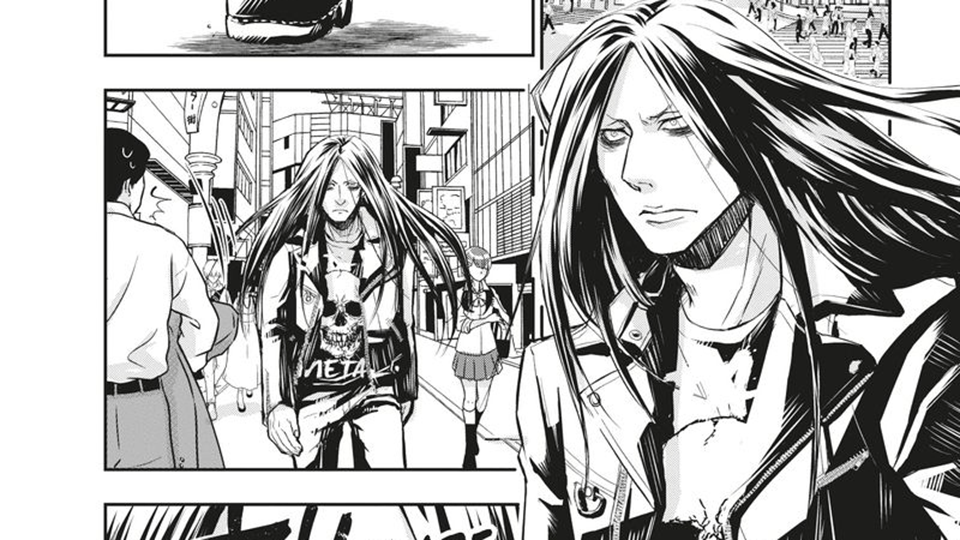
At the heart of Isekai Metaller lies Alexi, a protagonist whose character design defies the standard "heroic" mold. A devoted metalhead, Alexi spent his life in the shadows, a shy individual who found his voice only when plugging into an amplifier. His struggle is grounded in the universal desire for self-expression; he believes that music is the ultimate bridge between isolated hearts.
The inciting incident is as dramatic as it is fitting for the genre: while performing a set with a band that doesn’t quite match his level of intensity, Alexi suffers a lethal electrocution on stage. However, rather than meeting a final curtain, he is thrust into a high-fantasy realm teeming with dungeons, dragons, and demons.
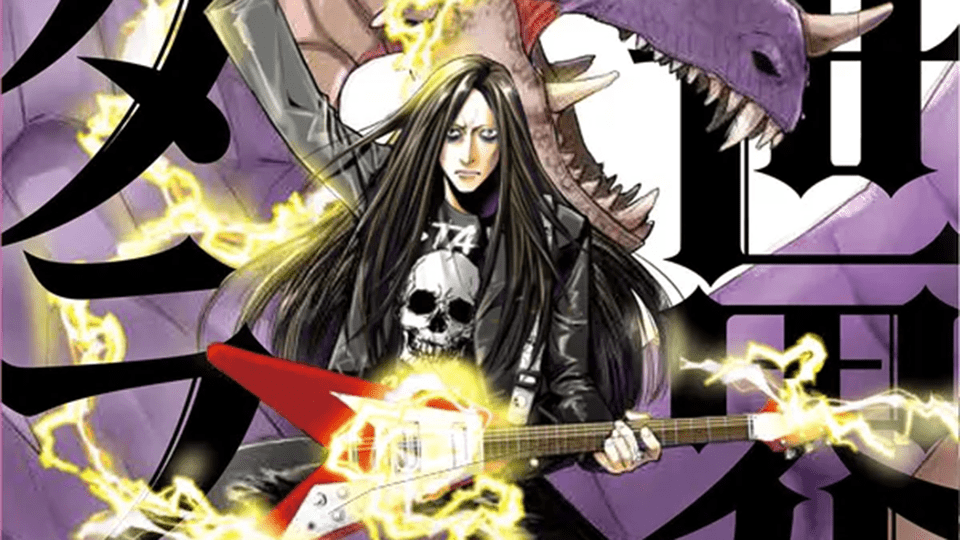
Crucially, Alexi is not reincarnated as a weakling or a specialized strategist. He enters this new world at "Level 999," armed with a Flying V guitar and command over lightning-based elemental magic. For those familiar with tabletop roleplaying tropes, think of him as a Bard who has maximized his "Thunder Wave" spell to god-like proportions. He is a walking, shredding force of nature, ready to disrupt the rigid power structures of his new environment.
Chronology: From the Stage to the Demon Realm
The trajectory of the series follows a classic narrative structure, albeit one fueled by distortion and feedback.
- The Origin (The Mortal Plane): Readers are introduced to Alexi’s struggle for musical legitimacy. His bandmates, lacking his vision, represent the mundane world that fails to understand the cathartic power of his craft.
- The Transmigration: The transition occurs at the climax of his mortal life, setting the tone for his rebirth. The "shock" of his death becomes the literal source of his power in the new world.
- The Arrival: Alexi awakens in a world governed by a cruel, hierarchical system. Here, the "weak" are treated as cannon fodder for the "strong"—a direct inversion of the empathy Alexi hopes to instill.
- The Party Formation: Alexi begins to assemble an unlikely troupe of companions, including a mage, a wolfman warrior, and an orphaned thief. This ensemble serves as a microcosm of the social reform Alexi intends to spearhead.
- The Ideological Clash: The narrative shifts from simple survival to a clash of philosophies. Alexi encounters "glam rock" antagonists and rigid, traditionalist demons, leading to the central conflict: can music replace violence as a solution to systemic oppression?
Supporting Data: Why Metal Fits the Isekai Mold
While the surface-level appeal of Isekai Metaller is its aesthetic, the deeper mechanics of the story rely on the tropes of modern fantasy. Kasuga Ryo utilizes the "leveling" system popular in contemporary light novels to create a sense of scale. By placing Alexi at the top of the hierarchy, the author removes the "will he survive?" anxiety and replaces it with "how will he change this society?"
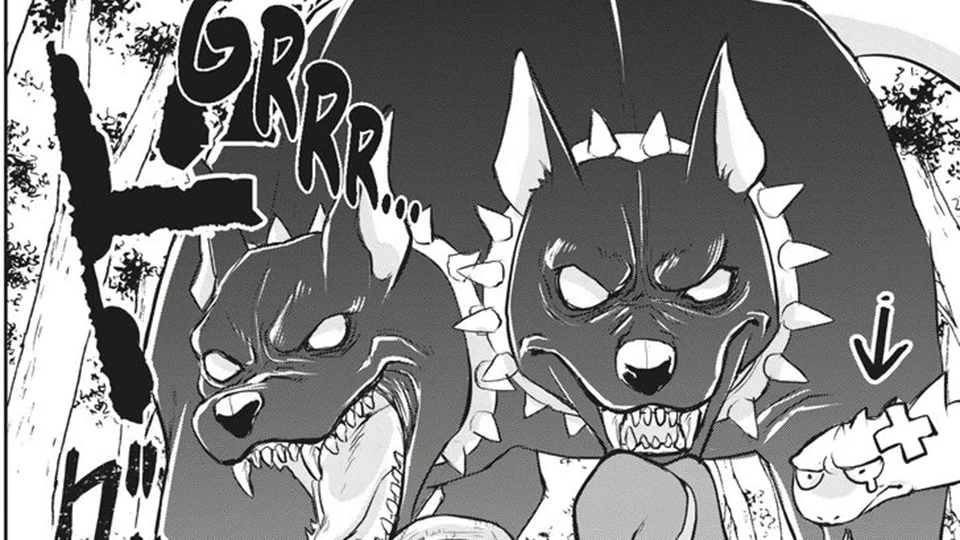
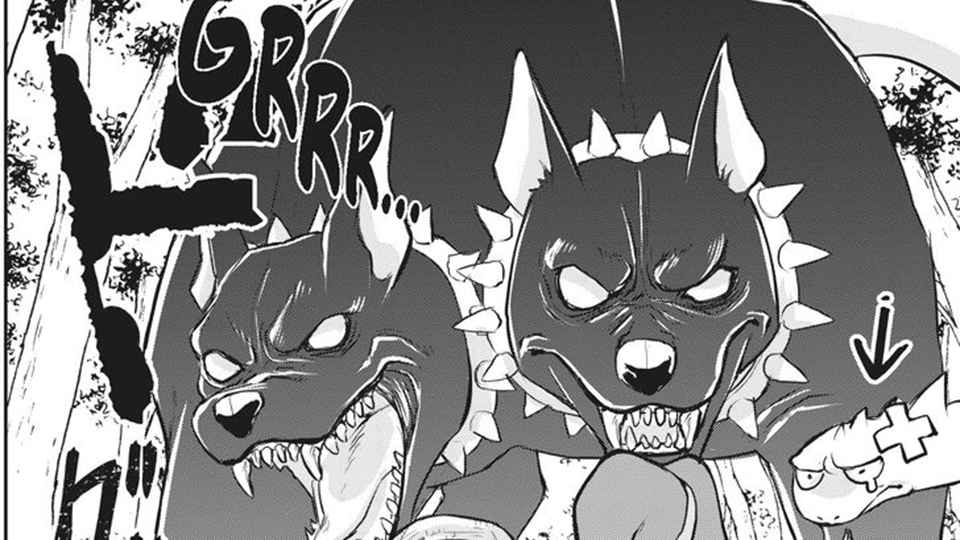
The juxtaposition of metal aesthetics with fantasy bestiaries is a stroke of brilliance in world-building. Monsters that would normally be treated as XP fodder are, through Alexi’s eyes, reminiscent of the grotesque and fascinating imagery found on classic metal album covers. This shift in perspective transforms the typical "kill quest" into a journey of discovery and, occasionally, empathy.

Furthermore, the characterization of his party members is essential. By including individuals who are marginalized within their own world, Ryo ensures that the stakes remain human. Alexi’s refusal to allow weaker party members to be sacrificed for the "greater good" serves as a critique of modern utilitarianism often found in RPG-style fiction.
Official Responses and Creative Intent
In interviews regarding the development of the series, Kasuga Ryo has emphasized that the central theme of the work is "validation." The author notes that whether you are a metalhead, a gamer, or a fantasy fan, the core struggle remains the same: the fear that your personal passions are not "enough" or that your inner voice is too strange for mainstream acceptance.
"The goal," as articulated through Alexi’s character arc, "is not to prove that metal is the superior genre, but to prove that the ‘right’ music is whatever makes you feel seen."
Titan Manga’s decision to localize this title speaks to a broader trend in the industry: the diversification of the isekai genre. By moving away from the "power fantasy" focus and leaning into "thematic fantasy," the publisher is betting that audiences are ready for stories that combine bombastic action with genuine, heartfelt character growth.
Implications: The Cultural Impact of the Series
Isekai Metaller arrives at a pivotal moment in the manga market. As the saturation of generic portal-fantasy continues, audiences are increasingly gravitating toward works that deconstruct the genre. This series does so by introducing a "punk" ethos. It challenges the inherent violence of fantasy worlds, suggesting that the "Demon King" need not be slain if he can be engaged in a musical dialogue.
A New Standard for Character Development
If the series maintains its trajectory, it could redefine the "overpowered hero" trope. By making the hero’s power a vessel for empathy rather than just domination, Ryo provides a blueprint for future authors to make their protagonists more than just avatars for the reader.
Challenging Genre Stereotypes
The inclusion of a "glam rock" rival character in the first volume is particularly telling. It signals that the series is willing to explore the various sub-genres of rock and metal, using them as allegories for different worldviews. This suggests that the series will be as much about the evolution of musical taste and cultural understanding as it is about defeating monsters.
The Future of "Musical" Fantasy
If Isekai Metaller proves successful, it may open the floodgates for more music-centric fantasy titles. The fusion of auditory imagination (implied through the medium of print) and visual spectacle creates a unique reader experience. It forces the audience to "hear" the panels—a testament to the strength of the artwork and the pacing of the writing.
Final Verdict: Why You Should Listen
Ultimately, Isekai Metaller is a refreshing entry into a crowded field. It doesn’t take itself too seriously, yet it manages to capture the genuine sincerity of the metal community. It understands that metal is not just about aggression; it is about community, catharsis, and the refusal to conform to a society that expects you to be quiet.
For readers who have grown weary of the same cycle of reincarnation, this series offers a much-needed volume boost. Whether you are a long-time fan of the genre or someone who just wants to see a hero fight a dragon with a Flying V guitar, Isekai Metaller promises a ride that is loud, chaotic, and surprisingly moving.
The journey of Alexi is one that invites us all to turn up the volume on our own lives. As we await the October 14 release of the first volume from Titan Manga, one thing is clear: the isekai genre has found its new anthem. It is time to stop playing by the rules of the fantasy world and start playing by our own.
Isekai Metaller Vol. 1 is available for pre-order and hits bookshelves on October 14, 2025.